10 Must Know Hotel Interior Design Trend for 2026
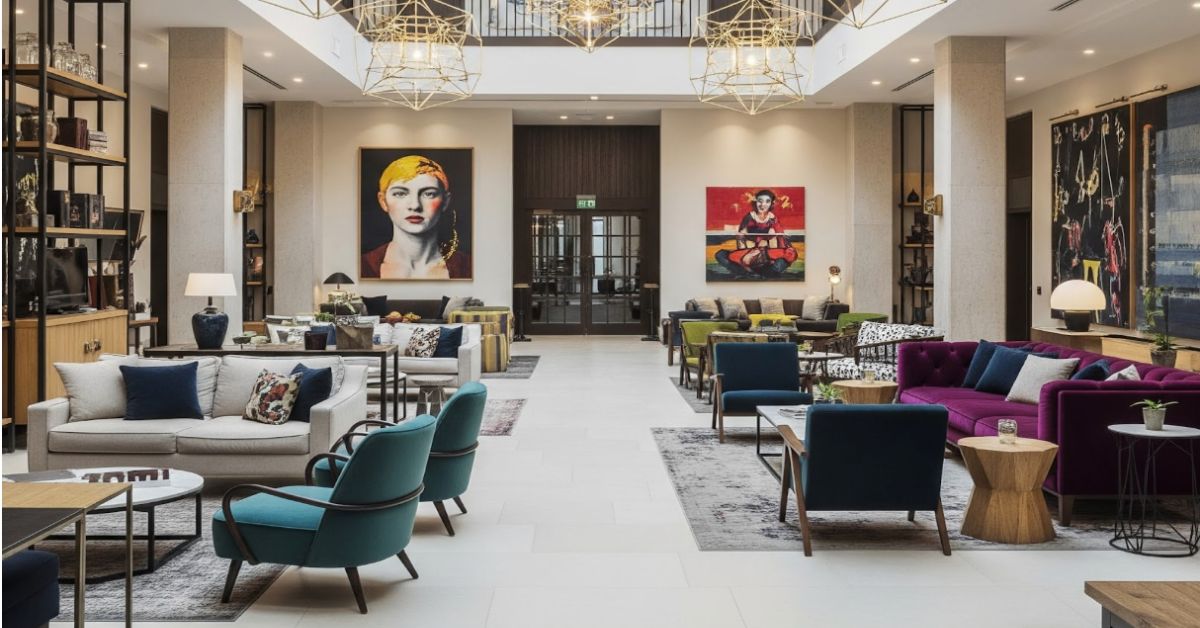
In 2026, hotel design will go beyond looks. Luxury is being redefined. Wellness is moving away from the spa. Technology is becoming smarter but less visible. And sustainability is finally shedding its “eco-minimalist” reputation and stepping into the spotlight with sensual, indulgent designs.
The look of your hotel in 2026 will affect how guests experience it, review it, and share it. The way a lobby feels, the scent in the hallways, the art on the walls, these are no longer just details; they’re deal-breakers. Guests today don’t just check into hotels; they check into stories, moods, and moments they’ll share long after they’ve left.
We’ve traveled the globe, walked through new-age hotels, talked to designers, and observed what’s shaping the hospitality world. The verdict? 2026 is not about being the biggest or the shiniest. It’s about being the most human, while still curating experiences that feel forward-thinking.
Here are 10 must-know hotel interior design trends for 2026 that will influence how guests will feel when they enter your hotel.
© Gemini AI
1. Playful & Photogenic Corners
Instagram isn’t going anywhere. Guests still love to take photos and share memories, which is why hotels will continue designing playful, photogenic corners in 2026.
That might be a whimsical reading corner, a colorful mural wall, or a sculptural element that works as both art and seating. Every photo a guest shares is free marketing. In 2026, playful corners are not just design choices; they’re social media strategies.
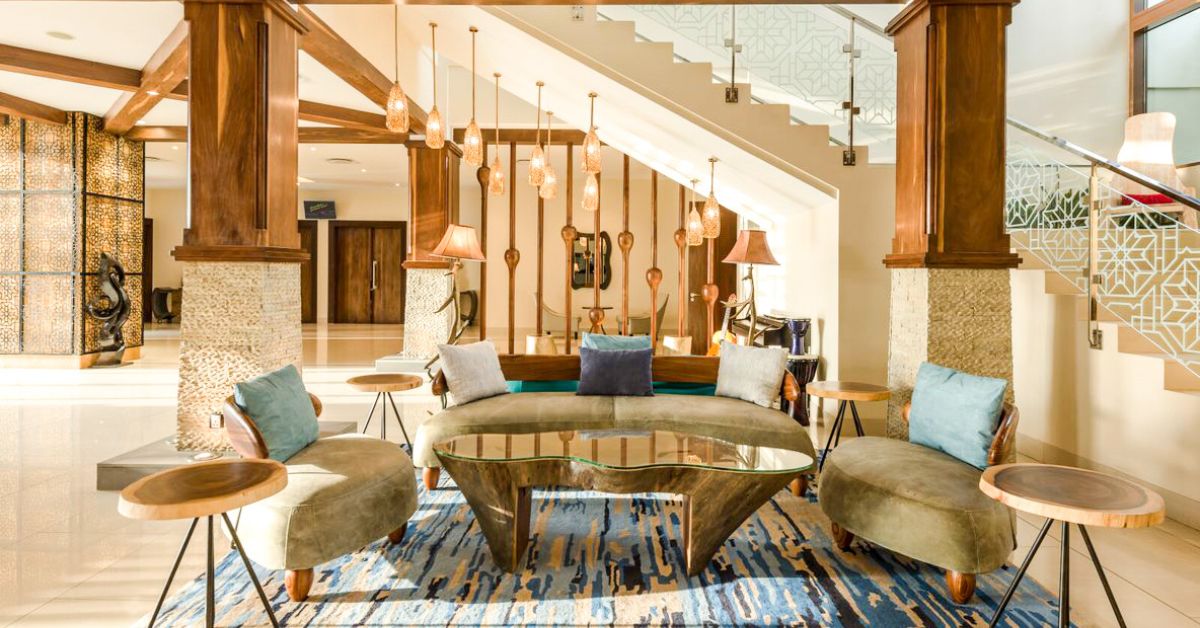
Feature photo: Hotel Verde Zanzibar, Architect / Designer: Jehan-Ara Poonawala
2. Sustainable but Sensual
Eco-conscious travelers aren’t a niche anymore; they’re the majority. Guests expect hotels to do their part for the planet. That said, hotels have to do things that don’t feel like they are giving up luxury. The new trend in sustainability is luxury with a conscience. Hotels are now realizing eco-meets-elegance, where everything feels luxe but is deeply sustainable.
Hotels will be using energy-efficient lighting and water systems, refillable toiletries instead of disposable plastic bottles, and no plastic amenities. Restaurants will be using local, seasonal food items. However, indulgent. Like a refill station that is sleek and chic, or organic linens that feel like pure luxury.
In new hotel design trends, sustainability is not just a badge of honour; it's a baseline. Guests want to know they’re making responsible choices while still enjoying the finer things.
3. Muted Tech (Smart, Invisible, Seamless)
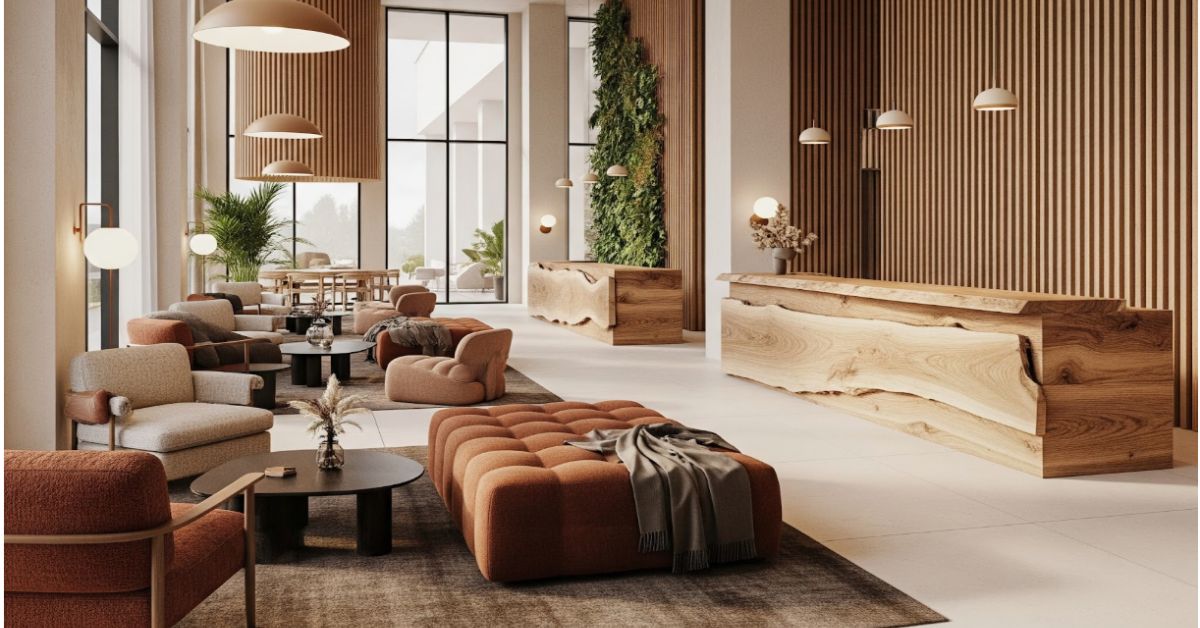
Guests love convenience, but they no longer want to be impressed by bulky gadgets or big screens; guests want technology that blends into the design of the hotel. Therefore, muted technology, smart technology that is unobtrusive and integrated into the design, is one of the biggest hotel interior design trends for 2026.
Think mobile check-ins and keyless room entry that make the arrival seamless. Inside the room, voice-activated controls for lights, blackout curtains, and air-conditioning feel effortless. Maybe the smart lighting is integrated into the design to adjust lighting according to mood or daytime hours. Hidden charging stations and wireless pads are built seamlessly into nightstands and desks. Even climate control that adapts silently to guest comfort without them ever touching a panel.
The less your guest notices the tech, the more they’ll appreciate how easy their stay felt.
© Gemini AI
4. Modular Furniture for Adaptive Spaces
The modern traveler is a hybrid; they work, socialize, relax, and explore all in the same trip. That’s why rigid hotel layouts are being replaced with adaptive, modular designs.
That’s why modular furniture is becoming a cornerstone of hospitality interior design trends. Sofas that can split into smaller seating, desks that double as dining tables, sofa beds that turn lounges into guest rooms, or modular seating that shifts from casual hangouts to formal meetings.
The flexibility to adapt no longer matters as a bonus or nice to have, but a must-have for hotels looking to be flexible and future-focused.
5. Local Culture, Global Appeal
Travelers in 2026 will desire authenticity, rather than a glorified, copy-paste luxury chain suite located anywhere in the world.
Hotels that differentiate themselves will host local elements in their interior (walls adorned with local artists, the lobby is naturally filled with local culture and events, regional furniture, or collaborations with local restaurants and guides).
This isn’t just design, it’s marketing. Guests who feel connected to the local culture are far more likely to share their stay on social media, tag your hotel, and rave about their “authentic experience.”
© Gemini AI
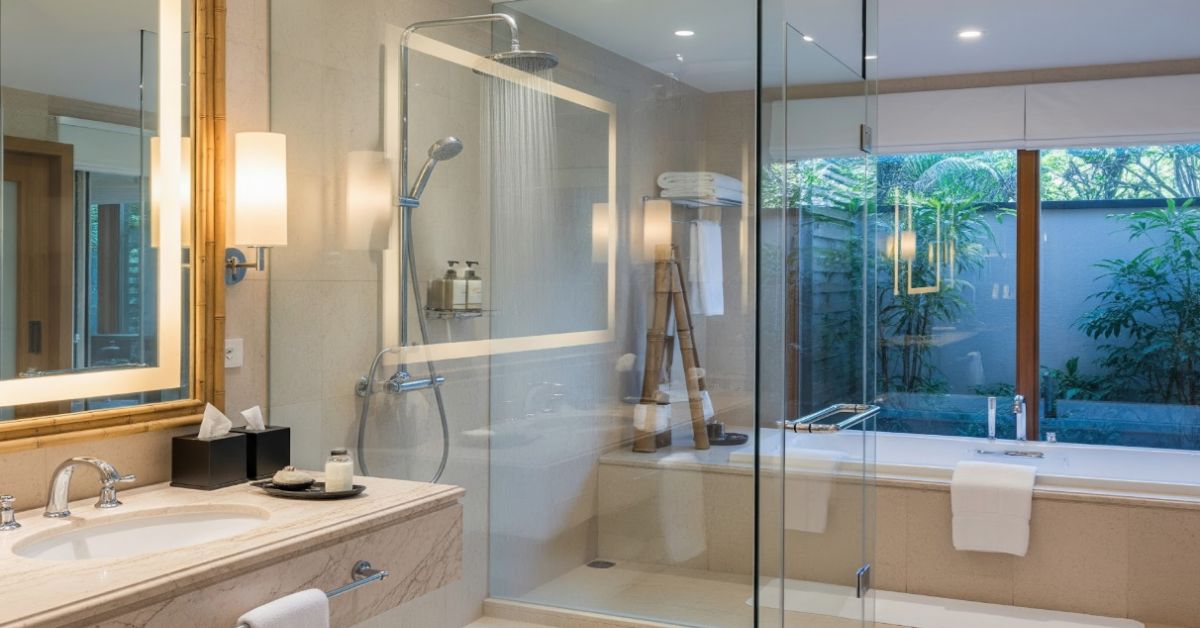
6. Experiential Bathrooms
For many guests, it's the bathroom that seals the deal on how luxurious a hotel really is. Come 2026, bathrooms will take a leap into immersive, spa-like environments.
Rainfall showers with mood lighting, deep soaking tubs with skyline views, natural stone surfaces, and even aromatherapy built into the design, all these transform the bathroom into a guest’s personal spa.
By 2026, the bathroom won’t just be a necessity; it will be one of the most memorable parts of a hotel stay.
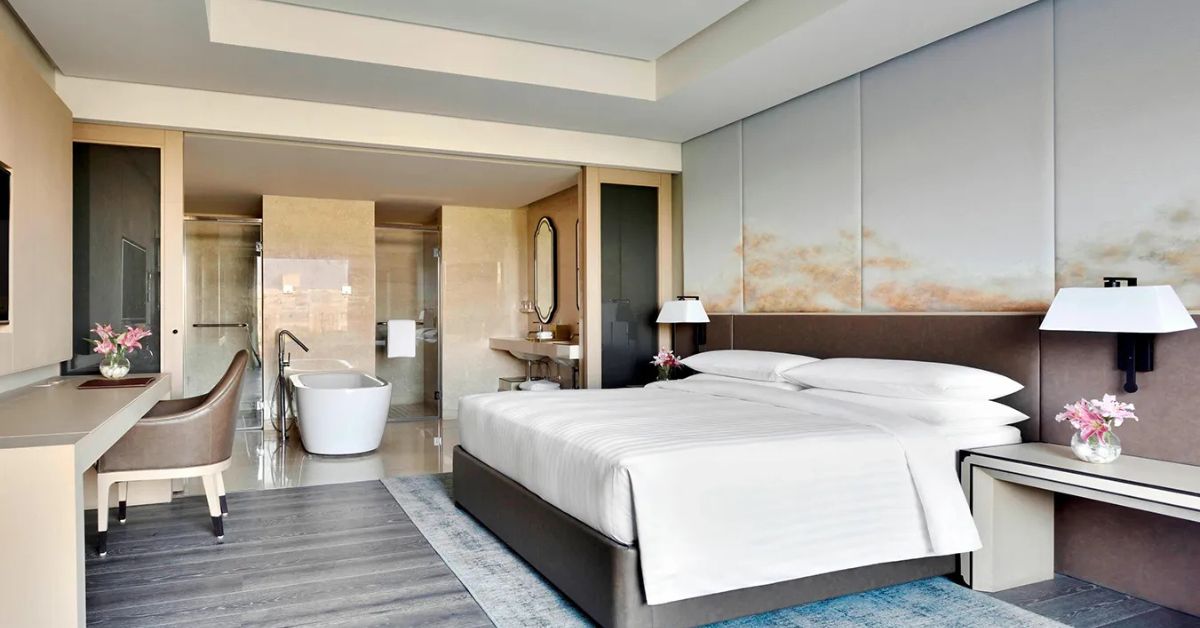
Feature photo: Indore Marriott, Architect / Designer: Mr. Hardik Joshi
7. Wellness Everywhere (Not Just the Spa)
Wellness is not just about the spa wing anymore. Hotels are transforming into wellness hubs by 2026. Guests are no longer looking for a 'stay' and to simply be comfortable; they want to leave feeling refreshed and recharged.
This means soundproof rooms for deep sleep, working areas with ergonomic furniture, quiet meditation spots, air-purifying plants, perhaps a balcony that acts like a yoga terrace, and maybe a circadian light that helps guide the guest along a completely natural adjustment. Bathrooms will resemble a mini recharge retreat with spa-quality showers, ample space, and calming lighting.
This shift implies the hospitality design trend is nodding to the fact that wellness is being treated as a lifestyle and not a luxury.
8. Hidden Luxury
Not all luxury needs to shine; some of it is felt rather than seen. They don’t want chandeliers shouting for attention or gold-plated details in every corner. Instead, 2026 will bring hidden luxury, the kind that’s felt, not flaunted.
This doesn’t mean boring. This is about focusing on what is truly important! The feel of a cashmere throw on the bed, the softness of natural linen sheets, the gentle curve of a handcrafted armchair. It’s about textures, comfort, and timeless beauty rather than glitz.
9. Hyper-Personalized Guest Experience
"One size fits all" is officially over. Every guest wants to feel special and not feel like "just another booking." Hotels will fully embrace hyper-personalization in 2026.
You walk into your hotel room, and right there on the TV is a welcome message personalized just for you, your favorite pillow is already lying on the bed, your preferred drinks are stocked in the minibar, and the lighting/temperature is at your preference saved from past visits.
This level of personalization is powered by smart systems, but the magic lies in how human it feels. Guests don’t think “the system remembered me,” they think “this hotel really knows me.” When guests feel truly seen, they become loyal, and loyal guests are the ones who leave glowing reviews, recommend you, and keep coming back.
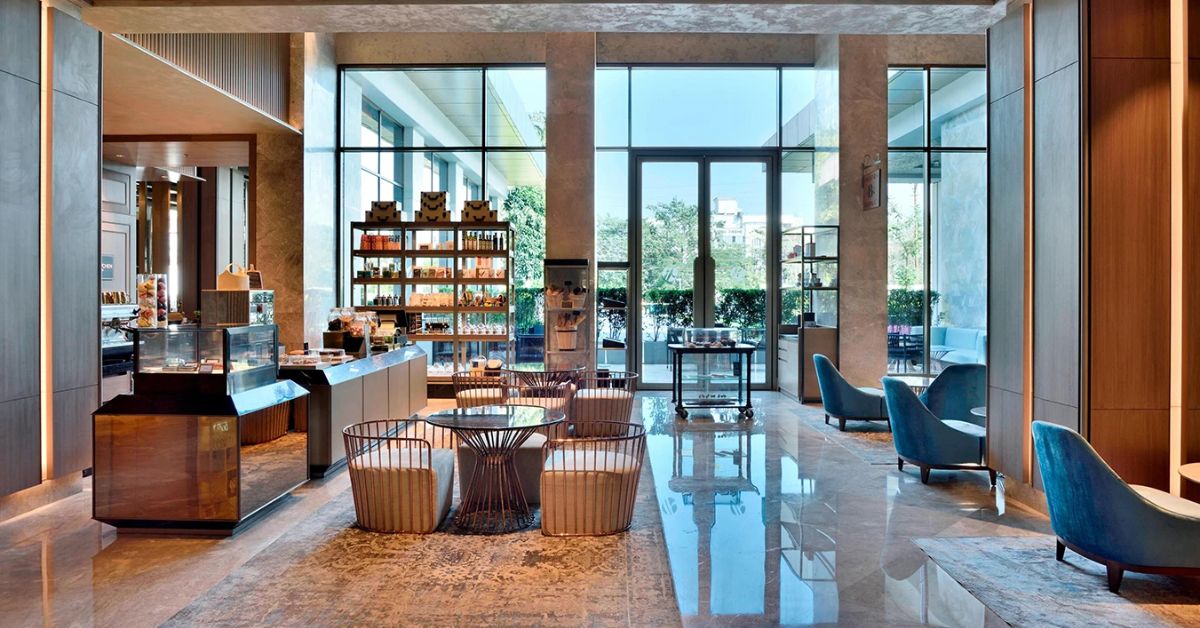
Feature photo: Indore Marriott, Architect / Designer: Mr. Hardik Joshi
10. Lobby as the New Living Room
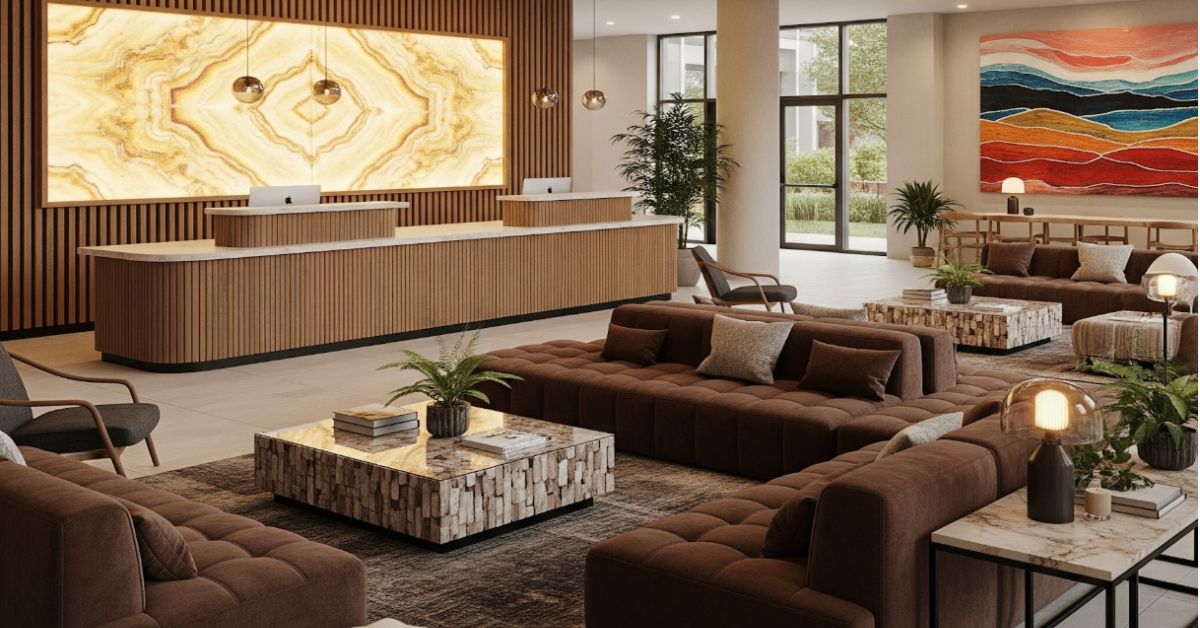
Do you remember when hotel lobbies were just waiting areas? A big desk, a few chairs, and a grand chandelier. The standard was to quickly check in or, in some instances, wait for a taxi to head off to dinner. By 2026, that all gets lost in the shuffle. In 2026, lobbies are new living rooms.
Imagine cozy seating groups, flexible workspaces, coffee corners, and possibly some small art installations that give guests the impression of “stay awhile” instead of “rush through.” Whether guests are waiting for a friend, working on emails, or leisurely sipping on a glass of wine, the lobby becomes a social connection instead of a mere entry point.
This trend shows how hotels are embracing community, not just accommodation.
Conclusion
The hotel design trends 2026 show one thing clearly: it’s no longer enough for hotels to look good; they need to make guests feel good. From wellness-first spaces to invisible tech and authentic cultural storytelling, every design choice is about creating experiences that last long after checkout.
At Arcedior, we’ve seen these trends come alive while sourcing and manufacturing contract furniture across the globe. Hotels that adapt early will not only attract guests but also create loyal communities who return for the way they felt during their stay.
Ready to transform your space? Let's connect and discuss how Arcedior can be your partner in creating the hotels of tomorrow.