7 Best Flooring Materials for 2025
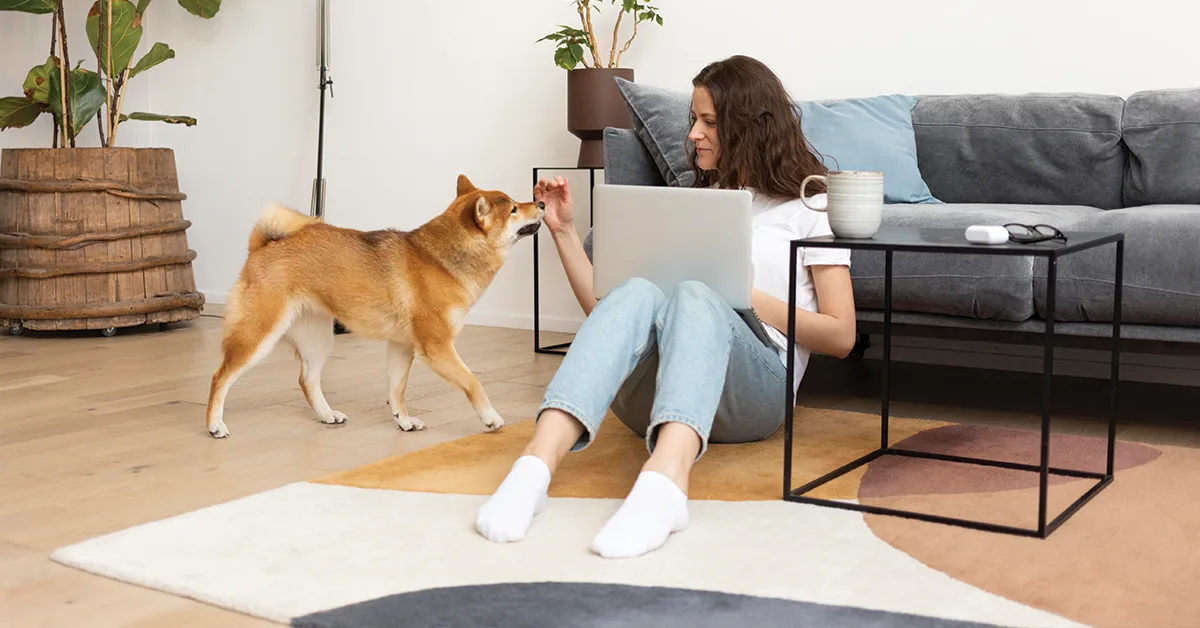
Choosing the right flooring materials for your home or commercial space in 2025 is no small feat. With evolving technology, sustainability trends, and innovative designs, the flooring options available are more impressive than ever. Looking ahead, we see a mix of timeless elegance, eco-conscious choices, and cutting-edge functionality in flooring materials that cater to diverse preferences. Let’s explore some of the top flooring materials expected to trend in 2025, each with its unique pros and cons.
SPC Flooring

Stone Plastic Composite (SPC) flooring has rapidly gained popularity for its unbeatable resilience and aesthetic appeal. Its core, made of a blend of stone and polymer, gives it unparalleled strength, making it the perfect alternative to traditional wooden floors or laminate. It’s a flooring option that looks like wood but offers more in terms of performance and maintenance. Whether you’re outfitting a residential space or a bustling commercial area, SPC flooring delivers a versatile solution with minimal upkeep.
Pros:
- Durability: Scratch-proof, stain-resistant, and able to withstand heavy foot traffic, SPC flooring is built to last.
- Waterproof: Ideal for moist areas such as kitchens, bathrooms, and basements.
- Easy Installation: The click-lock system makes it a breeze to install—even for DIY projects.
- Low Maintenance: Requires only sweeping and occasional mopping, making it perfect for busy homes or commercial spaces.
- Affordability: SPC offers the luxury look of wood without the high cost or maintenance demands.
- Hard Underfoot: It can feel harder than other flooring types like cork or carpet.
- Cold Feel: SPC tends to feel cooler, especially in colder climates.
- Limited Design Customization: While it mimics wood and stone well, the options are still present.
- Comfort: Soft and cushioned, cork is gentle on the feet and joints.
- Thermal Insulation: Cork remains warm in the winter and cool in the summer.
- Sound Absorption: Its natural properties make it great for reducing noise, perfect for busy households.
- Eco-Friendly: As a renewable resource, cork is both sustainable and durable.
- Durable: Despite its softness, cork hides dirt and resists minor wear.
- Water Sensitivity: Cork can bubble or warp if exposed to excessive moisture, requiring extra care in humid areas.
- Scratching: It can be scratched by heavy furniture or sharp objects, making it less pet-friendly.
- Eco-Friendly: Made from biodegradable, renewable materials, it’s a great choice for green homes.
- Durability: Linoleum flooring can survive for up to 40 years if properly maintained.
- Antimicrobial: Naturally resistant to bacteria and mold, it’s perfect for kitchens and bathrooms.
- Comfortable: Linoleum is softer underfoot compared to stone or SPC, offering more comfort for daily use.
- Water Sensitivity: Like cork, it’s not fully waterproof and can warp if exposed to standing water.
- Color Fading: Over time, direct sunlight can cause linoleum to fade.
- Regular Maintenance: It’s worth noting that linoleum requires regular maintenance, such as waxing, to preserve its appearance.
- Authentic Wood Look: Provides the elegance of hardwood without the higher cost.
- Moisture Resistance: Its layered construction makes it more resistant to humidity than solid hardwood.
- Installation Flexibility: Suitable for areas where traditional hardwood might not work, such as basements.
- Eco-Friendly: Some varieties use sustainable practices, reducing overall wood consumption.
- Limited Refinishing: Can only be refinished once or twice, unlike solid hardwood.
- Durability: While durable, engineered hardwood can still be scratched and dented.
- Durability: Extremely tough, often lasting for decades without needing replacement.
- Low Maintenance: Once sealed, it only requires regular cleaning to maintain its sheen.
- Cost-Effective: A budget-friendly option, particularly for large spaces.
- Thermal Efficiency: Absorbs and retains heat, making it ideal for homes with radiant heating.
- Cold and Hard: Without rugs or heating, it can feel cold and tough underfoot.
- Cracking Potential: Unlike tile, which can crack under pressure, concrete is less likely to break but can develop cracks over time due to settling or temperature changes.
- Aesthetic Appeal: The intricate, mosaic-like finish of terrazzo flooring adds a luxurious and creative touch, elevating the style of any space. Its customizable patterns allow for both subtle and bold designs.
- Eco-Friendly: Made with recycled materials, terrazzo flooring aligns with 2025's green building trends, making it an excellent choice for eco-conscious interiors.
- Longevity: Terrazzo is known for its durability. With proper maintenance, it can last for decades, even centuries, making it a sound long-term investment.
- Seamless Surface: Its smooth, seamless surface is easy to clean and perfect for areas prone to spills, such as kitchens and bathrooms.
- High Cost: Terrazzo flooring is considered an expensive flooring option due to its specialized installation process and high-quality materials. While it's an investment, its longevity and visual appeal can be worth the cost for those seeking to create a statement in their home.
- Cold and Hard: Like many stone-based materials, terrazzo can feel cold and hard underfoot, potentially affecting comfort in living spaces.
- Installation Complexity: Installing terrazzo is a highly specialized job that requires expert craftsmanship, which can add to labor costs.
- Eco-Friendly: Bamboo's rapid growth rate and renewable nature make it one of the most sustainable flooring materials available today, appealing to those looking to reduce their environmental footprint.
- Aesthetic Variety: Bamboo offers a unique, natural appearance with diverse grains and finishes. Whether you prefer a light, airy look or a rich, dark tone, bamboo can adapt to various interior styles.
- Durable: High-quality bamboo is often harder than traditional hardwoods like oak, offering excellent durability for everyday use.
- Cost-Effective: While it offers a luxurious appearance, bamboo tends to be more affordable than hardwood, making it a stylish yet budget-friendly flooring option.
- Water Sensitivity: Bamboo flooring is prone to moisture damage, making it unsuitable for areas like bathrooms or basements that are exposed to humidity or spills.
- Scratches and Dents: While durable, bamboo can still be susceptible to scratches or dents, especially in homes with pets or heavy furniture.
- Color Fading: Prolonged exposure to direct sunlight can cause the bamboo to discolor over time, necessitating the use of window treatments or rugs to protect the floor.
Cons:
Best for:
SPC is excellent for modern, contemporary, and industrial design styles, where durability and practicality are key. It’s particularly suited to high-traffic areas like living rooms, kitchens, offices, restaurants, and even retail spaces.
Cork Flooring

Cork flooring is making a comeback in 2025 due to its warmth, softness underfoot, and eco-friendly qualities. Made from the bark of cork oak trees, this eco-friendly flooring option is soft underfoot, offering a comfortable experience, whether you’re cooking in the kitchen or working in a home office. Plus, its natural insulating properties keep your space cozy, no matter the weather.
Pros:
Cons:
Best for:
Cork flooring is ideal for Scandinavian, rustic, and eco-conscious interior styles. It works beautifully in spaces where comfort is key, such as kitchens, children’s rooms, and cozy home offices.
Linoleum Flooring

Linoleum flooring may have a retro reputation, but in 2025, it’s back with a modern twist. Made from natural materials like linseed oil, wood flour, and tree resins, linoleum is not only eco-friendly but also highly durable. Its versatility in design, combined with its fire-retardant and water-resistant properties, makes it a top choice for those looking for sustainability and style on a budget. To identify linoleum flooring, look for its soft, matte finish and the way the color runs through the entire material, unlike vinyl, where the design is printed on the surface. Linoleum also tends to be non-slippery, which makes it safe for homes with kids or elderly people.
Pros:
Cons:
Best for:
Linoleum works well in minimalist, eclectic, and retro-inspired interiors. It’s a versatile option for kitchens, bathrooms, and spaces where sustainability is valued without compromising on style.
Engineered Hardwood Flooring

Engineered hardwood flooring continues to be a favorite due to its timeless appeal and durability. With a real wood veneer and a sturdy plywood or fiberboard core, it mimics the look of traditional hardwood while being more resistant to moisture and temperature changes. It’s a perfect option for homeowners who want the warmth of wood at a more budget-friendly price.
Pros:
Cons:
Best for:
Engineered hardwood flooring is a great fit for transitional, traditional, and contemporary interiors. It’s ideal for living rooms, dining rooms, and bedrooms where a balance of elegance and practicality is needed.
Polished Concrete Flooring

Polished concrete flooring is an excellent choice for those looking to create a sleek, modern, and industrial vibe. With its smooth, high-gloss finish, this flooring option adds a minimalist yet sophisticated look to any space. It’s also durable and cost-effective, making it a favorite in lofts, commercial areas, and open-plan spaces. Despite concerns over cracking, properly installed concrete can last decades, far outlasting many other types of flooring materials.
Pros:
Cons:
Best for:
Polished concrete flooring complements industrial, minimalist, and modern interiors. It’s especially well-suited to large open spaces, lofts, and commercial environments, where durability and a sleek aesthetic are key.
Terrazzo Flooring

Terrazzo, originally used in Venetian palaces, is making a grand comeback in 2025. This flooring type is a composite material, often embedded with chips of marble, quartz, glass, or other striking materials. The result is a stunning, mosaic-like surface that effortlessly combines luxury with timeless appeal. Its versatility allows it to fit in both modern and retro interiors, adding a dash of artistic flair wherever it's placed.
Pros:
Cons:
Best For:
Terrazzo flooring is ideal for spaces that aim to merge elegance with modern design sensibilities. Its chic yet timeless aesthetic works well in contemporary, mid-century modern, and minimalist interiors. It’s also perfect for high-traffic areas such as hotel lobbies, hallways, or office spaces where both durability and sophistication are key.
Bamboo Flooring

In a world where sustainability is more than just a buzzword, bamboo flooring continues to shine in 2025 as the eco-friendly choice for homeowners and designers. Bamboo is a fast-growing grass that regenerates quickly, making it an ideal renewable resource. Its natural grain and smooth finish offer a sleek, modern look, making it a sophisticated option for those who want to combine aesthetics with sustainability.
Pros:
Cons:
Best For:
Bamboo flooring is perfect for those who seek sustainable yet stylish solutions. It complements Scandinavian, modern, and coastal interior styles where natural materials and minimalism are key design principles. Bamboo is also well-suited for living rooms, bedrooms, and eco-conscious commercial spaces where elegance and environmental responsibility meet.
Conclusion
Flooring in 2025 is all about sustainability, durability, and versatility. When it comes to durability, concrete and terrazzo are top contenders, often outlasting other flooring types by decades. Whether you're designing a contemporary space or a classic home, these flooring materials offer a range of options that combine aesthetics with practicality, making your floor not just a surface, but a statement.