9 Best Modern Office Interior Designs
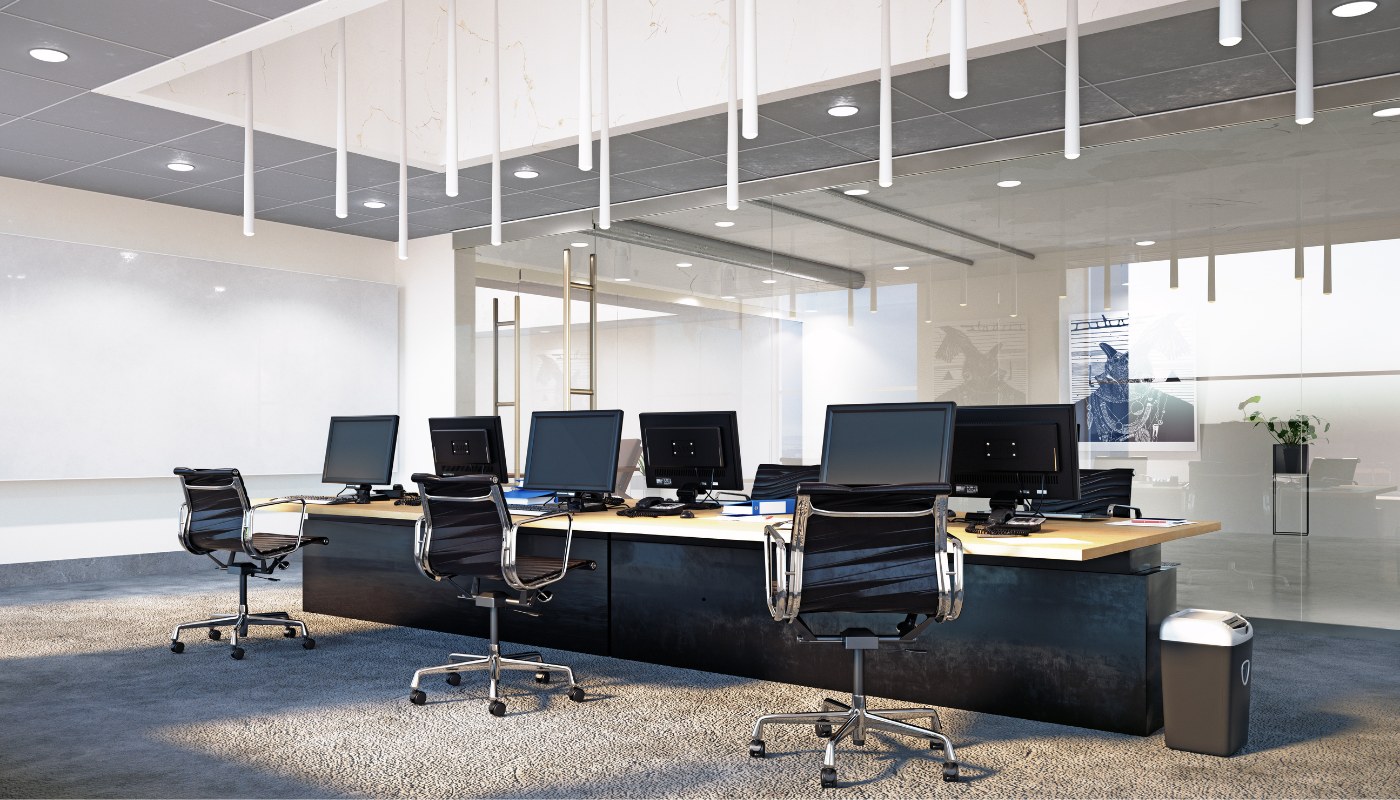
In today's fast-paced business world, the design of an office space plays a crucial role in fostering productivity, creativity, and employee well-being. Modern office interior design goes beyond mere aesthetics; it aims to create a functional and inspiring environment that supports the needs of a dynamic workforce.
If you're looking to transform your office into a productive space, this blog is for you! A simple and functional design makes your office more welcoming and leaves a great impression on visitors and clients. Explore these easy ideas to bring a touch of minimalism to your office.
Balancing Aesthetics and Functionality
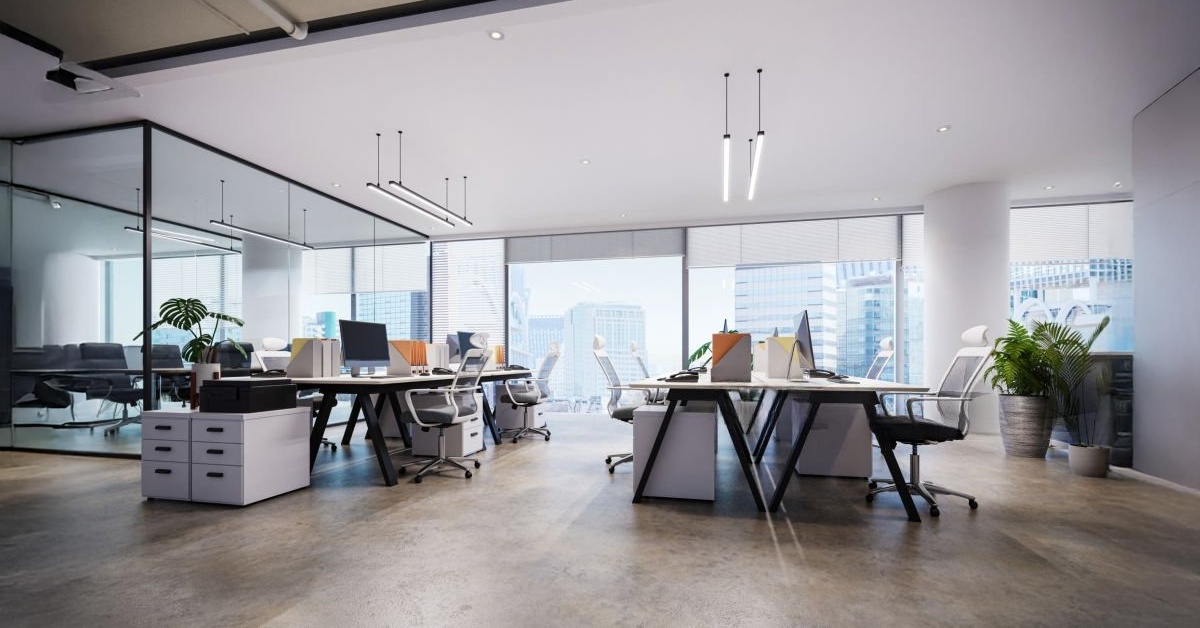
A successful modern office design achieves a harmonious balance between aesthetics and functionality. The space should be visually appealing, incorporating modern design elements, colors, and textures that create a positive and energizing atmosphere. At the same time, every design choice should serve a functional purpose, enhancing workflow, collaboration, and employee comfort.
Open and Collaborative Spaces
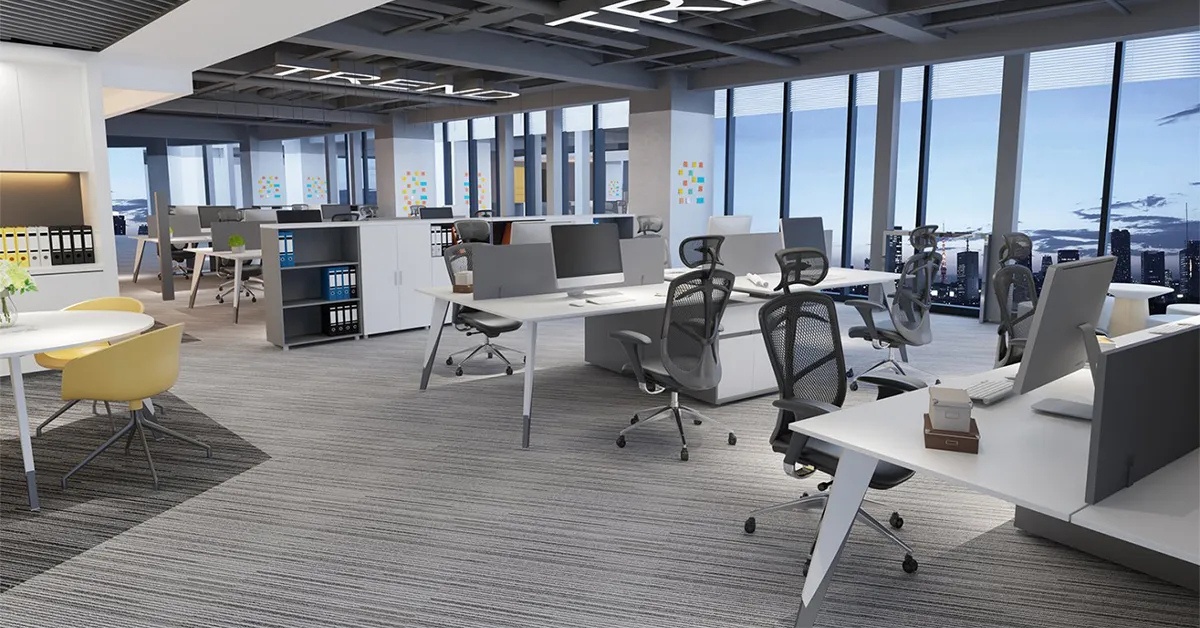
Office designs are moving away from traditional cubicles to more open spaces that encourage teamwork and communication. Open-plan offices, with fewer barriers between employees, make it easier for people to talk, share ideas, and work together. Shared worktables, breakout areas, and informal meeting spaces facilitate interaction and knowledge sharing. Flexible furniture and movable partitions make these spaces adaptable, so they can change to fit the needs of different projects and teams.
Benefits of open-plan offices:
- Better communication
- More flexibility
- Easier collaboration
- Lower costs
Challenges of open-plan offices:
- More noise
- Less privacy and personal space
Ergonomic Furniture and Equipment
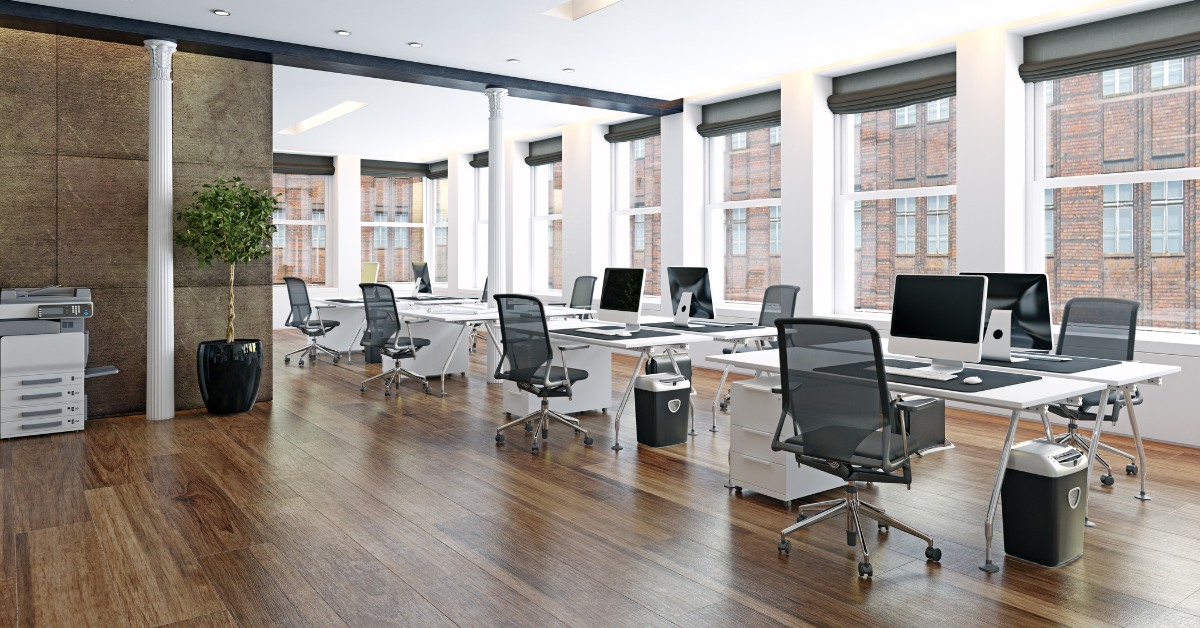
Employee health and well-being are paramount in a modern office. Ergonomic furniture and equipment, such as adjustable desks, chairs, and monitor arms, ensure proper posture and reduce the risk of musculoskeletal problems. This not only improves employee comfort but also boosts productivity and reduces absenteeism.
Natural Light and Ventilation
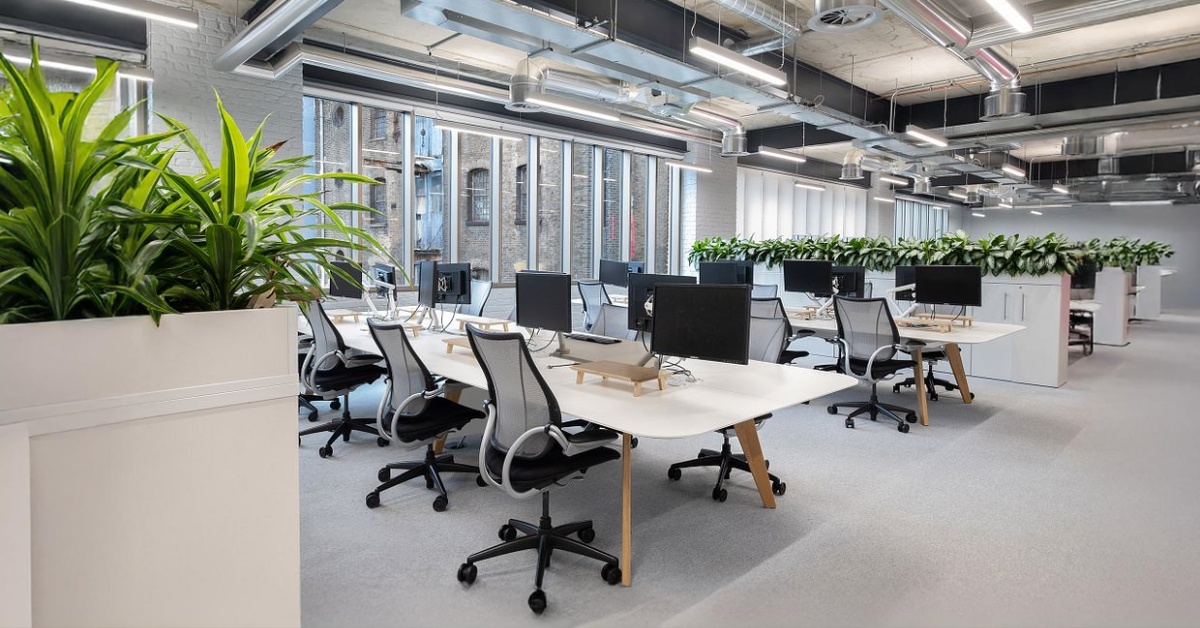
Access to natural light and fresh air has a profound impact on employee mood and cognitive function. Modern offices maximize natural light through large windows, skylights, and open floor plans. Proper ventilation systems ensure a constant flow of fresh air, improving indoor air quality and reducing the risk of respiratory problems.
Technology Integration
Technology is seamlessly integrated into the modern office, supporting collaboration, communication, and productivity. Interactive whiteboards, video conferencing systems, and wireless charging stations are just a few examples of how technology can enhance the workplace experience. Smart building systems can optimize lighting, temperature, and energy usage, creating a more efficient and sustainable environment.
Biophilic Design
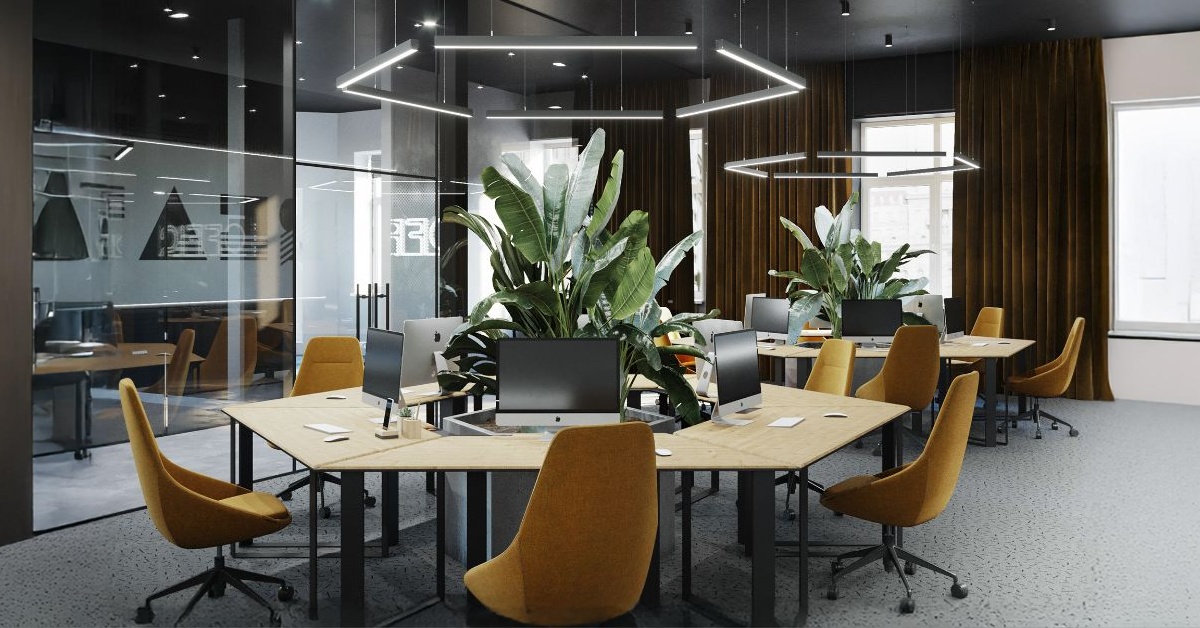
Sitting in the office all day without any greenery around can make us feel cut off from nature. That’s why it’s important to add elements of nature to office spaces. Biophilic design brings nature indoors, incorporating elements such as plants, natural materials, and water features into the office environment. This connection to nature has been shown to reduce stress, enhance creativity, and improve overall well-being. Green walls, indoor gardens, and natural textures can transform a sterile office into a vibrant and invigorating space.
Sustainable Design
Sustainability is a key consideration in modern office design. The use of eco-friendly materials like wood, bamboo, stone, and recycled plastic, energy-efficient lighting, use of natural ventilation and water-saving fixtures reduce the office's environmental impact. Sustainable design practices not only benefit the planet but also contribute to a healthier and more responsible workplace culture.
Acoustics and Sound Management
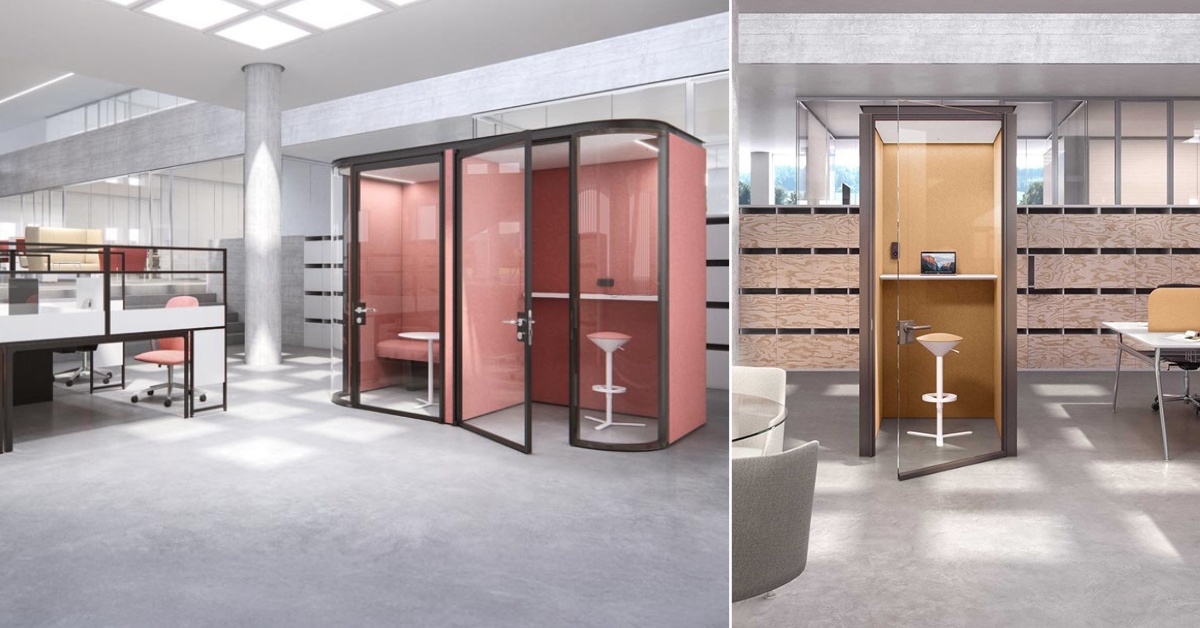
In open-plan offices, noise can be a major distraction. Modern office design incorporates acoustic phone booth pods, sound-absorbing materials, acoustic panels, and quiet zones to manage noise levels and create a more focused and productive environment.
Flexibility and Adaptability
Modern offices are built to embrace change and adaptability. With flexible furniture setups, modular partitions, and versatile spaces, they can easily adjust to shifting work styles and team structures. These flexible workspaces, such as co-working areas, hot-desking setups, and activity-based workstations, cater to the evolving needs of both employees and businesses.
The benefits of such spaces are numerous:
- Increased productivity: Employees thrive without being tied to a single spot.
- Improved work-life balance: Flexible hours let them work when they feel most effective.
- Cost savings: Efficient use of space reduces overhead costs.
- Enhanced employee retention: A dynamic work environment fosters satisfaction and loyalty.
With flexibility at their core, these modern workspaces create a harmonious balance between productivity, satisfaction, and efficiency.
Conclusion
By incorporating these elements, modern office interior design creates a workplace that is not only functional and efficient but also inspiring, engaging, and supportive of employee well-being. A well-designed office can be a powerful asset, attracting and retaining top talent, fostering innovation, and driving business success.