Contract Manufacturing vs Ready-Made Furniture: How to Decide

Contract Manufacturing vs Ready-Made Furniture: How to Decide for Large Projects
You have the BOQ. You have the drawings, maybe a few reference images from the designer. Now someone in the review meeting asks the question that decides how the next four months go: contract manufacturing or ready-made?
Get this call wrong on a large project, and it shows up later as a budget overrun, a delayed handover, or furniture that arrived but does not match the spec anyone signed off on. This is a procurement decision, not a design one, and it deserves a proper framework rather than a gut call made under deadline pressure.
It matters more now than it did two years ago. HVS put hotel development activity remained strong, with approximately 64,118 keys signed across 586 hotel properties during 2025, reflecting sustained investor confidence heading into 2026, and Dubai's hotel room count crossed 150,000 in 2025 per the Dubai Department of Economy and Tourism. More projects are moving through procurement at once, which leaves less room to fix a wrong sourcing decision mid-project.
Quick Answer:
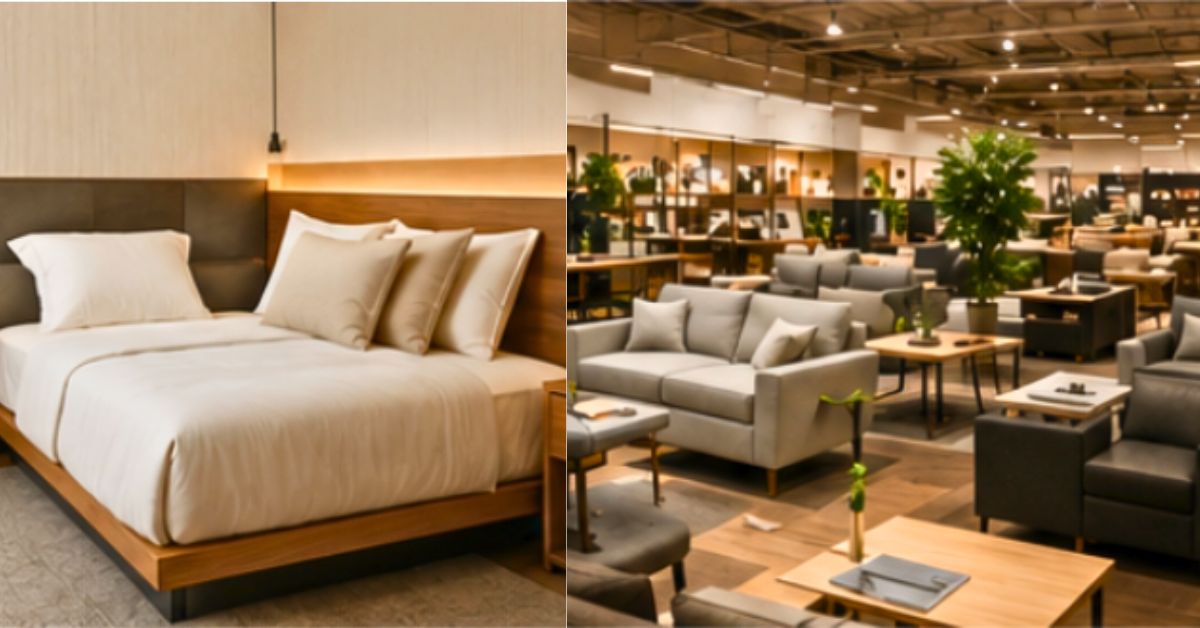
What contract manufacturing and ready-made actually mean on a project
Contract manufacturing means you brief a manufacturer with drawings, specs, and a BOQ, and they produce to that spec. Minimum order quantities apply, and the timeline includes sampling, production, QC, packing, and shipping before anything reaches site.
Ready-made means picking from a manufacturer's existing catalogue. The product is already made or close to it, so delivery is faster, but you are limited to whatever finishes and dimensions the catalogue offers.
There is a middle path too. Semi-custom means sourcing a standard frame and customizing the upholstery or finish on top. It works when the bones of a piece are fine, but the brand needs its own fabric or laminate. Worth asking your sourcing partner about this before assuming it is a binary choice.
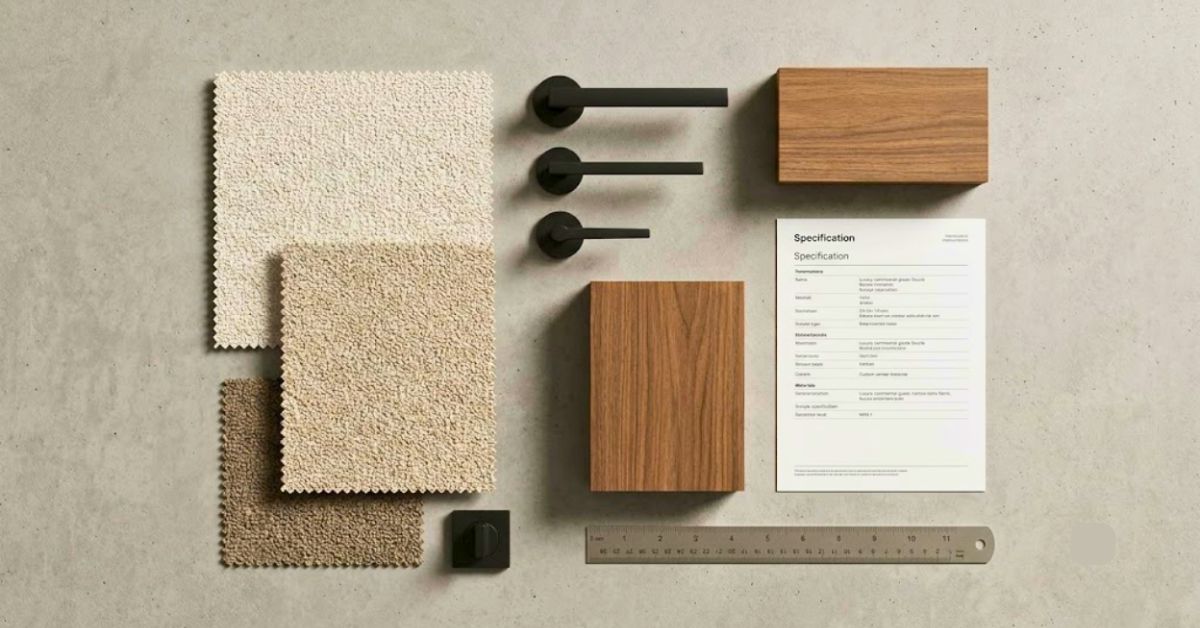
The decision matrix: 10 factors that actually decide this
Score your project against these ten factors and the answer usually becomes obvious.
# | Factor | Contract manufacturing fits when | Ready-made fits when | Tipping point |
1 | Volume per SKU | 50+ pieces of the same item | Under 50 pieces, or mixed SKUs in small numbers | Below MOQ, contract manufacturing loses its cost edge |
2 | Spec complexity | Non-standard dimensions or proprietary finishes | Standard sizes match what is in the catalogue | Any custom dimension or finish pushes you toward contract manufacturing |
3 | Budget structure | Higher per-unit cost but lower total cost at scale | Lower unit cost at small volumes | Past 100 pieces, contract manufacturing often matches or beats catalogue pricing |
4 | Timeline available | 10 to 20 weeks from brief to site | Under 8 weeks to handover | Tight timelines force ready-made unless stock is already available |
5 | Brand standards | Hotel brand or developer spec mandates specific dimensions or finishes | No brand standard, open spec | Any brand standard means contract manufacturing |
6 | Durability grade | Commercial or hospitality-grade needed | Standard residential grade is acceptable | Hospitality projects lean contract manufacturing almost by default |
7 | QC control needed | Pre-dispatch inspection or factory audit required | Comfortable relying on the supplier's own QC | Higher QC needs point to contract manufacturing with third-party inspection |
8 | Finish and material | Specific veneer, HPL, fabric, or powder coat required | Available catalogue options are acceptable | Any specific material requirement rules out ready-made |
9 | Future replenishment | Ongoing supply needed across future phases | One-time purchase | Ongoing need favors contract manufacturing for consistency |
10 | Cross-border logistics | Shipping to UAE, UK, USA, or Africa with customs and documentation | Local delivery only | Export projects almost always need contract manufacturing with export-ready packing |
Key Takeaway
The 2-minute check that prevents a 2-month delay.
Before you send a BOQ to a supplier, run the 2-minute sourcing route check. It flags MOQ, export, QC, and lead-time issues before you commit.
When does contract manufacturing actually make sense?

A few scenarios where it is clearly the right route:
Hotel casegoods at 100+ rooms with brand-mandated finishes. Catalogue furniture will not hold that consistency across a full property, let alone across phases.
Serviced apartment developments built in phases, say 300 units now and 200 more in eighteen months. Locking the spec through contract manufacturing means phase two matches phase one exactly.
Any export project, India-to-UAE, India-to-UK, India-to-USA. Local ready-made suppliers rarely have export documentation sorted, and that gap eats up any time advantage they claimed to have.
Corporate offices with branded furniture, custom ergonomics, or logo inlays that off-the-shelf simply cannot execute.
Luxury hotels with brand-specific finishes are another clear example. At the Taj Gandhinagar Resort & Spa, the project required custom golden finishes that could not be sourced from standard catalogues. Arcedior developed more than 30 finish samples before final approval and manufactured bespoke furniture for guestrooms and public areas to match the architect's vision. The project demonstrates why contract manufacturing becomes the practical choice whenever hotel brand standards, custom finishes, and specification accuracy take priority over catalogue availability.
Export hospitality projects also favour contract manufacturing. For the Landmark Grand Hotel, Dubai, Arcedior coordinated contract manufacturing, factory quality checks, and export logistics from India so project-specific casegoods met brand standards while maintaining consistency across the property.
When is ready-made the right call instead?
It would be dishonest to pretend contract manufacturing is always better. It is not.
Small projects, under 30 rooms or under 50 units of any single SKU, rarely clear the MOQ threshold that makes contract manufacturing worth it financially.
Genuine emergency timelines, under six to eight weeks to handover, do not leave room for sampling and production. Source from stock.
Open specs with no brand standard. If a solid commercial product already fits the drawings, ready-made gets you there faster with less to manage.
Pilot units and show flats. Developers often furnish one sample apartment with ready-made before committing to contract manufacturing for the full building.
Have a smaller project and just need a quick gut check on which way to lean?
Message our sourcing team on WhatsApp with your room count and timeline, and we will give you a straight answer, no BOQ required yet.
The cost comparison most buyers miss
Pro Tip

The objection we hear most often is that contract manufacturing costs more. At the quote stage, that is often true. Ready-made looks cheaper per unit.
But unit cost is not project cost. Add up what happens when ready-made furniture does not quite match spec: rework, replacement pieces, delay penalties if the mismatch is caught late, and reshipping if the fix has to come from another supplier. On a project running 80 or more rooms, contract manufacturing at the right MOQ frequently ends up matching or beating the true total cost once all of that is counted in.
Raw material pricing has also settled since the supply chain volatility of 2022 to 2024, which makes contract manufacturing quotes more predictable than they used to be. Per-room pricing for hotel casegoods varies quite a bit by material and finish complexity, so get a specific quote against your actual spec rather than relying on a generic benchmark.
Cost factor | Ready-made | Contract manufacturing |
Quote-stage unit cost | Lower | Higher |
Spec mismatch risk | Higher, fixed by rework or replacement | Low, caught at sample approval |
Cost at 80+ rooms | Rework and delay costs often erase the initial saving | Frequently matches or beats total cost |
Price predictability (2025-2026) | Depends on catalogue stock cycle | More predictable since raw material pricing has settled |
Best measured by | Per-unit quote | Landed, installed cost per room |
How long does each route actually take?
Stage | Contract manufacturing (India-based) | Ready-made (catalogue stock) |
Brief review and confirmation | Weeks 1-2, MOQ confirmed | Days 1-3, availability confirmed |
Sample or stock check | Weeks 2-4, sample production and approval | Days 3-7, payment and dispatch |
Production or fulfilment | Weeks 4-12, bulk production depending on volume and finish | N/A, ships from existing stock |
QC and packing | Weeks 12-13 | Included in dispatch window |
Domestic delivery | Included in shipping window below | Days 7-21 |
Export shipping | 10-14 days to Dubai, 20-25 days to the UK by sea | 15-30 days if export capable at all |
That last point matters. Ready-made furniture from Indian suppliers is not always export-packaged or documented, and customs delays on those shipments regularly erase whatever speed advantage the route was supposed to offer.

QC checklist before you commit to either route
For contract manufacturing: Sample approved in writing against drawings and finish specs. Dimensions checked against BOQ tolerances. Hardware tested, drawers, hinges, sliders, locks. Surface finish inspected for scratches or grain inconsistencies. Packing tested for edge protection and moisture barriers on sea shipments. Photo and video QC evidence sent before dispatch, non-negotiable for export orders. Third-party inspection for anything above 100 pieces or crossing a border.
For ready-made: Confirm it is actually commercial-grade, not residential grade sold as commercial per BIFMA's commercial furniture standards. Ask for a physical sample or showroom visit before confirming the bulk order. Check warranty and replacement terms. Confirm the supplier can export-pack if the order is leaving the country. Verify catalogue stock, since ready-made lead times change without much notice.
Warning Ready-made furniture bought locally for an export project almost always turns into the most expensive route once customs delays, missing fumigation certificates, and rejected HS code filings enter the picture. If your project ships across a border, confirm export-readiness before you confirm price.
This Saved Me From Making a Costly Mistake.
The same 10-factor framework procurement teams use to decide between contract manufacturing and ready-made sourcing. Get your recommendation instantly.
A note on cross-border projects
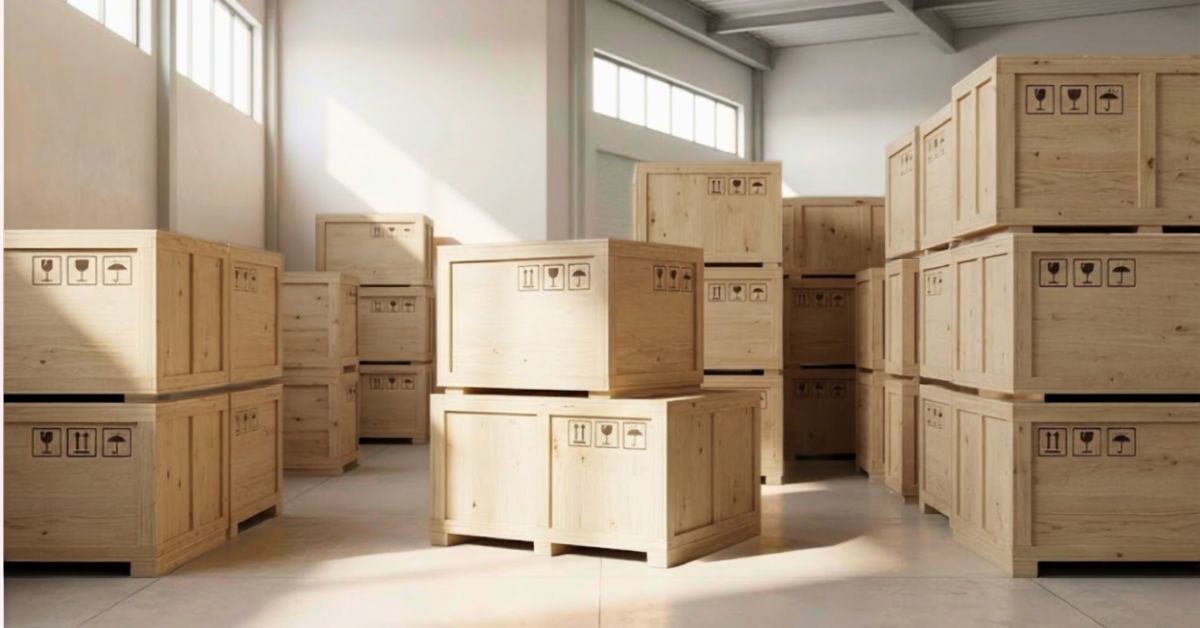
If your project sits in the UAE, GCC, UK, or USA, the sourcing decision cannot be separated from export compliance. Most ready-made suppliers in India are not set up for ISPM-15 packaging, fumigation certificates, or country-of-origin documentation. Contract manufacturers who regularly export build this into the process from day one, and FIEO's export guidance is a useful reference if you are vetting a supplier's readiness yourself.
Sea freight from JNPT Mumbai to Jebel Ali typically takes 10 to 14 days, with container consolidation available for orders below a full container load. The UAE levies a 5% import duty on furniture, and getting the HS code classification wrong is a common cause of demurrage delays.India-UAE trade has continued to grow following the Comprehensive Economic Partnership Agreement (CEPA), creating stronger opportunities for Indian furniture exporters, while IBEF identifies furniture as one of India's growing manufacturing and export sectors.
This is the kind of detail Arcedior has handled repeatedly on both sides of the world. On the Landmark Grand Hotel project in Dubai, Arcedior managed contract manufacturing and export logistics for casegoods across a 175-room property sourced from India, coordinating factory QC and shipping documentation so the property received consistent, brand-compliant furniture on schedule. On the Red Roof Inn project in Harrisburg, USA, the same playbook applied in the other direction: contract-manufactured casegoods across 106 branded rooms, with pre-dispatch QC and export documentation handled before the shipment ever left India.
How to brief a contract furniture manufacturer
If you are leaning toward contract manufacturing, a good brief includes: product category and SKU list (for example, 120 headboards, 120 bedside tables, 120 TV units), drawings with front, side, and top views plus dimensions, finish and material specs, quantity per SKU above the manufacturer's MOQ, target handover date worked backward to check feasibility, delivery destination, budget per room or per piece, and your QC preference.
If most of that is already confirmed, you are close to ready. Share the BOQ or reference images directly, and a sourcing team can tell you within a few days whether contract manufacturing or a ready-made route fits better, along with a realistic lead time and QC plan.
Expert insight
Conclusion
This comes down to matching your route to your project's actual constraints, not to whichever option sounds simpler in a meeting. Run your volume, spec complexity, timeline, and export requirements against the ten factors above, and the right answer is usually clear before you talk to a supplier.
Contract manufacturing wins on custom specs, brand standards, volumes above 50 pieces per SKU, and any export destination. Ready-made wins on small volumes, open specs, and timelines under eight weeks. Score your project against the ten factors above before you brief anyone, and when the volumes and specs are mixed within one project, as they often are, splitting the brief between both routes is normal, not a compromise.
Get a free BOQ sanity check
Send your room count, timeline, and destination country. We’ll tell you whether contract manufacturing, semi-custom, or ready-made is the safer route before you send RFQs.