Expert Tips to Choose the Right Chandelier
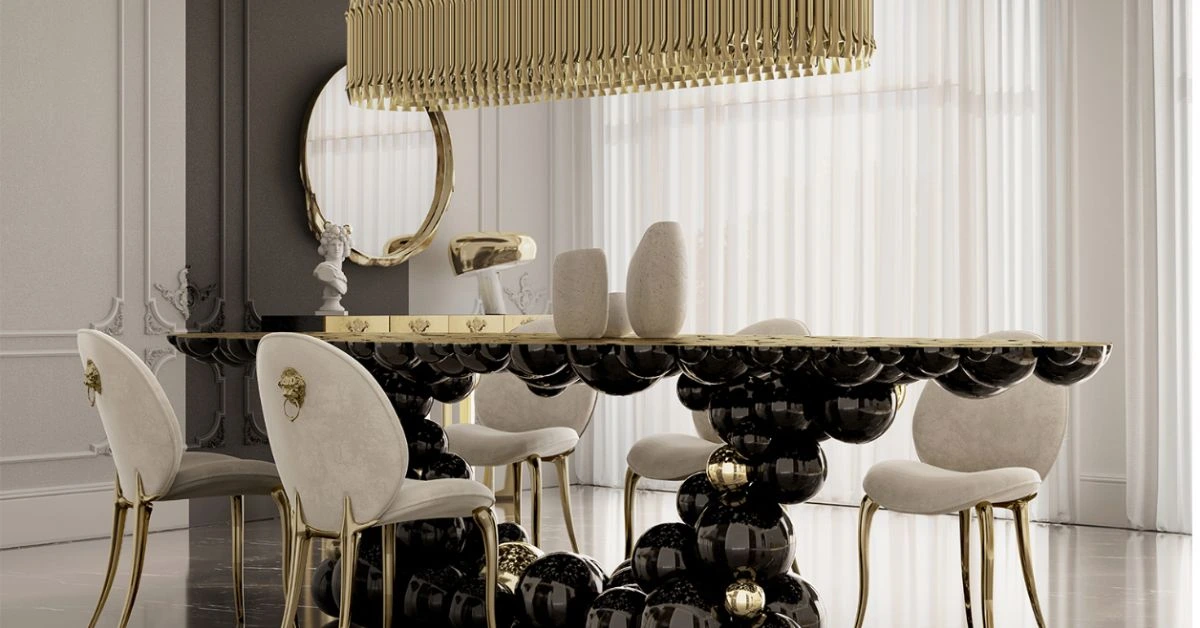
Choosing the right chandelier light for your space is an important decision. A chandelier is not just a light source; it’s a decorative piece that sets the tone for your interior design. Whether you're looking to create a bold statement in a grand entryway or add a touch of elegance to your dining room, the right chandelier can completely transform your home’s ambiance. With countless designs, sizes, and styles to choose from, finding the perfect chandelier might seem overwhelming. In this comprehensive guide, we’ll provide expert tips for choosing the right chandelier light to help you make the best choice for your space.
Factors to Consider Before Choosing a Chandelier Light
There are several factors to consider before purchasing a chandelier light. Each factor will help ensure that your chandelier perfectly fits the intended space, enhances the overall design, and meets your lighting needs.
Room Size and Ceiling Height

The size of the chandelier is one of the most important aspects of your selection. A chandelier that is too large can overwhelm the space, while one that is too small may not provide enough impact. Measure the room’s dimensions and ceiling height before starting your search.
Here’s how you can determine the appropriate size for different spaces.
- For Dining Rooms
- For Living Rooms
- For Entryways
- For Kitchens
- For Bedrooms
- Dining Room: The chandelier should be centred above the dining table. This creates a balanced, elegant look.
- Foyer/Entryway: For entryways or foyers, the chandelier should be centered in the space.
- Chandelier placement for living room: The chandelier should align with the central seating area. If the living room has high ceilings, you can opt for a larger chandelier or even a multi-tiered design.
- Kitchen: In kitchens, chandeliers are often placed over islands or dining nooks. This provides both decorative appeal and practical lighting.
- Chandelier placement in bedroom: You can place the chandelier in the center of the room or above the bed.
- Bathroom: Chandelier placement in bathrooms are usually placed above a freestanding bathtub or in the center of the room, depending on the layout. Ensure it meets safety standards and maintains proper clearance, especially in wet areas.
- Crystal Chandeliers
- Modern Chandeliers
- Candle Chandeliers
- Tiered Chandeliers
- Drum Chandeliers
- Sputnik Chandeliers
- Shaded Chandeliers
- Metal Chandeliers: Metal chandeliers, especially those in bronze, brass, or chrome, are durable and offer a sleek, modern look. These are great for industrial or contemporary spaces, as they bring an edgy, minimalist vibe.
- Glass Chandeliers: Glass chandeliers are versatile and elegant. Whether it's frosted, clear, or stained glass, these chandeliers add sophistication and a touch of glamour to any room.
- Wood Chandeliers: For a more rustic or natural look, wood chandeliers can offer warmth and character. They are perfect for farmhouse-style interiors and add a cozy, inviting feel to the space.
- Incandescent Bulbs: Incandescent bulbs provide a warm, soft glow, making them ideal for creating a cozy ambiance. However, they are less energy-efficient than other options.
- LED Bulbs: LED bulbs are energy-efficient and come in various color temperatures, from cool white to warm white. They last longer and are a great option for chandeliers that are used frequently.
- Candle Bulbs: Candle bulbs are a popular choice for traditional or vintage-style chandeliers, mimicking the look of real candle flames.
- Dust the chandelier on a regular basis with a gentle, dry cloth.
- For deeper cleaning, use a solution of mild dish soap and warm water to wipe down the crystals or glass components.
- Dry thoroughly to prevent water spots.
- To ensure stability, tighten any loose parts on a regular basis.
- Trendy Double Bed Designs for a Stylish Bedroom
- Popular Choice of Chandelier for Dining Table
- Top Trendy Wardrobe Materials to Watch in 2025
What size chandelier for dining room? To choose the right chandelier for dining room, measure the width of your dining table and subtract 12 inches. This ensures the chandelier is proportional to the table without overwhelming it. The chandelier should hang about 30 to 34 inches above the table surface.
For example, if your dining table is 48 inches wide, you would subtract 12 inches, which equals 36 inches. In this case, the ideal chandelier diameter would be 36 inches.
In living rooms, you want to strike a balance between elegance and functionality. The chandelier light should be in proportion to the size of the room. A general rule is to add the room’s length and width (in feet) to get the ideal chandelier diameter in inches.
For example, if your room is 12 feet long and 10 feet wide, you would add 12 + 10, which equals 22. In this case, the ideal chandelier diameter would be 22 inches.
For entryways with high ceilings, choose a chandelier that fills the vertical space. Ensure there’s at least a 7-foot clearance from the floor to the bottom of the chandelier to prevent it from hanging too low.
For example, if your entryway has a 12-foot ceiling, you would ensure the chandelier lamp hangs about 5 feet from the ceiling, giving you the necessary 7-foot clearance from the floor.
When placing a chandelier over a kitchen island, measure the length of the island and subtract 12 inches to determine the chandelier diameter. The chandelier should hang 30 to 34 inches above the countertop.
For example, if your kitchen island is 60 inches long, subtract 12 inches, which gives you 48 inches. In this case, the ideal chandelier diameter would be 48 inches.
In bedrooms, the chandelier should complement the room's size. Add the room’s length and width in feet to find the ideal diameter in inches. Ensure the chandelier hangs at least 7 feet above the floor, especially if placed over the bed.
For example, if your bedroom is 24 feet long and 10 feet wide, you would add 24 + 10, which equals 34. The ideal chandelier diameter is 34 inches.
Purpose of the Lighting
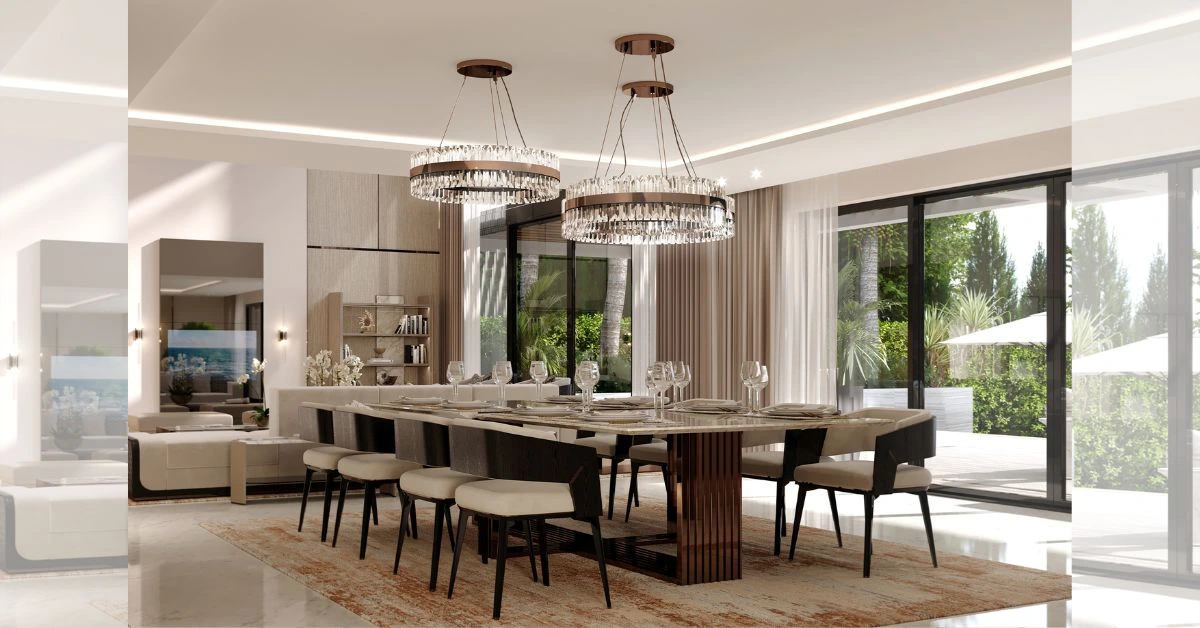
Do you want your chandelier to serve as the primary light source, or will it be more of a decorative feature? The answer will influence the brightness, type of bulbs, and number of light sources in your chandelier.
If you want the chandelier to be the main source of light, especially in rooms that require task lighting like kitchens or dining rooms, opt for a chandelier with multiple bulbs and higher wattage and if the chandelier is meant to be more of a decorative feature, perhaps in a living room, hallway, or bedroom, you can choose a fixture with fewer bulbs or one that uses softer lighting. Lower wattage bulbs can also create a cozy atmosphere without overpowering the room.
Chandelier Placement
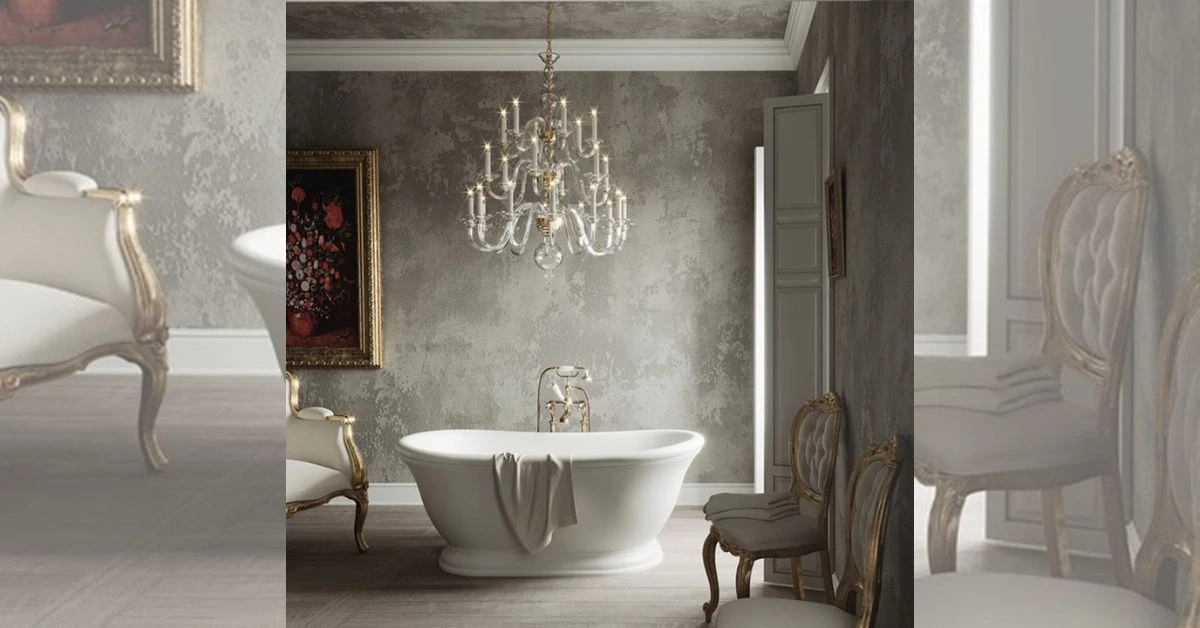
Where you plan to install the chandelier light fixture is just as important as choosing the right one. Proper chandelier placement can enhance the room’s aesthetic and functionality. Here are guidelines for different areas:
Style and Theme of the Room
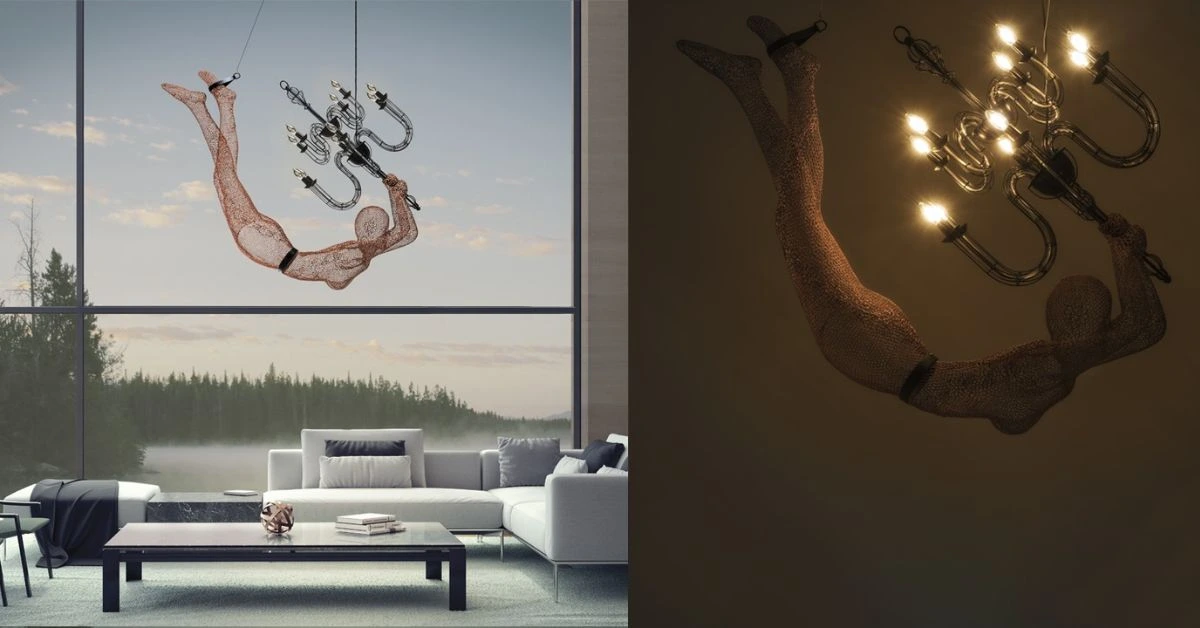
Chandeliers come in various designs, from classic crystal chandeliers to modern minimalist styles. Choose a chandelier that complements your room's existing design and enhances its theme. Understanding the different types of chandelier will help you determine which style is best suited for your space.
Crystal chandeliers are the epitome of luxury and elegance. Known for their intricate designs and sparkling crystals, they are perfect for formal dining rooms or grand entryways. These chandeliers work best in traditional, luxury, or formal-themed interiors. Their grand appearance makes them perfect for high-end settings.
Modern chandeliers often feature clean lines, sleek materials, and minimalist designs. They are an excellent choice for contemporary spaces, offering a chic and sophisticated look without overwhelming the room.
Candle chandeliers mimic the look of traditional candle lighting, providing a rustic or vintage charm. They are often used in traditional, farmhouse, or rustic-themed interiors and work well in dining rooms or entryways.
If you want to make a bold statement, tiered chandeliers are the way to go. With multiple layers of lights, these chandeliers are typically larger and more dramatic, making them ideal for formal, opulent, or luxury-themed interiors where grandeur is a key element.
Drum chandeliers have a drum-shaped covering that covers the light. These chandeliers are versatile and work well in both traditional and modern settings, offering a softer, diffused light. Bedrooms, living rooms, or dining rooms where you want a softer, more relaxed ambiance.
Sputnik chandeliers have a starburst design with multiple arms extending from the center, often featuring exposed bulbs. Often seen in mid-century modern, retro, or eclectic-themed interiors, bringing a fun, dynamic vibe.
Shaded chandeliers feature fabric or glass shades that diffuse the light, creating a warm and inviting glow in any room. They come in various styles, from traditional to contemporary, and can be found in various materials, including silk, linen, or glass.
Choosing the Right Material
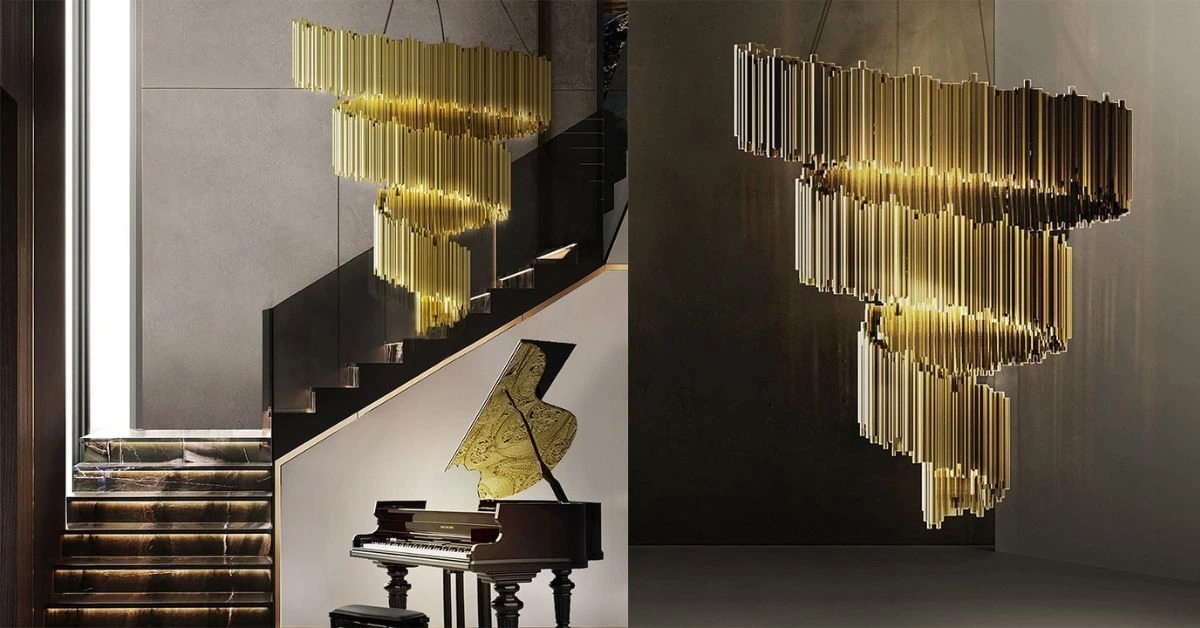
Chandelier lights come in various materials, from metals to glass, each offering different advantages and aesthetics.
Determining the Right Bulbs
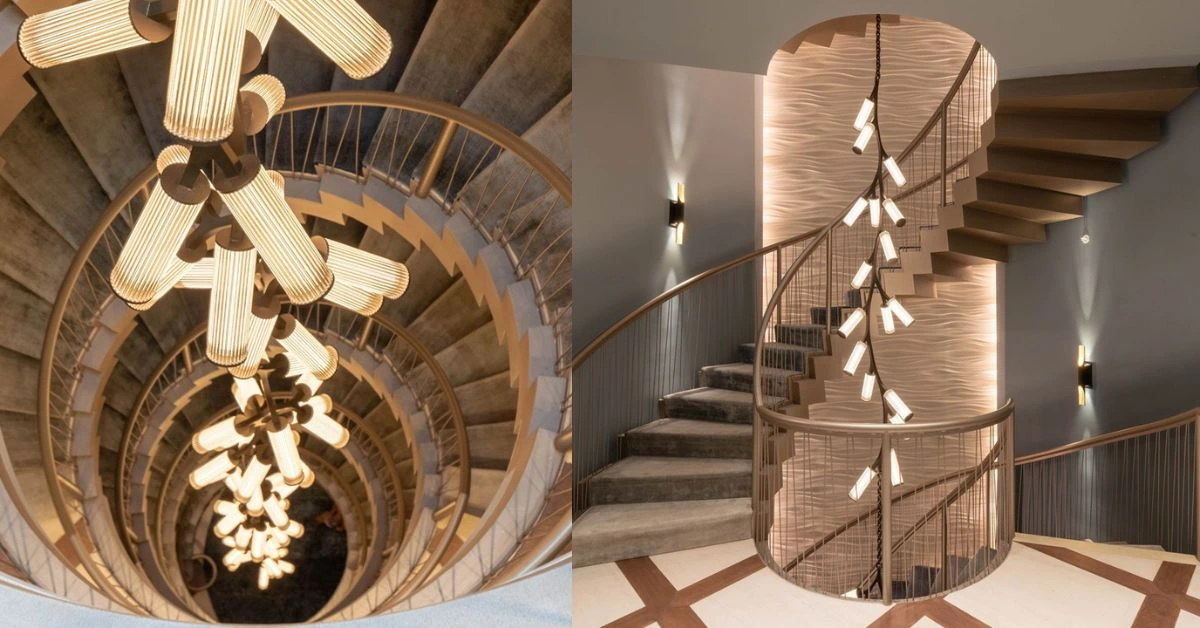
The type of bulb you choose for your chandelier affects not only the lighting but also the overall feel of the room.
To control the ambiance, consider installing a dimmer switch. A dimmer allows you to adjust the brightness of the chandelier, creating a soft glow for intimate dinners or a bright light for gatherings.
Additional Tips for Care & Maintenance
Final Thoughts
Choosing the right chandelier light for your space can transform your room, adding style, sophistication, and function. With so many options to choose from, it’s essential to consider the size, style, material, placement and lighting needs of the space. By following these expert tips, you'll be able to select a chandelier light that not only illuminates but also enhances the beauty of your home.
You May Also Like