Furniture Procurement Company in India

Furniture Procurement Company in India: Sourcing, QC, Logistics & Delivery (Commercial)
Furniture procurement is not about shopping. It is about process control, risk reduction, and coordination across sourcing, custom manufacturing, quality checks, logistics, and installation support. A furniture procurement company in India exists to manage this complexity. Not as a marketplace and not as a design studio, but as a single-window procurement partner that turns approved BOQs, drawings, and specifications into on-site reality without delays, quality surprises, or vendor chaos.
This guide explains how commercial furniture procurement actually works in India, when you need a procurement partner, how sourcing to QA, to delivery are managed, and how risks are controlled across vendors, factories, and sites. It is written for developers, corporates, hoteliers, architects, project managers, and institutions handling medium to large commercial projects.
At a Glance
Best for: Offices, hotels, retail chains, institutions
Scope: Sourcing + custom/contract manufacturing + 3-stage QC + logistics + installation coordination
Typical timelines: 4-16 weeks for most projects (FF&E and imports may extend to 12-24 weeks)
Outputs: Vendor shortlist, samples with documentation, QC reports, dispatch plan, delivery schedule, warranty handover
What is a Furniture Procurement Company in India?
A furniture procurement company in India manages end-to-end furniture supply for commercial projects: vendor shortlisting, sampling, production tracking, 3-stage quality checks, consolidation, dispatch planning, and delivery coordination so teams avoid delays, rework, and finish mismatches.
What Does a Furniture Procurement Partner Actually Do?

A procurement company for furniture in India handles everything between your approved design and the final product reaching your site. Here's what that means in practice:
- Vendor Sourcing and Shortlisting: Instead of you reaching out to dozens of manufacturers, a procurement agency in India identifies capable factories based on your specifications, budget, capacity requirements, and past performance. This includes both local manufacturers and international suppliers if needed.
- Sampling and Value Alternatives: Your procurement partner arranges mockups, finished samples, and alternative options that match your design intent while potentially offering better pricing or lead times.
- Production Planning and Timeline Management: Once you approve samples, the procurement team locks production schedules with each vendor, tracks milestones, and flags delays before they impact your project timeline.
- Quality Checks at Multiple Stages: This is where procurement differs from simple buying. Quality inspections happen at pre-production (materials and finishes), in-line (during manufacturing), and pre-dispatch (final checks and packaging). More on this below.
- Packaging and Consolidation Planning: For multi-vendor projects, your procurement partner coordinates packaging standards, edge protection, moisture barriers, labeling and consolidates shipments to reduce costs and simplify site logistics.
- Delivery Coordination and Installation Support: The team works with your site team to plan delivery schedules, check site readiness, coordinate unloading, and support installation teams so products arrive when needed and are installed correctly.
In short, you focus on the project. The procurement partner manages vendors, quality, documentation, dispatch planning, and delivery coordination. This role starts after the design and BOQ are ready. A furniture procurement company does not replace architects or interior designers. It supports them by executing the approved design intent on the ground.
When Should You Hire a Furniture Procurement Company in India?
Not every project needs procurement support. But many commercial projects reach a scale or complexity where direct buying becomes risky.
You should consider hiring a procurement partner if your project involves:
- Multiple furniture categories or vendors requiring coordination
- Tight timelines linked to lease start dates, hotel openings, or retail launches
- Custom manufacturing with specific joinery or finish requirements
- Large volumes or repeat rollouts across cities
- Strict quality, durability, or compliance requirements (fire-retardant fabrics, formaldehyde-free boards)
- Packaging and damage-risk concerns for long-distance or multi-site delivery
- Consolidated deliveries from multiple factories to reduce logistics costs
- Limited internal bandwidth to manage vendor coordination and project tracking daily
- Import coordination complexity (documentation, customs clearance, duty optimization)
- Factory audits to verify capacity and quality systems
Procurement partners are commonly used for commercial furniture procurement in India, where delays or rework can directly impact revenue.
The End-to-End Furniture Procurement Process (Step-by-Step)
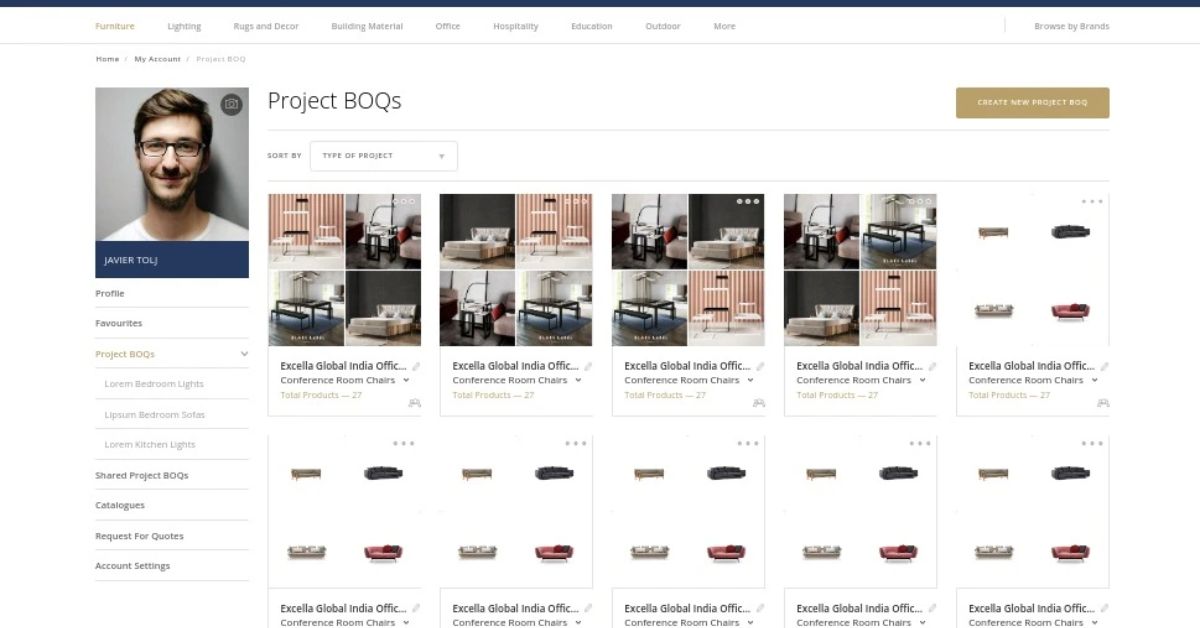
Here's how commercial furniture procurement actually works when you partner with a dedicated sourcing and coordination company:
- Requirement capture (BOQ + specs + finish schedule)
- Vendor shortlisting (capability + capacity + references)
- Samples & mockups (approval + documentation)
- Production plan (timelines + milestones)
- QC gates (pre-prod, in-line, pre-dispatch)
- Packaging & consolidation (labels + packing list)
- Dispatch & delivery coordination (site readiness)
- Installation coordination + snag closure (handover + warranty)
Step 1: Requirement Capture. Your procurement partner reviews your Bill of Quantities, detailed specifications, finish schedules, technical drawings, budget parameters, and project timeline. This includes understanding packaging requirements, delivery site constraints, and installation coordination needs. Any ambiguities in specs or quantities are flagged and resolved upfront.
Step 2: Supplier Shortlisting Based on your requirements, the team identifies manufacturers who have the technical capability, production capacity, and relevant experience. This involves factory visits, capacity audits, and reviewing past project samples.
Step 3: Sampling and Mockups Shortlisted vendors provide physical samples for your approval. Your procurement partner also suggests value alternatives: different materials, finishes, or construction methods that meet your design intent but offer better pricing, faster lead times, or improved durability. All samples are documented with finish codes, material specs, and pricing.
Step 4: Production Planning Once samples are approved, production timelines are locked with each vendor. This includes material procurement deadlines, in-progress milestone dates, and final dispatch dates. A production tracker is shared with you for visibility, with weekly progress monitoring.
Step 5: Quality Checks Quality inspections happen at three stages (detailed in the next section). Any deviations from approved samples, specifications, or finish standards are caught and corrected before products leave the factory.
Step 6: Packaging and Consolidation. All products are checked for proper packaging: edge protection, moisture barriers, carton strength, and labeling accuracy. For multi-vendor projects, products are consolidated into shared containers or trucks to reduce costs. Dispatch is planned to match your site readiness.
Step 7: Delivery Coordination Before dispatch, your procurement partner coordinates with your site team to confirm storage readiness, access clearance, and unloading arrangements. On delivery day, the team tracks shipments and resolves any last-mile issues.
Step 8: Installation Support and Snag Closure. For complex products (workstations, built-in furniture, upholstered items), your procurement partner coordinates with installation teams, provides assembly instructions, and manages any snag lists. Warranty documentation and after-sales contacts are handed over once installation is complete.
Timeline Table
Project Type | Typical Timeline |
Standard items (local) | 2-4 weeks |
Custom furniture (simple) | 4-6 weeks |
Custom furniture (complex) | 8-12 weeks |
Bulk commercial quantities | 10-14 weeks |
Complete FF&E packages | 12-20 weeks |
Phased FF&E delivery | 14-24 weeks |
Import coordination | 8-12 weeks (add to manufacturing time) |
Most commercial furniture packages fall within 4-16 weeks. Hospitality FF&E and international sourcing extend timelines to 12-24 weeks, depending on scope.
Quality Assurance: 3-Stage QC Catches Issues Before Dispatch
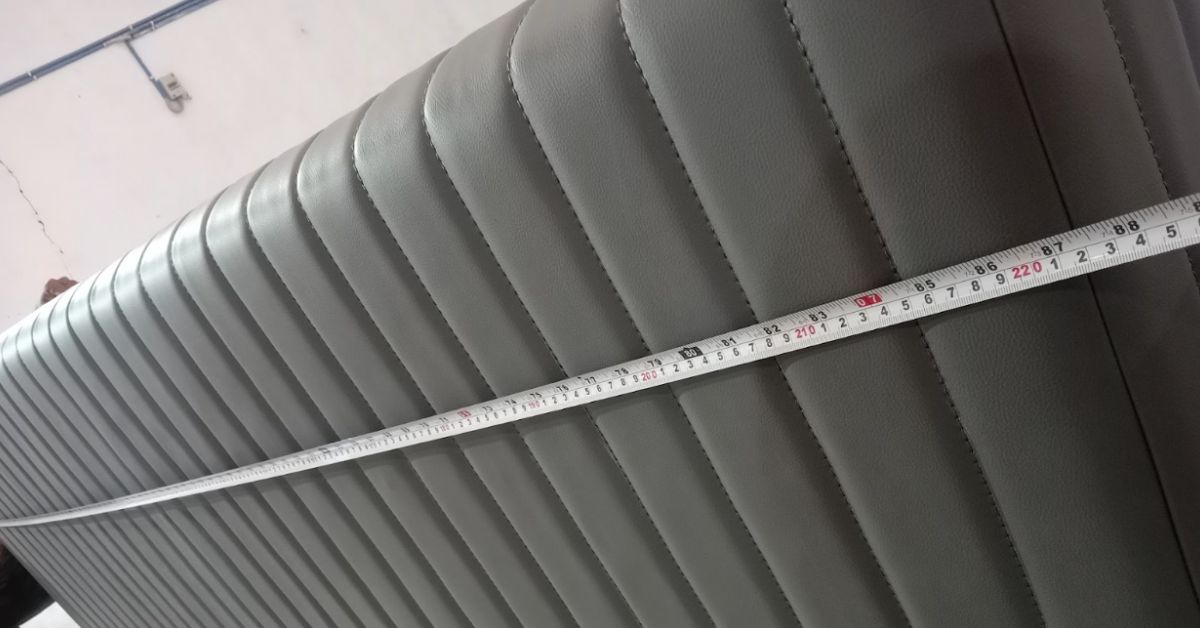
Quality assurance in furniture procurement includes three checkpoints: pre-production (materials and finishes verification), in-line (dimension accuracy during manufacturing), and pre-dispatch (final product matching and packaging inspection). These quality gates significantly reduce rework and site surprises, ensuring products match approved samples before leaving the factory.
Here are the three QA checkpoints that differentiate a professional procurement partner from a simple sourcing agent:
Pre-Production Check (Materials, Finishes, Joinery Standards)
Before manufacturing starts, your procurement partner verifies:
- Material Match: Is the wood grade, laminate brand, fabric type, or metal finish the same as the approved sample? Vendors sometimes substitute lower-grade materials to save costs. This check catches it.
- Finish Specification Standards: Are finish codes, color tones, and textures documented and matched against physical samples? Finish mismatches are the most common complaint in commercial projects.
- Joinery and Construction Method: For custom furniture, is the joinery method (dowel, mortise-tenon, biscuit joints) as per approved drawings? Are hardware fittings, hinges, and slides the specified brands?
- Compliance Documentation: For projects requiring fire-retardant fabrics, formaldehyde-free boards, or specific certifications, documentation is verified before production begins.
This pre-production checkpoint ensures you're not halfway through manufacturing before discovering a critical error.
In-Line Check (Dimensions, Finish Matching, Hardware)
Once manufacturing is underway (typically at 50-70% completion), an in-line inspection covers:
- Dimension Accuracy: Are table heights, chair widths, cabinet depths, and overall dimensions within tolerance? Even 10mm errors in modular furniture can cause installation problems.
- Finish Consistency: Are all pieces from the same batch maintaining color and texture consistency? Batch-to-batch variations are common and need to be flagged early.
- Hardware Functionality: Do drawers slide smoothly? Are the hinges aligned? Do locking mechanisms work correctly? Checking this during production allows time for corrections.
- Edge Banding and Surface Quality: Are edges sealed properly? Any scratches, dents, or surface defects? These are easier to fix during production than after packaging.
In-line checks give you visibility into the manufacturing process and allow corrections before it's too late.
Pre-Dispatch Check (Edge Protection, Labeling, Moisture, Cartons)
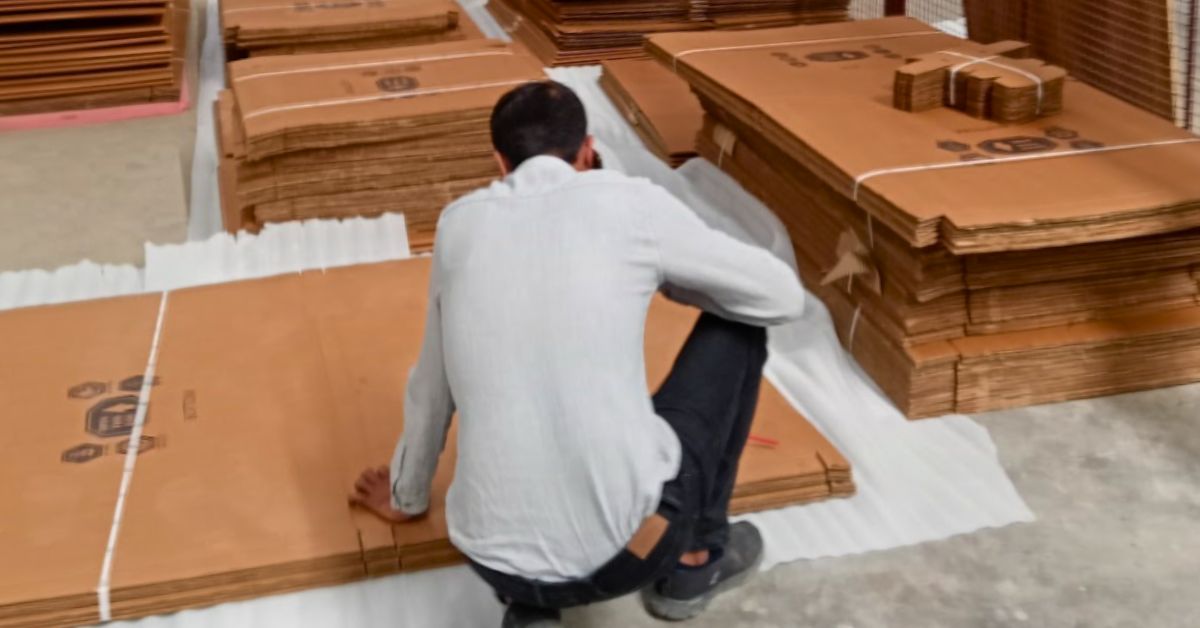
This final checkpoint happens before products leave the factory:
- Final Product Matching: A side-by-side comparison with approved samples to confirm finish, dimensions, and hardware.
- Packaging Adequacy: Are edges protected with foam or cardboard? Is bubble wrap used for glass/fragile elements? Are moisture barriers included for long-distance transport or storage?
- Carton Strength and Labeling: Are cartons strong enough for the product weight? Are labels clear with product codes, site locations, and handling instructions?
- Quantity and Documentation Match: Does the physical count match the packing list? Are all accessories, assembly instructions, and warranty cards included?
- Container Loading Inspection: For consolidated shipments, is loading done systematically to prevent damage during transit? Are heavier items at the bottom? Is the load secured?
This pre-dispatch check is your last line of defense before products enter the supply chain. Once they're in transit, fixing problems becomes expensive and time-consuming.
What You Receive: Sample Deliverables
When you work with a professional procurement partner, you receive documented proof at every stage:
QC Inspection Reports (Pre-production, In-line, Pre-dispatch)
- Material verification checklist with photo documentation
- Dimension accuracy reports with tolerance checks
- Finish matching confirmations against approved samples
- Packaging adequacy assessment with labeling standards
Production Tracker
- Weekly milestone updates across all vendors
- Material procurement status
- In-progress completion percentages
- Flagged delays with proposed solutions
Dispatch Documentation
- Consolidated packing lists with product codes
- Carton labeling standards (site location, handling instructions)
- Container loading plan with weight distribution
- GPS tracking details and delivery schedule
Site Coordination Checklist
- Storage area readiness confirmation
- Access clearance (lift timings, loading dock hours)
- Unloading team arrangements
- Installation sequence plan
Snag List and Warranty Handover
- Punch list tracking (finish touch-ups, minor rework)
- Warranty documentation per product category
- After-sales contact details
- Replacement protocol for defects
[Note: Sample screenshots and checklists are shared during project discussions to demonstrate our documentation standards.]
Cost Clarity: How Furniture Procurement Pricing Usually Works
Furniture procurement fees typically include vendor shortlisting, sampling, three-stage quality checks, production tracking, consolidation planning, and delivery coordination. Freight, customs, installation, and storage are usually extra.
Transparency in pricing is crucial. Here's how procurement services typically structure their fees:
Model 1: Per-Project Fee or Retainer
You pay a fixed fee or a monthly retainer to manage your entire project. This model works well for large commercial projects (offices, hotels, retail chains) where the scope is clear upfront. Typical ranges are project-dependent, generally 5-12% of the total furniture budget, varying by project complexity, number of vendors, and geography coverage.
Model 2: Per-Category Management Fee
If your project involves multiple categories (seating, workstations, soft furnishings, lighting, artwork), you can opt for category-wise management fees. This allows flexibility if you want to handle some categories internally.
Model 3: Inspection and QC-Based Fees
For projects where you're directly managing vendors but need independent quality checks, procurement companies offer inspection-only services. This is charged per inspection (pre-production, in-line, pre-dispatch) or as a flat fee per vendor. Typical ranges (project-dependent): Rs. 15,000-40,000 per inspection, depending on location and complexity.
Model 4: Value-Added Commission on Savings
Some procurement partners work on a hybrid model: a smaller base fee plus a percentage of any cost savings they achieve through better vendor negotiations, consolidation efficiencies, or material alternatives. This aligns incentives but requires clear baseline pricing documentation.
What's Typically Included:
- Vendor identification and shortlisting
- Sampling and mockup coordination
- Quality inspections (all three stages)
- Production tracking and timeline management
- Packaging and consolidation planning
- Delivery coordination support
- Documentation and warranty management
What's Usually Extra:
- Freight costs (factory to site)
- Customs duty and import documentation charges (for international sourcing)
- Installation labor (unless bundled)
- Storage costs (if products arrive before the site is ready)
- Rework or corrections due to design changes after production starts
Pricing varies by scope, categories, number of vendors, and geography. We share a transparent breakup after BOQ review.
Procurement vs Other Options: What's the Difference?
Procurement Partner vs Dealer
Dealer: Sells specific brands or products they stock. Limited to their inventory and margins are fixed.
Procurement Partner: Product-agnostic. Selects vendors based on your exact requirements. Includes factory-level QC, production tracking, multi-vendor coordination, and installation support that dealers don't provide.
Procurement Partner vs Marketplace
Marketplace: Online catalog with pricing. You manage vendor selection, quality checks, delivery coordination, and installation separately.
Procurement Partner: End-to-end management from sampling to site handover. Quality gates at factory level. Single point of contact for 8-15 vendors. Consolidation and logistics coordination included.
Procurement Partner vs In-House Buying Team
In-House Team: Works well for small projects or when you have dedicated procurement staff with vendor networks and QC expertise.
Procurement Partner: Makes sense when your team lacks bandwidth, vendor networks, or factory audit capabilities. Scales up/down based on project needs without permanent headcount.
Common Risks (And How We Reduce Them)
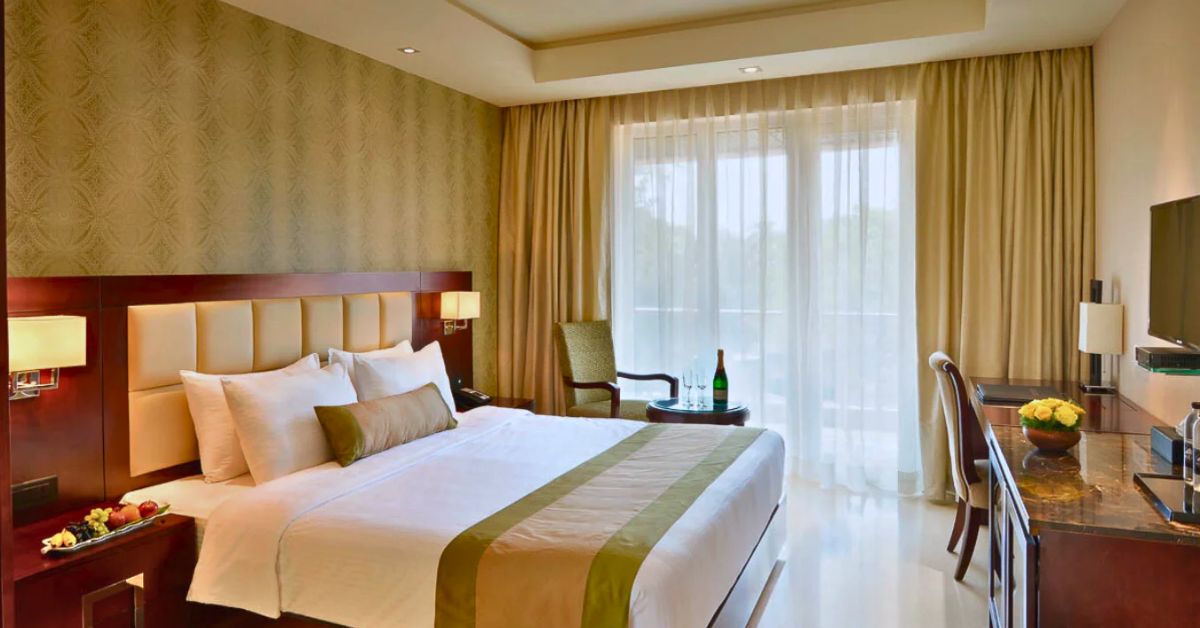
Commercial furniture projects face risks like finish mismatches, dimension errors, delivery delays, and packaging damage. Professional procurement partners prevent these through pre-production material approval, in-line dimensional checks, weekly production tracking, pre-dispatch packaging inspections, backup vendor identification, and strict change management processes with documented escalation plans.
Every commercial furniture project faces predictable risks. Here's how a professional procurement partner mitigates them:
Risk | Cause | Prevention | Backup Plan |
Finish mismatches | Batch variations, lighting differences, vendor substitutions | Pre-production material approval, in-line checks, controlled lighting for QC | Replacement units from the same batch, refinishing on-site (for minor issues) |
Dimension errors | Incorrect drawings, miscommunication, manufacturing tolerance issues | Detailed tech pack with tolerance limits, in-line dimensional checks | Minor trimming/adjustments on site, full replacement for major errors |
Delivery delays | Production slippages, logistics issues, documentation delays | Weekly production tracking, buffer timelines, backup vendors identified | Expedited shipping for critical items, phased delivery to prioritize urgent areas |
Packaging damage during transit | Inadequate protection, rough handling, long-distance transport | Pre-dispatch packaging checks, proper labeling, GPS tracking during transit | Insurance claims, replacement units dispatched immediately |
Vendor capacity issues mid-project | Concurrent orders, labor shortages, material supply problems | Factory capacity audits before commitment, production agreements with penalty clauses | Pre-identified backup vendors, order splitting across factories |
Quality lapses (scratches, dents, defects) | Poor quality control at factory, inadequate final checks | Three-stage QA checkpoints, reject/rework logs, photographic documentation | On-site touch-up kits, vendor-arranged replacement for major defects |
Installation coordination failures | Site not ready, missing assembly instructions, wrong installation sequence | Site readiness checklist, pre-delivery coordination calls, installation manuals | Installation support team on standby, vendor technicians on call |
Documentation and customs issues (imports) | Incorrect HS codes, missing certificates, duty calculation errors | Pre-shipment documentation review, customs broker coordination, compliance checks | Expedited corrections, direct liaison with customs officials |
Specification changes after production starts | Design revisions, client preference changes, site constraint discovery | Strict change management process, cost/timeline impact analysis before approval | Absorb minor changes, reset timelines for major changes with client approval |
Cost overruns | Hidden charges, currency fluctuations (imports), freight increases | Detailed costing with contingency buffer, fixed-price contracts where possible | Value engineering alternatives, phased procurement to spread costs |
The difference between a basic sourcing agent and a professional procurement company is this risk management framework. Problems still happen, but they're caught early and resolved systematically instead of becoming project-ending crises.
Documents You Need for Smooth Furniture Procurement
Well-prepared documentation reduces delays and disputes. Most procurement partners will ask for:
Bill of Quantities (BOQ) Template: A detailed list of all furniture items with quantities, specifications, preferred finishes, and budget allocations.
Finish Schedule: A document that maps every finish (laminate codes, fabric references, wood stains, powder coating colors, metal finishes) to specific furniture items. Include physical samples or high-resolution photos as a reference.
Specification Sheet (Per Category): Detailed specs for each furniture type: dimensions, materials, construction methods, hardware brands, compliance requirements, weight limits, and warranty expectations.
Packing and Labeling Guidelines: How should products be packaged? What protection is needed? How should cartons be labeled (by room type, floor, zone)? What site-specific handling instructions are required?
Delivery Site Checklist: Site address, access constraints (elevator size, door widths, loading dock hours), storage area availability, unloading equipment, security protocols, and contact persons.
Technical Drawings (For Custom Items): Detailed fabrication drawings with dimensions, joinery details, material call-outs, and finish specifications.
Procurement RFP Template: If you're evaluating multiple procurement partners, a structured RFP helps you compare capabilities, timelines, costs, and quality processes fairly.
Having these documents ready before you engage a furniture procurement services India partner speeds up the entire process and reduces errors.
Scope We Commonly Manage
Our procurement coordination covers these product categories for commercial projects:
- Seating: Office chairs, lounge seating, task chairs, visitor chairs, cafeteria seating
- Workstations: Modular systems, executive desks, collaborative workstations, hot desks
- Storage and Casegoods: Filing systems, pedestals, credenzas, wardrobes, display units
- Built-in and Joinery Items: Reception desks, pantry units, service counters, millwork
- Soft Furnishings: Upholstered furniture, curtains, cushions, mattresses, headboards
- Consolidation and Packing Standards: Multi-vendor coordination, labeling protocols, and container loading
- Delivery Sequencing: Phased deliveries, site coordination, storage planning
- Installation Coordination: Assembly support, snag closure, warranty handover
This list reflects categories we actively manage. If your project includes specialty items, we'll confirm scope during BOQ review.
Where We Support Commercial Projects in India
Arcedior works as a single-window partner for furniture and interior product sourcing across India. Our coordination capabilities extend to:
Major Metro Projects: We support office, hospitality, retail, and institutional projects in Ahmedabad, Mumbai, Pune, Delhi NCR, Bengaluru, Hyderabad, Chennai, Kolkata, with deep vendor networks in each region.
Tier 2 and Emerging Cities: Our procurement coordination reaches Jaipur, Surat, Indore, Coimbatore, Kochi, Lucknow, Chandigarh, Visakhapatnam, where commercial real estate is growing rapidly, but vendor options are often limited.
Hospitality Hubs: For hotel projects, we have specialized experience in Goa, Udaipur, Jaisalmer, Kerala, Rishikesh, and other tourism-centric destinations where logistics can be challenging.
Multi-Site Rollouts: Whether you're opening 10 retail stores pan-India or furnishing 15 office branches simultaneously, our coordination systems handle multi-city delivery, quality consistency, and timeline synchronization.
Export-Ready Consolidation: For projects requiring international shipment of Indian-manufactured furniture (for overseas properties or global retail chains), we coordinate export-grade packaging, documentation, and container consolidation from Indian ports.
When coordinating deliveries across Indian cities, we account for these common site constraints:
- Lift timings and access windows (restricted hours in malls, offices, residential complexes)
- Night delivery requirements (metro cities with daytime traffic restrictions)
- Basement and loading dock access limits (height clearance, turning radius, unloading space)
- Storage area constraints (phased deliveries when on-site storage is limited)
- Phased handover schedules (coordinating with civil/MEP/flooring completion timelines)
- Security and documentation protocols (gate passes, vehicle registration, contractor badges)
Our role is to bring single-window coordination to your furniture procurement in India, regardless of geography, project scale, or product complexity.
What Happens After You Enquire?
Here's how we move from enquiry to execution:
Step 1: We share our procurement workflow + checklist (tailored to your project type)
Step 2: Review your BOQ, specifications, and finish references together
Step 3: Recommend vendor plan + realistic timelines based on your project constraints
Step 4: Agree on QC gates + dispatch plan + documentation standards
Step 5: Start sampling + production tracking with weekly updates
Step 6: Coordinate delivery, installation support, and warranty handover
No long sales cycles. We move quickly from enquiry to action plan because we understand commercial project timelines.
Talk to a Furniture Procurement Specialist
Every commercial furniture project has unique requirements. Whether you're furnishing a 50,000 sq ft office, a 200-key hotel, a 20-store retail rollout, or an institutional campus, having a clear procurement process makes the difference between finishing on time with quality or dealing with expensive delays and rework.
We don't do design or turnkey fitouts. Our role starts after your BOQ, drawings, specifications, and finish references are ready. We take over global sourcing of interior products, custom and contract manufacturing, quality checks at every stage, logistics coordination, and installation support, so your approved design is executed correctly on site.
If you're evaluating furniture procurement companies in India for your next project, let's talk about your specific requirements. We'll share a detailed workflow, realistic timelines, and a transparent cost breakdown so you can make an informed decision.
ask for our complete procurement workflow by reaching out on WhatsApp or through the contact form.
We support commercial projects across Ahmedabad, Mumbai, Pune, Delhi NCR, Bengaluru, Hyderabad, Chennai, and 20+ other Indian cities with single-window coordination for furniture and interior product sourcing, custom manufacturing, QC, logistics, and installation support.
Let's make your project finish beautifully without the operational chaos.
FAQs
What is a furniture procurement company in India?
A furniture procurement company manages furniture supply for commercial projects: vendor selection, sampling, production tracking, 3-stage quality checks, dispatch planning, and delivery coordination. The goal is to have a single partner manage the supply chain from factory to site, avoiding delays and quality surprises.
How is furniture procurement different from buying from a dealer?
Dealers sell specific brands they stock or represent. A procurement company is product-agnostic and selects vendors based on your exact requirements. Procurement includes factory QC, production tracking, multi-vendor coordination, and installation support that dealers don't provide.
Do you handle quality checks before dispatch?
Yes. We conduct three-stage quality checks: pre-production (material and finish verification), in-line (during manufacturing), and pre-dispatch (final product inspection and packaging check). This significantly reduces rework and ensures products match approved samples before leaving the factory.
How do you shortlist manufacturers and vendors in India?
We evaluate factories on technical capability, production capacity, past project experience, quality systems, and financial stability. This includes factory visits, sample reviews, and reference checks. Only vendors meeting all criteria are recommended for your project.
What documents should I include in a furniture procurement RFP?
Include: project overview, detailed BOQ with quantities, finish schedule with references, budget parameters, timeline expectations, quality requirements, delivery site constraints, and evaluation criteria.
How long does custom furniture manufacturing usually take?
Simple customization takes 4-6 weeks. Complex custom designs require 8-12 weeks. If new tooling or molds are needed, add 2-4 weeks. Bulk quantities may need 10-14 weeks. Your procurement partner maps these timelines to your project schedule upfront.
Can you manage multiple vendors and consolidated deliveries?
Yes. Multi-vendor coordination is core to procurement. We manage production timelines across 8-15 vendors simultaneously, consolidate shipments to reduce freight costs, and synchronize deliveries so products arrive in the right sequence. Critical for multi-site or phased projects.
Do you support pan-India delivery coordination?
We coordinate deliveries across all major Indian cities and many tier-2 locations. This includes tracking shipments, coordinating with site teams, managing last-mile logistics, and handling access or storage constraints. For multi-city rollouts, we synchronize deliveries within the same week.
What is FF&E procurement, and who needs it?
FF&E (Furniture, Fixtures, Equipment) procurement is used in hospitality and large commercial projects to manage sourcing, QC, and delivery of all movable interior elements: furniture, lighting, artwork, soft furnishings, and equipment. Coordinated across multiple product categories and vendors.
Do you work with international suppliers if needed?
Yes. For products requiring international sourcing (specific finishes, technologies not available in India), we coordinate with suppliers in Europe, Southeast Asia, and China. This includes sampling, production oversight, shipping coordination, customs clearance, and import documentation as part of our single-window service.