Furniture Sourcing Partner for Interior Designers | Process + QC

Furniture Sourcing Partner for Interior Designers: Backend Sourcing Model (Process, QC, Lead Time)
You've finalized the design, the client loves it, and the BOQ is ready. Then comes the chaos: chasing 15 vendors for quotes, waiting for the right finish sample, dealing with delayed shipments, discovering damage on-site, and scrambling to coordinate installation timing. Sound familiar?
A furniture sourcing partner for interior designers works behind your studio to run quotes, procurement, QC, shipping, and delivery coordination, while you approve samples and keep client ownership. The result? Your approved specifications reach the site on time, in the right finish, without the vendor follow-up nightmare.
What Interior Designers Need to Know About Working With a Furniture Sourcing Partner
A furniture sourcing partner helps interior designers execute FF&E without vendor chaos. The designer keeps creative control and client ownership, while the partner manages vendor shortlisting, quotes, purchase orders, production tracking, quality checks, shipping, and installation coordination so the approved specs reach the site on time.
What a Furniture Sourcing Partner Does (And What They Don't)
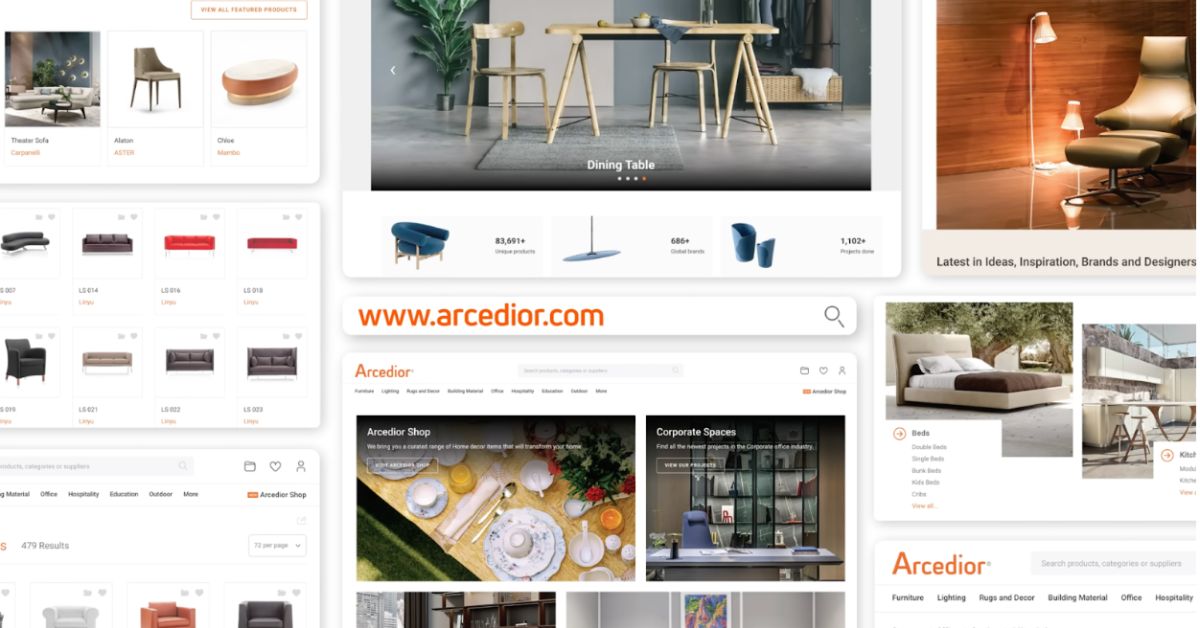
Let's clear up the confusion right away. A furniture sourcing partner is not a design studio or turnkey contractor. They don't create your concepts or take over your client relationships. They're your backend procurement team, working behind your brand to execute what you've already designed.
What We Handle (Backend Execution)
When you work with a global furniture sourcing partner, here's what moves off your plate:
- Requirement analysis: We review your BOQ, specifications, quantities, budget bands, and target timeline
- Supplier shortlisting: We identify qualified vendors and provide alternates based on your reference levels and feasibility
- Quote comparisons: We run RFQs and present apples-to-apples pricing so you can make informed decisions
- Procurement coordination: We manage POs, contracts, and vendor communication throughout production
- Production tracking: You get milestone updates instead of chasing factories for status
- QC checks with evidence: Pre-shipment inspection happens before anything leaves the factory, with photo and video documentation
- Packaging and shipping: Export-grade packing standards, customs documentation, and freight coordination
- Installation coordination support: We sync delivery schedules with your site team so products arrive when the site is ready
What Stays With the Designer
You maintain full creative control. Specifically:
- Concept and selections: All design decisions, material choices, and finish selections remain yours
- Client communication: You own the client relationship and all client-facing touchpoints
- Final approvals: Samples, mockups, and finish matching require your sign-off before production begins
The model is simple: you lead on design, we execute on procurement. No creative compromise, just backend support.
Sourcing vs Procurement: Why the Difference Matters
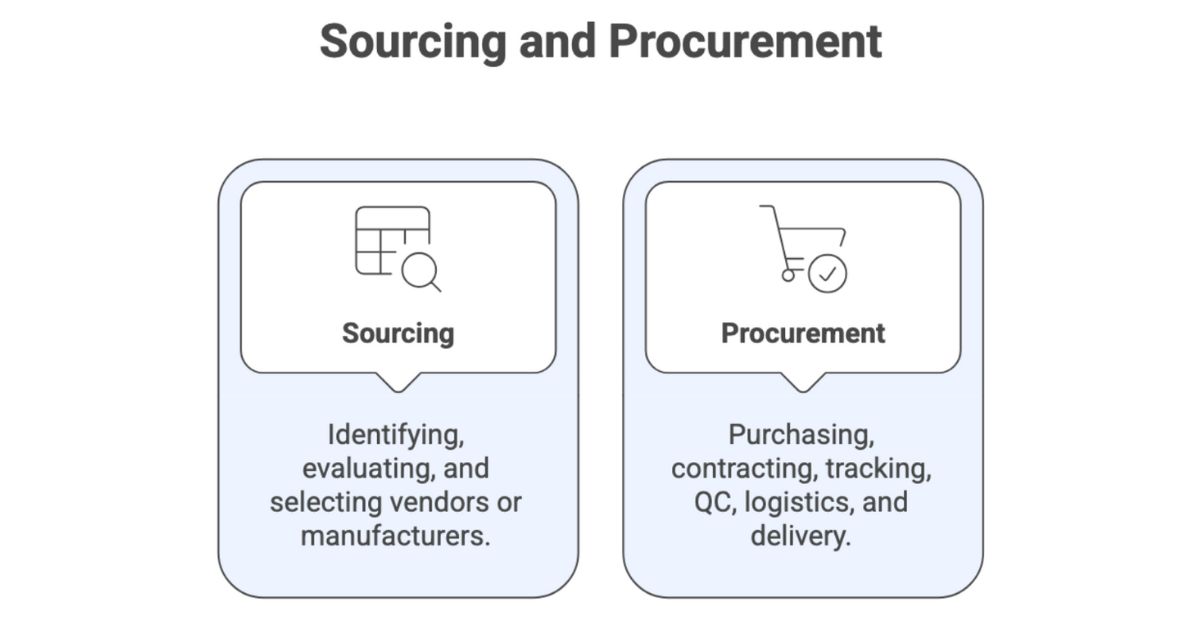
If you're wondering whether you need "sourcing" or "procurement," here's the distinction that affects timelines and accountability:
Sourcing vs Procurement (Quick Definition)
- Sourcing = shortlist + evaluate suppliers
- Procurement = PO + tracking + QC + shipping + delivery coordination
- Backend sourcing model = sourcing + procurement under one owner (your partner)
Sourcing is the discovery phase. It's about identifying potential suppliers, evaluating their capabilities, comparing quality levels, and understanding what's feasible within your budget and timeline. Think of it as the research and vetting stage.
Procurement is the execution phase. Once suppliers are selected, furniture procurement for interior designers covers purchase orders, contract terms, payment schedules, production tracking, documentation, and coordination until the product reaches your site.
In other words: Sourcing finds who can make it. Procurement ensures it’s made right, on time, and delivered safely.
Most projects require both. You need vendors who can deliver on your specs (sourcing), and you need someone to manage them through production, QC, and delivery (procurement). A furniture sourcing partner handles the full cycle, so you're not switching between multiple coordinators or losing accountability in handoffs.
The Collaboration Workflow: 8 Steps From BOQ to Installation
Here's how interior designers work with a furniture sourcing partner in practice. This furniture procurement process for designers is built to minimize surprises and keep you in control.
Step 1: Kickoff and Requirement Capture
You share your BOQ or specification list, reference images, finish details, quantities, site location, and target handover date. We also discuss budget bands per category, and even rough ranges help us shortlist vendors who match your project level.
Step 2: Vendor Shortlist + Alternates
Based on your specifications and feasibility, we identify qualified suppliers. You get a shortlist of primary options plus alternates (crucial for custom furniture manufacturing or tight timelines). We flag any potential constraints upfront, like material availability or lead time risks.
Step 3: RFQs and Quote Comparison
We run the RFQ process for custom furniture and compile quotes in a comparison table. This eliminates the back-and-forth of gathering quotes yourself and ensures you're comparing the same specifications across vendors, no hidden exclusions or mismatched scopes.
Step 4: Sampling, Mockups, and Approvals
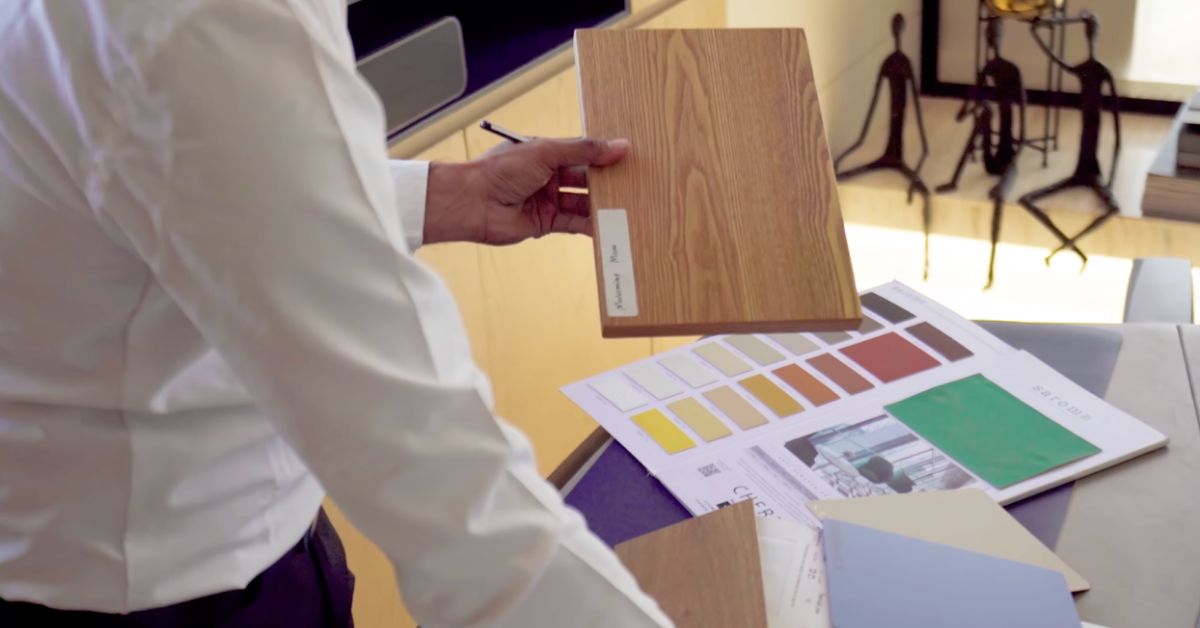
Before any production begins, you review physical samples or mockups. This is where finish matching happens. We don't proceed until you've approved the shade, texture, hardware, and any dimensional mockups. This step prevents the most common procurement mistake: approving without seeing and touching the actual material.
Step 5: Order Placement and Production Plan
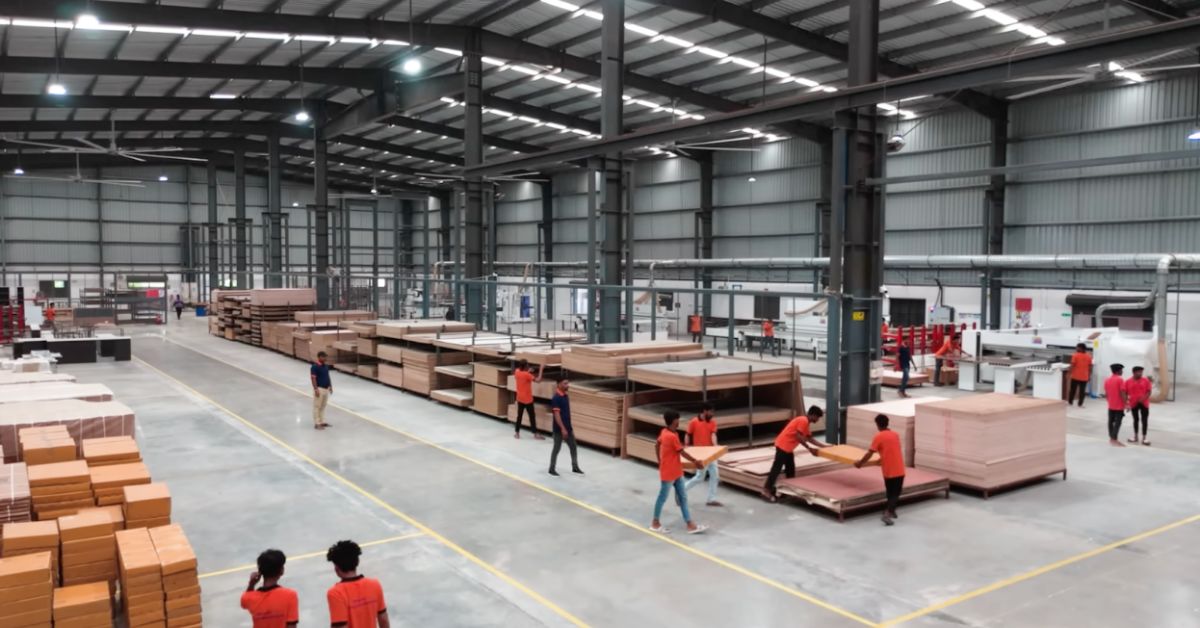
Once approvals are locked, we issue purchase orders and establish a production plan with clear milestones. You're not chasing updates; we provide regular tracking so you know where each item stands.
Step 6: QC Checkpoints (In-Process + Pre-Dispatch)
Quality control for furniture procurement happens at two stages. In-process checks catch issues early (dimension deviations, finish inconsistencies). Pre-shipment inspection is the final gate before packing; nothing ships until it passes our QC checklist, and you've seen the evidence.
Step 7: Packing, Shipping, and Documentation
Export packaging standards matter. We coordinate edge protection, corner guards, moisture barriers, and proper crating to reduce damage risk. We also handle customs documentation, freight booking, and shipping coordination so your furniture logistics run smoothly across countries if needed.
Step 8: Delivery Sequencing and Installation Coordination
We sync delivery timing with your site readiness and coordinate with your contractor or installation team. Products arrive in the right sequence, by floor, by zone, or by phase, so your site doesn't turn into a chaotic storage yard.
What You Get (Every Project)
Process Proof: The System Behind Every Project
- Quote comparison sheet (apples-to-apples)
- Weekly production tracker (milestones + dates)
- QC evidence pack (photos/videos + checklist)
- Delivery sequencing plan (floor/zone/site readiness)
BOQ Checklist: What Designers Should Share to Get Accurate Quotes Fast
The faster we have clear inputs, the faster we can move. Here's what helps eliminate delays and ensures accurate furniture sourcing quotes:
BOQ Checklist for Designers:
- Item, qty, size, material, finish code, reference image: Specify exact dimensions, quantities, material types (teak veneer, laminate, fabric), and finish codes with reference visuals
- Hardware spec (hinges/sliders): Soft-close hinges, standard sliders, push-to-open mechanisms—these affect cost and lead time
- Tolerance expectation (± mm): Define acceptable dimensional variance (±5mm, ±10mm) to prevent disputes during QC
- Delivery city + access: Site location, floor access, lift availability, and unloading constraints impact logistics planning
- Target date + phasing: Overall handover date plus phased delivery schedules if you're coordinating by floor or zone
Additional Helpful Information:
- Budget bands per category: Even rough ranges (low/mid/high) help us shortlist appropriate vendors
- Compliance needs: If your project requires commercial-grade durability, hospitality-grade finishes, fire-rated options, or specific certifications, flag these early
Lead Time Breakdown: What to Expect at Each Stage
Understanding how long custom furniture manufacturing takes helps you set realistic client expectations. Here's a typical timeline for furniture procurement:
Stage-Wise Timeline
- Sampling and approvals: 7–14 days (depends on how quickly samples arrive and you review them)
- Production: 4–8 weeks (varies by complexity, material availability, and order size)
- QC and packing: 3–5 days (includes pre-shipment inspection, photo/video documentation, and export-grade packaging)
- Shipping: 1–6 weeks (depends on origin, destination, and mode, air freight vs sea freight)
- Site delivery and installation coordination: Timing depends on site readiness and installer availability
What Affects Lead Time in Furniture Procurement
Delays usually come from five sources:
- Late approvals: Every day a sample sits waiting for sign-off adds to the backend timeline
- Changing specs mid-production: Altering finishes or dimensions after PO issuance restarts the clock
- Unclear BOQ details: Missing hardware specs, tolerance ranges, or finish codes cause rework
- Material availability: Certain veneers, fabrics, or hardware may have longer lead times
- Site readiness: If the site isn't ready to receive products, delivery has to wait, plan storage, or phased delivery in advance
The best way to control lead time? Lock approvals early, communicate changes immediately, and coordinate site readiness with your procurement timeline.
QC Checklist Before Dispatch: What Gets Inspected
A professional furniture sourcing partner conducts pre-shipment inspection using a documented checklist:
- Dimension checks against the approved BOQ
- Finish and material matching to approved samples
- Tolerance checks and alignment
- Hardware testing (hinges, sliders, drawers)
- Surface inspection (scratches, dents, stains)
- Stability and durability checks (hospitality-grade / commercial-grade)
- Export packaging validation
- Edge protection
- Corner guards
- Moisture protection
- Photo and video evidence shared before dispatch
This is how designers avoid wrong finishes, damage, and replacements.
Logistics, Shipping, and Last-Mile Delivery: What Designers Should Watch
Even if procurement goes perfectly, poor logistics can undo everything. Here's what matters for furniture shipping and installation coordination:
Why Export-Grade Packaging Matters
Furniture travels through multiple hands, from the factory to port, port to customs, customs to the site. Without proper export packaging (edge protection, corner guards, moisture barriers, and secure crating), damage is almost guaranteed. We follow strict packing standards because rework and replacement eat into your timeline and budget.
Delivery Sequencing by Floor or Zone
Dumping all furniture at once creates site chaos. We coordinate delivery in phases, by floor, by zone, or by room type, so your installation team can work systematically. This is especially critical for multi-floor hospitality or commercial office projects.
Storage and Site Protection Basics
If products arrive before the site is ready, you need a storage plan. We help coordinate temporary storage or staged delivery to avoid on-site damage from construction dust, moisture, or accidental hits during other trades' work.
Installation Coordination Support With Your Site Team
We don't install (that's your contractor's role), but we coordinate timing, provide installation guidelines where needed, and ensure your team has what they need: hardware kits, assembly instructions, and touch-up materials. The goal: smooth handover with no last-minute surprises.
Global Projects (India, Dubai/UAE, Saudi Arabia/KSA): How Backend Sourcing Works Across Locations
Working across India, Dubai, the UAE, and Saudi Arabia requires different route logic, but the backend sourcing model stays consistent.
What Changes by Location:
Route logic varies depending on whether you're sourcing locally (within India, UAE, or KSA) or combining local + export routes. For example, custom millwork might ship from India to Dubai, while upholstery is sourced locally in the UAE to reduce lead time.
Documentation and lead time shift based on customs requirements, duty structures, and freight mode. Air freight from India to Dubai takes 5–7 days, while sea freight to Saudi Arabia can take 3–4 weeks. We handle all customs clearance, duty calculations, and export documentation.
Shipping mode depends on urgency and budget. High-priority items or samples often go via air, while bulk shipments use sea freight to optimize cost.
What Stays the Same:
QC standards remain identical regardless of location. Pre-shipment inspection, photo/video evidence, and export-grade packaging apply to every project, whether shipping within India or internationally to Dubai or KSA.
Approvals and tracking follow the same process. You approve samples, review production milestones, and receive QC evidence before dispatch, no matter the destination.
Delivery sequencing coordination works the same way across geographies. We sync with your site team to ensure phased delivery by floor, zone, or schedule, preventing storage chaos or on-site damage.
Whether your project is in Mumbai, Dubai, Riyadh, or Jeddah, the backend workflow, accountability, and quality checkpoints remain consistent. Only the logistics, routing, and documentation adapt to local requirements.
When Should a Design Studio Use a Furniture Sourcing Partner?
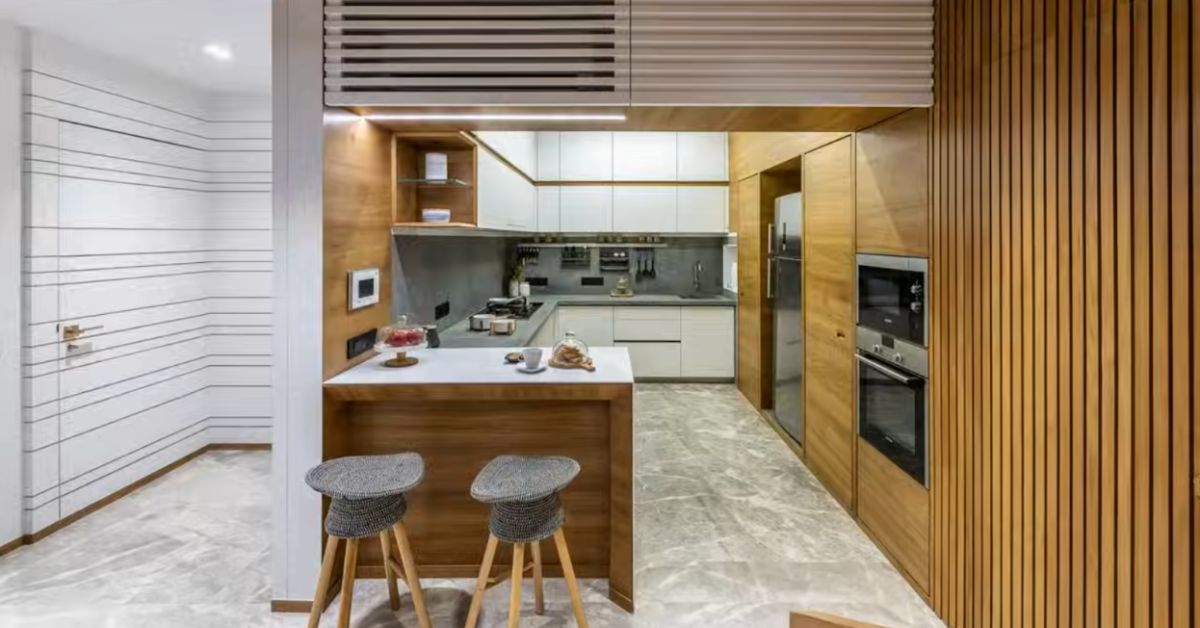
Not every project needs a procurement partner. But if any of these sound familiar, it's time to consider backend sourcing support:
- Multi-city or global sourcing: Your project requires furniture from multiple countries, and coordinating vendors across geographies is getting messy
- Custom or contract furniture involved: Bespoke pieces, hospitality-grade durability, or commercial furniture sourcing for office interiors require manufacturing oversight and QC
- Tight deadline or phased handover: You can't afford delays, and you need someone managing production milestones actively
- High-volume BOQs: Large projects with 50+ line items mean too many vendors, too many follow-ups, and too much room for error
- Past pain with rework, damage, wrong finishes, or delays: If you've been burned before by vendors who didn't deliver as promised, a sourcing partner adds accountability and quality control
Essentially, when vendor coordination starts eating into your design time, or when mistakes start affecting your reputation, it's time to bring in backend procurement support.
Common Mistakes in Furniture Procurement (And How to Avoid Them)
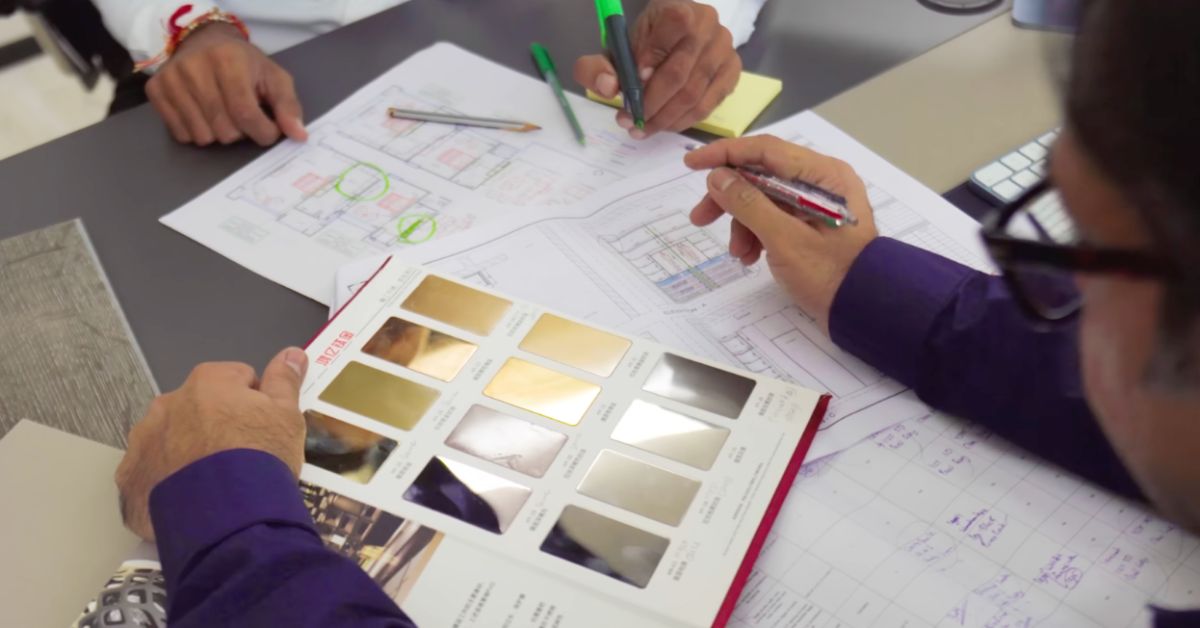
Even experienced designers hit these pitfalls. Here's what to watch for:
Approving Without a Physical Sample or Mockup
Digital renderings and material codes aren't enough. Finishes look different under natural light, textures vary by batch, and hardware feel matters. Always insist on physical samples before production. This is the single biggest mistake in the sampling and approval process.
Mixing Specifications Across Vendors
If three vendors are quoting on "dining chairs," make sure they're quoting the same specs: dimensions, materials, finish, and hardware. Otherwise, your quote comparison is meaningless, and you'll face mismatches on-site.
Missing Tolerance and Hardware Details in BOQ
"Teak veneer dining table, 2400mm" isn't enough. You need tolerances (±5mm?), edge detail (beveled, square?), finish type (matte, satin?), and hardware specs (soft-close hinges, standard?). Missing details cause rework and delays.
Not Planning, Packaging, and Site Readiness
Furniture can survive production perfectly and still arrive damaged if the packaging is weak. Equally, delivering too early (before the site is ready) leads to on-site damage from other trades. Plan both.
No QC Evidence Before Dispatch
"Trust us, it's perfect" isn't acceptable. Insist on photo and video QC evidence before anything ships. If issues exist, you want to catch them at the factory, not on-site.
Ready to Execute Your Next Project Without Vendor Chaos?
If you're tired of chasing vendors, dealing with wrong finishes, and managing last-minute delivery surprises, it's time to work with a backend partner who handles procurement while you focus on design.
Share your BOQ, specifications, project city, and target handover date. We'll reply with:
- Sourcing options (routes + alternates)
- Lead time plan (milestones)
- QC checkpoints + logistics plan
📞 Start a Requirement: +91 6353 673 040 | WhatsApp Us
Works behind your studio. You keep client ownership and final approvals.
Arcedior is a global sourcing and custom manufacturing partner for interior projects. We support interior designers, architects, developers, and hospitality groups with furniture and interior product sourcing, quality control, logistics, and installation coordination, so your approved designs reach the site on time, as specified.
FAQs
How do interior designers work with a furniture sourcing partner?
Interior designers share their BOQ, specifications, budget, and timeline with the sourcing partner. The partner handles vendor shortlisting, RFQ coordination, purchase orders, production tracking, pre-shipment quality checks, export packaging, shipping, and installation coordination.
The designer maintains full creative control, approves all samples and finishes, and owns client communication. This backend sourcing model lets designers focus on design while the partner executes procurement logistics.
What does a furniture sourcing partner do for interior designers?
A furniture sourcing partner manages the complete FF&E procurement cycle behind your brand. They identify qualified suppliers globally, run quote comparisons, coordinate purchase orders, track manufacturing milestones, and conduct pre-shipment inspections with photo/video evidence.
They also handle export packaging and customs documentation, coordinate freight logistics, and sync delivery timing with your site team. You stay focused on design decisions and client relationships while they handle vendor management and quality control.
Do I lose creative control if I use a procurement partner?
No. You maintain complete creative control over design concepts, material selections, finishes, and all client-facing decisions. The procurement partner executes what you've designed—they don't make design choices.
Every sample, mockup, and finish requires your approval before production starts. They work behind your brand as your backend execution team, not as co-designers. Your client sees only your studio, while the partner manages the vendor chaos in the background.
What QC checks should happen before furniture ships?
Pre-shipment inspection must include dimension verification against BOQ tolerances, finish matching to approved samples, and hardware functionality testing for hinges, sliders, and drawer mechanisms.
Surface inspection covers scratches, dents, or polish defects, while export packaging verification ensures edge protection, corner guards, and moisture barriers are in place. Insist on photo and video QC evidence before dispatch. This quality control for furniture procurement prevents on-site surprises and reduces damage claims significantly.
How long does custom furniture manufacturing take?
Custom furniture lead time typically spans 8 to 16 weeks total. Sampling and approvals take 7–14 days, production runs 4–8 weeks, depending on complexity and order volume, and QC and export packaging require 3–5 days.
Shipping ranges from 1–6 weeks based on origin, destination, and freight mode. Add buffer time for site readiness and installation coordination. Projects with unclear specifications, late approvals, or material unavailability face longer timelines.
Can a sourcing partner handle shipping, customs, and delivery for global projects?
Yes. A global furniture sourcing partner coordinates export packaging standards, freight booking across air and sea modes, customs clearance documentation, and duty calculations.
They manage cross-border furniture shipping for projects in India, Dubai, Saudi Arabia, and other regions. They also sync delivery sequencing with your site schedule to prevent storage issues or on-site damage during construction phases.
How do I ensure the finish matches the approved sample?
Physical sample approval is mandatory before production starts. During pre-shipment inspection, the final product is physically compared against your approved shade card, veneer sample, or fabric swatch under proper lighting.
Any deviation triggers a flag before shipping. You receive photo and video evidence for remote confirmation. Never approve finishes based solely on digital renderings or supplier assurances; material finish matching requires tactile verification and controlled lighting conditions.
What information should I share to start working with a procurement partner?
Share your BOQ or specification list with dimensions, quantities, material and finish details, site location and access constraints, and budget bands per furniture category.
Include your target handover date and phasing schedule, plus any compliance requirements like commercial-grade durability, hospitality-grade finishes, or fire-rated certifications. Even a directional BOQ with reference images works for initial sourcing. Clear inputs eliminate delays and enable accurate lead time planning from day one.
Can a sourcing partner work behind my brand for client projects?
Yes. White-label procurement support is standard in the backend sourcing model for design studios. Your client sees only your studio branding and communication.
The sourcing partner operates invisibly, managing vendor relationships, quality checks, and logistics coordination. All documentation, tracking updates, and delivery coordination happen through your team. This preserves your client relationships while you benefit from procurement expertise and global supplier networks.
What are common mistakes designers make in furniture procurement?
The biggest mistakes include approving production without physical samples or mockups, mixing specifications across vendor quotes, making comparisons meaningless, and leaving out tolerance ranges and hardware details in BOQ documents.
Designers also skip pre-shipment inspection or accept it without photo evidence, and fail to plan export-grade packaging or site readiness timing. These errors cause wrong finishes, dimension mismatches, on-site damage, installation delays, and costly rework that damages client trust and project margins.