Global Furniture Procurement Partners for Interior Designers
Furniture Sourcing Partners for Interior Designers: You Create, We Manage Sourcing
Furniture sourcing partners for interior designers help studios execute FF&E without drowning in vendor follow-ups, quotes, production tracking, and shipping coordination. You lead the design; your sourcing partner runs procurement, QC, and logistics behind your brand.
Many design studios tell us they spend more time chasing vendors than creating designs. If you're an interior designer or architecture studio handling residential, hospitality, or commercial projects, you already know this truth: Design is only half the job. FF&E procurement and coordination decide whether projects finish smoothly or spiral into chaos.
This is exactly where furniture sourcing partners for interior designers come in.
They don’t replace your design.
They don’t talk over you to your client.
They simply take ownership of the backend sourcing, procurement, and coordination so your approved designs actually reach the site, on time and as promised.
Furniture sourcing partners for interior designers are backend procurement teams that execute FF&E procurement from BOQ to installation.
They handle:
- Vendor coordination, QC, logistics, and installation support
- Multi-brand and multi-country procurement
They do not: design, replace the designer, or manage the client.
Ready to reclaim your design time? Send us your past BOQ or current FF&E schedule to see how a sourcing partner can plug into your process, without changing your client relationships or design workflow.
The Real Problem Designers Face Isn't Design – It's Sourcing & Procurement
Most design studios don’t struggle with creativity. They struggle with everything that comes after the design is approved.
Endless vendor emails, quotes, and follow-ups
A single project can involve 20–50 vendors, each with different price formats, lead times, minimum order quantities, and payment terms. Many studios tell us they spend significant time each week on procurement rather than design work. For example, you've just finalized a beautiful hospitality project. Now you need to source 150+ furniture pieces from different vendors. That means chasing 20+ suppliers across different countries, each with their own quote formats, lead times, minimum order quantities, and payment terms.
Designers end up:
- Chasing quotations
- Comparing apples to oranges
- Following up on delayed responses
- Reconfirming specs repeatedly
This is not design work. This is backend sourcing labour.
Freight, duties, and damages that blow up timelines
Global brands, custom pieces, imports, they add value to your design, but also bring: come with hidden complexity:
- Customs delays
- Damaged goods
- Missing components
- Duties and taxes
- Replacement timelines
Even a single delayed or damaged item can impact installation sequencing and final handover.
Without a structured furniture procurement service for interior designers, timelines slip, and stress escalates.
Margin leakage from retail buying and untracked costs
When designers rely on retail buying or scattered trade discounts:
- Margins quietly disappear
- Logistics costs remain unaccounted for
- Small overruns snowball into big losses
Without a professional procurement process, it's nearly impossible to track actual costs versus budgeted costs across multiple projects. Many designers discover their actual margins are lower than projected, but after accounting for all the hidden sourcing costs, they're barely breaking even.
Admin work is stealing time from creative work
The harsh truth: if you're spending more time on vendor management and purchasing coordination than on design, you're not running a design studio, you're running a procurement operation that occasionally does design.
Every hour spent chasing purchase orders, checking production status, or coordinating with shipping agents is an hour you're not spending on client meetings, creative concepting, or business development.
This isn't just about efficiency. It's about what you started your design studio to do. You became a designer to create beautiful spaces, not to manage spreadsheets and freight forwarders. This is why many studios now outsource backend sourcing for interior designers instead of managing it in-house.
What Is a Furniture Sourcing Partner for Interior Designers?
A furniture sourcing partner for interior designers is a backend team that manages furniture and interior product procurement from BOQ to installation, based entirely on your approved designs, BOQs, and FF&E schedules.
You design. They execute sourcing.
They operate as your invisible operations team, ensuring products are:
- Manufactured correctly
- Quality-checked before dispatch
- Shipped, cleared, and delivered
- Coordinated for installation with your site team
How is it different from a trade program or a single brand
This distinction is critical because many designers confuse trade programs with sourcing partners.
Trade programs (SideDoor, DesignerInc, Four Hands, Castlery, OROA, or individual brand trade accounts):
- Focus on product catalogue access and discounts
- Limited to listed brands
- Minimal project-level coordination
You browse, you order, they ship. It's essentially retail with better pricing. You still need to coordinate multiple vendors if you're buying from multiple trade programs. You still handle quotes, purchase orders, and logistics yourself.
A furniture sourcing partner:
- Works across multiple brands, countries, and manufacturers
- Handles BOQ-driven FF&E procurement
- Manages QC, logistics, and installation coordination
- Supports complex, multi-vendor projects
They read your entire BOQ, source products from multiple brands and countries, get you alternates when your first choice isn't available, negotiate on your behalf, manage production across different manufacturers, conduct quality checks before dispatch, consolidate shipments to save costs, handle customs clearance, and coordinate with your site team for installation.
One is a shopping platform. The other is your procurement department.
What a sourcing partner handles, step by step
Here's the complete workflow a furniture sourcing partner manages for interior designers:
Step 1. Read BOQ / FF&E schedule
They take your bill of quantities, FF&E schedule, or even detailed moodboards and specifications, and understand exactly what you need, down to dimensions, materials, finishes, and quantities.
Step 2. Shortlist products & alternates
For each item in your BOQ, they identify multiple sourcing options across global brands and manufacturers. If your specified product is out of stock or over budget, they present alternatives that maintain your design intent.
Step 3. Get quotes, negotiate, confirm POs
They reach out to vendors, get detailed quotes including shipping and duties, negotiate better pricing using their collective procurement volume, and issue purchase orders on your behalf.
Step 4. Track production, do QC
They follow up with manufacturers throughout the production cycle, conduct quality inspections before dispatch (either in-person or through trusted QC partners), and ensure products meet your specifications.
Step 5. Manage shipping, customs, and last-mile delivery
They coordinate freight forwarding, handle customs documentation, consolidate orders from multiple vendors to reduce costs, and manage last-mile delivery to your project site.
Step 6. Coordinate with local installers/project teams
They work with your contractors, installers, or site teams to ensure smooth handover, coordinate delivery schedules around site readiness, and resolve any installation-related product issues.
You specify. They execute. That's the division of labor.
Why Interior Designers Choose Sourcing Partners Over Doing It Alone
More time for clients and creative work
In our experience working with designers across multi-vendor projects, procurement tasks can consume significant weekly hours. That's time you could be spending on client presentations, design development, new business pitches, or simply taking on more projects.
By outsourcing procurement operations, designers:
- Spend more time on design development
- Handle more projects simultaneously
- Reduce burnout in senior teams
Your value to clients isn't in knowing which freight forwarder has the best rates from Shanghai. Your value is in creating spaces that transform how they live or work.
Wider vendor access and trade-only products
Most design studios have relationships with 10-20 reliable vendors they use repeatedly. A professional sourcing partners provide access to:
- Trade-only brands
- Contract manufacturers
- Custom furniture workshops
- Global product catalogues
This means better options for your clients. When you specify a particular sofa, and it's out of stock or doesn't fit the budget, your sourcing partner can quickly present three alternates from manufacturers you've never even heard of, all at trade pricing.
Stronger margins through trade pricing and consolidated orders
Procurement partners negotiate better pricing because they're placing consolidated orders across multiple designer clients. A vendor might give you a standard trade discount on a single order. That same vendor often provides better pricing to sourcing partners because they're placing consistent volume. Consolidated procurement allows:
- Better negotiation
- Predictable pricing
- Clear margin visibility
Designers protect profitability instead of relying on fragmented discounts.
Less risk around logistics, damages, and replacements
Damaged goods, delayed shipments, and customs issues; these are project killers. When you're managing procurement yourself, you're also absorbing all the risk and stress when things go wrong. Dedicated sourcing teams manage:
- Insurance
- Replacements
- Claims
- Reorders
So issues don’t land on the designer.
Clear roles: you own the design, they own the sourcing
Your client hired you for design. They trust your aesthetic judgment, your space planning expertise, and your ability to translate their vision into reality. They didn't hire you to be a logistics coordinator.
When you work with a sourcing partner, you maintain complete design control. You specify every piece. You approve every alternate. You own the client relationship. The sourcing partner never interacts with your client directly; they work behind your brand, as your backend operations team.
You create. They manage sourcing. No confusion, no overlap, no competition.
Types of Furniture Sourcing Partners Designers Can Work With
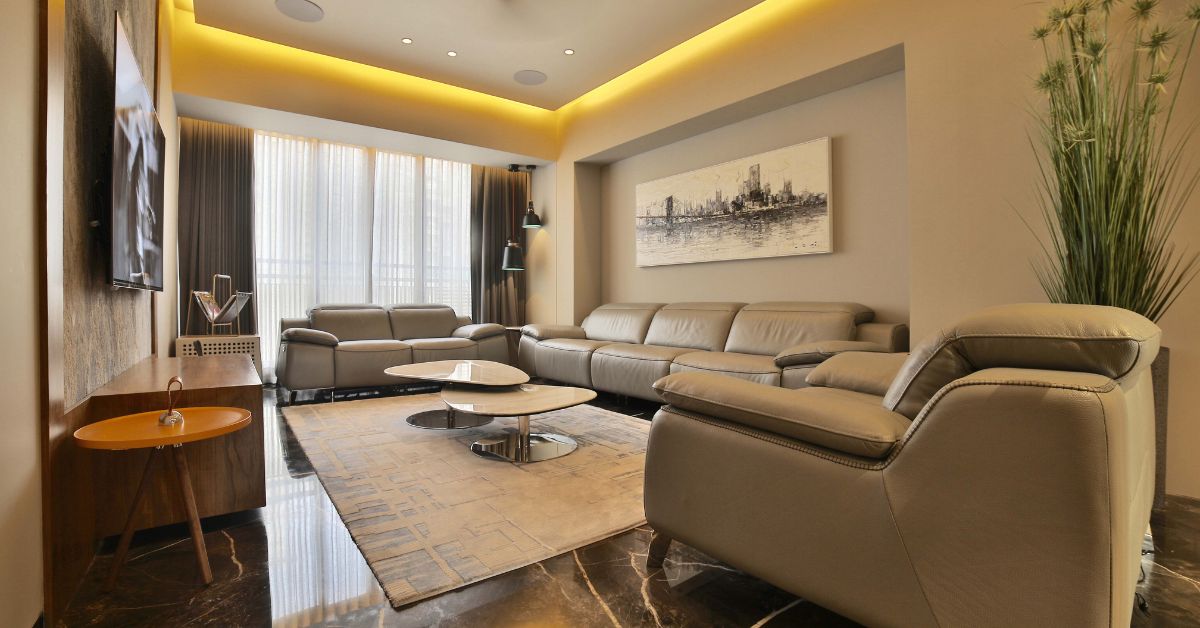
Not all sourcing support is created equal. Understanding the different types of sourcing partners helps you choose the right partner for your studio's needs.
Trade marketplaces and platforms
Examples: SideDoor, DesignerInc, Daniel House Club
These are multi-brand marketplaces offering trade pricing and some logistics support. You browse their curated catalogues, place orders, and they handle fulfillment. They're great for quick specification of standard products, especially for residential projects where you're buying 10-20 pieces from known brands.
Best for: Small to mid-sized residential projects, designers who want catalogue access with trade pricing.
Limitation: You're still limited to their catalogue. If you need custom manufacturing or products outside their network, you're back to sourcing it yourself. Project-level coordination across multiple vendors is still your responsibility.
Specialist procurement studios
Examples: Interior Procurement Group, The Procurement Studio, Interior Design Procurement, COCO To The Trade
These are firms focused specifically on furniture procurement services for interior designers. They position themselves as removing non-design work so you can focus on clients. Many offer training, templates, and procurement management as a service.
Best for: Designers who want to outsource the entire purchasing function, especially for larger projects with complex FF&E schedules.
Limitation: Often region-specific. If you're working on projects across multiple countries, you might need different procurement partners for different markets.
Furniture sourcing agents & global sourcing companies
Examples: Simonsense, Burnt Oringe
These are sourcing agents specializing in importing furniture from manufacturing hubs like China, Vietnam, India, or Europe. They help designers access factory-direct pricing and custom manufacturing capabilities, especially useful for hospitality and commercial projects with large quantities.
Best for: Projects requiring custom or contract manufacturing, bulk orders, or accessing specific manufacturing regions.
Limitation: Usually specialized by region or product category. You might work with one agent for Asian manufacturers and another for European brands.
Hybrid global sourcing platforms with multi-category coverage
Arcedior's model: A global sourcing platform with access to 80,000+ products from 680+ brands across multiple countries, built specifically for interior designers, architects, and project owners. This model combines wide product access with end-to-end procurement coordination, from BOQ reading to installation coordination.
Best for: Design studios working on diverse project types (residential, hospitality, commercial) across multiple geographies who want a single-window partner for both branded products and custom manufacturing.
How it works: Instead of being just a marketplace or just a procurement service, platforms like Arcedior handle global sourcing of interior products, custom and contract manufacturing, quality checks, logistics, and installation coordination as one integrated backend partner.
Comparison Table: Choosing Your Sourcing Partner Type
Type | Best For | How They Work | Complexity Level | Design Control |
Trade Marketplaces | 10-30 pieces (residential) | Catalogue-led | Low | Designer controls both sourcing & design |
Procurement Studios | 30-150 pieces (all types) | BOQ-led | Medium | Designer specifies, studio manages |
Sourcing Agents | 150+ pieces (bulk orders) | Factory-direct | High | Designer specifies, agent sources |
Global Platforms | Multi-location rollouts | Full-service BOQ-led | High | Complete designer control |
How to Choose the Right Furniture Sourcing Partner for Your Design Studio
Match their strengths to your project type (residential, hospitality, commercial)
A partner great at residential might not have the capacity or expertise for a 200-room hotel. Conversely, a partner focused on large hospitality projects might have minimum order requirements that don't make sense for high-end residences.
Ask:
- What percentage of their work is in your typical project category?
- Can they show case studies similar to what you do?
Check their vendor network – local + global, custom + ready
The strength of a sourcing partner lies in its vendor network. You need a partner who can source both from established global brands and from custom manufacturers. A strong partner should be able to show you their brand list and manufacturing partners.
Red flag: If they can't give you visibility into their vendor network, they might just be middlemen marking up products they're sourcing from the same places you could source yourself.
Understand their process from BOQ to installation coordination
Ask them to walk you through exactly how they work. How do they read BOQs? What information do they need from you? How do they present sourcing options? What's their quality check process? How do they handle logistics? How do they coordinate with site teams?
A mature sourcing partner will have documented processes, templates, and clear workflows. If they're vague about their process, you'll be dealing with chaos when you're mid-project.
Ask how they handle quality checks, logistics, and damages
Quality control is where many sourcing partners fall short. Anyone can take your BOQ and send it to manufacturers. The real value is in ensuring that what arrives at your site matches what you specified.
Critical questions:
- Do they conduct in-person QC before dispatch?
- Do they have QC partners in different countries?
- What happens if something arrives damaged?
- Who handles insurance claims and replacement coordination?
- What's their average on-time delivery rate?
Clarify fees, mark-ups, and who invoices whom
Pricing structure matters. Some partners charge a flat percentage markup on products. Others charge project management fees. Some work on commission from vendors (which can create conflicts of interest).
You need clarity on:
- How do they make money
- Whether their pricing is transparent
- Who your client pays (you or the partner)
- Whether you see actual vendor costs
- How margins are handled
The best model is usually where you maintain the client billing relationship, the partner gives you transparent vendor costs, and you decide your own margin.
Designer’s 7-Question Checklist
Before committing to any furniture sourcing partner for interior designers, ask these questions:
- Can you work directly from my BOQs and FF&E schedules?
- Do you source both global brands and local manufacturers?
- Who manages quality checks before dispatch?
- How do you handle freight, customs, and last-mile delivery?
- What happens if something arrives damaged or late?
- How transparent are your fees or margins?
- Can you coordinate with my site installer or contractor?
If they can't answer these clearly, keep looking.
How Fees & Margins Work with Furniture Sourcing Partners
Understanding pricing models is critical when evaluating furniture sourcing partners. Here's how fees and margins typically work:
Common pricing structures
1. Management fees (5-15% of project cost). Some partners charge a flat percentage of the total project value as a management or coordination fee. This covers their time spent on vendor coordination, quality checks, and logistics management.
2. Product markup. Other partners add a markup to vendor costs. They obtain trade pricing from manufacturers and add their margin before presenting quotes to you. The markup typically ranges from 10-25% depending on project complexity and volume.
3. Vendor commission (disclosed or undisclosed) Some sourcing partners work on commission from vendors. This model can create conflicts of interest if they're incentivized to push certain brands over others. Always ask if vendor commissions are part of their revenue model.
Who invoices whom?
This matters more than most designers realize:
Designer invoices client directly (better):
- You maintain a client billing relationship
- You control payment terms
- You decide your margins
- Partner bills you separately for services
Partner invoices client (risky):
- Client sees partner's name on invoices
- Harder to maintain your brand relationship
- Less control over pricing presentation
Questions to ask about fees
Before committing to a sourcing partner:
- "What is your fee structure, management fee, markup, or commission?"
- "Will I see actual vendor costs, or only final prices?"
- "Who invoices my client, me or you?"
- "Are there any hidden fees (QC, consolidation, documentation)?"
- "How do you handle cost overruns or savings?"
How Arcedior Works as a Furniture Sourcing Partner for Interior Designers

Arcedior is a global sourcing and custom manufacturing partner that plugs into your backend, handling sourcing, production, quality checks, logistics, and installation coordination while you maintain complete design control and client ownership.
We work worldwide: Products are sourced across multiple countries, with full customs documentation and last-mile delivery coordination to project sites globally. Design studios across India, GCC, and international markets work with Arcedior for residential, hospitality, and commercial projects.
We don't do design or turnkey interiors. We execute your specifications.
Verified Capabilities & Experience
- 80,000+ products from 680+ global brands across multiple countries
- 1,118+ completed projects spanning 18+ years of experience
- Platform-enabled coordination: BOQs, RFQs, and team collaboration tools
- Contract manufacturing infrastructure: 1 lakh sq ft factory for custom/contract needs
- Learn more at arcedior.com
Step 1 – Send your BOQ or FF&E schedule
Designers share:
- BOQs
- FF&E schedules
- Approved specs or moodboards
Step 2 – Requirement analysis and sourcing plan
We map requirements to:
- Global brands
- Local manufacturers
- Custom or contract manufacturing options
Value engineering is suggested without compromising design intent.
Step 3 – Global sourcing, custom/contract manufacturing & QC
Arcedior sources furniture and interior products from 680+ brands and manufacturers across multiple countries.
We arrange:
- Trade sourcing
- Custom manufacturing
- Quality checks before dispatch
Step 4 – Logistics and installation coordination
We manage:
- Shipping
- Order consolidation
- Customs documentation
- Delivery scheduling
- Coordination with site installers
Step 5 – Ongoing vendor & order tracking for multi-project studios
Design studios get clear visibility:
- Ordered
- In production
- In transit
- Delivered
You're not chasing updates from 15 different vendors across three projects. You have one window into your entire procurement pipeline across all projects.
Designer Backend, Not Competition
We work behind your brand, not instead of it.
Your client never hears from us. We don't design. We don't pitch turnkey services. We don't try to own the client relationship.
We're your invisible backend, making sure the products you've specified get manufactured correctly, pass quality checks, and arrive on site on time.
Ready to Reclaim Your Design Time?
Send us your past BOQ or current FF&E schedule. We'll show you exactly how Arcedior can plug into your process, handling global sourcing, quality checks, logistics, and installation coordination while you stay focused on design and clients.
To provide an accurate sourcing plan, we need:
- BOQ or FF&E schedule (any format you currently use)
- Target budget range (helps us prioritize sourcing options)
- Site location + tentative handover date (for logistics planning)
- Preferred brands (if any, not required)
- Finish/material notes (specifications, moodboards, reference images)
That's it. No complex onboarding, no new systems. We adapt to how you already work.
Example Scenarios – When a Sourcing Partner Makes the Biggest Difference
Hospitality project with 150+ rooms and heavy FF&E
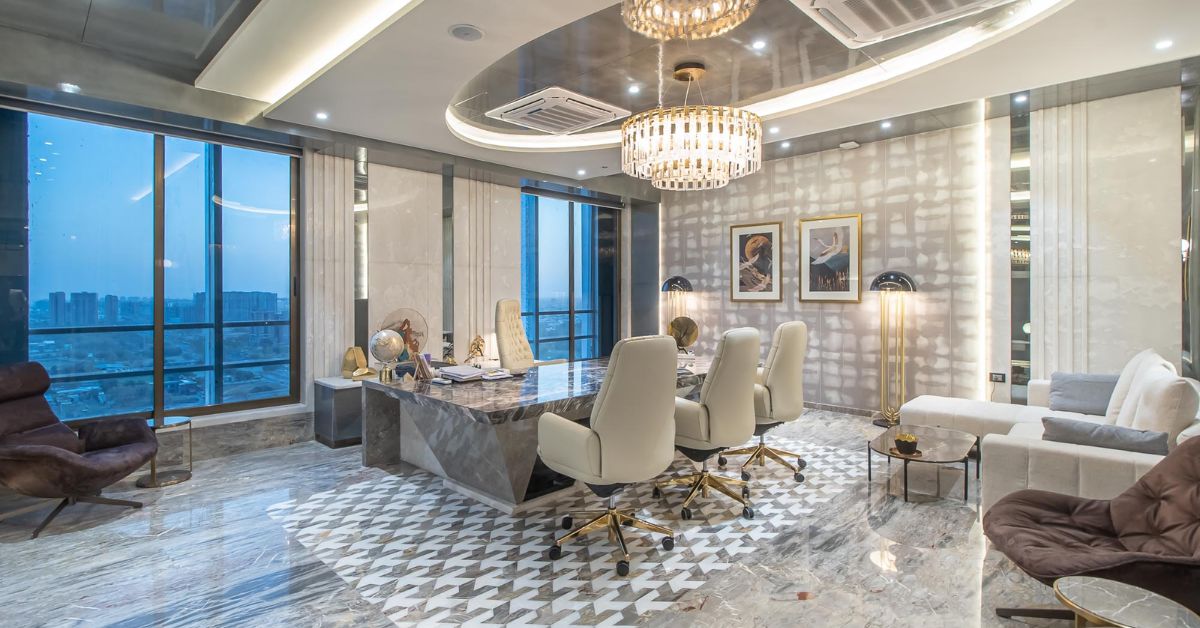
Without a sourcing partner: You're coordinating with 25+ different vendors across multiple countries for furniture, lighting, bathroom fixtures, soft furnishings, and accessories. Each vendor has different lead times, payment terms, and shipping schedules.
You're building complex spreadsheets to track it all, spending 30+ hours per week just on procurement coordination. Three vendors miss their delivery deadlines, causing cascade delays. One shipment arrives damaged, and you spend two weeks managing the insurance claim and replacement order.
The project finishes three months late, and your margin is half what you projected because of all the unexpected costs and your own time overages.
With a sourcing partner, you hand off the complete FF&E schedule. Your partner presents sourcing options for every item, gets consolidated quotes, manages all vendor relationships, conducts quality checks, consolidates shipments to reduce costs, and coordinates deliveries in phases matching your site schedule. When one manufacturer faces a delay, your partner proactively arranges alternatives before it impacts your timeline.
You spend 5 hours per week reviewing options and approving decisions; the rest happens without you. The project finishes on schedule, your margin is protected, and you have time to bring in two more clients during the same period.
Working on a Multi-Vendor Project?
See how Arcedior consolidates procurement across brands, countries, and manufacturers. Get sourcing alternatives and lead times for your current project.
High-end residence with a mix of global brands and custom pieces
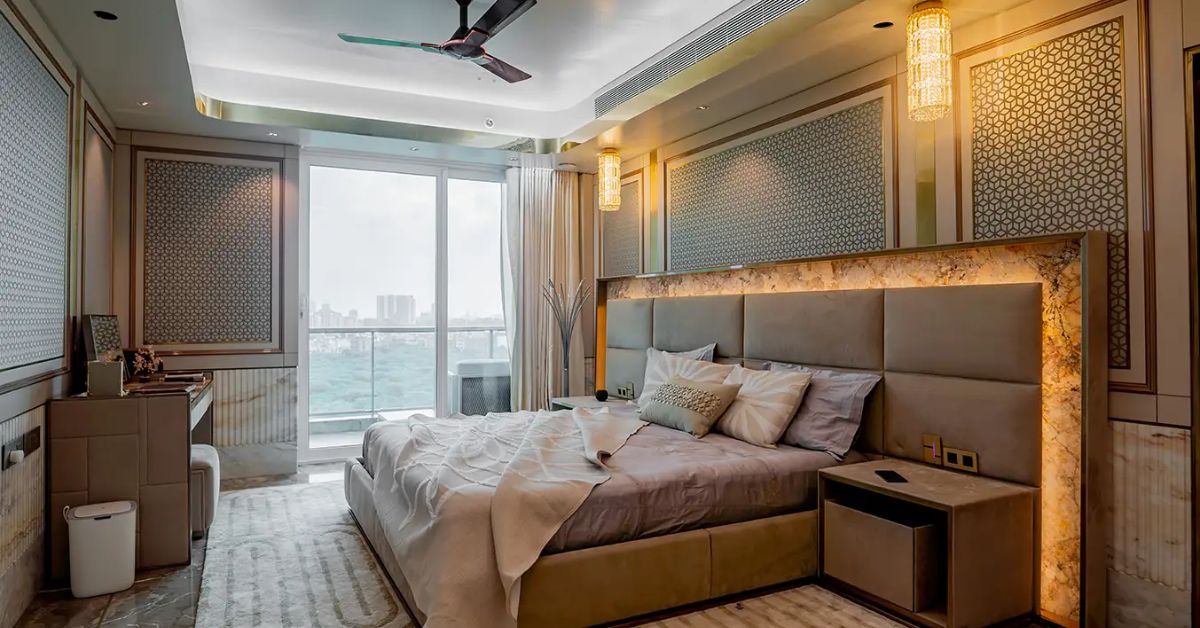
Without a sourcing partner: Your client wants a Minotti sofa from Italy, a custom dining table from a local artisan, lighting from Flos, a bed from a manufacturer in Malaysia, and rugs from India.
You're managing five different procurement workflows, each with its own complexity. The Minotti order requires payment to their European headquarters with an international wire transfer. The local artisan is reliable but doesn't provide proper documentation for your records. The Malaysian manufacturer keeps changing the lead time. Customs holds the Italian sofa for two weeks because of missing paperwork.
You're stressed, your client is asking daily for updates, and you're spending more time on logistics than design.
With a sourcing partner: Your partner coordinates all five sources as one integrated procurement plan. They handle the international wire to Minotti, formalize documentation with your local artisan, hold the Malaysian manufacturer accountable to timelines, handle customs clearance for the Italian shipment, and consolidate the Indian rug order with other items to reduce freight costs.
Everything arrives in sequence, matching your installation schedule. Your client sees seamless execution and thinks you're a logistics genius; meanwhile, you were working on their guest house design.
Multi-city office client where you need consistent furniture across locations
Without a sourcing partner: Your corporate client is opening offices in three cities and wants consistent furniture and branding across all locations. You need to coordinate local procurement in each city while maintaining quality and design consistency.
Each location has different vendors, different import regulations, and different site teams. You're traveling constantly, trying to manage three simultaneous procurement processes.
Furniture in City 2 doesn't quite match City 1 because the vendor interpreted specifications differently. City 3 is delayed because the local vendor couldn't meet the timeline. Your client is frustrated with inconsistency, and you're exhausted.
With a sourcing partner: Your partner sources from manufacturers who can produce consistent products for all three locations, manages quality control to ensure everything matches your specifications exactly, coordinates with local site teams in each city, and ensures synchronized delivery timelines.
All three offices open on schedule with perfect consistency. Your client is thrilled and immediately engages you for five more locations, and this time, you're confident you can handle the scale because your backend procurement is solved.
These aren't hypothetical. These are the daily realities that differentiate design studios that scale smoothly from those that remain stuck at 3-5 concurrent projects because procurement becomes the bottleneck.
Conclusion
Furniture sourcing partners for interior designers exist for one reason: to make sure great design actually reaches the site without draining your time, energy, or margins. Designers don’t need more vendors. They need one reliable backend sourcing partner.
You create. They manage sourcing.
When done right, it’s not outsourcing, it’s smart delegation.
Visit arcedior or reach out to see how we work as a furniture sourcing partner for interior designers across residential, hospitality, and commercial projects worldwide.
Ready to Reclaim Your Design Time?
Send us your past BOQ or current FF&E schedule. We'll show you exactly how Arcedior can plug into your process, handling global sourcing of interior products, custom manufacturing, quality checks, logistics, and installation coordination while you stay focused on design and clients.
FAQs
What exactly does a furniture sourcing partner do for interior designers?
A furniture sourcing partner handles vendor research, getting quotes from multiple manufacturers, negotiating pricing, issuing purchase orders, tracking production, conducting quality inspections before shipment, managing freight and customs, and coordinating delivery and installation with your site team. They work behind your brand as your procurement department, while you maintain complete design control and client ownership.
How is a furniture sourcing partner different from a trade program?
Trade programs like SideDoor or DesignerInc give you access to product catalogues with discounted pricing, essentially retail with better margins. A furniture sourcing partner works at the project level, managing your entire BOQ across multiple vendors and countries, handling custom manufacturing, conducting quality checks, and coordinating logistics. One is a shopping platform; the other is your operations team.
Will a sourcing partner talk directly to my client?
No. A professional sourcing partner never interacts with your client. They work behind your brand, communicating with you and your team. The client relationship remains entirely yours. You present options, get approvals, and manage client communications; your sourcing partner handles the backend execution invisibly.
Can I still choose every piece, or do they decide the products?
You maintain complete design control. A sourcing partner presents options based on your specifications and then executes what you approve. When they suggest alternates (due to availability or budget), they're presenting options that match your design intent—never making decisions without your approval. Think of them as your research team, not your design team.
How do fees and margins work when using a sourcing partner?
Pricing models vary. Some partners charge a percentage markup on vendor costs. Others charge flat project management fees. The best model for most designers: your partner provides transparent vendor pricing, you add your own margin, and you invoice your client directly. This keeps you in control of client billing and lets you decide your own profitability. Always clarify the fee structure upfront and insist on transparency.
Can a sourcing partner handle both global brands and custom manufacturing?
Yes, if you choose the right partner. The best furniture sourcing partners for interior designers have networks spanning both established global brands (for specified products) and custom manufacturers (for bespoke pieces). This flexibility is essential because most projects involve a mix of branded items and custom work. Ask potential partners to show their brand access and manufacturing capabilities before committing.
What information do I need to share to start working with Arcedior?
Start with your existing BOQ, FF&E schedule, or specification documents, whatever format you already use. If you're between projects, share a past project BOQ so we can analyze how we would have supported that project. From there, we map your specifications to our vendor network, present sourcing options, and show you exactly how we'd plug into your workflow. No complex onboarding, no learning new systems, we adapt to how you already work.
Do sourcing partners work for residential, commercial, and hospitality projects?
Most sourcing partners specialize. Some focus on residential, others on hospitality or commercial. When evaluating partners, ask what percentage of their work is in your primary project category and request relevant case studies. Platforms like Arcedior work across all project types because the core process, reading BOQs, sourcing products, managing quality, coordinating logistics, remains the same whether it's a luxury residence, boutique hotel, or corporate office.
Do you handle receiving/warehousing, or only shipping to site?
We coordinate shipping and delivery to the site. Receiving or warehousing support depends on project location and scope. For projects requiring temporary storage before installation, we can arrange warehousing through our logistics partners in most major markets.
What documents do you need to start (BOQ, spec, finish codes)?
We work with whatever documentation you already use: BOQs, FF&E schedules, specifications, moodboards, finish codes, or reference images. The more detail you can provide about materials, dimensions, finishes, and quantities, the more accurate our initial sourcing plan will be, but we can start with high-level requirements and refine as your design develops.
How do you manage substitutions without breaking design intent?
Alternates are proposed only to preserve design intent and are approved by the designer before execution. We provide detailed specifications, images, and material samples for any suggested substitutions. You review and approve every alternate before we proceed; we never make substitution decisions independently. Our goal is to maintain your design vision while solving procurement challenges.