Global Furniture Sourcing Company | Hotels & Offices

Global Furniture Sourcing Company: What They Do for Hotels and Offices
Furnishing a hotel or office isn't just about picking furniture you like. It's about coordinating hundreds of line items, managing multiple vendors across countries, ensuring quality matches your approved samples, and making sure everything arrives on time and undamaged. Too many suppliers, unclear quotes, shifting timelines, and quality surprises that show up only after the furniture reaches the site. For hotels, one delayed chair or mismatched headboard can affect opening dates. For offices, a late workstation delivery can disrupt teams and move-in plans.
This blog explains what a global furniture sourcing company does, step-by-step, including QC checkpoints, lead times, shipping, and delivery sequencing.
This is where a global furniture sourcing company steps in. Instead of dealing with dozens of factories, dealers, and logistics agents, you work with one sourcing and procurement partner that manages the entire journey. From BOQ to factory to site, everything is tracked, checked, and coordinated. Sourcing is not about buying furniture cheaply. It is about buying the right furniture, from the right suppliers, at the right time, with predictable quality and delivery.
What Does a Global Furniture Sourcing Company Actually Do?
Is a Global Furniture Sourcing Company the Same as a Dealer?
Quick Answer:
Factor | Furniture Dealer | Manufacturer | Global Sourcing Company |
What they sell | Products they stock or represent (1-2 brands) | Their own production line only | Access to multiple factories and brands across categories |
Choice range | Limited to their catalog | Limited to what they manufacture | Wide range across vetted suppliers |
Who manages QC | Relies on manufacturer QC | Internal QC only | Independent pre-shipment inspection with photo/video evidence |
Who manages shipping/customs | Often separate logistics vendor | Usually FOB (you arrange shipping) | End-to-end coordination including customs and last-mile |
Best for | Small orders, local projects, brand loyalty | Large volume of one product type | Multi-category BOQs, tight timelines, custom specs |
Risk if things go wrong | Limited recourse, brand-dependent | Production-focused, not procurement | Single accountability across suppliers |
What a Global Furniture Sourcing Company Means
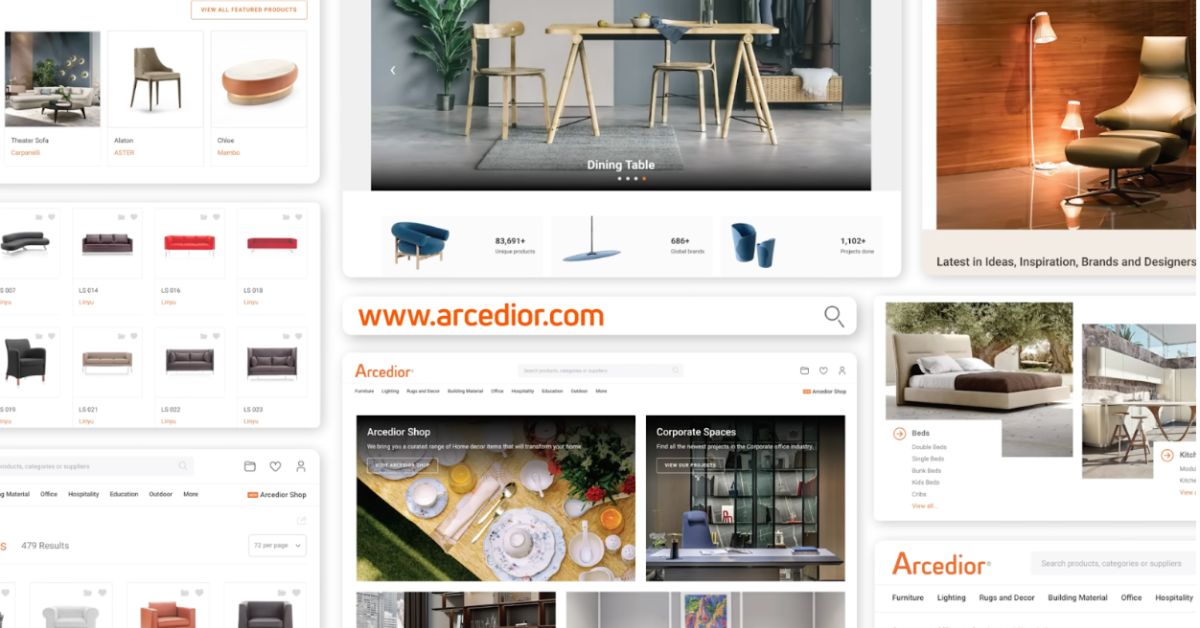
A global furniture sourcing company acts as your procurement and execution partner. They translate your BOQ and specifications into factory-ready orders and manage everything needed to deliver approved furniture to your site without surprises.
What Is Included in Global Furniture Sourcing Services
Many buyers assume sourcing means simply finding a cheaper factory. In reality, global furniture sourcing services cover a much wider scope, especially for hotels and offices, where timelines and quality are non-negotiable.
A typical sourcing scope includes requirement capture, where your BOQ, drawings, finishes, quantities, and usage areas are studied in detail. This is followed by supplier vetting and vendor shortlisting. Factories and brands are selected based on capability, production capacity, QC processes, past project fit, and lead-time reliability.
Next comes the furniture quote comparison. Instead of comparing mismatched quotes, everything is aligned apples to apples. Same specs, same finishes, same hardware, same packaging assumptions. Once samples and mockups are approved, the sourcing company manages purchase orders, production tracking, and milestone planning. Quality control is handled through in-process checks and pre-shipment inspection with photo and video evidence. Finally, export packaging, furniture logistics and delivery coordination, and installation sequencing support are managed with your site team.
What It Is Not
A global furniture sourcing company is not a design firm. They do not create layouts or interiors. They are not a single-brand dealer pushing what they stock. They are also not a turnkey contractor doing civil work. Their role is sourcing, procurement, QC, logistics, shipping, and coordination. Nothing more and nothing less. This clarity is what protects buyers.
Hotels vs Offices: What Changes, What Stays the Same

For Hotels (FF&E Procurement)
Hotel FF&E sourcing and procurement come with unique complexities because of volume, repetition, and brand standards:
- High-volume BOQs: Guest rooms, lobby furniture, dining areas, banquet halls, spa furniture, outdoor seating across hundreds of line items
- Brand consistency: Same finish, fabric, and hardware across 50, 100, or 200+ rooms
- Tight opening dates: A delayed furniture delivery can push back your soft opening, impacting revenue and bookings
- Hospitality-grade durability: Furniture must withstand heavy daily use and meet easy maintenance requirements
- Multi-location rollouts: Hotel groups need consistent quality and spend control across properties in different cities or countries
What success looks like: Fewer finish mismatches across rooms and predictable opening-date readiness.
For Offices (Commercial Procurement)
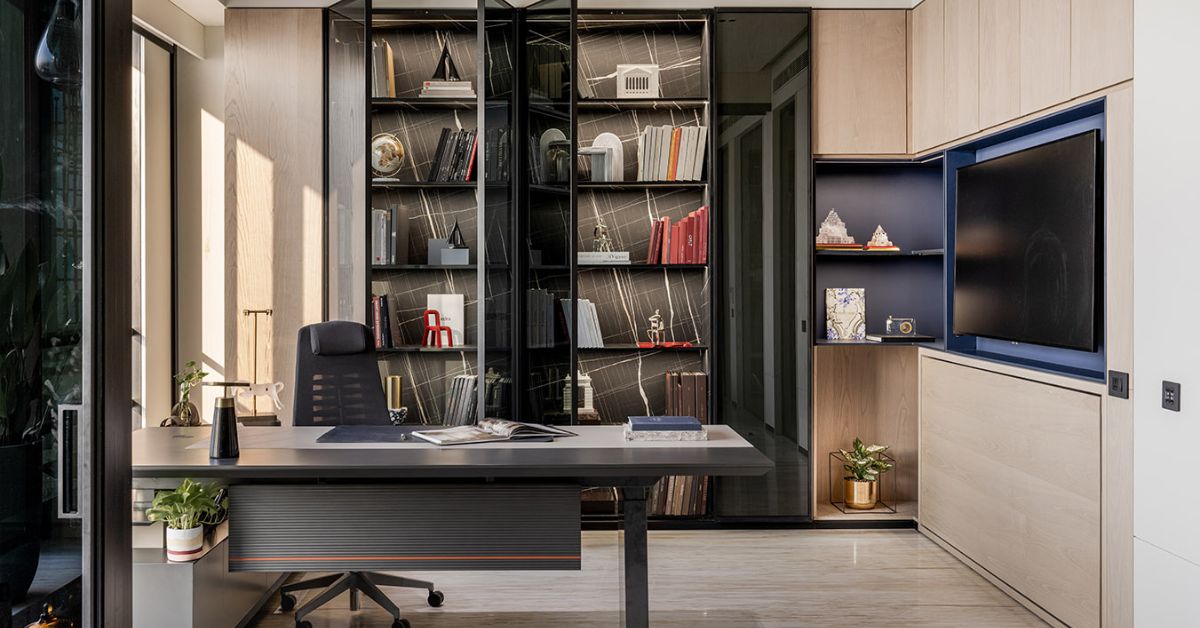
Office furniture sourcing partner procurement focuses on different priorities:
- Workstations and systems: Modular desks, storage, seating, meeting room furniture, breakout areas
- Delivery sequencing by zones: Floor-wise or department-wise delivery to minimize disruption
- Fast, clean installations: Furniture arrives and is installed during off-hours or weekends to keep operations running
- Commercial-grade performance: Durability, warranty expectations, and BIFMA compliance where required
- Flexibility for growth: Procurement plans that accommodate phased expansion or future office additions
What success looks like: Floor-wise delivery that reduces disruption and faster move-in readiness.
Both hotel and office projects need accurate lead times, quality assurance, and delivery coordination. The difference lies in volume, durability standards, and site sequencing requirements.
The 8-Step Global Sourcing Process
Here's how furniture sourcing and procurement end-to-end actually works:
1. Share BOQ, Specs, Budget, and Timeline
What you provide: Bill of quantities, specifications (dimensions, finishes, materials), quantity per item, budget bands per category, and target handover date.
Output: Foundation for accurate quotes and realistic lead time planning.
Risk reduced: Mismatched expectations and pricing surprises.
2. Supplier Shortlist and Alternates
What happens: The sourcing partner identifies factories and brands that match your quality tier and production capacity.
Output: Vetted supplier options with alternates if lead times are tight or the budget requires adjustment.
Risk reduced: Unreliable vendors and single-source dependency.
3. RFQs and Quote Comparison
What happens: Each supplier quotes against the same specs, quantities, and delivery terms.
Output: Clear cost breakdowns, lead time commitments, and payment terms side by side.
Risk reduced: Hidden costs and unfair comparisons.
4. Sampling, Mockups, and Approvals
What you approve: Physical samples or mockups covering finish, fabric, polish, hardware fitment, and custom detailing.
Output: Quality benchmark locked in for final production.
Proof shared: Sample photos and approval sign-off.
Risk reduced: Production mismatches and finish disputes.
5. PO Placement and Production Plan
What happens: Purchase orders are placed with clear milestone dates and regular updates at key stages.
Output: Production tracking across material procurement, assembly, finishing, upholstery, and final inspection.
Risk reduced: Timeline slippage and missed milestones.
6. QC Checkpoints (In-Process and Pre-Dispatch)
What happens: Inspectors verify finished goods match approved samples, check dimensions and tolerances, test hardware functionality, inspect surfaces for defects, and document everything with photo and video evidence.
Output: QC evidence pack (measurement sheet, finish photos, functional test videos, packaging photos).
Proof shared: Photo and video evidence before dispatch.
Dispatch rule: Nothing ships until the buyer signs off on QC evidence.
Risk reduced: Costly rework and delivery delays.
7. Export Packaging and Shipping Plan
What happens: Export-grade packaging with edge protection, corner guards, moisture barriers, and proper crating. Shipping plan covers documentation, customs paperwork, and freight coordination.
Output: Furniture packaged to survive international shipping.
Risk reduced: Export-grade packaging and pre-dispatch photo/video evidence significantly reduce transit damage risk.
8. Delivery Sequencing and Installation Coordination
What happens: Furniture arrives when the site is ready, phased by floor or zone.
Output: Coordinated storage, unloading schedules, and phased handovers with your site team.
Risk reduced: Site congestion and installation bottlenecks.
What Information Do I Need to Share to Get Accurate Quotes and Lead Times?
To start sourcing, share:
- BOQ/spec sheet (dimensions, finishes, qty, usage area)
- Delivery city + site access constraints
- Floor/zone sequencing requirement
- Budget band per category
- Target handover date + phasing plan
- Any compliance needs (commercial/hospitality-grade, FR if required)
The more clarity you provide, the faster you get accurate quotes and realistic timelines.
Lead Time Breakdown: From BOQ to Site Delivery
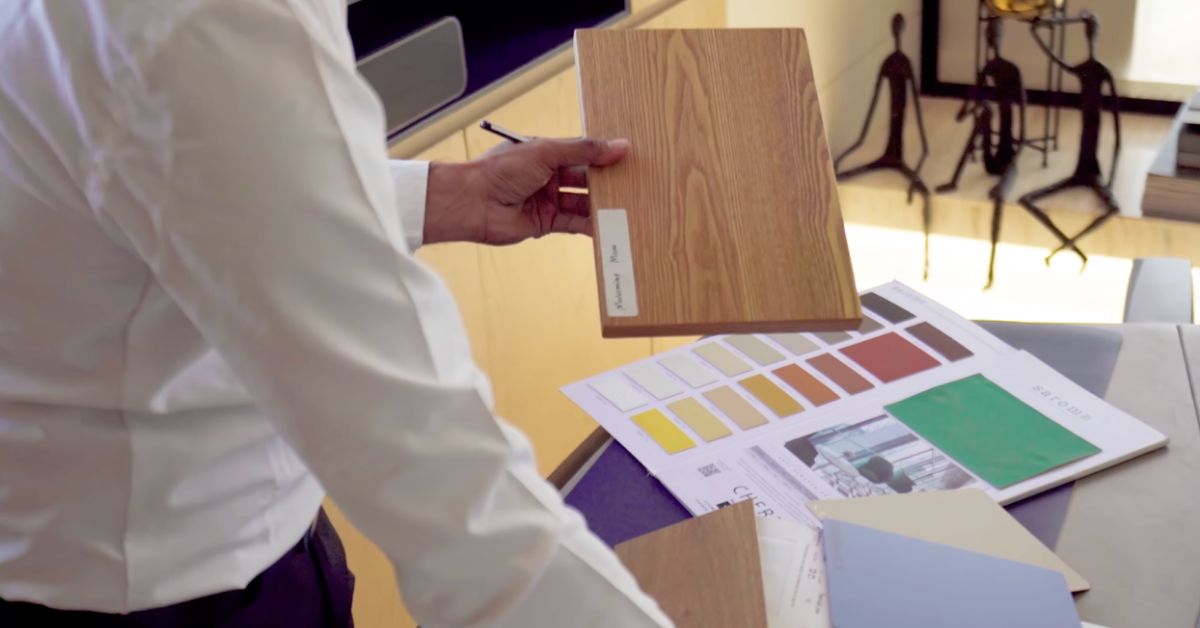
Typical Stage-Wise Timeline (Snippet-Ready Table)
Stage | Typical Range |
Sampling & approvals | 7–21 days |
Production | 4–10 weeks |
QC + packing | 3–7 days |
Shipping | Domestic: 3–10 days | International: 2–6 weeks (mode-dependent) |
Site delivery + installation coordination | Depends on site readiness + sequencing |
What Changes Lead Times
Lead times vary based on:
- Approvals speed
- Complexity and finish types
- Quantity and MOQ requirements
- Shipping mode (air vs sea vs road)
- Customs clearance
- Site readiness
Common Delay Causes and How to Avoid Them
Most timeline slippages happen because of:
- Late approvals: Delayed sample sign-offs push production start dates
- Unclear specs: Ambiguous finishes or dimensions lead to rework
- Changes mid-production: Modifying specs after production starts resets timelines
- Site not ready: Furniture arrives, but there's no place to store or install it
- Wrong sequencing: Delivering all furniture at once when the site needs phased delivery
Clear communication and realistic milestone tracking prevent most of these issues.
QC Checklist Before Dispatch: What Gets Inspected
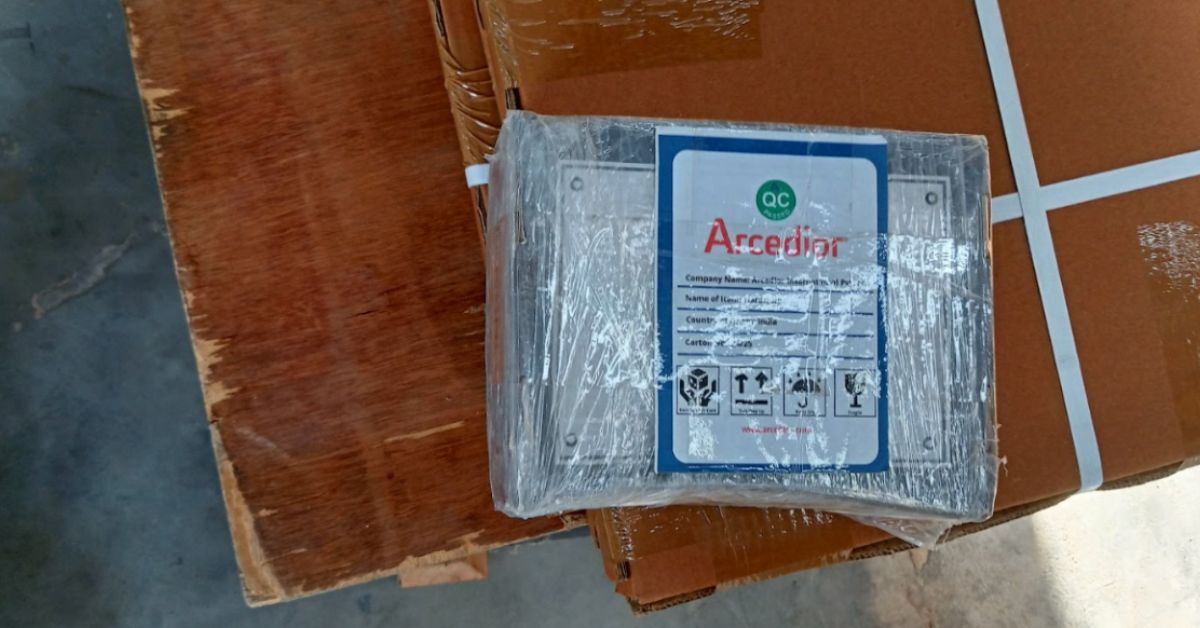
Pre-shipment inspection is non-negotiable for large hotel or office furniture orders. Here's what inspectors verify before dispatch approval:
- Approved sample matched: Shade, finish, texture, stitching, and grain match the approved mockup
- Dimensions and tolerances checked: Every item measured against BOQ specifications
- Hardware fitment and functional testing: Hinges open smoothly, sliders extend fully, drawer mechanisms function without resistance
- Surface inspection: No scratches, dents, polish marks, or finishing defects
- Packing test: Edge protection, corner guards, moisture barriers, and proper crating to survive international shipping
- Photo and video QC evidence: Shared with you before dispatch so you approve what ships
QC Evidence Pack (What Buyer Receives):
- Measurement sheet
- Finish photos
- Functional test videos
- Packaging photos
Key Takeaway: Nothing ships until the buyer signs off on QC evidence.
Logistics, Shipping, and the "Final Mile" (What Most Buyers Underestimate)
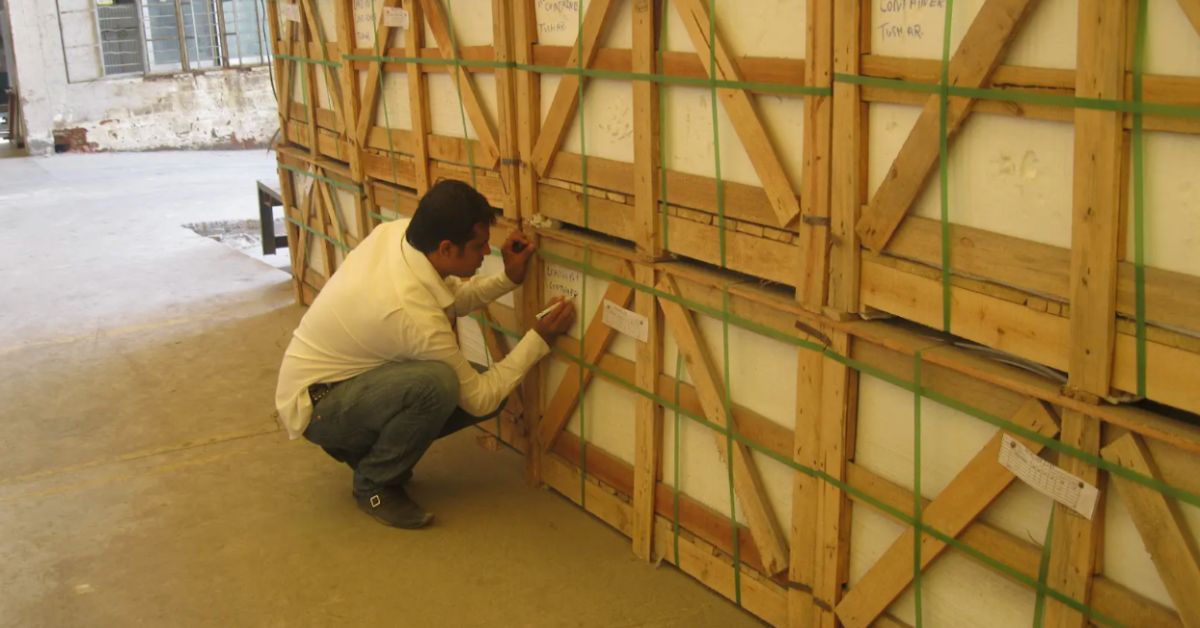
Production quality matters, but shipping and delivery coordination determine whether furniture arrives as intended. Here's what matters:
- Export-grade packaging with edge protection, corner guards, moisture barriers, and proper crating
- Shipping mode planning balances time and cost
- Documentation basics include commercial invoice, packing list, labeling, HS codes (where applicable), and bill of lading or airway bill (depending on freight)
- Delivery sequencing by floor or zone prevents site chaos
- Installation coordination support aligns with your site team
Furniture logistics coordination for hotel renovation or office fit-out is a project in itself.
Documentation Basics (Varies by Country)
- Commercial invoice
- Packing list
- Labeling
- HS codes (where applicable)
- Bill of lading/airway bill (depending on freight)
- Country-specific requirements (handled as needed)
Regional Notes (India / UAE / KSA)
We support sourcing and shipping routes commonly used for India, UAE (Dubai), and Saudi Arabia (KSA) projects.
- India: More common for domestic trucking and phased delivery by city/site readiness
- UAE (Dubai): Import documentation and delivery scheduling matter more due to site access and storage constraints
- Saudi (KSA): Longer clearance variability; plan buffers and tighter documentation discipline
When Should You Use a Global Sourcing Partner?
Best Fit: A global furniture sourcing company for hotels or a global furniture sourcing company for office projects makes the most sense when:
- Multi-location projects: You're opening multiple hotel properties or office branches and need consistent quality and pricing
- Custom or contract manufacturing needed: Your specs don't match off-the-shelf products, requiring factory customization
- Tight deadlines: You have a fixed opening date or move-in deadline with no room for delays
- Too many categories and vendors to manage: Your BOQ spans 10, 20, or 50+ categories, and coordinating multiple suppliers is overwhelming
- Past issues with delays, rework, or damage: Previous projects had quality surprises, missed deadlines, or damaged shipments
Not Ideal If…
- Small purchase (a few desks for a small office)
- Single category with off-the-shelf local options
- No deadline pressure
- Simple off-the-shelf local buy
For how to buy furniture for a new hotel opening or large office fit-outs with tight timelines, professional procurement coordination reduces risk.
Proof Blocks
What You Get at Each Checkpoint
- Sample approval checkpoint: Physical samples covering finish, fabric, hardware, and detailing
- QC evidence pack before dispatch: Measurement sheets, finish photos, functional test videos, packaging photos
- Milestone-based production tracking: Regular updates at material procurement, assembly, finishing, and inspection stages
- Delivery sequencing plan by floor/zone: Phased delivery schedule coordinated with your site team
Common Mistakes Buyers Make (and Quick Fixes)
Starting Without a Clean BOQ or Spec Sheet
Vague requirements lead to inaccurate quotes and mismatched expectations.
Quick fix: Finalize your BOQ with clear dimensions, finishes, and quantities before requesting quotes.
Approving Without Samples or Mockups
Photos don't capture texture, finish depth, or hardware quality.
Quick fix: Always approve physical samples before production, even if it adds a week to the timeline.
Comparing Quotes Without Standard Specs
Comparing a quote for solid wood against engineered wood isn't a fair comparison.
Quick fix: Ensure all quotes are based on identical specifications.
Skipping Pre-Dispatch QC Evidence
Trusting that production matches your approved sample without verification invites problems.
Quick fix: Require photo and video evidence of QC inspection before you approve dispatch.
Underestimating Packaging and Last-Mile Delivery Sequencing
Standard packaging won't survive international shipping, and delivering everything at once creates site chaos.
Quick fix: Confirm export-grade packaging and plan delivery sequencing by floor or zone.
Conclusion
A global furniture sourcing company exists to remove uncertainty from hotel and office procurement. By connecting your requirements to vetted suppliers, managing quality, tracking production, and coordinating logistics, they protect timelines and budgets. For buyers who value predictability over guesswork, sourcing is not optional. It is essential.
Share your BOQ or spec sheet, delivery city, and target handover date. We'll reply with sourcing routes, lead time plans, and QC checkpoints tailored to your project. This is how a global furniture sourcing company turns complexity into clarity.
FAQs
What does a global furniture sourcing company actually do?
A global furniture sourcing company connects your project requirements to suitable factories and brands worldwide, managing the entire supply chain so you don't have to coordinate multiple vendors yourself.
What they do:
- Shortlist vetted suppliers based on your specs and quality tier
- Run apples-to-apples quote comparisons across suppliers
- Track production milestones and arrange pre-shipment QC with photo/video evidence
What you need: BOQ, specs, budget bands, target handover date, and delivery location
What you get: Single point of contact for procurement, quality assurance, shipping coordination, and delivery sequencing
How is a sourcing company different from a dealer or manufacturer?
A dealer sells products they stock (limited to 1-2 brands). A manufacturer produces furniture but doesn't source from other factories. A sourcing company is vendor-agnostic and accesses multiple factories across categories.
What they do:
- Source the best supplier match for each BOQ category
- Manage procurement and logistics across all suppliers
- Provide independent QC and unified project management
What you need: Multi-category BOQ with custom specs or tight timelines
What you get: Broader supplier options, competitive pricing, and single accountability across vendors
Can you handle both hotels and offices?
Yes. The core process applies to both, but execution differs based on volume, durability standards, and delivery sequencing.
What they do:
- Hotels: Manage hospitality-grade durability and brand consistency across hundreds of rooms
- Offices: Handle commercial-grade performance and phased delivery by floor or zone
- Both: Maintain quality and timeline commitments with QC checkpoints and delivery coordination
What you need: Clear BOQ, project type, target handover date, and sequencing requirements
What you get: Process tailored to hotel or office needs with consistent quality management
How do you find and vet factories across countries?
Supplier vetting starts with evaluating production capacity, quality systems, certifications, and lead-time reliability through factory visits and past project verification.
What they do:
- Maintain relationships with pre-qualified manufacturers in key regions (India, China, Vietnam, Malaysia, UAE, Turkey, Europe)
- Match your specs and quality tier to factories with proven track records
- Shortlist based on capability, MOQ, and past project fit
What you need: Specs, quality tier, and volume requirements
What you get: Access to vetted suppliers without investing time in factory discovery yourself
What information do I need to share to start sourcing furniture?
Share your BOQ with item descriptions, dimensions, finishes, materials, and quantities. Include delivery location, budget bands per category, target handover date, phasing requirements, and any compliance needs.
What they do:
- Study your BOQ, finishes, quantities, and usage areas in detail
- Shortlist suppliers and prepare apples-to-apples quote comparisons
- Plan lead times and QC checkpoints based on your timeline
What you need: Clean BOQ, budget bands, delivery location, target date, compliance needs
What you get: Accurate quotes and realistic timelines without back-and-forth delays
How do you ensure quality before furniture ships?
Quality assurance happens through in-process inspection during production and pre-shipment inspection before dispatch. Nothing ships until you approve QC evidence.
What they do:
- Verify finished goods match approved samples (shade, finish, texture, dimensions)
- Test hardware functionality (hinges, sliders, drawers) and inspect surfaces for defects
- Document everything with photo and video evidence and share QC pack with you
What you need: Approved samples and clear quality benchmarks
What you get: QC evidence pack (measurement sheet, finish photos, functional test videos, packaging photos) before dispatch approval
How long does contract furniture sourcing and delivery take?
Typical timeline from requirement capture to final delivery ranges from 10 to 16 weeks, depending on project complexity, shipping mode, and site readiness.
What they do:
- Sampling and approvals: 7–21 days
- Production: 4–10 weeks
- QC and packing: 3–7 days
- Shipping: 2–6 weeks (sea) or 5–10 days (air)
- Site delivery: depends on readiness
What changes timelines: Approvals speed, complexity, quantity, shipping mode, customs clearance, site readiness
What you get: Realistic lead time plan with milestone tracking
Can you ship furniture internationally and manage customs paperwork?
Yes. Furniture logistics coordination includes export documentation, customs clearance, and freight forwarding so you don't handle shipping complexity yourself.
What they do:
- Prepare commercial invoices, packing lists, bills of lading, and required certificates
- Work with customs brokers at destination ports to clear shipments
- Coordinate last-mile delivery to your site
What you need: Delivery location and any country-specific requirements
What you get: End-to-end shipping coordination from factory to site
How do you reduce damage during shipping?
Damage prevention starts with export-grade packaging that protects furniture during multi-leg trucking, ocean freight, and multiple handling touchpoints.
What they do:
- Apply edge protection, corner guards, moisture barriers, and proper crating with internal bracing
- Document packing quality with pre-shipment photos
- Use handling labels and coordinate careful freight handling
What you need: Confirmation of export-grade packaging standards
What you get: Export-grade packaging and pre-dispatch photo/video evidence that significantly reduce transit damage risk
Can you coordinate delivery and installation timelines with site teams?
Yes. Delivery sequencing and installation coordination ensure furniture arrives when the site is ready, phased by floor, zone, or area based on construction completion.
What they do:
- Coordinate with your site team or installation vendor
- Plan storage, unloading schedules, and handover timelines
- Phase deliveries to prevent site congestion and furniture damage
What you need: Site readiness schedule and sequencing requirements
What you get: Coordinated delivery plan that keeps installation on schedule without disruption