Granite vs Quartz Kitchen: Which is Better?
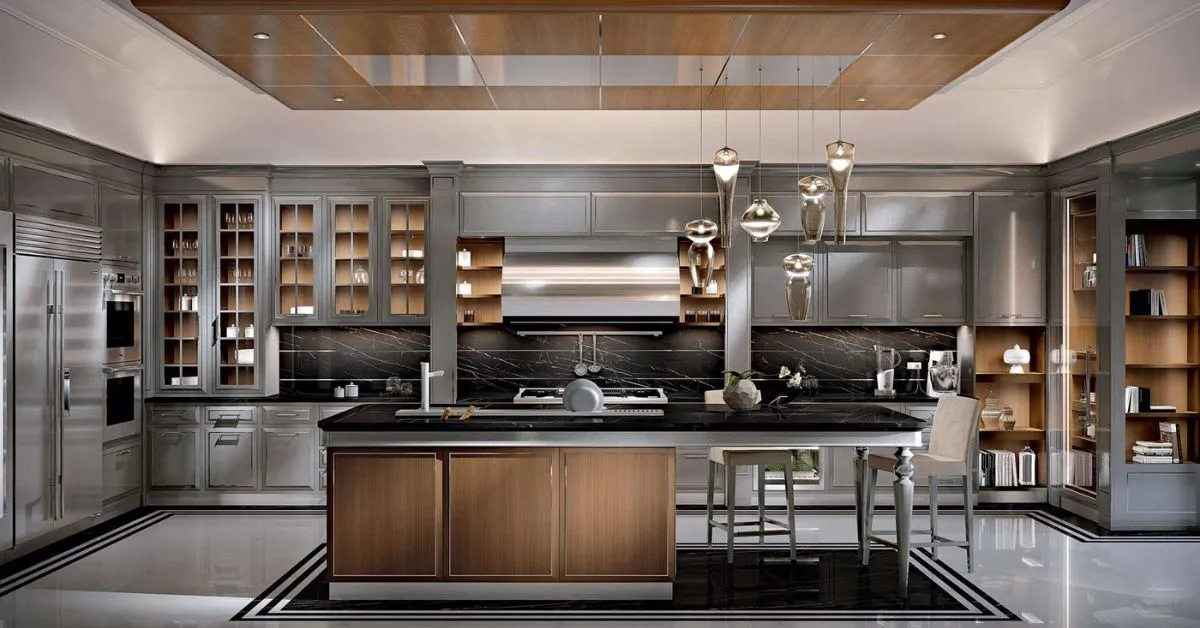
Indian kitchens are always buzzing with life—there’s the sizzling sound of tadka, the aroma of freshly rolled rotis, and the occasional turmeric spill. With so much happening, your kitchen needs countertops that can handle everything, from hot pans to stubborn stains. But when designing your dream kitchen, the choice between granite kitchen countertops and quartz kitchen countertops can be overwhelming. Both materials have their pros and cons, from durability to looks. So, which one is better for a busy Indian kitchen filled with oil, spices, and everyday action? Let’s dive into the ultimate showdown of granite vs quartz for kitchen countertops and help you make the right choice!
Granite Kitchen Design: The Classic Natural Stone

Granite, a natural stone formed over millions of years, brings unmatched beauty to kitchen designs. Its organic textures and earthy tones make it a timeless favorite for traditional Indian kitchen designs and modern setups alike.
Advantages of Granite Kitchen Countertops
1. Durability: Granite is incredibly strong and can withstand heavy impacts, making it ideal for the intense cooking activity in Indian kitchens.
2. Heat Resistance: It can tolerate hot pots and pans directly placed on its surface without damage.
3. Scratch Resistance: Granite is naturally scratch-resistant, allowing for easy cutting and chopping without leaving marks.
4. Natural Aesthetic: Each granite kitchen slab is unique, showcasing natural patterns and colors that add elegance to your kitchen.
5. Variety: From polished black to speckled grey, granite offers countless color options.
6. Eco-Friendly: As a naturally sourced material, granite is environmentally friendly.
Disadvantages of Granite Kitchen
1. Porosity: Granite is a porous stone that can absorb liquids, potentially causing stains if not sealed properly.
2. Maintenance: Requires regular sealing (once a year) to prevent damage and maintain its luster.
Which Granite is Best for Kitchens?
Indian families often prefer black granite due to its durability and ability to hide stains. Popular choices include:
Quartz Stone for Kitchen: The Modern Alternative

Quartz is an engineered stone made from 90-95% crushed natural quartz, blended with resins. Its consistent patterns and sleek look make it a rising star in simple Indian kitchen designs for middle-class families. It’s engineered to be non-porous, which means it doesn’t absorb stains from oil, haldi, or even chai spills. Perfect, right?
Advantages of Quartz Kitchen Countertops
1. Non-Porous: Unlike granite, quartz does not require sealing and resists stains from common Indian kitchen ingredients like turmeric and oil.
2. Low Maintenance: A simple wipe with soapy water is enough to keep it spotless.
3. Customizable Look: Available in a wide range of colors and patterns, it complements both traditional Indian kitchen designs and modern layouts.
4. Durability: Highly resistant to scratches, chips, and cracks due to its engineered composition.
5. Uniformity: Unlike granite, quartz slabs are uniform, ensuring a seamless finish.
Disadvantages of Quartz Kitchen
1. Heat Sensitivity: Quartz can discolor or crack when exposed to extreme heat, so you need to use trivets or mats.
2. Cost: Quartz is typically more expensive than granite due to its manufacturing process.
Best Quartz for Indian Kitchens
Indian kitchens require countertops that can handle heat, stains, and heavy-duty cooking. Here are a few options particularly suited for Indian households:
1. Pure White Quartz: Its sleek and minimal look adds brightness to smaller kitchens.
2. Grey Quartz with Flecks: Hides stains and dust effectively while adding a contemporary touch.
3. Beige Quartz: Complements traditional Indian wooden cabinetry beautifully.
4. Dark Quartz with Subtle Veining: Ideal for hiding turmeric stains and offering a luxurious appearance.
Granite vs Quartz for Kitchen Countertops: Key Comparisons

Granite and quartz are both premium countertop materials. Countertops are more than just workspaces; they’re where your kitchen’s story begins. Whether you’re chopping veggies for a traditional curry or kneading dough for soft rotis, the right countertop is crucial.
But how do you choose between granite kitchen countertops and quartz kitchen countertops? To choose between the two, we must evaluate their performance across key criteria such as durability, maintenance, heat resistance, cost, and style.
| Feature | Granite | Quartz |
|---|---|---|
| Appearance | Unique, natural patterns | Sleek, uniform patterns |
| Durability | Highly durable but can chip under impact | Extremely durable and chip-resistant |
| Maintenance | Needs periodic sealing | Low maintenance—just wipe and go! |
| Heat Resistance | Excellent for hot pans | Good, but prolonged heat can damage |
| Cost | More affordable | Slightly more expensive |
| Stain Resistance | Porous and prone to stains | Non-porous and stain-resistant |
| Eco-Friendliness | 100% natural | Engineered with resins |
| Color Options | Limited to natural hues | Wide variety available |
Which Is Better for Kitchen: Granite or Quartz?
“A kitchen is where memories are made, and good choices make them better!” The answer depends on your lifestyle and preferences:
Indian Kitchen Design Tips with Granite and Quartz
Designing an Indian kitchen is all about balancing beauty and practicality. With all the frying, grinding, and mixing that goes on, you need a countertop that can handle the heat (and the turmeric stains!). Whether you love the natural charm of granite or the sleek, modern vibe of quartz, both materials can take your kitchen design to the next level. Let’s look at how you can use these materials to make your Indian kitchen work for you, whether you're cooking with turmeric-stained hands or rushing to clean up after a busy lunch.
Traditional Indian Kitchen Design with Granite

For a classic look, use darker granite countertops, such as Absolute Black or Tan Brown, paired with warm wood cabinetry. Add brass or copper handles, faucets, or even utensils on display to capture an authentic traditional vibe. For a backsplash, go for colorful, patterned tiles with a traditional vibe. These tiles not only look great but can also handle all those curry splatters with ease.
Modern Indian Kitchen Design with Quartz

Opt for a quartz backsplash kitchen paired with white or pastel cabinetry for a sleek, minimalist aesthetic. Add under-cabinet lighting to highlight the smooth, reflective surface of quartz. Use stainless steel or matte black hardware for that minimal, modern look. It goes perfectly with quartz and keeps everything looking polished.
Simple Indian Kitchen Design for Middle-Class Families
If you’re working with a budget but still want a functional and beautiful kitchen, don’t worry. You can still achieve an amazing look with either granite or quartz.
Cleaning and Maintenance Tips

Granite Countertops
1. Clean daily with a mild detergent.
2. Avoid acidic cleaners to prevent surface damage.
3. Reseal the countertop annually for longevity.
How to Clean Kitchen Quartz Countertops
1. Wipe with a soft cloth and warm, soapy water.
2. Avoid abrasive pads and harsh chemicals.
3. Use a glass cleaner for a streak-free shine.
Tips for Maintaining Granite and Quartz Countertops
1. Use Coasters and Trivets: Prevent heat damage to quartz by using protective mats.
2. Clean Regularly: Wipe spills immediately to avoid staining, especially on granite.
3. Avoid Harsh Cleaners: Use mild, non-abrasive cleaning agents to maintain the surface shine.
4. Re-Seal Granite: Ensure proper sealing for granite annually to enhance its lifespan.
Tips for Choosing the Right Countertop
1. Consider Your Cooking Style: If your kitchen sees heavy cooking, go for durability and heat resistance.
2. Match Your Design: Choose granite for traditional aesthetics or quartz for sleek, modern vibes.
3. Budget Wisely: Granite is budget-friendly, while quartz offers premium appeal.
Conclusion
Choosing between granite kitchen countertops and quartz stone for Indian kitchens depends on your specific needs, preferences, and budget. Granite offers timeless beauty, heat resistance, and affordability, making it a great choice for traditional and heavy-use kitchens. Quartz, on the other hand, boasts modern aesthetics, low maintenance, and excellent stain resistance, perfect for those seeking convenience. Whether you're crafting a simple Indian kitchen design for a middle-class family or a luxurious modern space, both materials promise to enhance the functionality and appeal of your kitchen.
You May Also Like