Hospitality Design for Millennial and Gen Z

The hospitality industry is experiencing a major transformation, driven by the growing influence of Millennial and Gen Z travelers. Picture this: You’re scrolling through Instagram, and suddenly, you see a dreamy hotel with a rooftop infinity pool, cozy co-working spaces, and food that looks like art. That’s the essence of modern hospitality design. Chances are, that hotel is catering to Millennials or Gen Z travelers. These two generations are reshaping how hotels, resorts, and even Airbnb stays are designed. It’s not just about a bed to sleep in anymore—it’s about creating experiences that align with their lifestyles, values, and expectations.
Millennials and Gen Z love adventure, comfort, and a good story. Whether it’s finding a picture-perfect café or staying at an eco-friendly resort, they want their travels to be an experience, not just a checklist. So, how can the hospitality industry keep up with their fast-evolving expectations? Let's dive in.
What is Hospitality Design?
Hospitality design goes beyond aesthetics – it’s about creating spaces that enhance guest experiences. Whether it’s a boutique hotel or a luxury resort, hospitality design furniture and interiors are curated to ensure comfort, style, and functionality. From ergonomic lounge chairs in a co-working space to plush, minimalist suites, every element contributes to an unforgettable stay.
What Does "Gen Z Travelers" Mean?
Gen Z travelers, born between 1997 and 2012, are digital natives who grew up with technology at their fingertips. They’re young, energetic, and tech-savvy, and they love exploring new places. Unlike older generations, they don’t just travel to relax; they travel to learn, share, and experience. They’re the type to seek hidden gems instead of famous tourist spots.
Here’s what makes them stand out:
- Tech Addicts: They book trips through apps, use Google Maps religiously, and rely on social media to find trending destinations.
- Eco-Friendly Accommodations: Sustainability matters to them. They care about eco-friendly hotels with sustainable hospitality design furniture, plastic-free policies, and green practices.
- Social Media-Ready Designs: Instagrammable spots are a must for this generation. Hotels with aesthetically pleasing corners are their go-to to create content for Instagram, TikTok, or YouTube. That’s why places with aesthetic vibes and photogenic corners win their hearts.
What Do Millennial Travellers Meaning?
Millennials, born between 1981 and 1996, are a little older than Gen Z but just as adventurous. However, they’re a bit different in their approach to travel. They value experiences over material possessions and are driven by a strong desire for exploration. For them, travel is a way to connect with the world, cultures, and themselves.
Here are their defining traits:
- Experience Seekers: Millennials prefer meaningful travel experiences. Think yoga retreats, food tours, and cultural festivals.
- Work and Travel: With the rise of remote work, millennials embrace “bleisure travel” (business + leisure). They want hotels with great Wi-Fi and co-working spaces.
- Value-Oriented: Millennials love a good deal. They’ll hunt for affordable stays that don’t compromise on quality or style.
Why Should the Hospitality Industry Cater to Them?
Millennials and Gen Z travelers are powerhouses of the travel industry. Combined, they make up the largest group of active travelers today. If your hotel, resort, or restaurant isn’t catering to them, you’re missing out—big time.
Here’s why Millennials and Gen Z are essential to the hospitality industry:
- Largest Active Traveler Group: Millennials and Gen Z together dominate the travel market, shaping trends and expectations.
- According to the 2024 McKinsey Tourism and Hospitality Report, 76% of Gen Z respondents said they are more interested in travel now than before.
- Gen Z’s spending power is growing rapidly, while Millennials are already in their peak earning years, making them valuable markets for hospitality brands.
So, What Do Millennials and Gen Z Travelers Want?
Forget just free Wi-Fi—they crave experiences that excite, inspire, and align with their values. Here’s what they’re really looking for:
- Eco-Friendly Stays: A hotel with solar panels or plastic-free toiletries instantly earns brownie points.
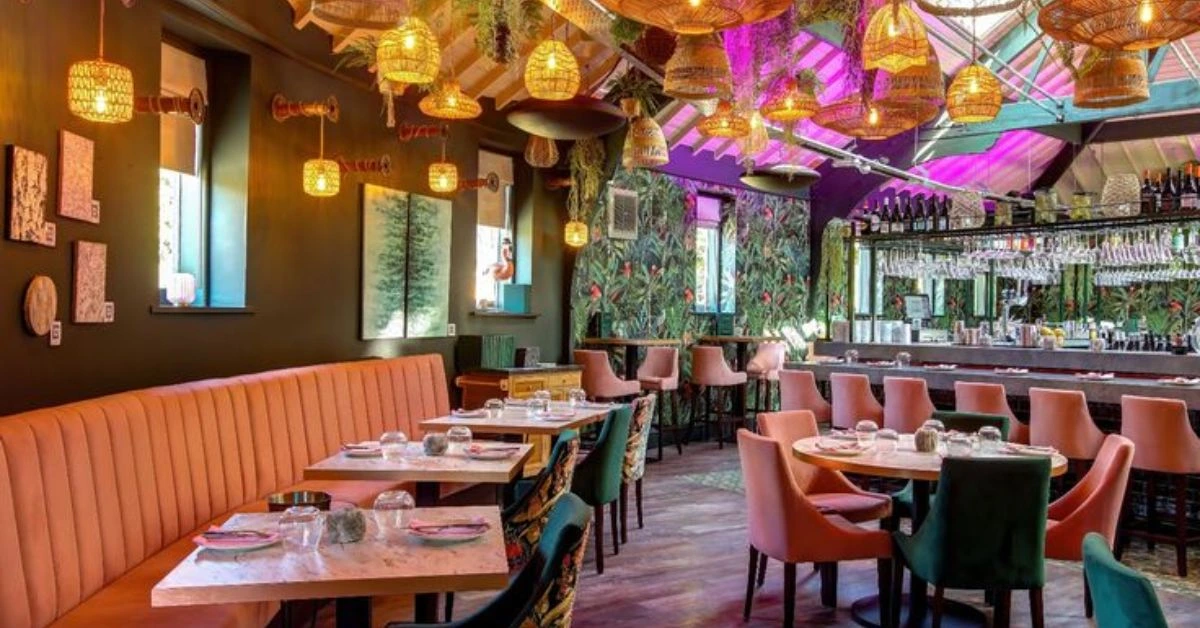
- Instagram-Worthy Interiors: Eye-catching decor? Vibrant colors? Gen Z and Millennials live for aesthetics.
- Affordable Luxury: They don’t need 5-star hotels but want stays that feel premium without burning a hole in their pocket.
- Local Experiences: Think cooking classes with locals, hiking hidden trails, or tasting regional food.
- Technology Integration: From virtual concierge services to app-controlled room lighting, they love modern conveniences.
Hospitality Design for Millennial and Gen Z Travelers
Now, here’s where it gets exciting. Creating hospitality spaces for Millennials and Gen Z isn’t just about having a trendy lobby or sleek furniture—it’s about designing experiences that resonate with their unique preferences.
1. Instagram-Worthy Corners
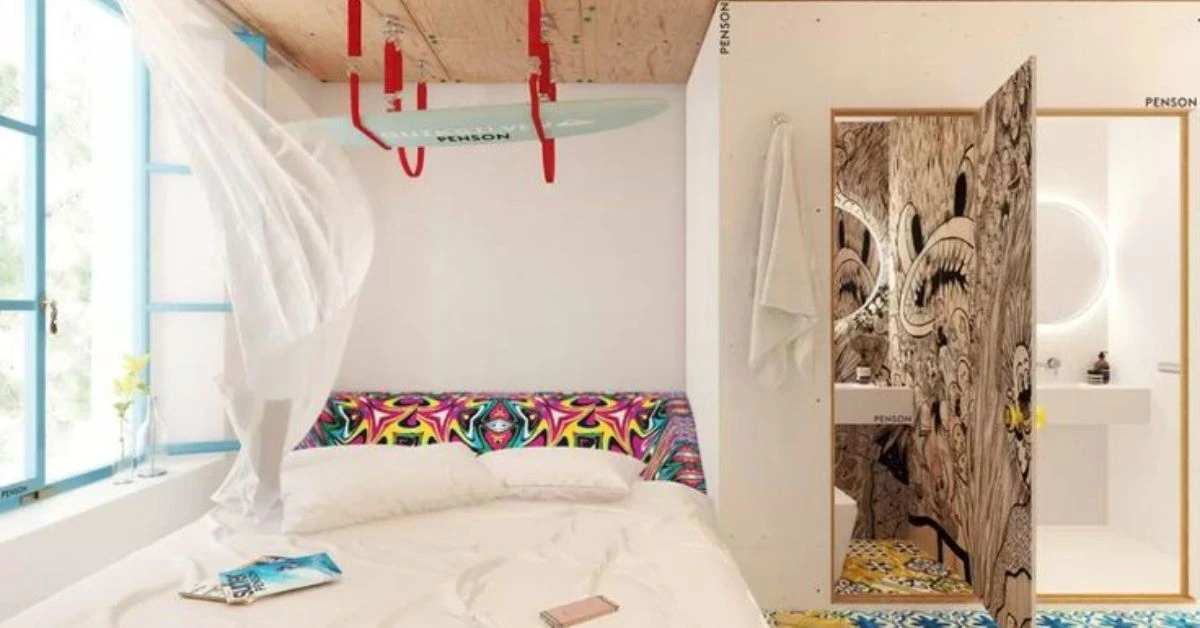
Let's face it: if it's not on Instagram, did it even happen? For Millennial and Gen Z travelers, hospitality design needs to be visually appealing. Think vibrant murals, quirky furniture, and cozy nooks perfect for selfies. Social media-friendly design is a top priority, as guests often double as brand ambassadors, sharing their experiences online.
2. Community Spaces
Millennials and Gen Z love building connections. Hospitality design should foster connections so design spaces where they can mingle, share experiences, and have fun together. They’re not just looking for a place to sleep; they want spaces to connect.
What Works:
- Co-Working Lounges: Comfortable areas with desks, outlets, and high-speed Wi-Fi for digital nomads.
- Communal Dining Areas: Long tables or buffet spaces where guests can dine together and exchange travel stories.
- Entertainment Zones: Spaces for activities like board games, karaoke nights, or movie screenings.
3. Flexible Rooms
Hospitality design furniture should cater to different traveler needs. Offer rooms that adapt to their needs. Maybe a cozy single space for Gen Z solo travelers or larger rooms with workspaces for Millennials on "bleisure" trips.
4. Tech-Friendly Features
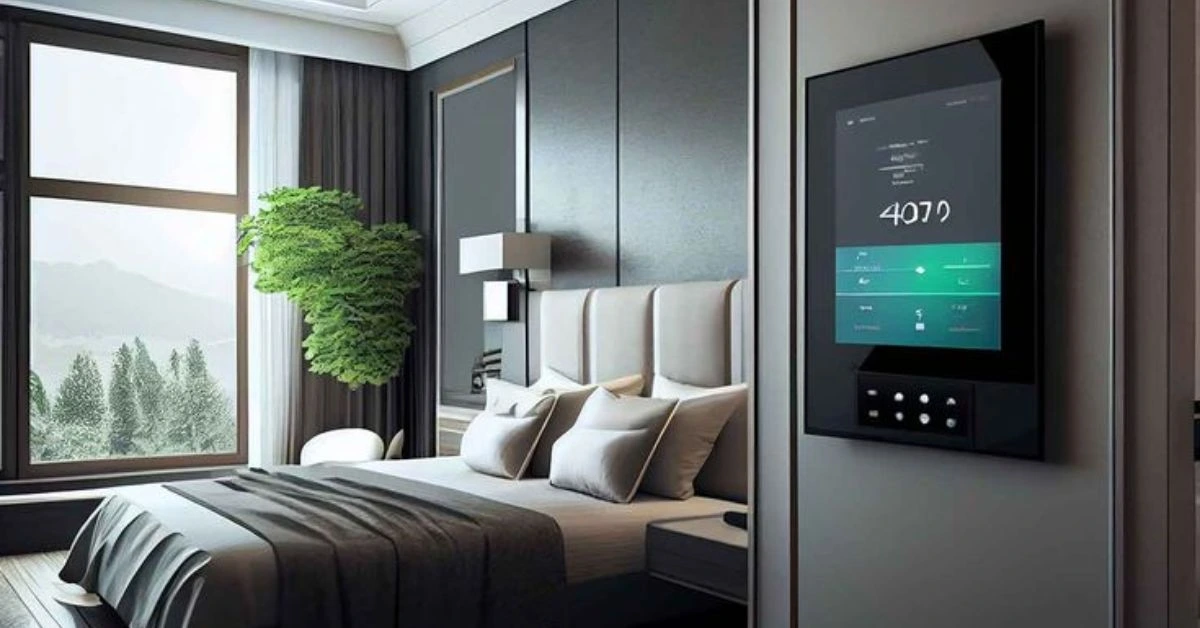
Imagine a room where guests can control the lights, temperature, and even the curtains through an app. Now, that’s impressive! Both Millennials and Gen Z expect technology to enhance their travel experience. They want everything to be fast, convenient, and accessible via their smartphones.
What Works:
- Smart Rooms: Allow guests to control lighting, temperature, and even curtains through an app. Add a "selfie mirror" in rooms with built-in lighting for a next-level personal touch.
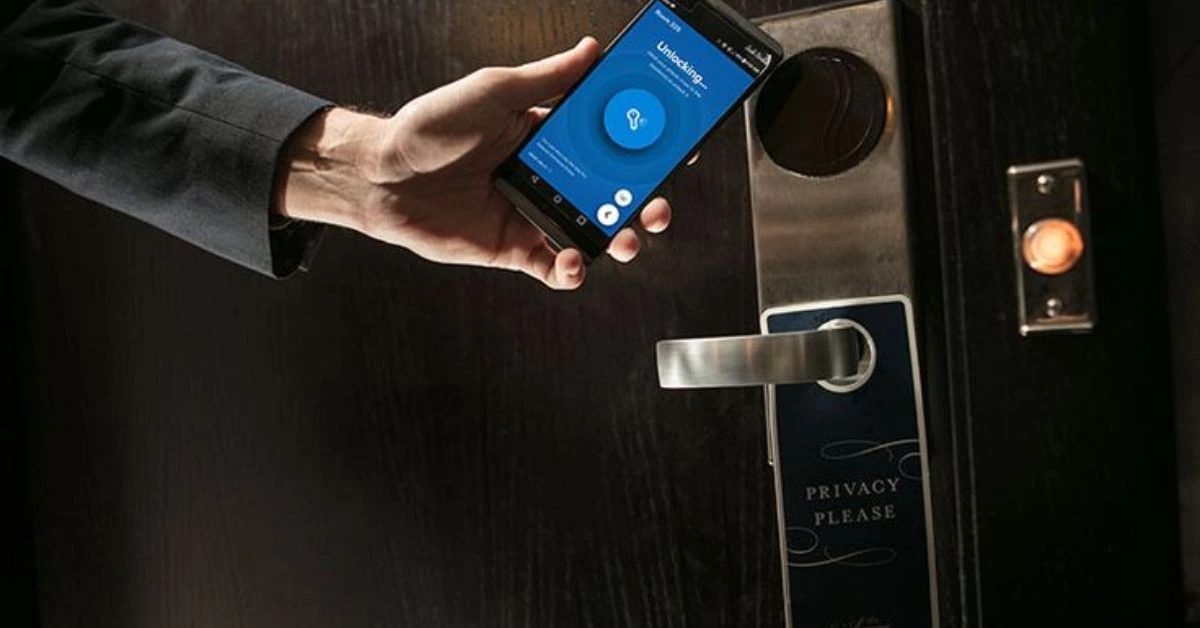
- Mobile Check-Ins: Skip the front desk with mobile check-ins and keyless room entry.
- Tech in Common Areas: Include charging stations, touch-screen kiosks, and interactive guides for local attractions.
Pro Tip: Add QR codes throughout the property that lead to local recommendations, room service menus, or activity schedules.
5. Sustainability-Driven Hospitality Design
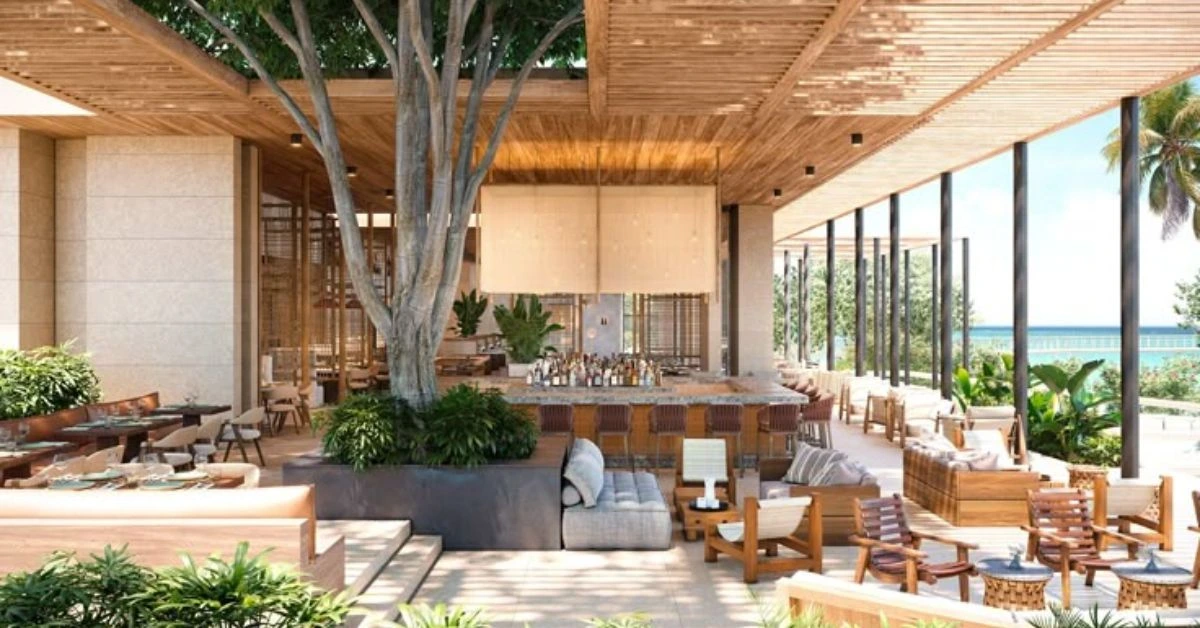
Gen Z, in particular, are eco-warriors, and Millennials aren’t far behind. According to Booking.com, over half (54%) of Gen Z travelers consider the environmental impact of their trips an important factor when planning travel. Hospitality design furniture needs to align with their values by incorporating sustainable practices and designs. Add greenery to your interiors—it’s a subtle but effective way to show you care about the planet.
6. Affordable Luxury: Less is More
Gone are the days when luxury was defined by excessive opulence. Millennials and Gen Z prefer minimalist yet luxurious designs that focus on quality over quantity. This "affordable luxury" concept emphasizes thoughtful details and understated elegance.
Design Must-Haves:
• Plush bedding and sleek furniture.
• Spa-inspired bathrooms with rain showers.
• Multi-functional spaces that are stylish and practical.
7. Personalized Experiences
Millennial and Gen Z travelers crave personalization. They want experiences tailored to their interests, from fitness routines to curated playlists in their rooms.
How to Nail It:
• Use guest data to offer personalized recommendations for activities, dining, or sightseeing.
• Provide wellness options like yoga mats, meditation apps, or in-room fitness equipment.
• Surprise guests with thoughtful touches like handwritten notes or birthday treats.
These small gestures go a long way in building lasting connections.
8. Entertainment-Focused Hospitality Design
From live music to movie nights under the stars, entertainment is a massive draw. These generations want to create lasting memories and share them with the world. An outdoor cinema or in-house karaoke bar could make your property stand out.
9. The Rise of Experiential Travel

For these generations, travel is about creating stories. Hotels must design spaces that encourage exploration and moments of awe.
Ideas:
• Organize rooftop yoga sessions at sunrise.
• Host art workshops or live music events.
• Offer adventure packages like hiking, cycling, or stargazing tours.
Hotels that deliver unique, memorable experiences will stay top of mind.
10. Wellness Beyond the Gym
Wellness isn't just about hitting the gym anymore. For Millennial and Gen Z travelers, it's about holistic well-being, including mental health and relaxation.
Wellness Trends to Include:
• Spa treatments using organic products.
• Meditation pods or quiet zones for relaxation.
• Healthy dining options, including plant-based and gluten-free choices.
Creating spaces that promote wellness helps guests recharge and leaves a lasting impression.
Conclusion
Millennials and Gen Z are not just travelers; they’re trendsetters shaping the future of hospitality. To stay relevant, hotels and resorts must integrate modern hospitality Design furniture, tech-friendly solutions, and sustainable practices. By aligning with their values and expectations, hospitality brands can ensure long-term success in an ever-evolving industry.
So, what’s the secret sauce for winning their hearts? Blend technology with aesthetics, throw in some sustainability, and add a sprinkle of personalized touches. Trust me, if you can cater to Millennials and Gen Z travelers, your hospitality brand will be the talk of the town.