Dubai Hotel FF&E Cost Overruns | Hidden Costs + Fixes
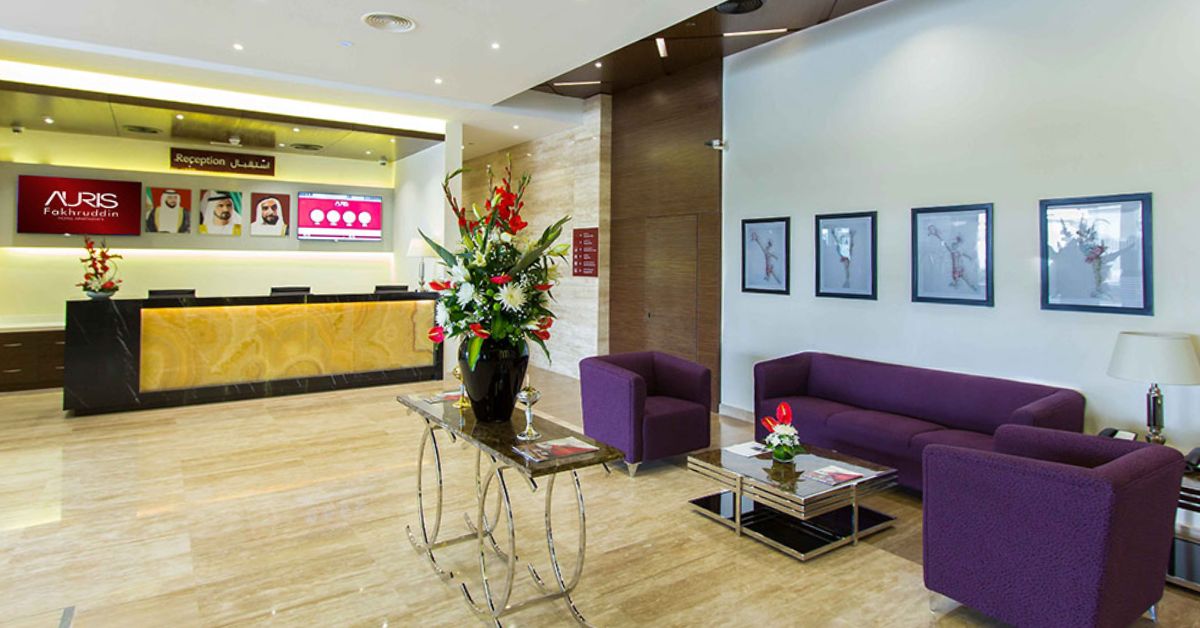
Hotel FF&E Cost Overruns in Dubai: Hidden Costs + How to Control Budget
Why does hotel FF&E always exceed budget? If you are managing a hotel project in Dubai, you have probably asked this question more than once. The approved budget looked tight but achievable. Six months later, you are looking at 15 to 25 percent hotel FF&E cost overruns in Dubai with no clear explanation of where the money went.
The answer is not in one big mistake. Hotel FF&E procurement cost control in Dubai depends on managing dozens of small leaks across the sourcing, manufacturing, quality control, and delivery chain. Each leak seems small on its own. Together, they drain budgets fast.
This guide exposes the 10 hidden cost drivers behind why hotel FF&E exceeds budget in Dubai, shows you Dubai-specific cost multipliers tied to delivery windows and storage constraints, and provides a practical cost control procurement process you can implement immediately.
Quick Answer: Why Does Hotel FF&E Always Exceed Budget in Dubai?
What Hotel FF&E Cost Overrun Really Means (Where the Extra Money Goes)
Most project managers track the purchase order total and think that is the budget. The real cost includes everything needed to get products installed correctly on site. Hidden costs in hotel FF&E procurement UAE include:
- Variations and change orders triggered by incomplete BOQs or mismatched specs
- Rework costs when quality control failures are found after arrival
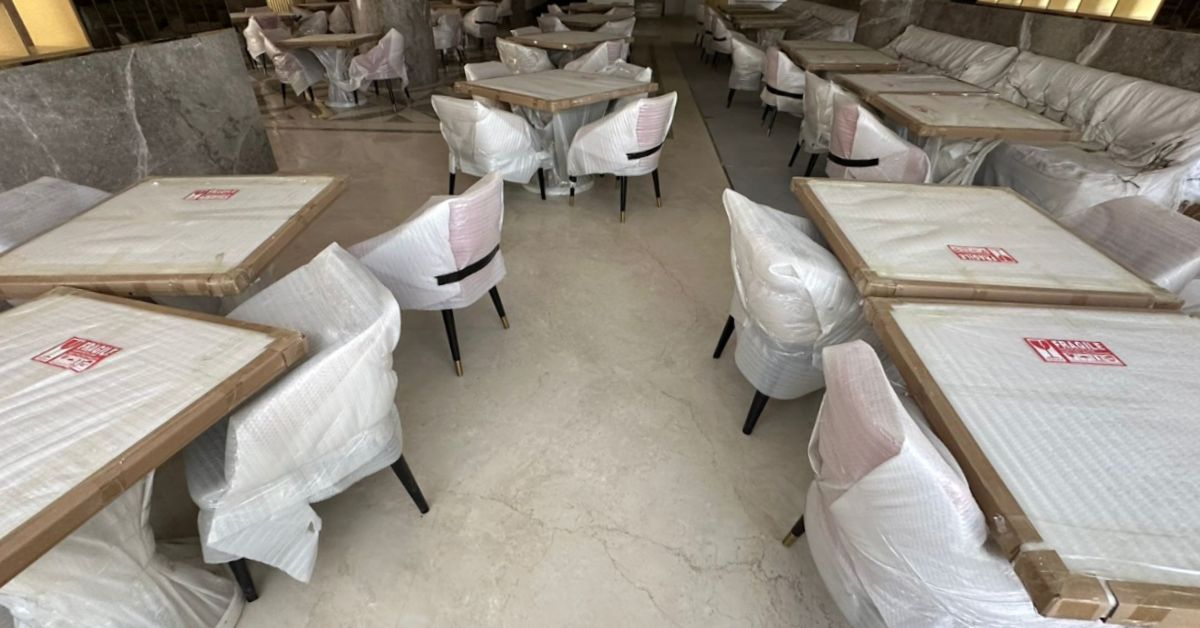
- Replacement costs for damaged items during packaging or shipping
- Re-handling and storage fees when the delivery timing does not match the site readiness
- Urgent local purchases at premium pricing when wrong items arrive, or deadlines compress
- Expediting fees and air freight temptation when production tracking fails
These are not theoretical risks. They are standard line items in final reconciliation reports. The difference between controlled projects and runaway budgets is how early and how systematically these risks are managed.
The 10 Hidden Cost Drivers Behind Hotel FF&E Cost Overruns in Dubai (With Fixes)
Understanding what causes cost overruns in hotel FF&E procurement in the region starts with naming the cost drivers. Here are the 10 most common culprits, ranked by frequency and budget impact.
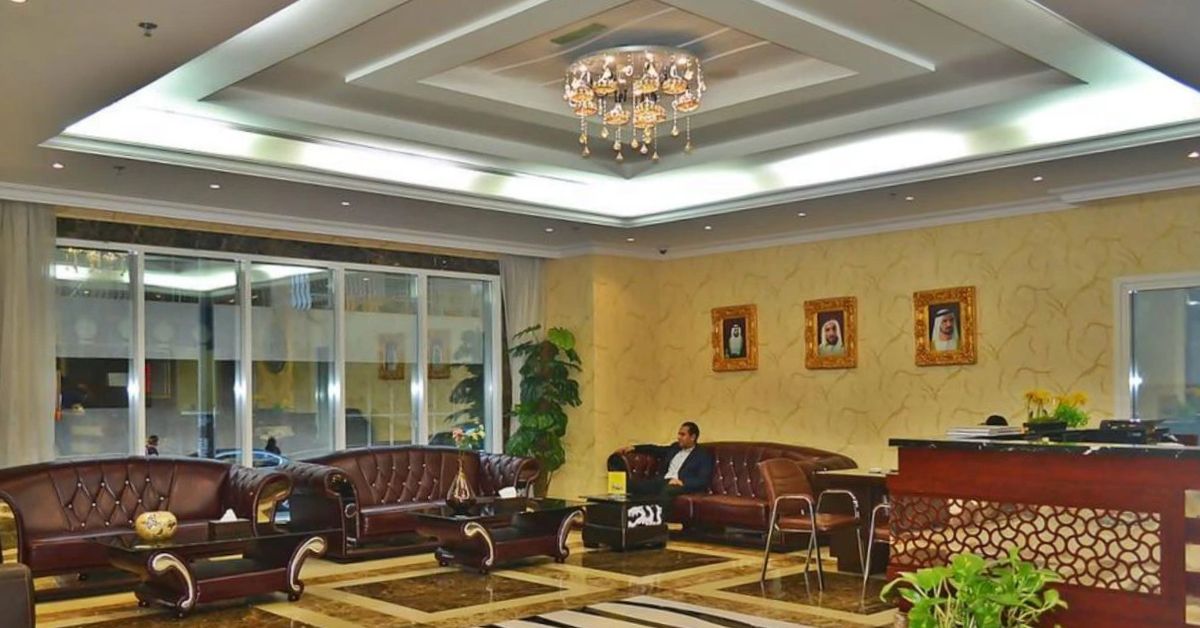
Before diving into specific cost drivers, consider how hotel procurement and sourcing support can systematically address these risks across all product categories.
1. Incomplete BOQ or Specs Lead to Variations and Change Orders
When the bill of quantities is vague on finishes, hardware, or dimensions, suppliers quote their standard interpretation. Six weeks into production, the design team realizes the finish does not match the approved mockup. Now you face a change order for an upgraded finish at a 20 to 30 percent markup because production has already started.
Fix: Lock BOQ scope before requesting quotes. Include finish samples, hardware specs, tolerance bands, and exclusions list. Use a scope matrix showing what is included and what is not. BOQ mistakes that increase FF&E cost can be avoided with upfront clarity.
2. Quote Scope Mismatch (FOB vs Delivered vs Installation Support)
Supplier A quotes FOB factory. Supplier B quotes delivered to the site. Supplier C includes installation coordination support. Without standardizing the scope, you cannot compare hotel FF&E quote comparison checklists properly. The lowest unit price often becomes the highest total cost after adding freight, customs clearance, inland transport, and site delivery booking fees.
Fix: Demand apples-to-apples quotes. Use a standard RFQ template that breaks out unit cost, packing, QC, freight, inland transport, delivery scheduling, spares, warranty, lead time, and exclusions. How to compare FF&E supplier quotes apples-to-apples starts with identical scope definitions.
3. Late Sample or Mockup Changes Trigger Rework and Schedule Compression
Sample approval happens three weeks into production. The design team requests a slight finish adjustment. The manufacturer has to scrap completed units, restart production, and compress the schedule to meet the original delivery date. Rework cost plus expediting fees can add 10 to 15 percent to that product category.
Fix: Complete sample and mockup sign-off before issuing purchase orders. Freeze finishes and dimensions at the PO stage. Sample and mockup changes increase FF&E cost only when they happen after production starts. Build buffer time for sampling into the project schedule, not into the production window.
4. Wrong Finishes or Poor Finish Control Lead to Rejection and Remake
Finish consistency across batches is one of the hardest things to control in contract manufacturing for hotel casegoods. Veneer grain match, stain color under different lighting, and lacquer sheen level all drift slightly batch to batch. When a finish mismatch is discovered during installation, you face a full remake or acceptance of visible inconsistency.
Fix: Specify finish tolerance bands upfront. Require batch consistency checks during production. Demand side-by-side comparison photos under neutral lighting before final sign-off. How do wrong finish increase FF&E cost is answered by the cost of remakes plus delay penalties.
5. Weak Production Tracking Creates Expediting Costs and Air Freight Temptation
Without weekly production tracking, delays surface only two weeks before the planned shipping date. Now the choice is accept the delay or pay for air freight. Air freight for furniture can cost 5 to 10 times the ocean freight. Even partial air shipment of critical path items drains contingency fast.
Fix: Implement milestone-based tracking with photo evidence at each stage: material receipt, cutting, assembly, finishing, packing. Flag delays when there is still time to adjust the schedule or re-sequence other deliveries, not when air freight is the only option.
6. QC Failures Found After Arrival Cause Rework and Replacement
Quality control happens at the wrong time or not at all. Products arrive on site, installation starts, and now you discover drawer alignment issues, hardware defects, or dimension errors. Shipping products back is not realistic. Rework on site is expensive and rarely matches factory quality. You end up ordering replacements on a compressed timeline.
Fix: Require pre-shipment inspection with documented evidence pack: dimension checks, finish match, hardware testing, surface inspection, packaging test, and photo or video proof. The QC checklist to prevent hotel FF&E rework costs includes tolerance verification, function testing, and batch consistency checks before container loading.
7. Packaging or Shipping Damage Requires Remake and Claims Management
Standard packaging is designed for short domestic moves, not international ocean freight. Without export-grade packaging with edge protection, corner guards, a moisture barrier, and proper bracing, damage rates can hit 5 to 10 percent of high-value items. Insurance claims take months. You still need replacement units immediately to meet the opening date.
Fix: Specify export packaging standards in the purchase order: edge protection, corner guards, moisture barrier, bracing, and container loading plan. Require photo evidence of packaging and loading. The cost of shipping damage is 2 to 3 percent of the product value. The cost of damage is 100 percent replacement plus delay.
8. Dubai Last-Mile Constraints (Delivery Windows and Access Rules)
Hospitality projects in the region have strict delivery windows, often limited to specific hours or days. Miss your delivery slot, and you pay for re-handling, storage, and re-booking. Limited site storage means products cannot sit on-site for weeks. Off-site warehousing adds cost. Project handover phasing requires precise sequencing, or you move the same item twice.
Fix: Plan delivery sequencing by floor or zone, not by product category. Confirm delivery windows and access rules early. Coordinate with the site team on storage and staging. Last-mile constraints, including re-handling fees, warehouse rental, and slot rebooking charges, can multiply logistics costs significantly.
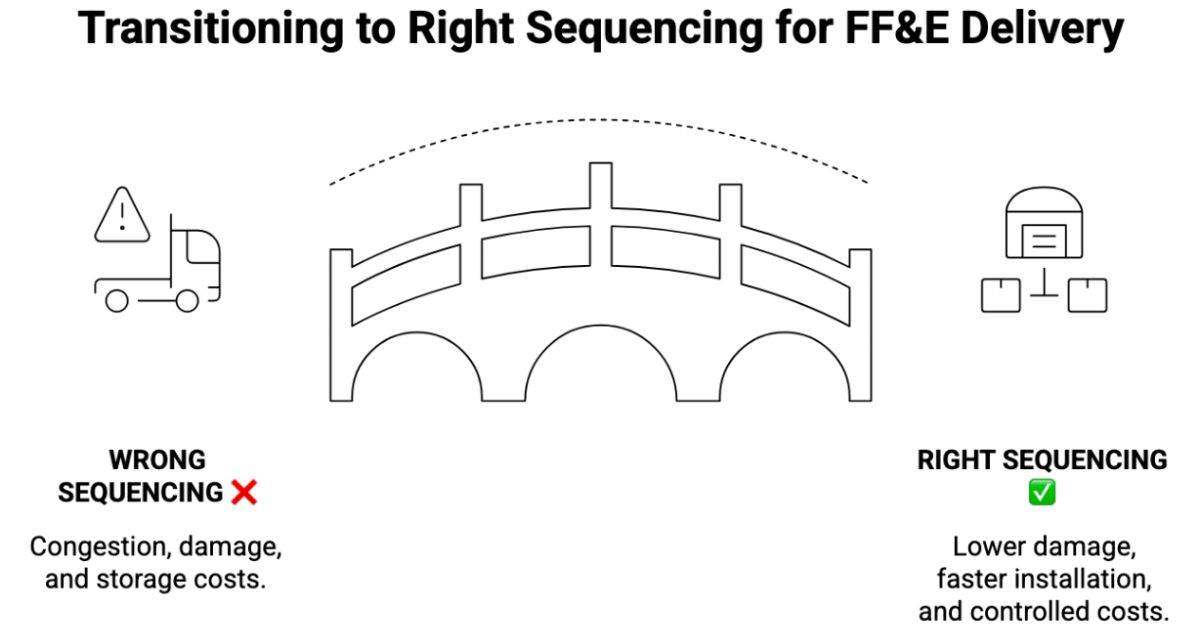
9. Bad Sequencing Means Everything Arrives at Once (Damage and Double Handling)
When all furniture and fixtures arrive in the same week, the site storage is overwhelmed. Items get stacked improperly, leading to damage. Installation crews cannot access what they need without moving everything else. You pay for double-handling. Damaged items during re-stacking require replacement.
Fix: Sequence deliveries to match installation sequence. Deliver floor-wise or zone-wise in coordination with site progress. How delivery sequencing should reduce FF&E re-handling costs is answered by aligning product arrival with actual installation readiness, not theoretical timelines.
10. Last-Minute Local Purchases When Items Arrive Late or Wrong
Opening date is fixed. A shipment is delayed or arrives with defects. You need replacement units now. Local suppliers know you are in a bind. Premium pricing of 30 to 50 percent above normal becomes the cost of meeting the deadline. Finishes rarely match the original spec perfectly, creating visible inconsistency.
Fix: Build 3 to 5 percent spares inventory for critical path items in the original order. Confirm replacement lead time and spares policy in the contract. Last-minute furniture purchases can add 30-50% to unit costs when timeline pressure exists.
What We Track Weekly
Our procurement process requires specific evidence at each milestone: pre-shipment evidence packs with dimension verification and finish match checks under neutral light, container loading photo logs showing proper bracing and void fill, floor-wise delivery sequencing plans aligned with site handover phases, and documented spares strategies for critical items. This evidence-based approach prevents budget overruns by catching issues before they reach the site.
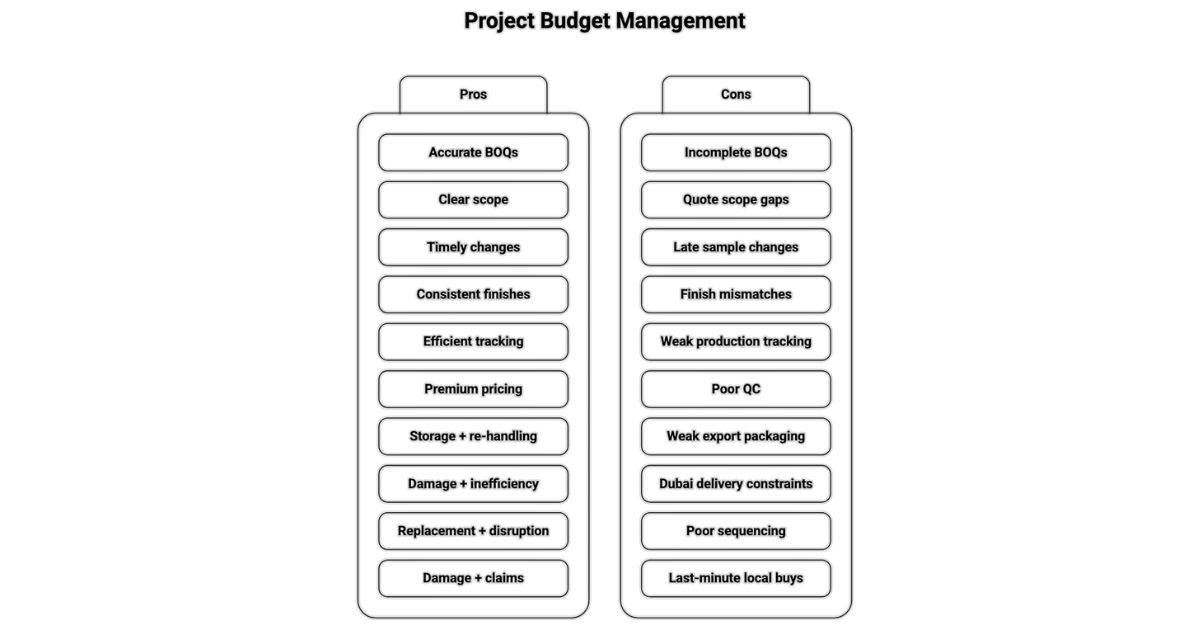
Why hotel FF&E costs overrun in Dubai
Hotel FF&E costs overrun in Dubai because budgets track only purchase orders while missing predictable hidden costs: rework from late spec changes, replacement of QC failures, shipping damage from inadequate packaging, re-handling fees from poor sequencing, and urgent local purchases at premium pricing. Dubai's strict delivery windows, limited site storage, and phased handovers amplify these costs, making early spec lock, pre-shipment QC evidence, and floor-wise delivery sequencing essential rather than optional.
Quick Breakdown: Why Hotel FF&E Costs Overrun in Dubai
Dubai-Specific Cost Multipliers That Amplify FF&E Budget Pressure
Global procurement challenges exist everywhere. Dubai hotel openings add specific cost multipliers that make hotel FF&E procurement budget control more complex than in other markets.
Limited On-Site Storage Means Paid Warehousing and Staging
Most hospitality projects in the region have minimal on-site storage. Products cannot arrive months early and sit in the loading area. Off-site warehousing costs 20 to 40 AED per square meter per month. For a 200-room hotel, warehouse and staging costs can add 50,000 to 100,000 AED over three months if sequencing is wrong.
Delivery Slot Booking and Access Control: Add Re-Handling Fees
Deliveries to high-rise towers or mixed-use developments require pre-booked time slots. Miss your slot due to customs delay or traffic, and you pay for rescheduling, additional handling, and possibly storage until the next available window. Reducing double-handling costs depends on buffer planning and real-time tracking.
Phased Handovers Require Floor-Wise Delivery Precision
Regional developers often hand over floors or zones in phases to start soft openings early. Your delivery plan must align with phased handover schedules. Deliver too early, and products sit unprotected on incomplete floors. Deliver too late, and you delay the opening. Delivery sequencing and staging costs come from misalignment between procurement timelines and actual site readiness.
Urgent Add-Ons Face Dubai Premium Pricing When Suppliers Know Deadlines Are Tight
When you need items urgently, local suppliers adjust pricing based on your deadline pressure. The same item that costs 500 AED with normal lead time jumps to 700 AED when you need it in 48 hours. Supplier scope gaps that cause variations are amplified by timeline compression and local market pricing behavior.

The Cost-Control Procurement Process (8 Steps to Prevent Overruns)
Controlling hotel FF&E cost is not about finding the cheapest supplier. It is about systematically removing cost-risk gaps across the sourcing, manufacturing, quality control, and delivery chain. Here is the process that prevents budget blowouts.
- Lock BOQ and Create Scope Matrix Before Requesting Quotes
- Issue RFQ with Apples-to-Apples Comparison Template
- Complete Sampling and Mockup Sign-Off Before PO
- Issue PO with Milestone Tracking and Evidence Requirements
- Conduct QC Checkpoints with Documented Evidence Pack
- Specify Export Packaging Standard to Reduce Damage Cost
- Confirm Shipping and Documentation Readiness Early
- Plan Floor-Wise Sequencing and Installation Coordination Support
Freeze finishes, hardware specs, dimensions, and tolerances. Document what is included and what is excluded. Share the scope matrix with all suppliers so quotes reflect the identical scope. BOQ to RFQ to PO cost control workflow starts here.
Require suppliers to break out unit cost, packing, QC, freight, inland transport, delivery scheduling, spares, warranty, lead time, and exclusions. This makes cost comparison transparent and prevents hidden add-ons later.
Approve finishes, dimensions, hardware, and construction details before production starts. Late changes are the single biggest source of rework cost. Sample approval and mockup sign-off must happen before PO issuance, not during production.
Break production into trackable milestones: material receipt, cutting, assembly, finishing, packing. Require photo or video evidence at each milestone. Milestone-based payments tied to QC evidence keep suppliers accountable and give you early warning of delays.
Require pre-shipment inspection covering finish match, tolerance checks, hardware testing, surface inspection, and packaging test. Demand a photo and video evidence pack. Third-party QC inspection adds 1 to 2 percent to the cost but prevents 10 to 15 percent rework and replacement costs.
Include edge protection, corner guards, moisture barrier, bracing, and container loading plan in the PO. Require loading photos and a container stuffing plan. Export packaging standards are non-negotiable for international shipments to reduce damage costs.
Verify export documentation, shipping line booking, customs clearance requirements, and inland transport arrangements two weeks before planned shipment. Late discovery of missing documents or booking delays adds storage cost and compresses site timelines.
Align delivery timing with actual site readiness and installation sequence. Coordinate with the site team on delivery windows, access rules, storage, and staging. Delivery sequencing by floor or zone prevents re-handling, damage, and double payment for the same logistics task.
What to Share for Accurate Pricing
To get accurate pricing and avoid variations, share:
- BOQ/specs with finish samples and hardware details
- Dubai location and site type (mixed-use, standalone, high-rise)
- Target opening date
- Budget band per category
- Delivery phasing (if handovers are staggered)
Apples-to-Apples Quote Comparison Template (What Must Be Included)
Use this template to ensure all supplier quotes include an identical scope. Without this, you cannot compare costs accurately and will face surprise add-ons later.
Cost Component | What Must Be Included in the Quote |
Unit Cost | Price per unit for the exact spec, finish, and hardware in the BOQ |
Packing | Export packaging with edge protection, corner guards, a moisture barrier, and bracing |
QC and Inspection | Pre-shipment inspection with a photo and video evidence pack |
Freight | Ocean or air freight to Dubai port, including container booking and shipping line charges |
Incoterm + Delivery Responsibility | Specify FOB, CIF, DDP, or Delivered to site with clear responsibility handoff points |
Customs and Inland | Customs clearance, duties if applicable, and inland transport to the site |
Delivery Scheduling | Delivery window booking, site access coordination, floor-wise sequencing support |
Spares | 3 to 5 percent spares for critical items, included in the main order or quoted separately |
Warranty | Warranty period, coverage scope, replacement process, and response time |
Lead Time | Production lead time from PO to ready-to-ship, plus shipping duration to Dubai |
Exclusions | Clear list of what is NOT included to prevent surprise add-ons |
QC Checklist Before Dispatch (Evidence-Based Quality Control)
Pre-shipment inspection is the only reliable way to prevent rework costs. This checklist must be completed with photo or video evidence before container loading.
- Finish Match: Compare actual finish against approved sample under neutral lighting. Check batch consistency across multiple units. Document with side-by-side photos.
- Tolerance and Dimension Checks: Verify all dimensions against approved drawings. Check tolerances for drawers, doors, and shelves. Measure diagonals to confirm squareness.
- Hardware Testing: Test drawer slides, door hinges, locks, handles. Verify soft-close mechanisms. Check hardware finish and mounting security.
- Surface Inspection: Check for scratches, dents, finish defects, veneer bubbles, and joint gaps. Inspect all visible and hidden surfaces.
- Packaging Test: Verify edge protection, corner guards, and moisture barrier. Check bracing and void fill. Confirm carton strength and labeling.
- Photo and Video Evidence Pack: Document finish match, dimension verification, hardware testing, surface condition, and packaging quality. Include container loading sequence photos.
How to Control Costs Without Compromising Quality or Timeline
Budget control is not about cutting corners. It is about removing waste and risk from the procurement process. Here are the principles that keep costs predictable without quality compromise.
Standardize Specs to Enable Competitive Bidding
Custom one-off items are expensive because suppliers cannot spread tooling and setup costs. Standardize where possible. Use modular designs that share components. This enables multiple suppliers to bid competitively and reduces unit cost without sacrificing design intent.
Lock Finishes Early to Prevent Rework Cycles
Finish changes during production are the most expensive type of change. They require scrapping completed units, restarting production, and compressing schedules. Lock finishes during sampling. Accept that real-world finishes under site lighting may look slightly different than the sample under showroom lighting. Build that expectation into the approval process.
Buy Spares Upfront to Avoid Emergency Premium Pricing
Include 3 to 5 percent spares for critical path items in the original purchase order. Unit cost for spares ordered upfront is the same as the main order. Unit cost for emergency replacement ordered six months later can be 30 to 50 percent higher due to minimum order quantities, setup fees, and timeline pressure. Spares strategy for critical items is insurance against unforeseen damage or defects.
Avoid Micro-Orders That Multiply Handling and Shipping Costs
Splitting orders across many suppliers increases coordination complexity and shipping cost. Consolidate categories with fewer suppliers where possible. Multi-vendor coordination increases freight charges, customs clearance fees, delivery coordination, and invoice reconciliation costs. Each additional supplier adds administrative and logistics overhead.
Track Milestones Weekly to Catch Delays Early
Weekly milestone tracking with photo evidence gives you visibility into production progress and early warning of delays. This allows you to adjust delivery schedules, re-sequence other items, or escalate issues while there is still time to fix them. Monthly updates are too slow. By the time a delay surfaces, your options are limited to accepting the delay or paying expediting fees.
Get a Budget-Risk Assessment for Your Dubai Hotel Project
Share your BOQ, or specs, Dubai location, and target opening date. We will respond with:- Recommended sourcing route based on your budget and timeline
- Cost-risk flags for items with high variation or damage potential
- QC plan covering pre-shipment inspection and evidence requirements
- Delivery sequencing approach aligned with your site schedule
Conclusion
Hotel FF&E cost overruns in Dubai are not caused by bad luck or unforeseen circumstances. They are caused by predictable gaps in the procurement process, quality control, packaging standards, and delivery coordination. The difference between projects that finish on budget and projects that overrun by 20 percent is systematic risk management across sourcing, manufacturing, QC, and logistics. Use the cost control checklist. Lock your specs early. Demand pre-shipment QC evidence. Specify export packaging. Sequence deliveries to the site in progress. These are not optional best practices. They are the minimum standard for budget control in hotel FF&E procurement.
FAQs
What causes cost overruns in hotel FF&E procurement in Dubai?
Hotel FF&E cost overruns in Dubai are caused by incomplete BOQs, mismatched quote scope, late sample changes, weak QC leading to rework, shipping damage, delivery window constraints, poor sequencing, and last-minute local purchases at premium pricing.
- Incomplete or vague BOQs create scope gaps that lead to change orders
- Quote scope mismatches make price comparison impossible
- Late sample approvals force rework and schedule compression
- Weak QC allows defects to reach the site, requiring costly replacement
- Dubai delivery windows and storage limits add re-handling costs
Why does hotel FF&E always exceed budget in Dubai projects?
Hotel FF&E exceeds budget because most project managers only track purchase order totals and miss hidden costs like rework, replacement, re-handling fees, warehousing costs, and urgent local purchases when deadlines compress.
- Budgets only track PO totals, not the total cost to install
- Hidden costs from variations, rework, damage, and re-handling are not forecasted
- Dubai delivery constraints multiply logistics costs
- Timeline pressure forces premium pricing for urgent replacements
What are the hidden costs in hotel FF&E procurement?
Hidden costs include change orders from incomplete specs, rework costs when finishes are rejected, replacement costs from quality failures, shipping damage from inadequate packaging, and premium pricing for last-minute purchases..
- Variations and change orders from scope gaps
- Rework and replacement of QC failures
- Damage costs from poor packaging or handling
- Storage, re-handling, and emergency purchase premiums
How do I compare FF&E supplier quotes apples-to-apples?
Use a standard RFQ template that breaks out unit cost, packing, QC, freight, inland transport, delivery scheduling, site access coordination, spares, warranty, lead time, and exclusions list.
- Use the standard RFQ template with an identical scope for all suppliers
- Break out all cost components: unit, packing, QC, freight, and delivery
- Include spares, warranty, and lead time in comparison
- Document exclusions to prevent surprise add-ons
How do QC failures create cost overruns in FF&E?
QC failures create cost overruns because defects discovered after products arrive on site require immediate replacement or local rework. Replacement units ordered urgently face minimum order quantities, setup fees, expediting charges, and compressed lead times.
- Defects found after arrival cannot be shipped back economically
- Local rework is expensive, and quality is inconsistent
- Replacement orders face urgent pricing and expediting fees
- Delay penalties compound when the opening date is fixed
How do I reduce shipping damage costs for hotel furniture to Dubai?
To reduce shipping damage costs for hotel furniture to Dubai, specify export-grade packaging standards in the purchase order, including edge protection, corner guards, moisture barrier, internal bracing, and proper void fill. Require photo evidence of the packaging process and container loading sequence. Conduct random packaging inspections during pre-shipment QC. Use container stuffing plans that prevent shifting during ocean transit. Insurance claims take months to settle and do not prevent project delays, so prevention through proper packaging is the only reliable cost control strategy.
- Specify export packaging standards: edge protection, corner guards, moisture barrier
- Require photo evidence of packing and container loading
- Conduct packaging inspection during pre-shipment QC
- Use container stuffing plans to prevent shifting
What last-mile issues in Dubai increase FF&E costs?
Last-mile issues in Dubai hospitality projects include strict delivery window bookings with penalties for missed slots, limited on-site storage requiring paid warehousing, access control rules that restrict delivery hours, and phased handovers demanding precise floor-wise delivery timing.
- Delivery window bookings with re-scheduling penalties
- Limited storage requiring off-site warehousing
- Access rules restricting delivery hours and requiring coordination
- Phased handovers require precision floor-wise sequencing
How should delivery sequencing reduce FF&E re-handling costs?
Delivery sequencing reduces FF&E re-handling costs by aligning product arrival timing with actual installation readiness and site progress. Deliver floor-wise or zone-wise in coordination with the construction schedule. Avoid bulk deliveries that overwhelm site storage. Coordinate with the site team on delivery windows, access rules, and staging areas. Products that arrive too early require warehousing and multiple handling events. Products sequenced to installation timing move directly from delivery to installation without intermediate storage, reducing handling, damage risk, and logistics cost.
- Align delivery timing with installation sequence, not theoretical timelines
- Deliver floor-wise or zone-wise to match site progress
- Coordinate with the site team on Windows, access, and staging
- Prevent early arrivals that require warehousing and re-handling
How much should I keep as contingency for FF&E in a Dubai hotel?
Keep 8 to 12 percent contingency for FF&E in a Dubai hotel project. This covers predictable hidden costs like minor variations from spec adjustments, replacement of damaged items during shipping or installation, storage and re-handling fees from delivery timing misalignment, spares inventory for critical items, and urgent local purchases when unforeseen issues arise. Projects with weak procurement processes or aggressive timelines need higher contingency. Well-managed projects with locked specs, pre-shipment QC, export packaging, and delivery sequencing can operate at the lower end of this range.
- Standard contingency: 8 to 12 percent of FF&E budget
- Higher contingency for aggressive timelines or weak processes
- Lower contingency for locked specs, pre-shipment QC, and sequenced delivery
- Covers variations, damage, re-handling, spares, and urgent purchases
Can one procurement partner control FF&E cost across categories?
Yes, a single-window sourcing and manufacturing partner can control FF&E cost across categories by standardizing quote scope, conducting unified pre-shipment QC, coordinating consolidated shipments to reduce freight cost, managing delivery sequencing across all product categories, and providing centralized evidence tracking for milestones and quality checks. This eliminates multi-vendor coordination costs, prevents scope gaps between suppliers, and gives you one point of accountability for cost control, quality, and timeline. Arcedior supports hotel projects with global sourcing of interior products, custom and contract manufacturing, QC inspections, logistics coordination, and installation support as a single-window partner.
- Compare quotes apples-to-apples
- Approve samples and mockups
- Track production milestones