Luxury Furniture Sourcing from India for LA & Beverly Hills Homes
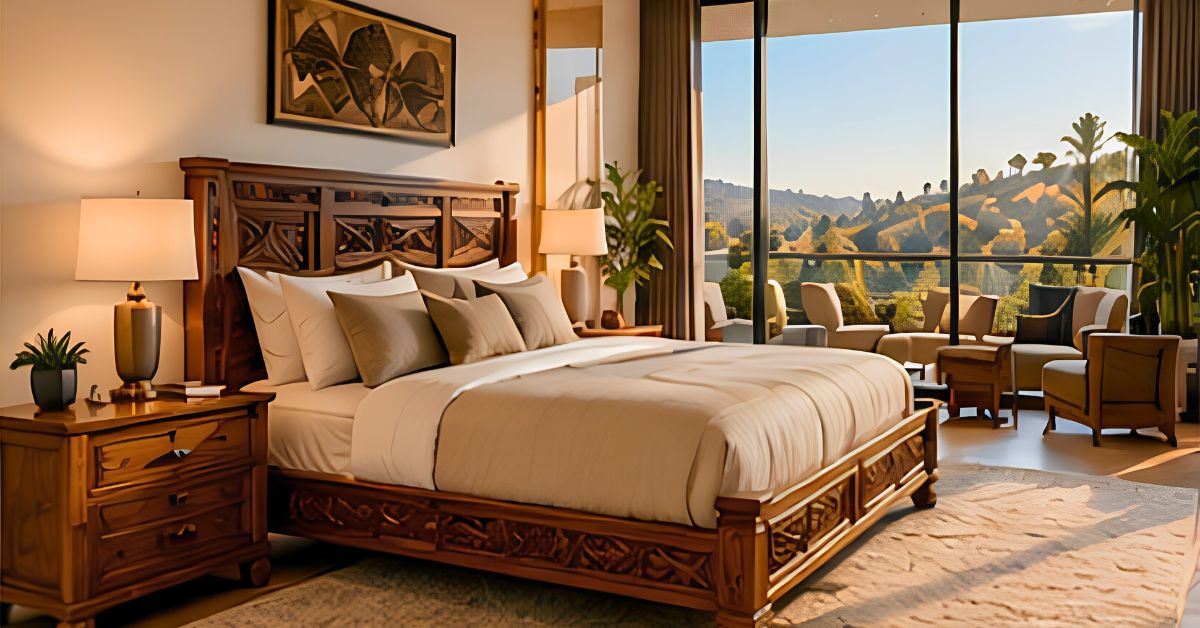
How Luxury Homeowners in Los Angeles and Beverly Hills Source Premium Custom Furniture from India
Luxury furniture sourcing from India for Los Angeles homes has a reputation problem. Not with the furniture itself. The craft coming out of Jodhpur, Saharanpur, and Moradabad is genuinely difficult to find elsewhere at any price. The problem is the process.
Custom furniture procurement from India to the USA involves moving pieces across 10,000 miles, through two customs systems, into a port, and eventually into a villa in Beverly Hills or Bel Air. Most homeowners attempting this on their own hit one of three walls: an unreliable factory, a surprise at the Port of Los Angeles, or a delay that misses the project move-in date entirely.
A structured India-based procurement partner eliminates all three. Here is exactly how the full process works in 2026, what it costs, and what compliance steps protect a California buyer.
Quick Answer:
Why LA and Beverly Hills Homeowners Choose India for Custom Furniture
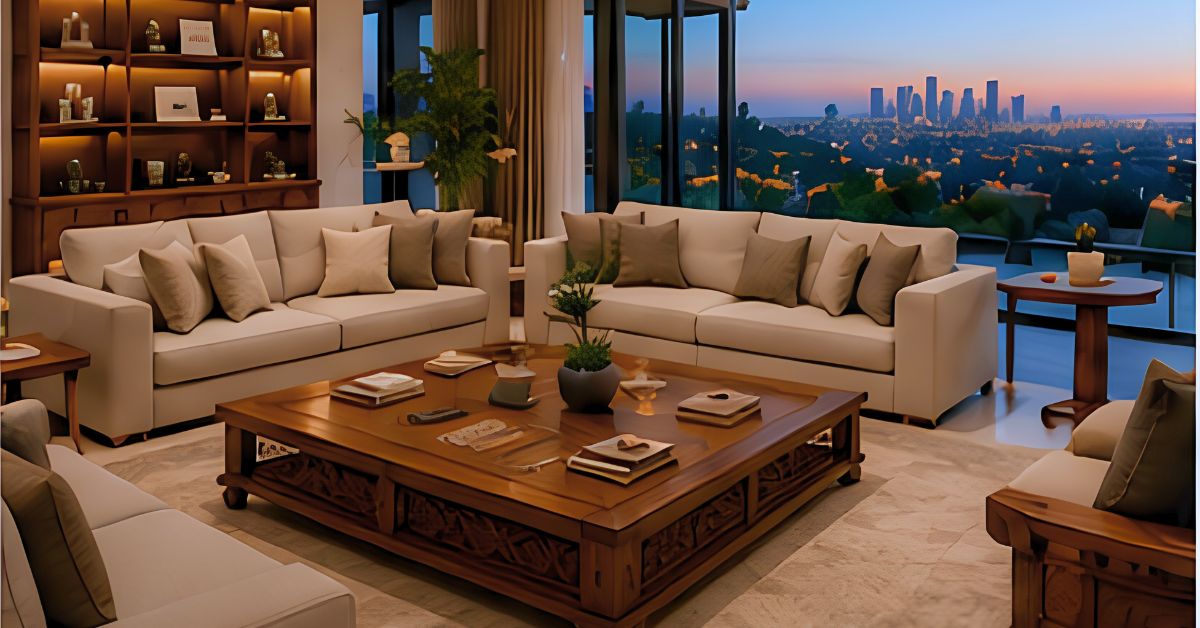
The short version: Certain hand-carved, solid-wood, and custom-manufactured furniture categories available from Indian manufacturers are difficult to source in the US at the same level of craftsmanship and price point.
Jodhpur produces some of the finest hand-carved solid sheesham and mango furniture in the world. Saharanpur has a centuries-old tradition of wood inlay and marquetry work. The factories there are not producing catalogue items for export containers. They are making pieces to specification, to dimension, with finishes that take weeks to build up by hand. That kind of manufacturing infrastructure simply does not exist in the US residential supply chain at the same scale or cost.
The cost comparison holds even after shipping and customs. A custom bedroom suite in solid wood with a king bed, two nightstands, a wardrobe, and a dresser typically lands in Beverly Hills for USD 10,500 to 27,000, depending on complexity and finish. The equivalent US custom bespoke piece, if you can find a maker at all, runs USD 35,000 to 80,000. That gap is large enough that many interior designers working on high-value homes across Bel Air, Brentwood, Pacific Palisades, and Malibu now specify India-origin as a default for custom solid wood case goods.
Beyond cost, there is the depth of customisation. Dimensions, species, stain colour, hardware, upholstery, joinery profiles. You are not choosing from three finishes on a website. You are approving a physical sample board sent to your US address before a single piece goes into production.
Before You Pay a Deposit, Download This
Download the India Furniture Import Checklist for US Residential Projects – a practical 47-point checklist used to verify vendors, review compliance, approve samples, manage QC, and prepare for customs clearance.
How the Procurement Process Works End to End
This is the part that looks complicated from the outside and is not, with the right partner in place.
- Brief and project scoping
- Vendor shortlisting
- Sample and finish approval
- Production with in-process QC
- Pre-dispatch QC and export packing
- US customs preparation and container loading
- Port arrival, CBP clearance, and white-glove delivery
Room list, dimensions, material references, finish direction, and target delivery date. A complete brief cuts two weeks off the lead time. Photos of existing pieces, Pinterest boards, and CAD drawings all work as source material.
Factories in Jodhpur, Saharanpur, Moradabad, Kolkata, and Bangalore are screened against the project category, US export track record, and capacity. A residential villa project with solid wood case goods needs a different factory than a hospitality upholstery order.
Finish boards (6 to 8 stain, lacquer, or oil options) are couriered via DHL to the US address. Fabric and upholstery swatches follow if required. Physical approval before production starts. No shortcuts here.
Photo documentation at the 50 percent production stage confirms that material, dimension, and finish are tracking against the approved brief. Issues at this stage are fixable. Issues discovered at dispatch are not.
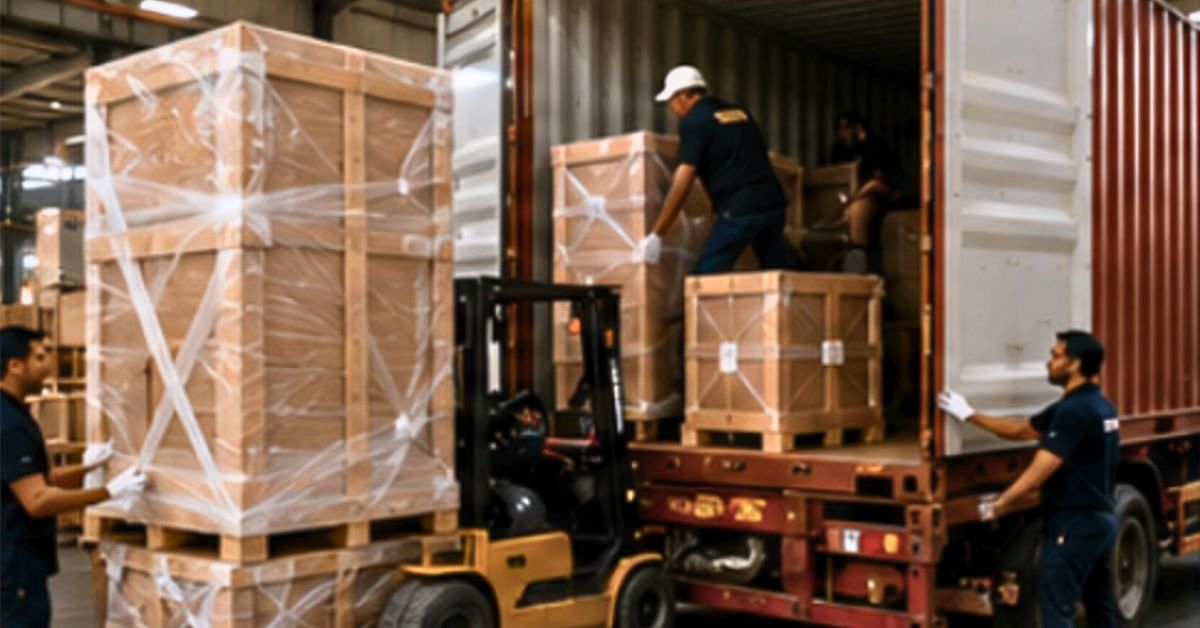
Full piece inspection with the approved sample board placed directly alongside. Video evidence is shared with the client before the container is sealed. Export-grade packing only: corner guards, foam wrap, crate, or double-wall carton with moisture barrier.
ISF 10+2 filing, Bill of Lading, Lacey Act plant declaration, and commercial invoice with full HTS codes. All filed before vessel departure. No vague invoice descriptions that trigger examination at the LA port.
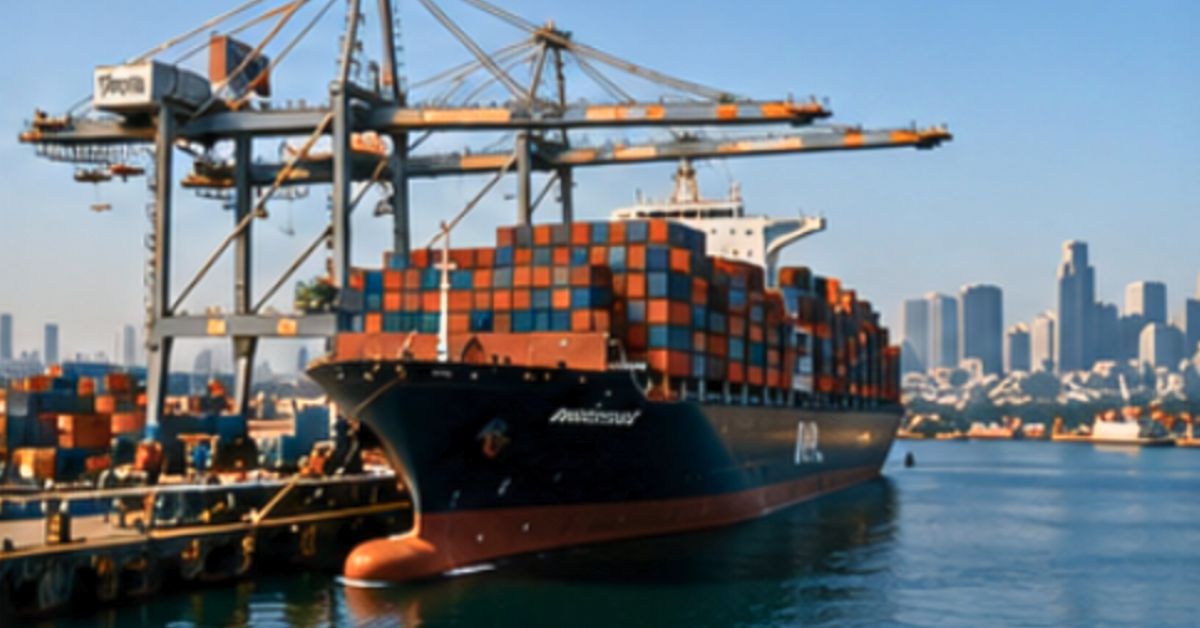
Container arrives at the Port of Los Angeles or the Port of Long Beach. A customs broker handles CBP entry and duty payment. White-glove last-mile delivery to your Beverly Hills, Bel Air, or Pacific Palisades property: placement to room, debris removal, coordination with your site team if the project is still active.
Note: Arcedior manages the sourcing, manufacturing coordination, QC, and logistics side. Design decisions come from the homeowner and their interior designer. We make the design real. We do not create it.
How Do Beverly Hills Homeowners Source Custom Furniture from India Without Risk?
They work with an India-based procurement partner who handles vendor shortlisting, factory QC visits, finish sample approvals, production oversight, and US customs documentation. Physical samples arrive at the US address before production starts. The homeowner approves everything remotely. Nothing ships until the QC video sign-off is confirmed.
Payment Milestones: How Money Moves in India Furniture Procurement
A structured procurement engagement typically runs across four payment milestones. Knowing these in advance lets you align cash flow with project finance and gives you clear leverage points if anything goes off track.
Milestone | Typical % | When It Triggers | What It Unlocks |
Deposit / Project kickoff | 30% | After brief confirmation and vendor shortlist approval | Vendor booking, sample production, finish board courier |
Pre-production approval | 20% | After the client approves physical samples and signs off on CAD or 3D renders | Production start |
Mid-production confirmation | 30% | After 50% production, QC photos are reviewed and approved by the client | Production completion, export packing begins |
Balance before dispatch | 20% | After the pre-shipment QC video is approved, before the container seal | Container loading, freight booking, and documentation filing |
Why this structure matters: the 20% balance held back until after QC video approval is your primary quality lever. Once a container is sealed and loaded, fixing a finish problem costs more than the furniture. Releasing that final payment only after visual confirmation of every piece is the most important contract clause a US buyer should insist on.
Pro Tip
The Remote Approval Workflow: What US Clients Actually Receive

Before a single piece goes into production, your procurement partner sends physical materials to your US address. A finish board with six to eight options in the relevant stain, lacquer, or oil. Fabric and upholstery swatches if the order includes seating or bed upholstery. For complex custom pieces, factory CAD drawings or 3D renders arrive before material approvals.
Once materials are approved and production begins, a pre-production video walkthrough shows the material batch, hardware sourced, and profile before the first cut. At the 50 percent production stage, mid-production QC photos confirm everything is tracking. At dispatch, a full pre-shipment video places each finished piece directly alongside the approved sample board.
Build two to three weeks into your project schedule for the sample courier round trip. India to Los Angeles via DHL runs five to seven business days each way. This is not optional time. It is the most important risk mitigation available to a remote buyer. Cutting it to save a week elsewhere is the most common mistake US buyers make.
What Happens If You Skip a Step?
Most Indian furniture content lists what to do. Very few tell you what skipping each step actually costs. This table is built from real patterns in remote procurement disputes.
Step Skipped | What Usually Happens | Typical Cost or Delay |
Physical sample approval | Finish colour or stain depth does not match the references. Dispute starts at delivery, not before. Replacement lead time is 12 to 16 weeks. | USD 3,000 to 12,000 in reruns; full project delay |
Mid-production QC | Dimension errors, wrong hardware, and incorrect fabric are caught only at dispatch or on-site. Changes after production are impossible. | Partial or full reorder; 3 to 5 month delay |
Pre-dispatch QC video | Surface damage, packing failures, and incorrect pieces not identified before sealing. Insurance claims on international freight are slow and rarely cover the full value. | Freight insurance claim at 40 to 60 cents on the dollar; rework costs |
Prop 65 compliance check | Furniture contains regulated compounds above California threshold limits. Cannot legally be sold or placed in a California property without disclosure. | Product removed, replaced, or quarantined; legal exposure |
CARB Phase 2 verification | Composite wood components fail California formaldehyde emissions limits. Cannot be used in California regardless of appearance or finish. | Full component replacement; project delay of 8 to 14 weeks |
Lacey Act PPQ 505 filing | Container flagged at the Port of LA for examination. Goods can be seized if the wood species documentation is absent or incorrect. | Port holds of 5 to 15 days; seizure risk |
ISF 10+2 filing on time | USD 5,000 penalty per violation under CBP regulations. Vessel departure cannot be delayed. | USD 5,000 per container, minimum |
Specific commercial invoice | Container selected for CBP examination due to vague descriptions. Examination adds 2 to 5 business days and examination fees. | USD 1,500 to 3,500 in examination costs; delivery delay |
Working on a villa fit-out or a single statement room in Los Angeles?
Share your room list, reference images, and target move-in date. We will return a vendor shortlist, realistic lead time, and a landed cost estimate for your LA address.
No obligation. No pitch. Just a clear picture of what is possible.
How Long Does It Take? The 16 to 24 Week Breakdown
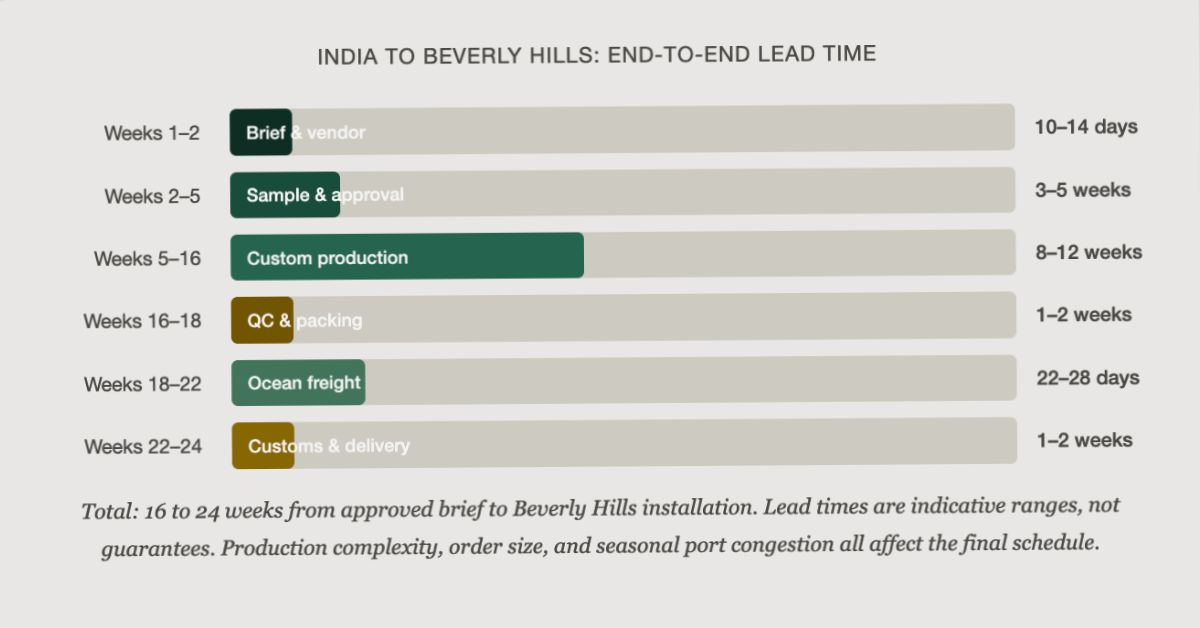
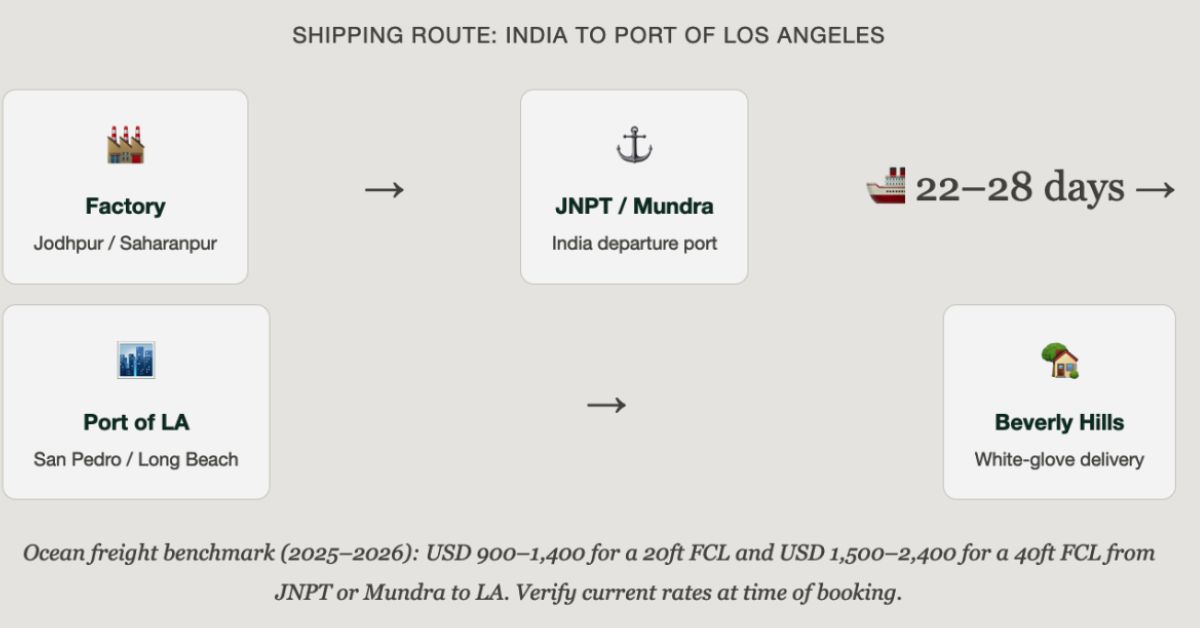
Ocean freight from JNPT (Nhava Sheva, Mumbai) or Mundra to the Port of Los Angeles runs 22 to 28 days under normal shipping conditions. The Port of Long Beach handles overflow from LA port and is effectively the same destination. US customs clearance (CBP) adds 3 to 7 days if the container clears without examination. Containers selected for physical examination can add 2 to 5 days.
The ISF 10+2 filing is the time-critical document: it must be filed with US Customs and Border Protection at least 24 hours before the container is loaded at the Indian port. Missing this deadline triggers a USD 5,000 penalty per violation. It is filed by your freight forwarder or customs broker, but the schedule needs to account for it.
Documents Required to Import Furniture into California
This is where most generic India furniture guides fall completely flat. California has specific frameworks that apply to furniture entering the state. None of them are optional, and missing any one document can hold your container at the port or create legal exposure after delivery.
Document | Issued By | Why It Is Required | What Happens Without It |
Commercial Invoice | Exporter (your factory) | Required for CBP entry; must include wood species, dimensions, finish, HTS codes, and value | Vague invoices trigger CBP examination; container held for 2 to 5 days |
Packing List | Exporter | Lists item count, dimensions, weight, and carton numbers; required for CBP entry and port handling | Examination flag; port fees |
Bill of Lading | Freight forwarder or shipping line | Title document for the shipment; required to claim goods at the port | Cannot release goods without it |
ISF 10+2 Filing | Filed by customs broker or freight forwarder, minimum 24 hours before loading | US Customs requirement per 19 CFR 149; confirms importer and shipment data before the vessel departs | USD 5,000 CBP penalty per violation |
Lacey Act Declaration (PPQ Form 505) | Importer files; factory provides species data | Required by 16 U.S.C. 3372 for all wood products entering the US; confirms species and country of harvest | Goods can be seized at the port of entry |
Customs Bond | Obtained through a licensed customs broker | Required for shipments valued above USD 2,500 entering the US | Cannot clear CBP without one |
Prop 65 Compliance Documentation | Manufacturer provides safety data sheets for finishes, lacquers, and adhesives | California Proposition 65 requires disclosure of regulated chemicals above the threshold | Legal exposure after delivery; potential product removal |
CARB Phase 2 Certification | Manufacturer or laminate supplier | CARB ATCM regulation restricts formaldehyde from composite wood components | Cannot legally use or sell the product in California |
Questions to Ask an India Furniture Supplier Before Paying a Deposit
Most buyers skip this conversation entirely. These are the questions that separate factories with real US export experience from those that will cost you four months and a reorder.
On compliance and documentation:
- Can you provide CARB Phase 2 certification for all composite wood components, including drawer bases, cabinet backs, and MDF carcasses?
- Do you have Prop 65 compliance documentation for all finishes, lacquers, adhesives, and synthetic fabric treatments used in this order?
- Can you produce a Lacey Act PPQ Form 505 with correct species names and countries of harvest for all solid wood used?
- Have you exported to California-based buyers before? Can you share a shipping reference from a US client in the last 12 months?
On production and QC:
- What is your tolerance for finished dimensions versus approved drawings?
- At what production stage do you send in-process QC photos, and who at your facility signs off before they are sent to us?
- Will you place the finished piece directly alongside our approved sample board on camera before the container is sealed?
- What is your rework policy if a piece fails pre-dispatch inspection?
On lead times and capacity:
- What is your current production queue, and when would this order realistically enter production?
- Is your quoted lead time from deposit confirmation or from sample approval?
- What happens if a finish or dimension error is identified at the 50% stage? Does the lead time reset?
On packing and freight:
- What export packing standard do you use for international ocean freight?
- Have any of your shipments to the US been damaged in transit? What was the resolution?
- Do you handle ISF filing, or do we need to arrange a separate customs broker?
QC Checklist Before the Container Is Sealed
Pre-Dispatch QC: 8-Point Check
- Approved finish sample placed directly alongside the finished piece for direct visual comparison
- Dimensions checked against approved drawings, tolerance maximum 3mm
- Hardware: handles, hinges, drawer runners, soft-close mechanisms tested under load
- Surface inspection: no scratches, lacquer drips, edge lifting, polish marks, or colour variation
- Upholstery: stitching line, cover tension, fabric grain alignment, no puckering or loose threads
- Structural integrity: no wobble, all joints firm under pressure, no visible gaps in mitres or frame
- Export packing: corner guards, foam wrap, crate, or double-wall carton with moisture barrier
- Photo and video QC evidence shared with the client and procurement coordinator before the container is sealed

US Compliance Checks Your Procurement Partner Must Complete Before Shipment
This is the area where most generic Indian furniture guides fall completely flat. California has two frameworks that apply specifically to furniture entering the state. Neither is optional.
Requirement | What It Means for Your Order |
All wood furniture entering the US requires a Plant and Plant Product Declaration confirming wood species and country of harvest. Non-compliance can result in goods being seized at the port. Indian factories with active US export business keep species documentation current. | |
California requires disclosure for products containing regulated chemicals above threshold levels. Furniture lacquers, adhesives, and synthetic fabrics can contain listed substances. Request that the manufacturer confirm Prop 65 compliance or supply safety data sheets for all finishes before production begins. | |
The California Air Resources Board restricts formaldehyde emissions from MDF, plywood, and particleboard. This applies to carcasses, drawer bottoms, and backing panels, not just visible surfaces. Request CARB Phase 2 certification from the manufacturer before production. | |
Common subheadings: 9403.50 (wooden bedroom furniture), 9403.60 (other wooden furniture). Import duty from India is currently 0% under MFN rates. Verify with your customs broker at the time of order, as tariff actions can change. | |
Importer Security Filing must be submitted to CBP at least 24 hours before container loading at the Indian port. Your freight forwarder handles this. Missing the deadline triggers a USD 5,000 penalty per violation. | |
Commercial Invoice | Must include full item descriptions with wood species, dimensions, and finish. A vague description (e.g., "furniture assorted") is the most common cause of a container being held for examination at the LA port. This costs time and money. |
India Furniture Import Checklist for US Residential Projects
Before releasing any deposit, download the India Furniture Import Checklist for US Residential Projects and use the payment milestone tracker included inside.
LCL vs FCL: Which Container Option Suits a Beverly Hills Home Order?
LCL: Less than Container Load
- Best for orders under 12–14 CBM
- Your pieces share a container
- More handling points, marginally higher damage risk
- Cost charged per cubic metre
- Suit a single room or a small number of statement pieces
FCL 40ft: Full Container Load
- Recommended for whole-home Beverly Hills projects
- 60+ CBM, single customs entry
- Less handling, lowest damage risk
- Lowest cost per cubic metre
- Cleaner, simpler CBP clearance
Total Landed Cost: What Custom Furniture from India Actually Costs in Beverly Hills
A custom bedroom suite, king bed, two nightstands, wardrobe, and dresser in solid wood with hand-applied finish, as an example scope:
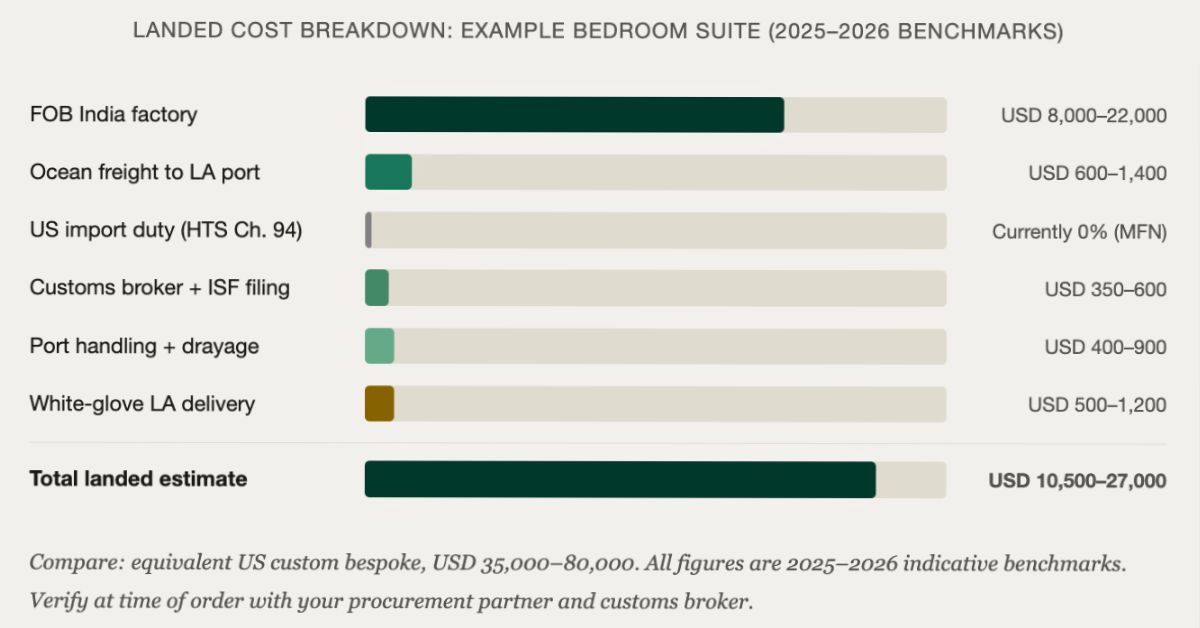
Note: All cost figures are 2025-2026 benchmarks. Ocean freight rates shift with global shipping volumes and port congestion. Verify current freight quotes at the time of order. Import duty rates are subject to tariff actions; confirm the current rate with your customs broker before production begins.
What Arcedior Executes for US Residential Clients
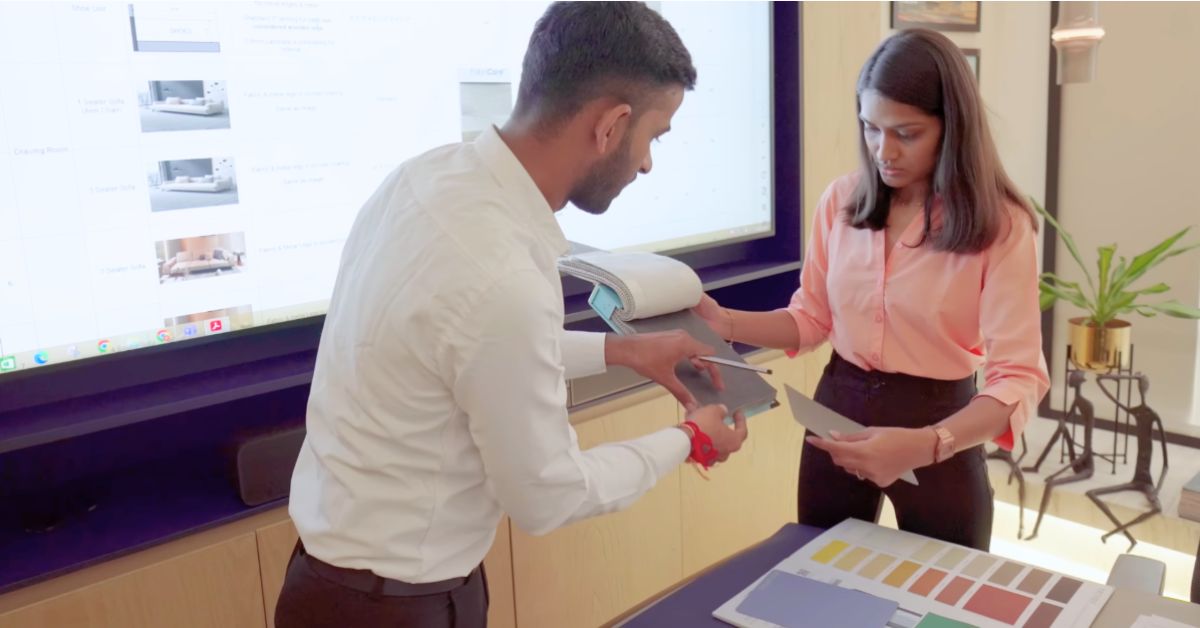
- Vendor shortlisting across Jodhpur, Saharanpur, Moradabad, Kolkata, and Bangalore, screened for US export capability and relevant category experience
- Finish board and sample courier to your US address before any production commitment
- Custom and contract manufacturing to your specification: dimensions, material, finish, hardware, upholstery
- In-process and pre-dispatch QC with photo and video documentation shared with you
- US customs documentation preparation: ISF, commercial invoice with HTS codes, Lacey Act plant declaration, Prop 65, and CARB compliance confirmation
- White-glove delivery coordination to your Los Angeles or Beverly Hills address
Planning a villa fit-out, luxury residence, or custom furniture package in Los Angeles, Beverly Hills, Bel Air, Brentwood, Malibu, or Pacific Palisades? Share your room list, design references, and target move-in date.
We will come back with a sourcing route, factory shortlist, realistic lead time, and a landed cost estimate for your LA address. No obligation. No pitch. Just a clear picture of what is possible.