Renaissance of Handcrafted Furniture
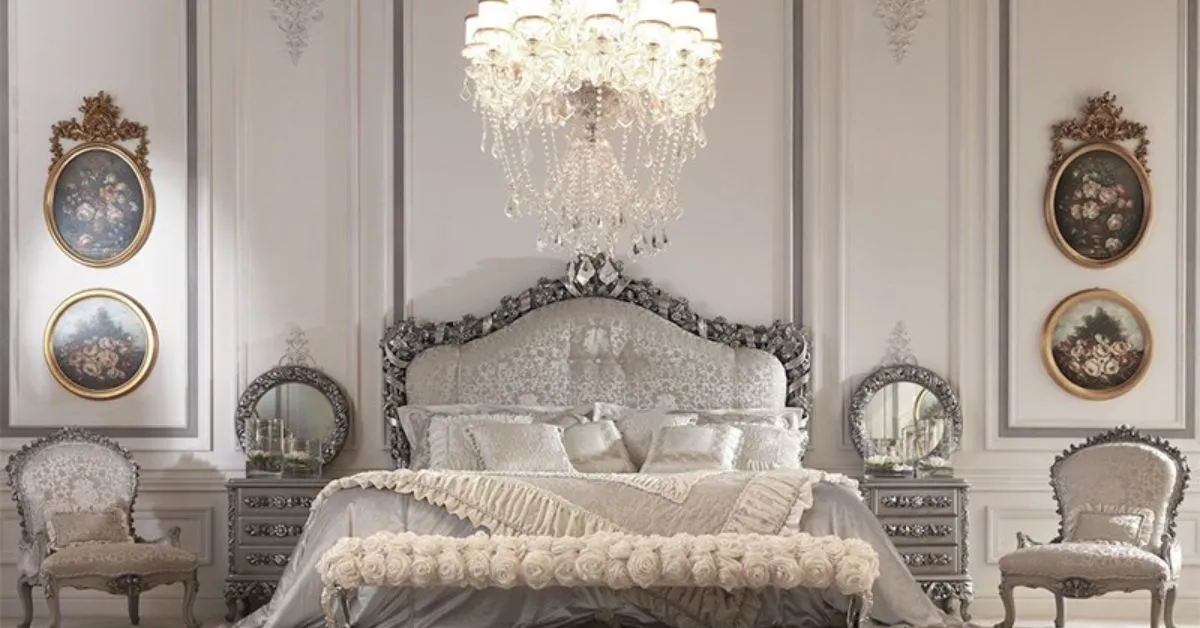
Handcrafted furniture is meticulously made by skilled artisans rather than being mass-produced by machines. Each piece is carefully made using traditional techniques, hand tools, and high-quality materials, ensuring attention to detail in every aspect. Artisans often spend significant time crafting each piece, making sure it reflects their skill, creativity, and individual touch. The rise of handcrafted furniture is not just a fleeting trend but a response to the growing desire for authenticity and quality in home décor.
Why Handcrafted Furniture is Back in Demand
Handcrafted furniture is witnessing a remarkable renaissance, where consumers are once again drawn to the tactile, personal, and lasting qualities of handmade furniture pieces. People are rediscovering the value of owning something that isn’t just made, but crafted with care, reflecting human ingenuity and personal touch. This resurgence reflects a larger cultural shift toward sustainability, mindful consumption, and a return to the roots of craftsmanship. But what is driving this renewed interest in artisanal pieces? Why are more people choosing handcrafted furniture over its factory-made counterparts?

Attention to Detail
What sets handcrafted furniture apart is the meticulous attention to detail that goes into each piece. Unlike factory-made furniture, where machines dominate the process, handmade furniture pieces require time, skill, and passion. The artisan invests their knowledge and creativity, carefully selecting materials and using techniques passed down through generations.
The result? A work of art that exudes warmth, character, and durability. From the dovetail joints of a wooden chest to the hand-woven fabrics of a chair, every element of handcrafted furniture is designed with precision and care. This mastery of craft is what makes artisanal pieces so desirable.
Uniqueness and Character
Every handmade furniture is a one-of-a-kind creation. No two handcrafted chairs, tables, or dressers are exactly alike. This sense of uniqueness is deeply appealing to those who seek to infuse their living spaces with personality and soul. Each piece tells its own story, with small variations in texture, grain, and finish that add character. For homeowners, these pieces offer not only functionality but also an artistic statement that transforms a space into a personal sanctuary.
Sustainability
Another driving force behind the renaissance of handcrafted furniture is the increasing awareness of environmental sustainability. Many consumers are turning away from the throwaway culture of mass-produced goods, which often leads to overconsumption and waste. Instead, they are choosing to invest in long-lasting furniture that is both environmentally responsible and ethically made.
Handcrafted furniture typically uses sustainably sourced materials, such as responsibly harvested wood, natural fibers, and non-toxic finishes. This eco-conscious approach not only minimizes the environmental impact but also creates furniture that is healthier for the home. By choosing artisanal pieces, consumers are making a positive contribution to the planet while enjoying furniture that is built to last a lifetime.
Quality and Durability
Artisanal furniture is synonymous with quality. Unlike mass-produced items that often sacrifice durability for cost, handcrafted furniture is built to last. The construction is meticulous, with superior craftsmanship that ensures each piece can endure generations of use. The craftsmanship is meticulous, using solid materials and time-honored techniques that ensure each piece can withstand the test of time. These pieces are often passed down as family heirlooms, able to endure the wear and tear of everyday use for generations without losing their charm or structural integrity.
Customization
One of the greatest advantages of handcrafted furniture is the ability to collaborate with artisans to create bespoke pieces. You can tailor the design, materials, and finishes to suit your personal style, ensuring that the final product is a perfect reflection of your vision. Whether you’re looking for specific dimensions, a unique wood grain, or a particular color palette, customization allows you to have full creative input. This process turns furniture into more than just a functional object—it becomes an expression of your personality and tastes, a piece that fits seamlessly into your home’s aesthetic.
Investment Piece
Handcrafted furniture is an investment that appreciates in value over time. Because each piece is unique and crafted with quality materials, it often becomes a treasured item that increases in worth—especially as mass-produced items become obsolete or fall apart. Additionally, Handcrafted furniture is not just for you—it’s for future generations. These pieces are often crafted with the intention of becoming family heirlooms, passed down from one generation to the next. In this way, they carry stories, history, and memories that outlast their makers.
Trends in Handcrafted Furniture

As more people embrace the beauty of handmade furniture, several trends in handcrafted furniture have emerged that reflect both traditional craftsmanship and modern aesthetics:
How to Identify Genuine Handcrafted Furniture

As demand for handcrafted furniture grows, so too does the number of imitations on the market. It’s important for consumers to know how to identify genuine artisanal pieces.
By paying attention to these details, consumers can ensure they are purchasing a genuine piece of handcrafted furniture that will stand the test of time.
Maintaining and Caring for Handcrafted Furniture
Caring for handcrafted furniture is crucial if you want it to remain in pristine condition for generations to come. Here are a few tips to ensure your artisanal pieces retain their beauty:
Conclusion
Handcrafted furniture is more than just a decorative choice—it's a lifestyle statement. Its revival speaks to a collective desire for sustainability, authenticity, and individuality. As more people turn their attention to artisanal pieces, the craftsmanship behind each item will continue to be celebrated. Whether you're drawn to the durability, the artistry, or the emotional connection these pieces offer, there's no denying that handcrafted furniture has reclaimed its place in the spotlight, and it’s here to stay. What remains constant, however, is the enduring appeal of handcrafted furniture—a testament to the beauty and artistry of human creation.