Risk Management in Hospitality Procurement
Imagine this: A five-star hotel is ready to open its doors, but statement furniture and decor items are delayed, throwing the timeline into chaos. This scenario highlights the importance of risk management in hospitality procurement.
Hospitality procurement involves sourcing and purchasing products and services for hotels, resorts, and other hospitality establishments. It's a critical function that requires careful planning, execution, and risk management. However, even the most well-planned procurement projects can face roadblocks. Risks like supply chain disruptions, poor communication, and unforeseen costs can derail timelines and inflate budgets. This is where risk management in hospitality procurement steps in. But what exactly is risk management in the hospitality industry?
Risk management in the hospitality industry refers to the process of identifying, assessing, and mitigating potential risks that could impact a hospitality business. These risks can include operational disruptions, financial losses, compliance issues, and reputational damage. Effective risk management involves understanding these risks, developing strategies to mitigate them, and continuously monitoring and reviewing risks to ensure that mitigation strategies are effective. It’s not just a process – it’s the backbone of smooth, stress-free sourcing.
Understanding Risk in Hospitality Procurement
In the context of sourcing and procurement, “risks” refer to potential obstacles that disrupt processes like sourcing, delivery, or quality assurance. These can significantly impact project timelines, budgets, and outcomes.

Common Types of Risks in Hospitality Procurement
Supply Chain Disruptions
Delays caused by unforeseen events like transportation strikes or natural disasters can severely impact project timelines, creating bottlenecks in the supply chain. Additionally, raw material shortages – whether due to global demand fluctuations, supplier issues, or logistical challenges can halt production and delay deliveries, jeopardizing the completion of hospitality projects.
Quality Control Issues
Receiving damaged, defective, or substandard products is a frequent problem in procurement, particularly when suppliers fail to meet the agreed-upon standards or specifications. These issues often stem from misaligned expectations between suppliers and clients, leading to dissatisfaction and the need for rework, which can waste valuable time and resources.
Budget Overruns
Hidden costs, such as unexpected fees for shipping, customs, or additional handling, can inflate budgets unexpectedly during the procurement process. Price fluctuations, especially in the case of volatile raw material costs or labor rates, further exacerbate this challenge. When sourcing internationally, currency exchange rate volatility can significantly impact the final project budget, making cost management a critical concern.
Compliance Challenges
Navigating customs regulations for international shipments often involves intricate documentation and adherence to complex legal requirements. Failure to comply can result in fines or shipment delays. Additionally, maintaining ethical sourcing practices and environmental standards is essential to avoid reputational damage and align with global sustainability goals, requiring careful selection and monitoring of suppliers.
Communication Gaps
Misunderstandings between stakeholders, such as clients, suppliers, and vendors, can derail project progress and lead to errors in procurement. A lack of clear timelines, inadequate specifications, or insufficient updates can create confusion, resulting in missed deadlines and unmet expectations. Ensuring transparent and consistent communication is vital to keeping projects on track.
Identifying Risks in Hospitality Procurement
Early risk identification is critical to saving time, money, and frustration. When risks are caught early, there’s ample opportunity to create mitigation strategies.
How to Conduct a Risk Assessment
- Start by evaluating potential weak links in your supply chain.
- Research supplier reliability, focusing on their delivery history and quality standards.
- Review budgets and timelines for potential overlaps or gaps.
- Understand regulations and laws applicable to your project’s geographic area.
Early Warning Signs in Supplier Relationships
Unreliable suppliers often show red flags:
- Poor communication: Inconsistent communication or delayed responses.
- Missed deadlines: Frequent changes in delivery timelines or cost estimates.
- Inconsistent quality: A lack of transparency in sourcing practices or product details.
Spotting these early helps to avoid costly mistakes.
Hospitality Procurement in the Post-Pandemic World
The COVID-19 pandemic reshaped procurement landscapes, introducing unprecedented challenges. Even as the world recovers, its impact lingers.
New Risks Emerging Post-COVID
- Increased Freight Costs: Shipping delays and higher fuel costs have driven up expenses.
- Supplier Shortages: Many businesses closed during the pandemic, reducing supplier options.
- Tighter Budgets: Hotels and resorts are working with reduced financial resources.
Adjusting Strategies for a Resilient Supply Chain
- To mitigate these risks, companies must embrace adaptive strategies like:
- Building relationships with local and global suppliers to diversify sourcing.
- Build longer timelines to account for unforeseen delays.
- Investing in technology to track and forecast supply chain performance.
Mitigating Risks with Arcedior’s Expertise

When it comes to tackling procurement risks, Arcedior stands out as a trusted partner. Here’s how we ensure smooth, hassle-free hospitality sourcing:
1. Global Sourcing Network
We maintain a robust network of reliable suppliers worldwide, ensuring diversity and dependability in sourcing.
2. Thorough Quality Checks
Every product undergoes rigorous quality assessments to meet international standards and client expectations.
3. Transparent Communication
Our structured communication processes include regular updates, ensuring that clients are always in the loop.
4. Cost Control Strategies
By negotiating with suppliers and optimizing logistics, we deliver cost-effective solutions without compromising on quality.
5. Logistics Management
From navigating customs to coordinating shipping timelines, our end-to-end logistics expertise avoids delays.
6. Sustainable Sourcing
Our ethical procurement practices reduce compliance risks while supporting environmentally responsible choices.
Working with an expert like Arcedior can transform risk management from a challenge into an opportunity.
Why Risk Management is Important

An effective risk management strategy doesn’t just address problems – it creates opportunities for excellence. Here are some of the key benefits:
- On-Time Delivery
Effective risk management helps identify potential delays and disruptions, allowing you to proactively develop contingency plans. This ensures that your projects are completed on time, and your clients are satisfied. - Cost Efficiency
By identifying and mitigating risks, you can avoid costly mistakes, reduce waste, and optimize your procurement processes. This leads to significant cost savings, which can be reinvested in your business. - Client Satisfaction
When you prioritize risk management, you're better equipped to deliver high-quality products that meet your clients' expectations. This leads to increased client satisfaction, loyalty, and ultimately, repeat business. - Competitive Advantage
In today's competitive hospitality industry, effective risk management can be a key differentiator. By prioritizing risk management, you can stay ahead of the competition, attract new clients, and grow your business. - Reputation Protection
Effective risk management helps you avoid costly mistakes, supply chain disruptions, and other issues that can damage your reputation. By prioritizing risk management, you can protect your brand and maintain a positive reputation in the industry.
Why Choose Arcedior as Your Procurement Partner
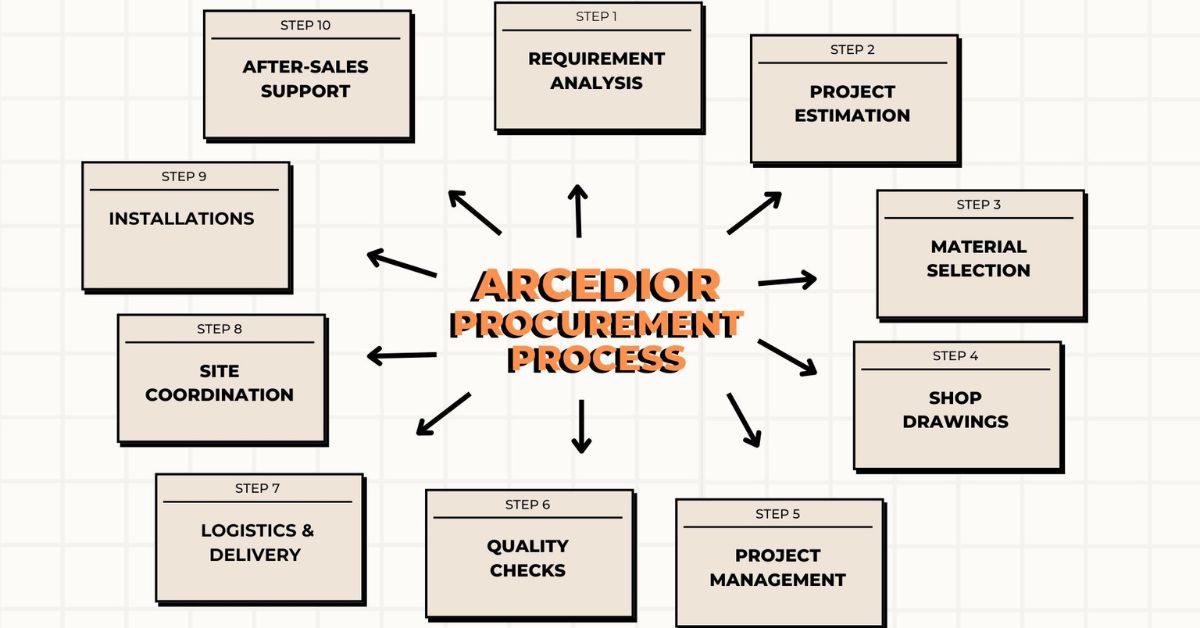
With years of experience in sourcing for global hospitality projects, Arcedior stands as a trusted partner for risk-free procurement. Our streamlined, 10-step process is designed to meticulously plan and execute every aspect of procurement, from sourcing to delivery, guaranteeing smooth and efficient project completion. We understand that each hospitality project comes with its own unique challenges, which is why we offer tailored solutions that cater specifically to the needs and expectations of each client. Whether you're managing a large-scale hotel renovation or a boutique resort, Arcedior’s expertise ensures that your procurement is handled with the utmost care and precision.
Common Pitfalls in Risk Management
Even with the best intentions, mistakes happen. Here’s what to avoid:
- Overlooking Supplier Risks: Failing to vet suppliers thoroughly can lead to last-minute surprises. Always investigate their past performance and industry reputation.
- Ignoring the Importance of Communication: Poor communication creates confusion and errors. Regular updates and clear contracts are essential to success.
Conclusion
Risk management in hospitality procurement isn’t just a necessity – it’s a superpower. By understanding common risks, identifying potential threats, and implementing mitigation strategies, hospitality procurement professionals can build a resilient supply chain. At Arcedior, we're committed to helping you navigate the complexities of hospitality procurement. Contact us today to learn how our expertise can support your next project.