Hotel Soft Goods Replacement Cycle Guide
Soft Goods Replacement Cycle in Hotels: Timelines, Budgeting & Checklist
Walk into any hotel room, and the first things guests notice are the soft goods hotel offers: fresh bedding, clean curtains, plush carpets, and comfortable upholstery. When these items look worn or outdated, guest satisfaction drops, and reviews suffer. Yet many hotel teams struggle to answer a simple question: What is the right soft goods replacement cycle hotel properties should follow? For any property planning a refresh, understanding the soft goods replacement cycle hotel teams rely on is essential for budgeting, PIPs, and maintaining guest experience.
In most branded hotels, the soft goods replacement cycle is around 6 to 7 years, with smaller refreshes every 3 to 5 years for high-wear items like bedding and upholstery. Actual timing depends on segment, occupancy, climate, and brand standards, but planning on a 7-year soft goods cycle keeps rooms looking fresh and compliant.
The industry benchmark points to a hotel renovation 7-year cycle for soft goods in branded hotels, but the real answer depends on your property segment, occupancy levels, climate, and brand standards. Understanding the soft goods replacement cycle hotel managers use helps you plan better. A midscale business hotel in Mumbai will have different hotel soft goods replacement needs than a luxury beach resort in Bali or a boutique property in Berlin.
This guide gives you:
- A simple definition of hotel soft goods
- A full replacement cycle matrix by segment and area
- A ready-to-use checklist with status & owner columns
- A step-by-step plan you can plug into PIPs and capex planning
- A 10-year sample calendar
Whether you're a hotel owner mapping next year's budget, a finance head preparing a 10-year forecast, or a project manager executing a hotel PIP soft goods cycle, you'll find practical frameworks here instead of vague advice.
What Are Soft Goods in a Hotel?
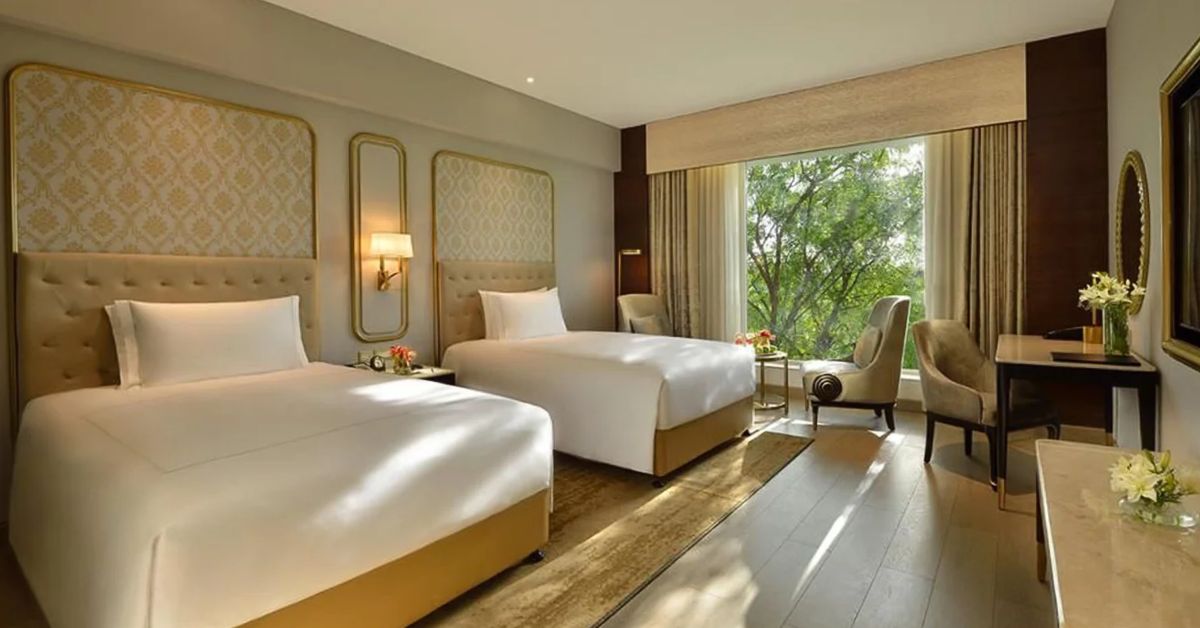
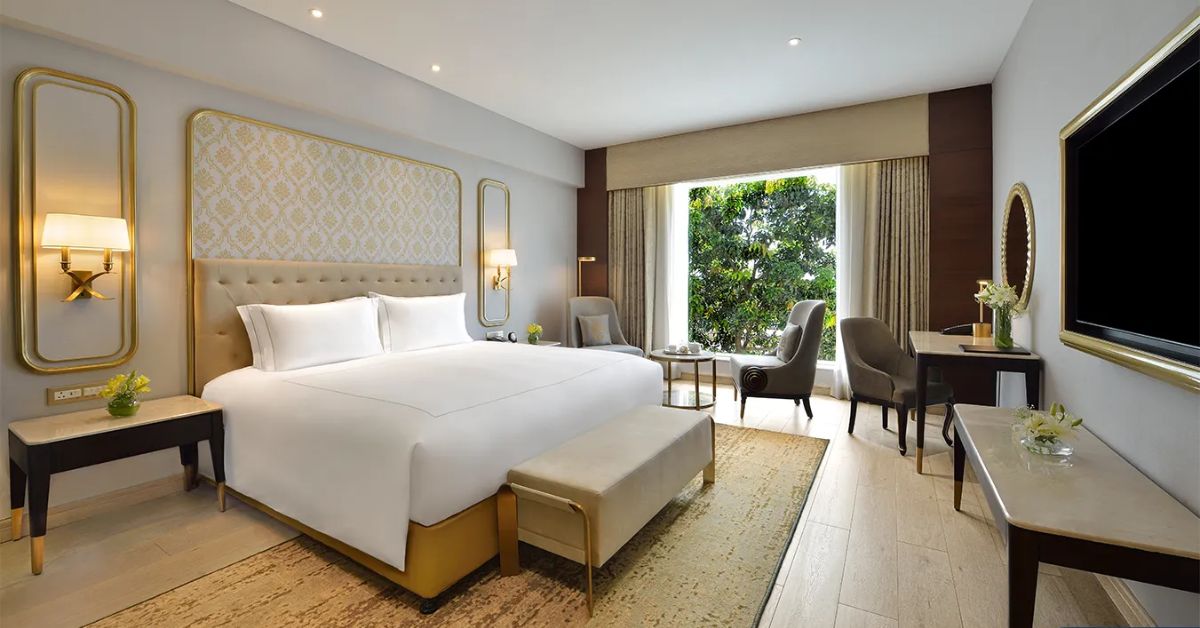
Hotel soft goods are the textile and decorative items that guests see and touch: carpets, rugs, curtains, sheers, wall and floor coverings, bedspreads, pillows, upholstery, cushions, lampshades, and artwork. They sit on top of case goods and finishes and are replaced more often because they wear out faster and show age first.
Soft Goods by Area
- Guestrooms: bedding sets, pillows, mattress toppers, duvets, curtains, sheer drapes, blackout linings, rugs, carpets, upholstered headboards, lounge chairs, cushions, lampshades, decorative artwork, and wall coverings.
- Corridors: carpet runners, wall coverings, decorative panels, artwork.
- Lobby & Public Areas: sofas, lounge chairs, ottomans, cushions, area rugs, window treatments, curtains, decorative throws, wall art.
- F&B, Spa & Meeting Rooms: dining chairs, banquettes, booth upholstery, table linens, curtains, area rugs, spa loungers, treatment room fabrics.
The unifying factor: these items show wear quickly because guests interact with them constantly. Spills, sunlight, foot traffic, and repeated cleaning cycles all accelerate aging.
Soft Goods vs Case Goods: Why the Cycles Are Different
Understanding the difference between hotel soft goods vs case goods helps you plan realistic hotel renovation cycles soft goods require, and avoid budget surprises.
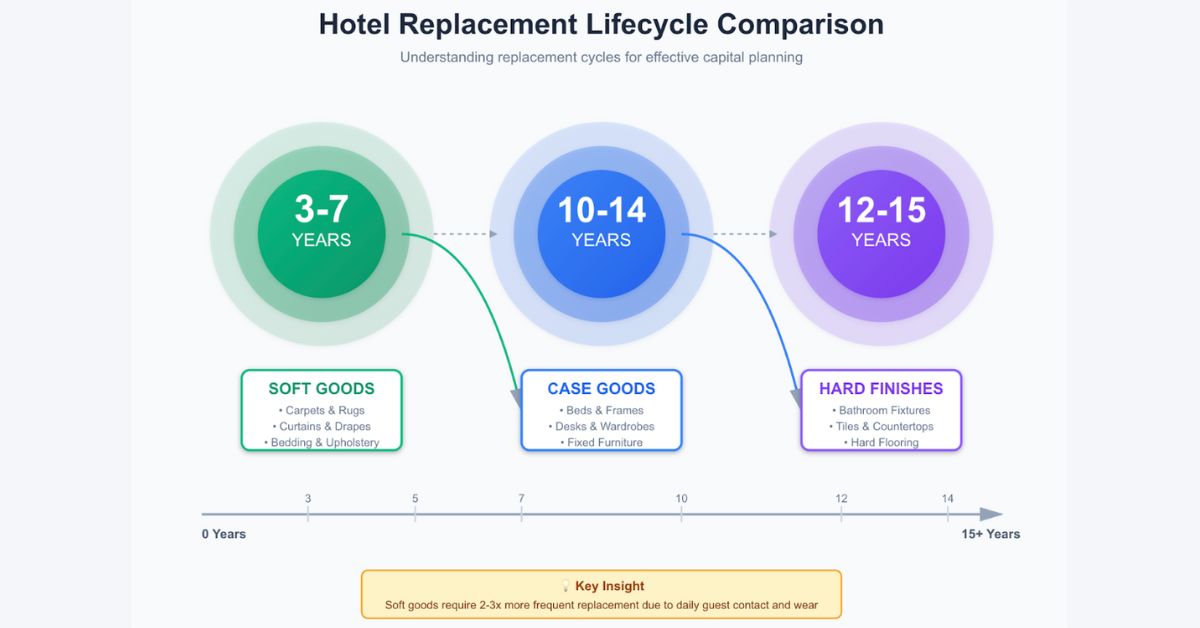
Soft goods are textiles and touch-focused items that wear out from daily guest use, cleaning, and environmental exposure. They typically need replacement every 3 to 7 years, depending on the item and property type.
Case goods are the hard furniture and fixtures: bed frames, desks, nightstands, wardrobes, fixed millwork, and bathroom vanities. These last much longer because they don't absorb wear the same way fabrics do.
Item Type | Examples | Typical Replacement Cycle |
Soft Goods | Bedding, curtains, carpet, upholstery, cushions, artwork | 3–7 years |
Case Goods | Beds, desks, wardrobes, nightstands, chairs (frames), fixed furniture | 10–14 years |
Bathrooms & Hard Finishes | Vanities, tiles, countertops, fixtures | 12–15 years |
The difference matters for budgeting. Soft goods hit your capex more frequently but in smaller increments. Case goods require larger investments but less often. Most brands mandate hotel soft goods replacement every 6 to 7 years and full case goods renovations every 12 to 14 years through their hotel PIP soft goods cycle requirements.
Typical Soft Goods Replacement Cycles by Area & Segment
What is the soft goods replacement cycle hotel brands typically use?
The hotel soft goods renovation cycle below is drawn from brand standards, property improvement plan benchmarks, and real-world renovation patterns across budget, midscale, upscale, and luxury properties worldwide. Most branded hotels follow a baseline of 6 to 7 years for comprehensive soft goods replacement, with targeted refreshes of high-wear items occurring every 3 to 5 years.
Typical Soft Goods Replacement Cycle (Quick View Table)
Area / Asset | Budget / Midscale | Upscale | Luxury / Resort | Notes |
Guestroom bedding & pillows | 3–5 years | 2–4 years | 2–3 years | Faster in humid or coastal markets; high-contact item |
Curtains & sheer drapes | 5–7 years | 5–7 years | 4–6 years | Often aligned with brand refresh cycles |
Carpet in guestrooms | 6–7 years | 6–7 years | 5–7 years | Marriott cycle: 6 years for carpets; heavy wear zones need earlier attention |
Corridor carpet | 6–8 years | 6–8 years | 5–7 years | Higher traffic than rooms; shows wear faster in entry areas |
Upholstered chairs/sofas | 5–7 years | 5–7 years | 4–6 years | Option to reupholster vs full replacement |
Decorative soft items (art, lampshades, throws) | 5–7 years | 5–7 years | 4–6 years | Often tied to a rebrand or style refresh |
Lobby upholstery | 5–7 years | 4–6 years | 3–5 years | High visibility and guest photography zone |
Meeting room & F&B chairs | 5–7 years | 5–7 years | 4–6 years | Banquet chairs see less daily wear than restaurant seating |
Table: Typical soft goods replacement cycle hotel teams can use by area and segment.
Key Insight: Budget and midscale properties can stretch cycles slightly longer if occupancy is moderate and maintenance is excellent. Luxury properties refresh more frequently because guests expect perfection, and brand standards are stricter. The baseline for most branded hotels remains a 6 to 7-year soft goods cycle with targeted refreshes of high-wear items every 3 to 5 years.
How Brand Standards Shape the Cycle
If you operate under a major hotel brand (Marriott, Hilton, IHG, Accor, Hyatt), your property improvement plan likely mandates:
- Soft goods refresh: every 6 to 7 years
- Full renovation (case goods, bathrooms, finishes): every 12 to 14 years
For example, Marriott's standards call for carpet replacement every 6 years while hard flooring surfaces follow a 12-year cycle. These aren't suggestions. Missing PIP deadlines can trigger brand compliance issues, inspection failures, or even franchise agreement penalties.
Independent and boutique hotels have more flexibility but should still benchmark against these cycles to stay competitive. Guests compare your property to branded hotels, whether you're franchised or not.
GEO & Brand Factors – How Soft Goods Cycles Change in India, the Middle East, US & Europe
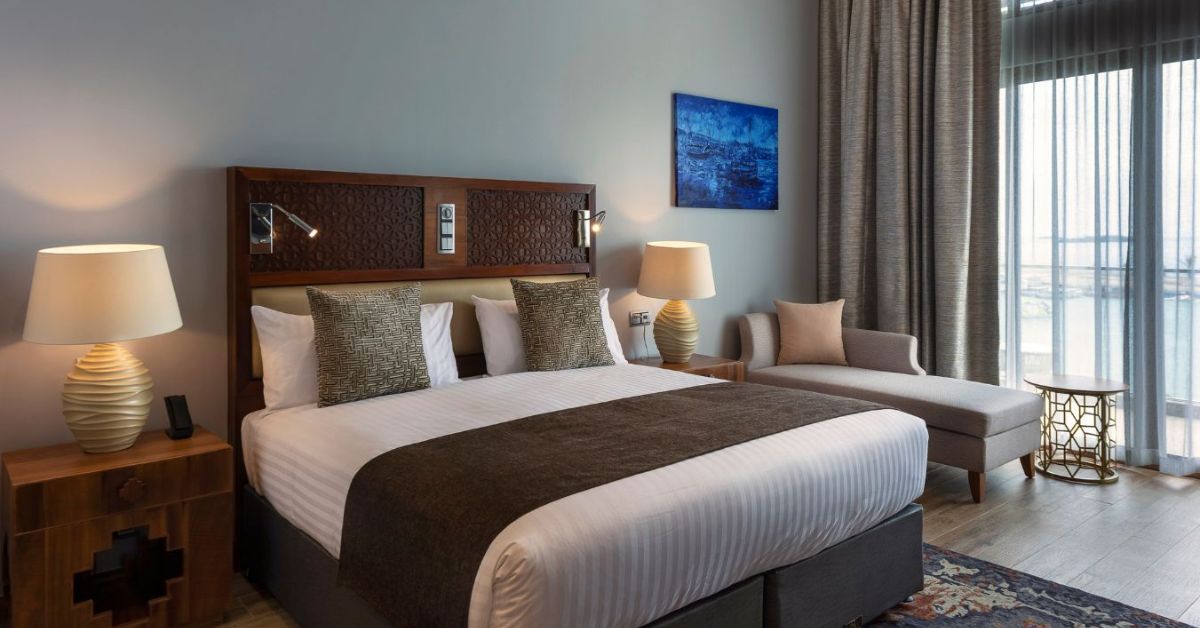
Understanding how location and brand positioning affect replacement cycles helps you set realistic expectations and avoid over-engineering (or under-investing) in your property.
Climate & Wear Patterns
As a rule of thumb, city hotels in India and the Middle East often replace soft goods 1 to 2 years earlier than similar hotels in the US or Europe because of higher occupancy, humidity, dust, and UV exposure.
India and hot, humid markets: Expect faster degradation of carpets, upholstery fabrics, and blackout curtains. High humidity accelerates mold, mildew, and fabric breakdown. Coastal properties face additional challenges from salt air and sand. Many operators in Mumbai, Goa, or Chennai find they need to refresh soft goods 1 to 2 years earlier than their European or North American counterparts.
Middle East (dry, dusty climates): Dust infiltration and intense sunlight fade fabrics faster. Window treatments and carpets near entrances wear quickly. However, lower humidity can extend upholstery life compared to tropical locations.
US & Europe: These markets generally follow standard brand cycles more closely. Properties align capex with the 4% to 8% of revenue reserve recommendation, though recent cost inflation has made 4% insufficient for many owners.
Occupancy patterns also matter. A business hotel in a city center running 75% to 85% occupancy year-round will wear out soft goods faster than a seasonal resort operating 6 months per year.
Room Type & Usage Patterns
Not all rooms in your property age at the same rate:
- High-occupancy standard rooms on lower floors near elevators see more traffic and faster wear
- Premium suites and club floors often have better-maintained soft goods because guests treat them more carefully
- Connecting rooms and family rooms experience heavier use from children and longer stays
- Business hotels with quick turnover face faster wear than leisure properties, where guests spend less time in the room
Track condition by room type and floor, not just by calendar year. Your ground-floor rooms might need carpet replacement in year 5, while upper floors can wait until year 7.
How to Build a Soft Goods Replacement Plan (Step-by-Step)
Planning soft goods replacement shouldn't feel like guesswork. Follow this structured approach to create a realistic, budgetable roadmap that your finance team and brand inspectors will both appreciate.
5 Step Soft Goods Planning Method
Step 1: List Every Soft Item by Area
Start with a complete inventory. Walk through one representative room of each type (standard, deluxe, suite) and document every soft good. Then do the same for public areas.
Create a master list organized by:
- Property/tower/floor
- Area type (guestroom, corridor, lobby, F&B, spa, meeting spaces)
- Specific item (carpet, curtains, bedding, upholstery)
Don't skip small items like lampshades, cushions, and artwork. These add up in quantity and cost, and they're the details guests photograph for Instagram and reviews.
Step 2: Assign a Realistic Cycle in Years
Use the replacement cycle matrix above as your starting point, then adjust for three factors:
Brand requirements: If your franchise agreement specifies 6-year carpet replacement, that's your baseline regardless of condition.
Actual property conditions: High occupancy, humid climate, and heavy wear zones all shorten cycles. Adjust your baseline down by 1 to 2 years if these apply.
Budget reality: If you can't afford to replace everything on the ideal schedule, prioritize visible, high-impact areas (lobby, corridor carpets, guestroom bedding) and push less critical items (back-of-house, low-traffic zones) by 1 year.
Step 3: Score Current Condition
Assign a simple 1 to 5 rating for each item category:
- 5 = New or like new: Installed within the past year
- 4 = Good condition: Minor wear, still acceptable
- 3 = Fair condition: Visible wear but still functional
- 2 = Poor condition: Obvious aging, should replace soon
- 1 = Critical: Damaged, stained, or non-functional; immediate replacement needed
Conduct this assessment through a physical walkthrough with photos. Your rooms division head, engineering team, and housekeeping manager should all participate. They see the daily reality guests experience.
This condition scoring serves two purposes: it validates your replacement timeline, and it gives you ammunition for budget approvals. Photos of worn carpet or stained upholstery are powerful tools in capex discussions.
Step 4: Map Out the Next 10 Years
Take your item list, assigned cycles, and condition scores, and project forward. Create a simple timeline showing which items need replacement in which year.
Critical rule: Don't bunch everything into the same year. Spread work across multiple years to smooth cash flow and avoid taking too many rooms out of inventory simultaneously.
Example approach:
- Year 1: Guestroom bedding and corridor carpet (highest visibility, most worn)
- Year 2: Lobby upholstery and meeting room chairs
- Year 3: Guestroom curtains and artwork
- Year 4: F&B seating and spa soft goods
This phased approach keeps renovation costs manageable and maintains guest experience throughout the refresh cycle.
Step 5: Turn It Into a Working Checklist
Convert your 10-year plan into a living document with clear ownership and status tracking. This checklist becomes your single source of truth for soft goods planning.
The best format includes:
- Item and location (what and where)
- Current condition score (1 to 5 rating)
- Target replacement cycle (years between refreshes)
- Next due date (month and year)
- Owner / responsible department (Rooms, Engineering, Finance, Brand Compliance)
- Current status (Not Started / In Review / Approved / Ordered / In Production / Delivered / Installed)
This level of detail transforms vague renovation plans into accountable projects. Your team knows what's happening when, and your finance head can model cash flow accurately.
A capable sourcing and procurement partner can take this checklist and turn it into a detailed bill of quantities, sample boards, production timelines, and quality checkpoints. The difference between depreciation schedules (accounting) and replacement plans (operations) matters here: depreciation tells you tax treatment, but your replacement checklist tells you when you actually need to spend money and pull the trigger on procurement. For a detailed view of FF&E depreciation schedules, tax timelines, and capex reserves, see our dedicated FF&E depreciation schedule for hotels guide.
Soft Goods Checklist with Status & Assignee
This checklist structure is the practical tool hotel teams need most. It turns abstract replacement cycles into actionable work plans with clear accountability.
What the Checklist Should Capture
Your soft goods tracking system should include these essential columns:
- Property / Tower / Floor
- Area / Room Type
- Item
- Condition Score (1–5)
- Target Cycle (Years)
- Next Due (Month/Year)
- Owner / Department
- Status (Not Started / In Review / Approved / Ordered / Installed)
Here's a sample soft goods checklist with status and owner columns that hotel teams can copy into Excel or Google Sheets.
Sample Soft Goods Checklist (Room & Area-Wise)
Here's what a populated checklist looks like in practice:
Area / Room | Item | Condition Score (1–5) | Target Cycle (Years) | Next Due (Year) | Owner (Dept) | Status |
Guestroom - Standard | Mattress & topper | 3 | 5 | 2027 | Rooms / Engineering | In Review |
Guestroom - Standard | Curtains & sheers | 4 | 6 | 2028 | Rooms | Not Started |
Guestroom - Deluxe | Bedding (duvet, pillows, sheets) | 2 | 3 | 2026 | Rooms | Approved |
Lobby | Lounge upholstery (4 sofas, 8 chairs) | 3 | 5 | 2027 | F&B / Rooms | Ordered |
F&B - Restaurant | Dining chair fabric | 3 | 6 | 2028 | F&B | Not Started |
In a 150-room property, this checklist often grows to 40 to 60 lines covering all guestroom and public area soft goods.
Expand this structure to cover every area of your property. For a 150-room hotel, your complete checklist might have 40 to 60 line items covering all soft goods categories.
How to Use This Checklist
Monthly reviews: Your operations team should review the checklist monthly, updating condition scores and status as work progresses.
Quarterly budget alignment: Finance reviews upcoming items (next 12 to 18 months) and confirms budget allocation.
Annual planning: Use the checklist as the foundation for next year's capex request and PIP submissions.
Brand inspections: When brand representatives visit, show them this checklist to demonstrate proactive compliance planning.
Budgeting & Capex: Turning Cycles into Numbers
Replacement timelines mean nothing without a budget backing them up. Here's how to translate your soft goods checklist into actual numbers your finance team can work with.
Estimating Cost Per Key and Per Area
Start with a simple formula:
(Soft goods cost per room) × (number of rooms) = total guestroom spend per cycle
Then add public area costs separately:
(Public area soft goods) = (lobby + corridors + F&B + spa + meeting rooms)
Example calculation for a 150-room upscale business hotel:
- Guestroom soft goods refresh: ₹80,000 to ₹1,20,000 per room ($1,000–$1,500)
- Total guestroom budget: 150 rooms × ₹1,00,000 = ₹1.5 crore ($1.8M to $2.25M)
- Public areas: ₹40 lakh to ₹60 lakh ($500K to $750K)
- Total 6-year cycle budget: ₹1.9 crore to ₹2.1 crore ($2.3M to $3M)
These numbers vary widely by segment, location, and quality level. Budget hotels might spend ₹30,000 to ₹50,000 per key, while luxury properties can exceed ₹2,00,000 per key for high-end fabrics, custom designs, and premium materials.
Get quotes from multiple sources early in your planning process. Material and labor costs have increased significantly since 2020, and old benchmarks may no longer be reliable.
Creating a 10-Year Soft Goods Calendar
Example: 10-year hotel soft goods replacement timeline (150-room upscale business hotel)
The biggest budgeting mistake hotels make is trying to replace everything in one year. That creates massive capex spikes and puts too many rooms out of service simultaneously.
Instead, create a rolling 10-year calendar that spreads work logically:
Sample 10-Year Soft Goods Timeline:
- 2025: Guestroom bedding, high-traffic corridor carpet = ₹60 lakh
- 2026: Lobby upholstery, meeting room chairs = ₹35 lakh
- 2027: Guestroom curtains, F&B seating = ₹55 lakh
- 2028: Guestroom carpet (full property) = ₹70 lakh
- 2029: Corridor carpet refresh, spa soft goods = ₹30 lakh
- 2030: Artwork and decorative items property-wide = ₹25 lakh
- 2031: Guestroom bedding refresh (new cycle starts) = ₹60 lakh
- 2032: Guestroom Bedding & pillows (cycle repeat)
- 2033: Public areas upholstery
- 2034: Full soft goods cycle reset
This staggered approach keeps annual soft goods spending between ₹25 lakh and ₹70 lakh instead of hitting ₹1.9 crore in a single year. Your cash flow stays manageable, and you avoid the operational chaos of property-wide renovations.
Capex reserve guidance: Many experts suggest reserves closer to 8 percent of revenue for future-ready maintenance compared to legacy 4 percent norms. Because it's increasingly insufficient. Rising material costs, labor shortages, and supply chain disruptions have pushed many owners toward 6% to 8% reserves just to maintain properties adequately.
7 Common Mistakes Hotels Make with Soft Goods Replacement
- Waiting for brand inspection instead of tracking the condition regularly
- Replacing everything in one year
- Ignoring corridors and lobbies, even though guests photograph them most
- Skipping QA at installation
- Not factoring local climate into fabric selection
- Choosing materials on price alone
- Neglecting Maintenance Between Replacements
Many hotels only act when a brand inspector flags issues or a property improvement plan deadline looms.
Better approach: Conduct quarterly condition assessments using your checklist. Replace items based on actual wear, not external pressure. Proactive replacement costs less than emergency reactive work done under brand compliance deadlines.
Replacing everything in one year, which causes large capex pressure
Better approach: Phase work across 3 to 5 years using your 10-year calendar. You'll maintain cash flow, keep rooms available, and manage procurement quality more effectively.
Hotels obsess over guestroom soft goods while letting lobby upholstery, corridor carpets, and F&B seating deteriorate.
Better approach: Allocate 25% to 35% of your soft goods budget to public areas. These spaces create the critical first and last impression that shapes your property's reputation.
Many operators assume that if they order the right items, installation will go smoothly.
Better approach: Require pre-installation samples and inspections. Have your sourcing partner or project manager conduct quality checks before final installation. Catching errors in production is cheaper than living with them for 6 years.
Using the same replacement cycle for a Mumbai property and a European property ignores reality. Climate, guest behavior, and local maintenance standards all vary.
Better approach: Adjust your baseline cycles by geography and actual property performance. Track room nights per item (e.g., carpet life = room nights, not just years) for more accurate planning.
The cheapest carpet or fabric often costs more over its lifecycle.
Better approach: Evaluate the total cost of ownership. A slightly more expensive stain-resistant carpet that lasts 7 years beats a cheap carpet that needs replacement in 4 years.
Soft goods last longer when properly maintained. Regular professional cleaning, prompt stain treatment, and proper HVAC filtration all extend life.
Better approach: Build maintenance protocols into your checklist. Schedule professional carpet cleaning, upholstery treatment, and curtain care on a calendar. Small maintenance investments extend replacement cycles.
How to Work with Sourcing & Procurement Partners Effectively
Most hotel teams don't have the bandwidth or expertise to manage global soft goods procurement alone. A capable partner supports you with global sourcing, custom or contract manufacturing of soft goods, quality checks, logistics, and installation coordination, so your internal teams stay focused on operations.
A good sourcing and procurement partner helps you:
- Convert your checklist into BOQs
- Recommend materials that improve durability and extend cycles
- Manage sampling and approvals
- Provide quality assurance and production oversight
- Coordinate global logistics and installation support
- Phase deliveries so rooms remain in inventory
For more on hotel FF&E sourcing and procurement, explore how the right partner supports your operational goals. See the project case study to understand how this works in practice.
Avoid partners who position themselves as just vendors or suppliers. You need coordination and quality management, not just order-taking. Also, avoid partners claiming to do interior design or full turnkey renovations if you already have a design direction. The value is in procurement expertise, manufacturing oversight, and logistics coordination.
The right partner uses your soft goods checklist as their working document, adding layers of detail (specifications, quantities, production schedules, delivery dates) while keeping you informed at key decision points. This collaborative approach keeps projects on track and on budget.
Conclusion: Plan Ahead, Track Closely, Replace Strategically
Hotel soft goods replacement doesn't have to be reactive, stressful, or budget-breaking. With a clear understanding of typical hotel renovation cycles, soft goods requirements, a structured soft goods replacement schedule, and a phased approach to capex spending, you can keep your property looking fresh while maintaining financial control.
Remember the core principles:
- Know what you have: Complete inventory by area and item type
- Set realistic cycles: Use industry benchmarks adjusted for your segment, location, and brand standards
- Track status and ownership: Clear accountability prevents items from falling through the cracks
- Plan capex ahead: Spread work across multiple years to smooth cash flow and maintain operations
- Adjust for reality: Climate, occupancy, and brand positioning all affect actual replacement timing
Most importantly, treat your soft goods replacement cycle as a living document. Review it quarterly, update condition scores annually, and adjust timing based on actual property performance rather than rigid adherence to theoretical cycles.
FAQs
1. What are examples of hotel soft goods?
Hotel soft goods include carpets, rugs, curtains, sheers, bedding, pillows, upholstery, cushions, lampshades, and artwork, items guests directly see and touch.
2. How often should hotel soft goods be replaced?
The standard soft goods replacement cycle hotel brands follow is 6 to 7 years, with smaller refreshes every 3 to 5 years for high-wear items like bedding and carpets in heavy-traffic areas. The exact timing depends on property segment (budget vs luxury), occupancy levels, climate conditions, and brand standards.
3. Is there a standard 7-year soft goods cycle in hotels?
Yes, the hotel renovation 7-year cycle for soft goods is an industry benchmark used by many branded hotel companies in their property improvement plans. This guideline balances wear patterns, guest expectations, and capex budgeting.
4. Do luxury hotels replace soft goods more often?
Yes, luxury and lifestyle hotels typically refresh soft goods hotel properties every 4 to 6 years compared to 6 to 8 years for midscale properties.
5. Do hotel soft goods replacement cycles differ between India and the US/Europe?
Yes. Indian and Middle East city hotels usually run higher occupancy and face more humidity, dust, and sun, so soft goods often need replacing 1 to 2 years earlier than in many US or European properties. Use the same base matrix, but shorten cycles in high-wear regions.
6. How is a soft goods renovation different from a full renovation?
Soft goods renovation covers fabrics, carpets, and upholstery. Full renovations include case goods, bathrooms, hard finishes, and layout changes, and are typically on a 12 to 14-year cycle.