Choose the Right Dining Table Size
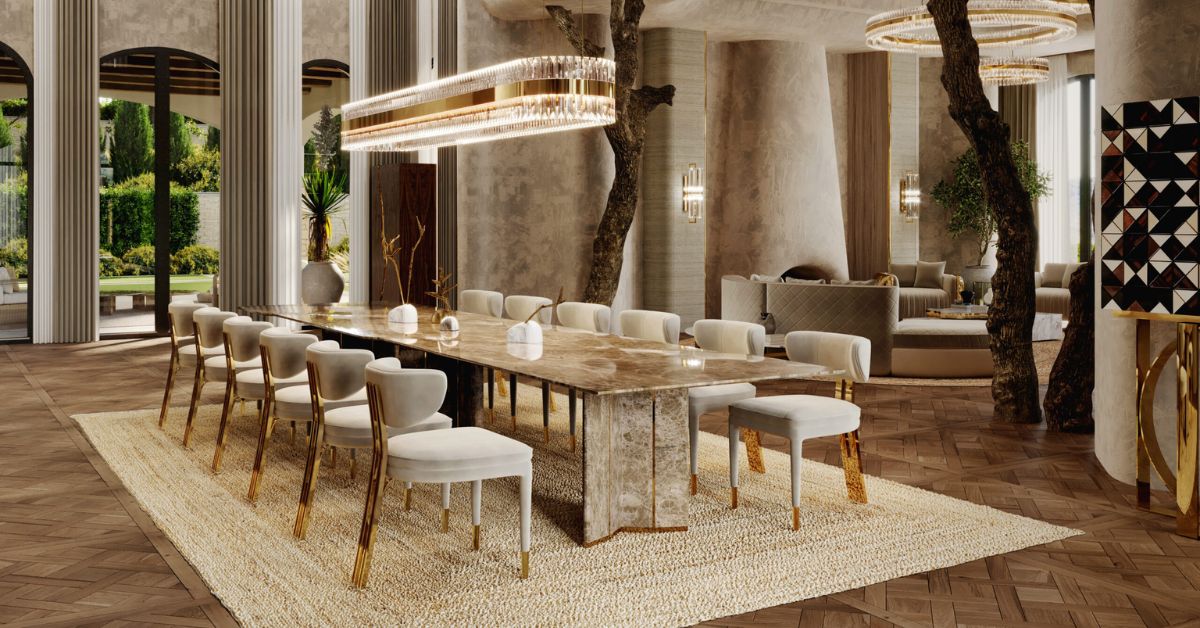
Buying a dining table might seem simple – pick one that looks good, and you’re done, right? Not quite! The dining table size plays a huge role in how comfortable and functional your space feels. Too big, and your dining area feels cramped; too small, and you’re struggling to fit everyone at dinner.
Imagine inviting guests over, only to realize there’s not enough room for everyone to sit comfortably. Or worse, getting a table so large that moving around becomes a challenge. These dining table size mistakes can be frustrating and expensive!
To make the right choice, your dining table should complement your space, match your lifestyle, and provide enough room for everyone to enjoy a meal without feeling squeezed. This dining table size guide will help you avoid common mistakes and choose a table that perfectly balances style, comfort, and practicality.
Why Dining Table Size Matters
The right dining table dimensions ensure:
✅ Comfortable seating: No one should feel cramped or struggle for elbow room.
✅ Proper movement space: Guests should move around easily without bumping into furniture.
✅ Aesthetic balance: A table that fits the space enhances the overall look.
✅ Optimal functionality: The table should serve your daily needs and special occasions.
How to Measure Your Dining Space
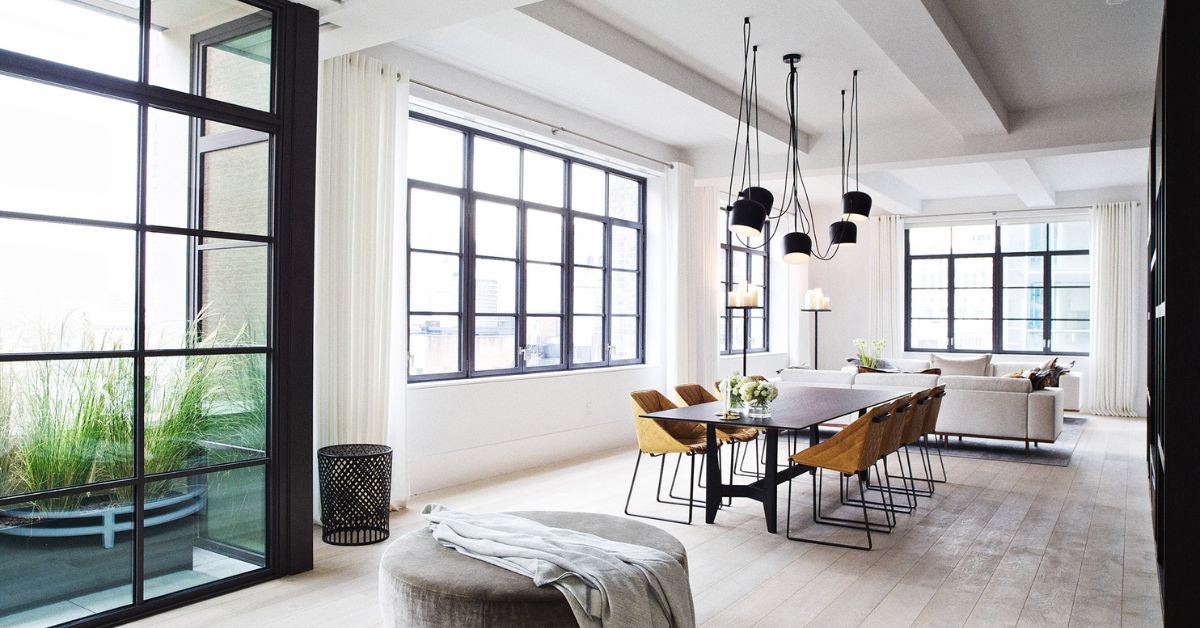
Before picking a dining table set 4 seater or dining table set 6 seater, measure the room using these steps:
- Measure the dining area: Use a tape measure to record the length and width of the space.
- Leave enough clearance: Maintain at least 36-48 inches of space around the table for easy movement.
- Consider furniture placement: Factor in chairs, cabinets, and other furniture when deciding on the table size.
- Account for walkways: Ensure that pathways remain unobstructed for a seamless flow.
- Check ceiling height and lighting: If you're choosing a large dining table, ensure the ceiling height complements the scale. Also, position pendant lights or chandeliers at the right height (about 30-36 inches above the table).
- Think about future needs: If you frequently host guests, consider extendable dining tables to accommodate extra seating when required.
Choosing the Right Dining Table Size for Your Needs
A dining table is the heart of the home – where meals are shared, memories are made, and conversations flow. However, choosing the wrong size can lead to a cramped dining area, awkward seating arrangements, or wasted space. Let’s break down how to pick the perfect size so you can avoid regrets and create a dining area that’s just right for you.
4 Seater Dining Table Size
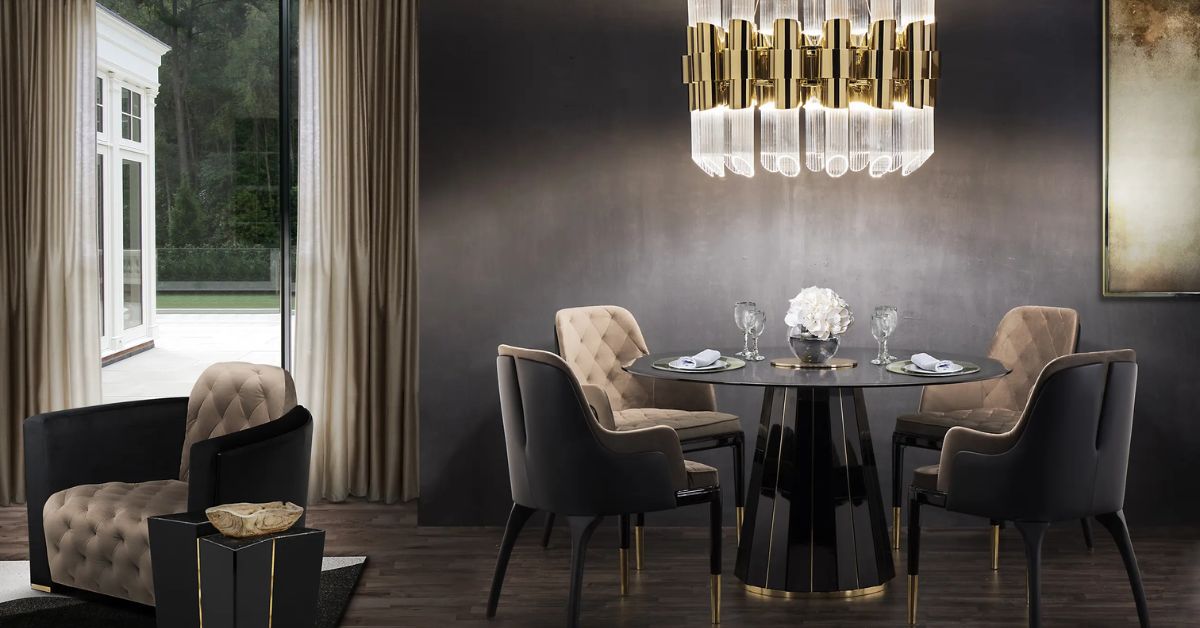
A 4-seater dining table is perfect for apartments, cozy dining spaces and breakfast corners. It is ideal for couples, small families, or limited dining areas.
Recommended dining table dimensions:
- Square dining table for 4: 36”– 44” (91cm – 112cm)
- Round dining table: 36”– 48” diameter (91cm – 122cm)
- Rectangular table: 36” x 48” (91cm x 122cm)
- Oval dining table for 4: 36” x 60” (91cm x 152cm)
📌Key Insight: If space is tight, opt for a round table to eliminate sharp edges and create a smoother flow in your dining area. You can also use benches instead of chairs to save space.
6 Seater Dining Table Size
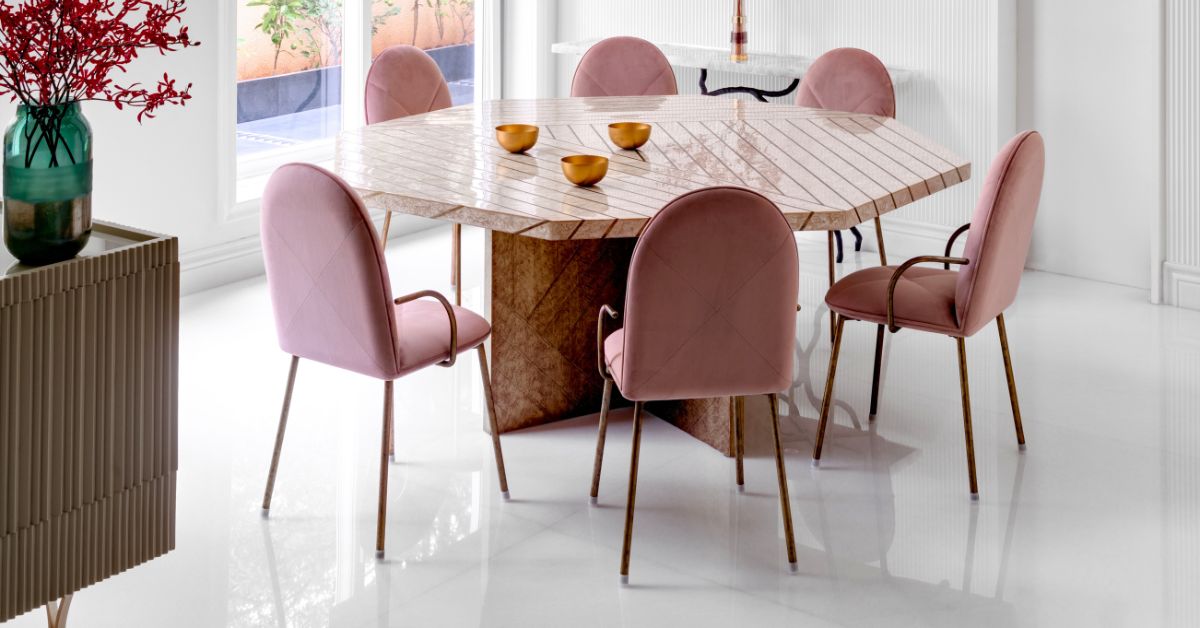
A dining table 6 seater offers a balance between intimacy and functionality. It’s ideal for families who need extra seating without compromising too much space. This size is also great for hosting small get-togethers.
Recommended dimensions:
- Square dining table: 48”– 54” (122cm – 137cm)
- Rectangular table: 36”– 42” wide, 60”– 72” long (91cm – 107cm wide, 152cm – 183cm long)
- Round dining table: 48”– 60” diameter (122cm – 152cm)
- Oval dining table for 6: 42” x 72” (107cm x 183cm)
📌Tip: Consider an extendable dining table if you occasionally need more seating but want to maintain a compact space for everyday use.
8 Seater Dining Table Size
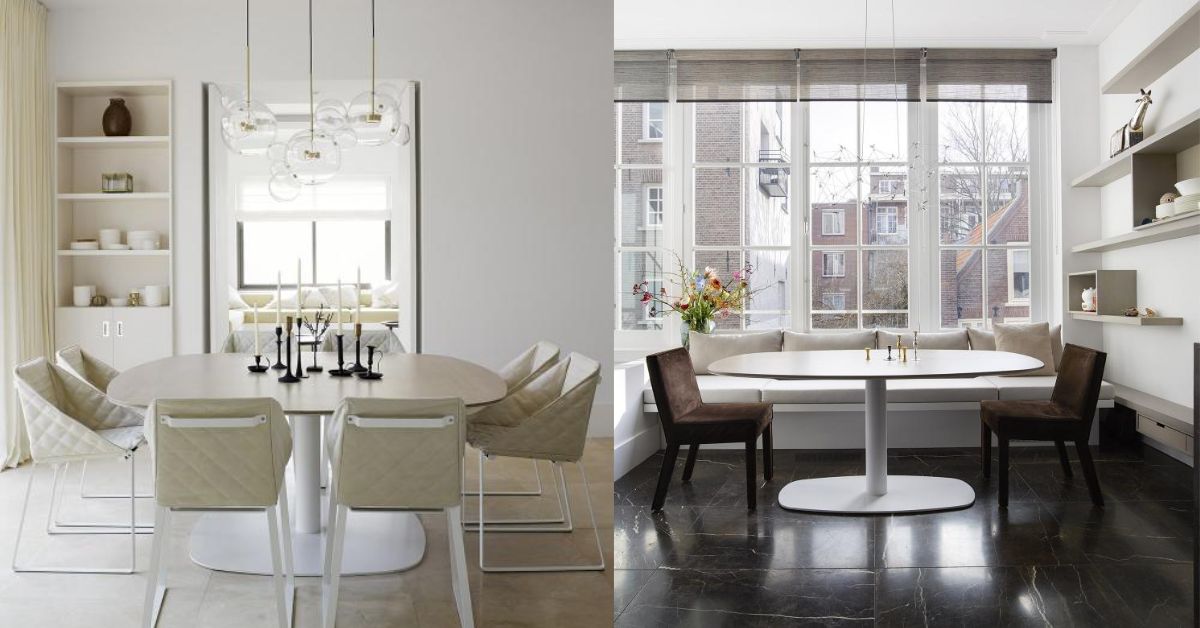
If you frequently host dinner parties or have a large family, an 8-seater dining table is an excellent investment. It provides ample space for entertaining while maintaining a comfortable dining experience.
Recommended dining table dimensions:
- Square dining table for 8: 54”– 72” (137cm – 183cm)
- Rectangular table: 36”– 48” wide, 72”– 96” long (91cm – 122cm wide, 183cm – 244cm long)
- Round dining table: 72” diameter (183cm)
- Oval dining table for 8: 42” x 84” (107cm x 213cm)
📌Expert Advice: A rectangular table works best for 8 people, but if your space is limited, a round or oval table can maximize seating while maintaining a smooth traffic flow.
10 Seater Dining Table Size
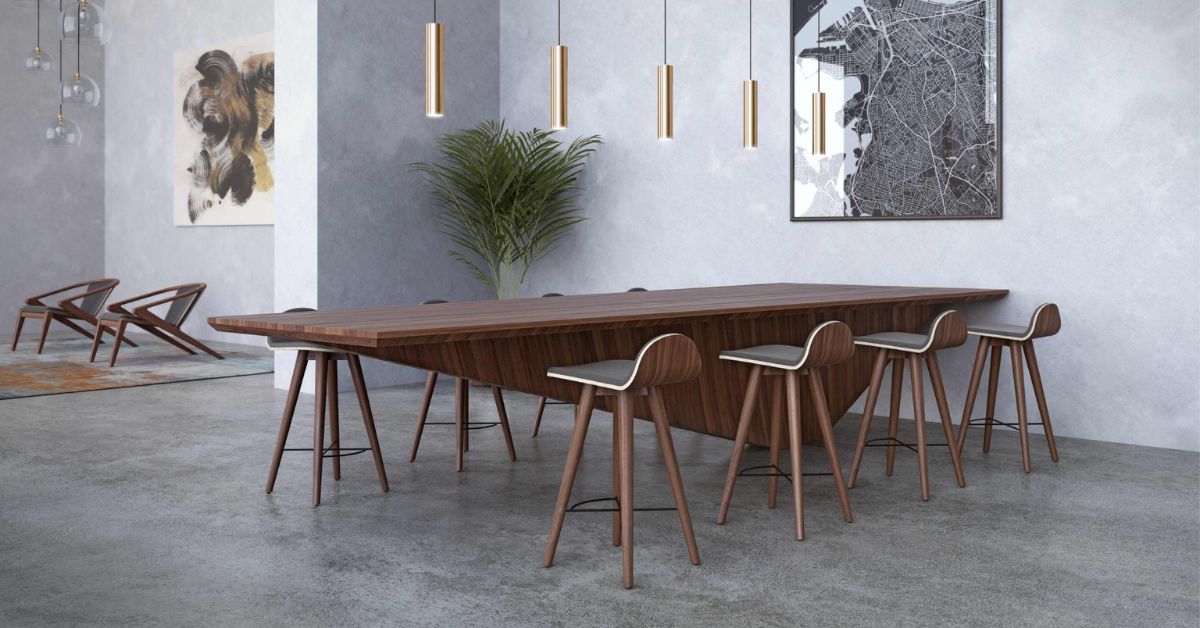
A 10-seater dining table is ideal for large families or those who frequently entertain guests. It provides ample space while maintaining a comfortable dining experience.
Recommended dimensions:
- Square dining table: 72”– 84” (183cm – 213cm)
- Rectangular table: 42”– 48” wide, 96”– 120” long (107cm – 122cm wide, 244cm – 305cm long)
- Round dining table: 84” diameter (213cm)
- Oval dining table size: 48” x 96” (122cm x 244cm)
📌Tip: Ensure there is at least 48 inches of clearance around the table so guests can move comfortably without feeling restricted.
Dining Table Size for 12 People
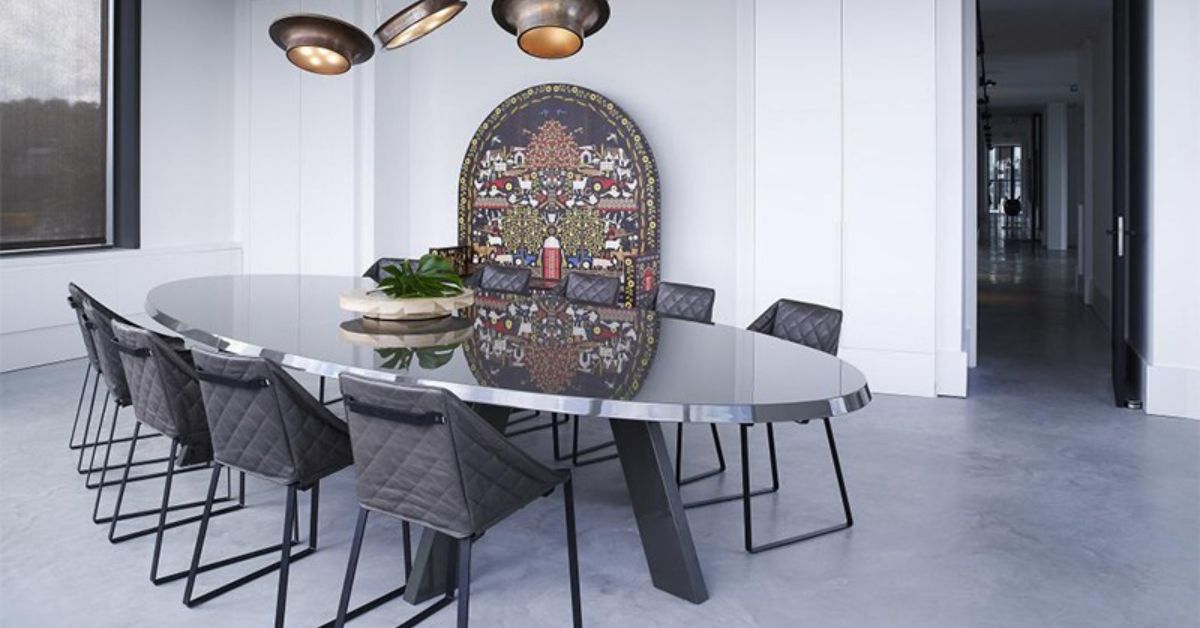
A dining table for 12 people is designed for grand dining experiences, making it perfect for luxury homes, banquet settings, or large family get-togethers. These tables require ample space but create an impressive focal point in any dining area.
Recommended dimensions:
- Square dining table for 12: 96” x 96” (244cm x 244cm)
- Rectangular table: 42”– 54” wide, 120”– 144” long (107cm – 137cm wide, 305cm – 366cm long)
- Round dining table: 96” diameter (244cm)
- Oval dining table size: 48”–54” x 120”–144” (122cm – 137cm x 305cm – 366cm)
📌Tip: A rectangular or oval table is the best choice for seating 12 people comfortably. Consider adding padded chairs for extended seating comfort.
Round vs. Rectangular vs. Square vs. Oval Dining Table – Which Shape Dining Table is Best?
Choosing the right dining table shape depends on your space, seating needs, and design preferences. Each shape has its own advantages, as shown in the table below:
| Feature | Round | Rectangular | Square | Oval |
|---|---|---|---|---|
| Space Efficiency | Best for small spaces | Ideal for long rooms | Best for square rooms | Works in narrow spaces |
| Seating Arrangement | Encourages conversation | More structured seating | Equal distance seating | Flexible seating |
| Visual Appeal | Softens room angles | Adds a formal look | Creates symmetry | Elegant and modern |
| Expandability | Hard to extend | Easily extendable | Fixed size | Can be extendable |
| Best for | Cozy meals, small areas | Large families, formal dining | Compact dining spaces | Stylish, modern homes |
Seating Solutions: Comfort and Style
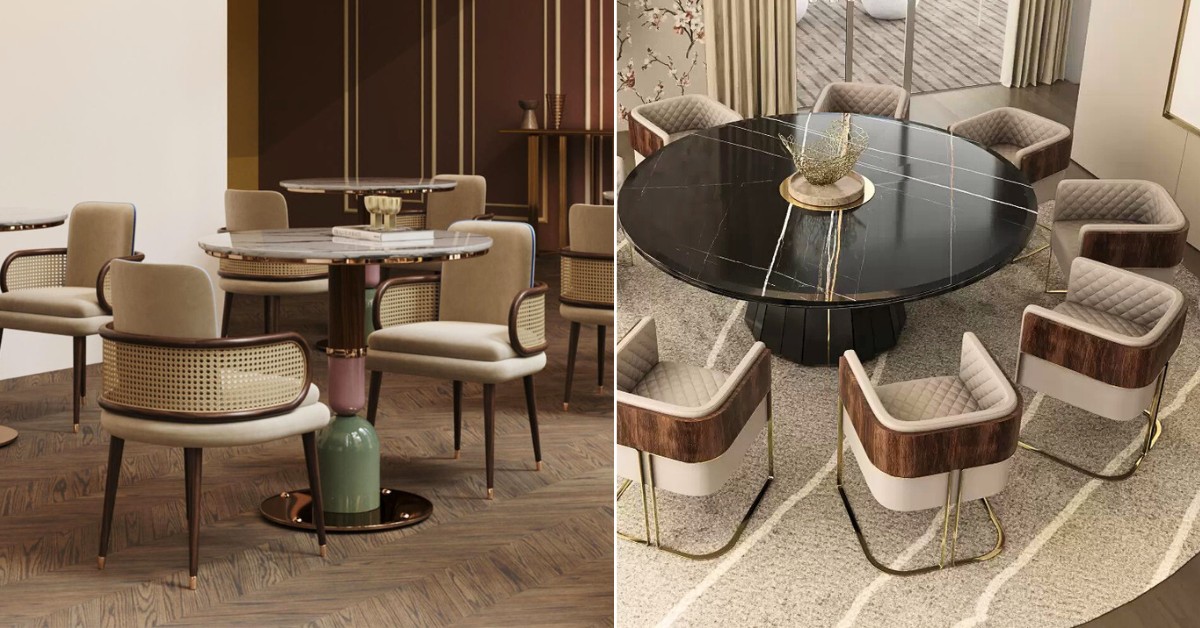
When it comes to compact dining tables, the seating arrangement is key to comfort. Choosing the right dining chair is important for both comfort and style, especially when hosting special events and considering how many people the table can seat. There are three main types of seating systems to choose from for dining tables:
Box Seating
Box seating, also known as banquette seating, offers a built-in solution that maximizes space and provides a cozy dining experience. These chairs are cushioned for extra comfort, making them ideal for extended meals. Box seating works well with rectangular wooden dining tables and offers a high weight capacity.
Seating along The Side Rail
This common seating style uses chairs with metal or plastic bases, often with cushioned seats for comfort. This option allows for more legroom and flexibility and is best suited for smaller dining tables These chairs are lightweight as chairs can be easily moved around.
Upholstered Dining Chair
Upholstered chairs add extra comfort with their soft, spring-filled cushions. These dining chairs are comfortable for long meals and are a great match for stylish dining tables. They pair well with modern dining tables and enhance the overall dining experience.
Dining Table Design – Finding the Perfect Style
A dining table design should complement your home’s decor. Consider these styles:
Modern Dining Table Design
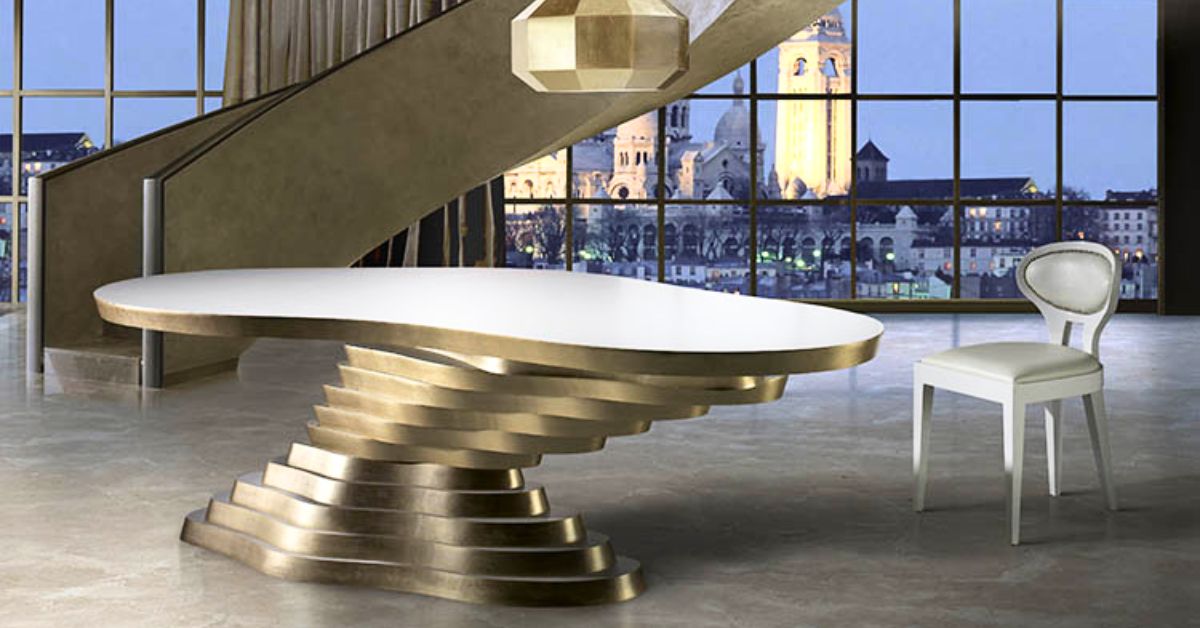
A sleek and minimalistic option featuring clean lines, glass, or high-gloss finishes. It works well in contemporary and urban apartments, creating a chic and sophisticated ambiance.
Best for: High-rise apartments, modern interiors, and open-concept spaces.
Farmhouse Dining Table
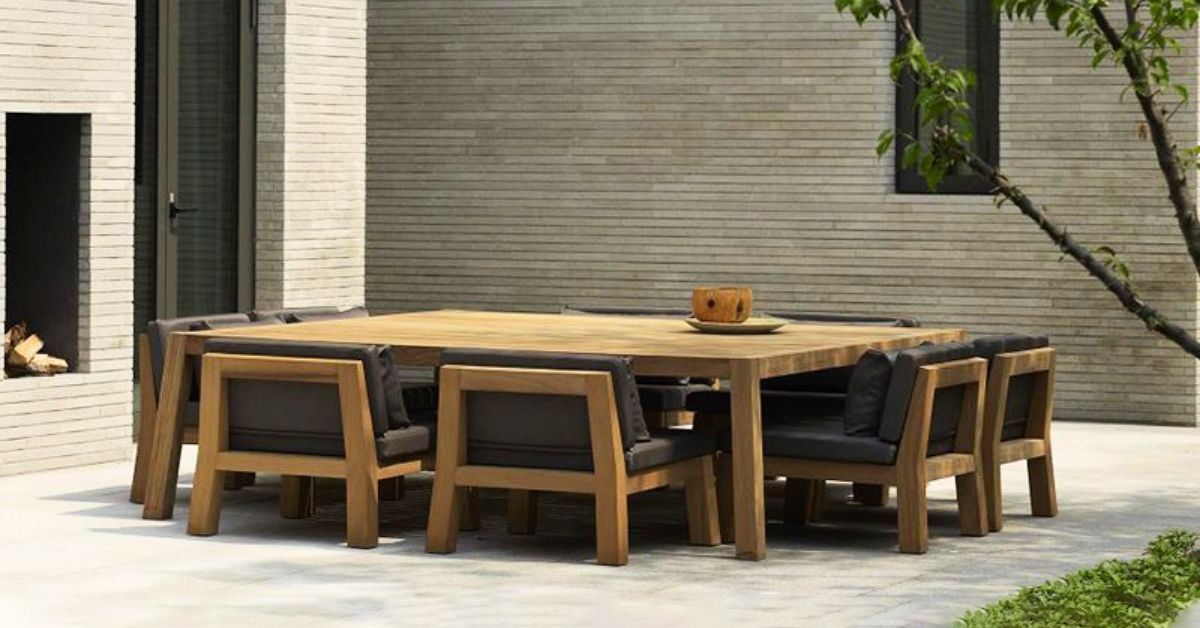
Crafted from solid wood with a rustic, warm feel, this design exudes coziness and tradition. It pairs beautifully with neutral tones and vintage décor.
Best for: Country homes, family dining rooms, and cozy kitchens.
Industrial Dining Table
A bold mix of wood and metal, offering a raw, urban appeal. This design often features exposed bolts, reclaimed wood, and iron legs, adding character to modern lofts.
Best for: Loft apartments, urban settings, and contemporary-industrial homes.
Contemporary Dining Table
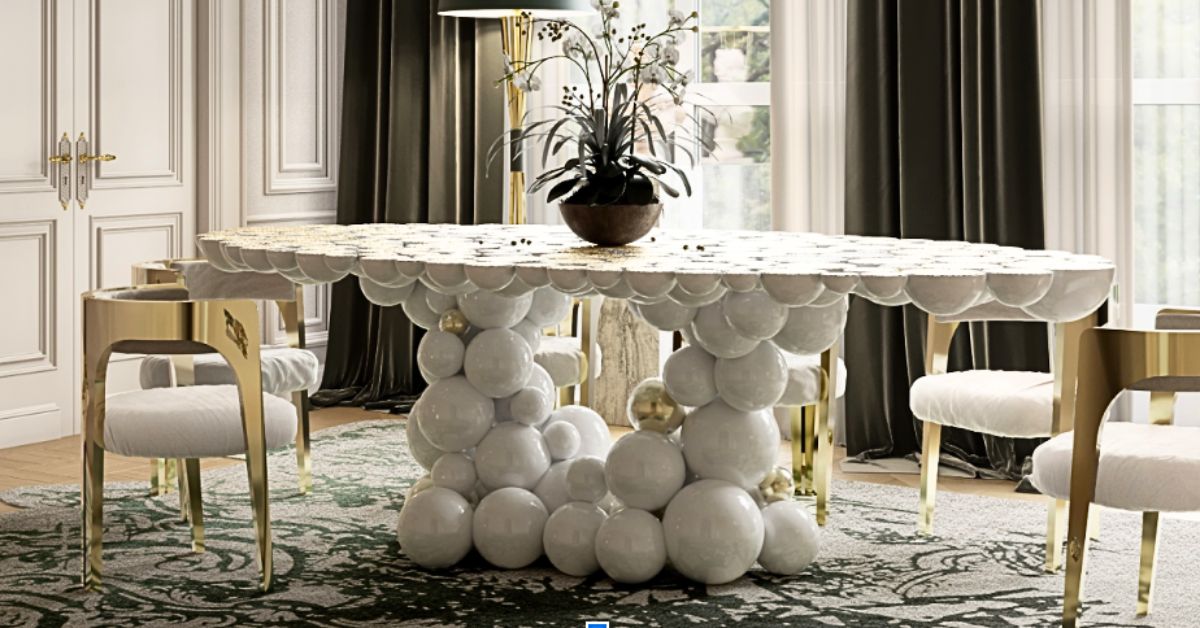
A fusion of modern and artistic elements, often with unique shapes or mixed materials. This table makes a statement without overpowering the space.
Best for: Trendy homes, stylish interiors, and upscale dining areas.
Luxury Dining Table
Made from premium materials like marble, crystal glass, or polished wood with metallic accents, a luxury table adds elegance and grandeur to any space.
Best for: Formal dining rooms, penthouses, and luxury interiors.
Rustic Dining Table
With its distressed wood and natural textures, a rustic table brings an organic, earthy charm. It blends well with warm-toned interiors and nature-inspired décor.
Best for: Cottage-style homes, nature-inspired spaces, and countryside retreats.
Mid-Century Dining Table
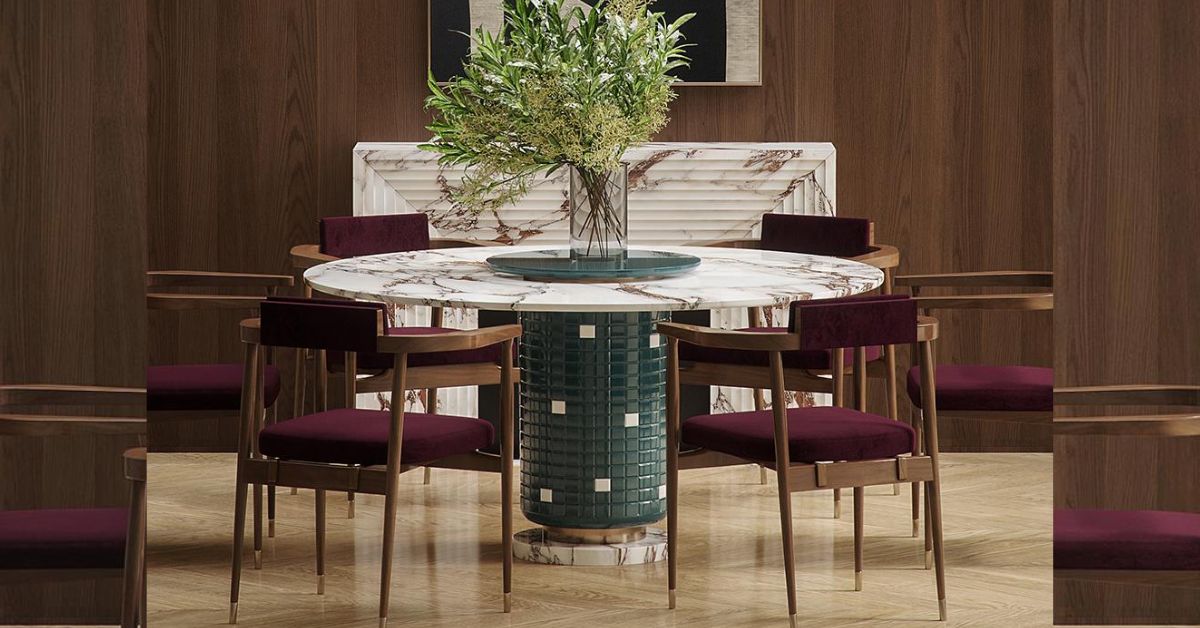
A timeless design with tapered legs, simple wood finishes, and a retro feel. The mid century dining table balances vintage aesthetics with modern minimalism.
Best for: Scandinavian homes, vintage-style apartments, and small dining spaces.
Maintenance and Care
The right material only works if you can keep it looking right. Each material has a different maintenance requirement – and in Indian homes, climate plays a bigger role than most buying guides admit.
Solid wood tables need occasional oiling (teak oil or danish oil, once or twice a year) to prevent drying and surface cracking. In coastal cities like Mumbai, Chennai, and Kochi, keep wood tables away from direct humidity sources. Wipe spills immediately – standing water is the fastest way to damage a wood surface. Glass dining tables are the lowest-maintenance option for daily cleaning — a microfibre cloth and glass cleaner is all you need. The visible problem is fingerprints and smudges, which show up immediately on a clear glass top. Frosted or tinted glass hides this better. Check that the glass is toughened (tempered) – a minimum of 10–12 mm thickness for a dining table top. Marble dining tables need the most attention. Marble is porous, and stains from acids — lemon juice, wine, tamarind, and most Indian cooking liquids will etch the surface if left to sit. Use coasters. Seal the surface once a year with a stone sealant. For busy family dining, a marble-look sintered stone or engineered quartz top gives a similar look with significantly less maintenance. HPL and engineered wood tables are the most practical for daily family use. HPL (high-pressure laminate) resists heat, moisture, and surface scratches better than most natural materials. Common in hospitality applications for exactly this reason. Not as premium in appearance, but the right call if a dining table sees heavy daily use from children or a large joint family.
Tips to Avoid Costly Mistakes When Choosing a Dining Table
Match material to your climate, not just your aesthetic. A bare wood table without proper treatment will absorb moisture and warp in coastal cities over 2–3 monsoon cycles. Marble etches from everyday Indian cooking ingredients. Choose material based on how the table will actually be used, not just how it looks in a showroom. Do not buy a style that will date in 3 years. Highly trend-driven styles — a specific leg finish, an unusual colour, a novelty shape — look sharp for a season and then feel wrong. Mid-century, farmhouse, and contemporary styles have held for decades in Indian interiors. Modern and industrial styles are safer than very specific micro-trends. Check chair height before you buy separately. The gap between the chair seat and the table underside should be 25–30 cm. If you are buying a table and chairs from different sources, confirm the table height (75–76 cm standard) and chair seat height (44–46 cm standard) before ordering. Think about the table in the room, not just the table. A 10-seater marble statement table looks right in a 14 x 16 ft dedicated dining room. In a merged kitchen-dining layout in a 3BHK, the same table makes the space feel like a furniture showroom, not a home. Consider what happens to the table in 5 years. Families grow, hosting needs change, apartments get upgraded. An extendable table in the short term or a custom-sized piece that fits a specific room is often smarter than buying the largest catalogue size available.
Conclusion
Choosing the right dining table size isn’t just about looks, it’s about making your space comfortable and functional. A table that’s too big can make your dining area feel cramped, while one that’s too small might not fit everyone comfortably. By measuring your space, considering how many people you need to seat, and following simple size guidelines, you can find the perfect table for your home. Whether it's family dinners, festive gatherings, or casual coffee chats, the right table will bring people together without any hassle. So, take your time, choose wisely, and enjoy every meal with ease!
Looking for the perfect dining table? Arcedior offers a stunning collection of dining table designs to suit your style and space. Whether you need a 4-seater dining table or a spacious 6-seater dining table, explore our exclusive range today and find the ideal dining table set to elevate your meals. Don’t wait, bring home the perfect dining experience now!
Frequently asked questions
Q1: What is the standard size of dining table?
The standard dining table size varies by shape and seating capacity. A rectangular table typically measures 72 to 96 inches long and 36 to 42 inches wide, seating six to eight people. Square tables range from 36 to 60 inches wide, while round tables are 36 to 72 inches in diameter, accommodating four to eight people.
Q2: How much space does a person need on a table?
Each person should have at least 24 inches (2 feet) of table space to dine comfortably. If you want a more spacious setup, 30 inches per person is ideal. This ensures enough room for plates, cutlery, and elbow space.
Q3: What is the rule for dining table size?
The general rule for dining table size is to leave at least 36 inches of clearance around the table for easy movement. The table width should be at least 36 inches to fit dishes and serving items, while the length should be based on seating needs, allowing 24 to 30 inches per person.
Q4: How to know what size dining table to get?
To choose the right dining table size, measure your dining area and subtract 6 feet (3 feet per side) to allow for movement. Consider how many people you need to seat regularly and for gatherings. Rectangular tables suit longer rooms, while round or square tables work well in compact spaces. If you entertain often, an extendable table is a great option for added flexibility.
You May Also Like