Developer Furniture Supply in India: BOQ to On-Site Delivery
Furniture Suppliers for Real Estate Developers in India: Bulk Procurement Without Vendor Chaos
Quick Answer
Who This Page Is For
This page is written specifically for:
- Project Directors and Procurement Heads managing 100-plus unit residential rollouts
- PMCs coordinating furniture across sample flats, clubhouses, and phased tower handovers
- Developers running multi-city or multi-phase projects with standardized unit types
- Real estate teams who have design intent locked, but need the product execution side handled
If you have managed a residential project in India, you already know what happens when furniture procurement is left to chance. You have multiple vendors, each with its own lead times and finish standards. The sample flat gets done on time. But by the time bulk production starts, the laminates do not match, three suppliers have moved their delivery dates, and your site team is getting calls it cannot answer.
This page addresses that problem directly, for bulk furniture vendors for builders India, multi-unit procurement heads, and anyone managing residential handovers at scale.
What Developers Actually Need From "Furniture Suppliers"
Most furniture supplier websites talk about collections and catalogues. That does not help when you are running a 400-unit residential project with a phased handover across three towers.
What developers actually need comes down to three things:
Sample Flat Speed, Then Bulk Repeatability
The sample flat is your sales tool. It has to be ready fast, look right, and set a standard that can be replicated exactly across every unit. That means the finish codes, dimensions, and hardware specs used for the sample flat must be locked and carried into the bulk Bill of Materials without drift.
One Timeline Across Many Categories
Wardrobes, beds, seating, storage, and loose furniture rarely come from one factory. Managing them separately across your handover schedule is a coordination problem. The procurement model you choose should absorb that complexity, not hand it back to you.
Finish Consistency Across Buildings and Phases
A project delivered in phases, whether Tower A first or a staggered possession calendar, needs the same laminate tone and hardware quality in every batch. Without a finish control system, batch-to-batch variation becomes a complaint waiting to happen.
Real Projects: Execution Snapshot
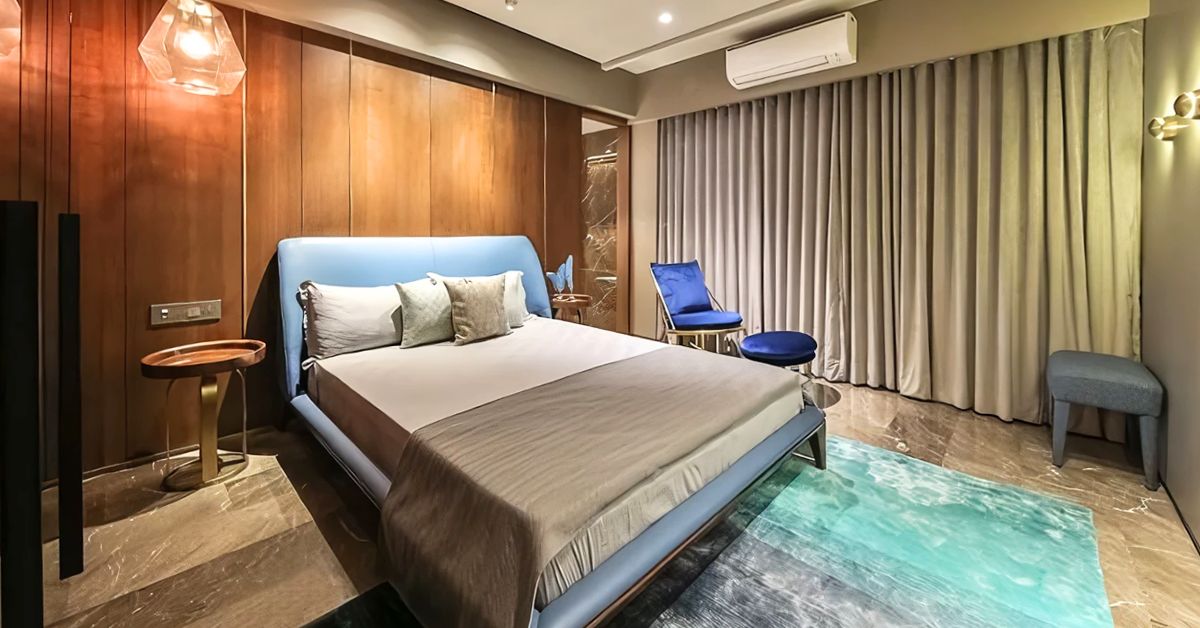
Arcedior has supported furniture sourcing, contract manufacturing, QC, and delivery across 1,100-plus projects in hospitality, corporate, and residential real estate. Three real estate projects show what this looks like in practice.
Pacifica Hillcrest
684 units across 40 acres. Arcedior sourced furniture, decorative lighting, sanitary ware, and artefacts across the project under a single procurement model, delivering a consistent minimalist finish throughout. View project
Kasturi Pride, Rajkot
Gujarat's first high-rise residential development in the ultra-luxury segment. All apartments fully furnished across categories, including furniture, lighting, and art, sourced by Arcedior. The project won the CNBC Bazar award in 2015 for the Ultra Luxurious Segment. View project
Western Oasis, Ahmedabad
Show villa for True Value Group. Furniture sourcing and contract manufacturing handled by Arcedior in coordination with Studio Nilesh Kava and Parita Kava's design language, without touching the design brief itself. View project
In each case, the design intent stayed with the architect or developer team. Arcedior handled the sourcing, manufacturing coordination, QC, and delivery side. That distinction matters when choosing a partner for a developer project.
Supplier Models Compared: Which One Actually Works for Developers?
Model | BOQ Execution | Finish Control | QC Before Dispatch | Phased Delivery | Risk Level |
Local Dealers / Resellers | Partial | Low | Rare | No | High |
Multiple Manufacturers (you coordinate) | Possible | Variable | Depends | Partial | Medium-High |
Single-Window Sourcing Partner | Full BOQ | Controlled | Yes | Yes | Low |
Hybrid (local top-ups + bulk mfg) | Partial | Varies | Partial | Partial | Medium |
For mid-to-premium residential projects with 100-plus units, the single-window model removes the coordination overhead that typically causes delays. You share one BOQ, get one point of contact, and track production through one milestone system.
Running a project with 100-plus units and need a sourcing plan before possession dates close in?
Tell us your unit count, cities, and handover month. Arcedior will map sourcing routes, QC checkpoints, and a phased delivery timeline for your specific scope, usually within 24 to 48 hours of receiving your brief.
What a Single-Window Procurement Partner Actually Executes
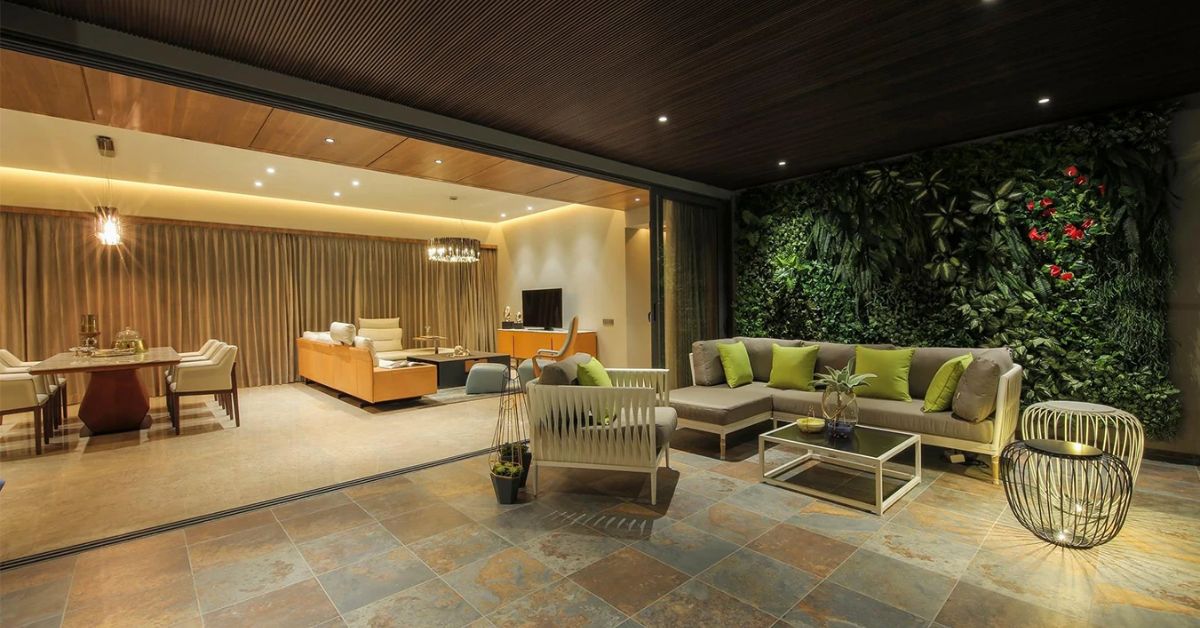
To be direct about what this model covers: it is procurement and execution, not interior design. A sourcing partner like Arcedior manages the product side of your project, so your design intent gets executed without you chasing factories.
- BOQ and Spec Review: Reading your drawings, BOQs, and finish schedules to identify what needs sourcing, what needs contract manufacturing, and where alternates might reduce lead time or cost.
- Sourcing and Contract Manufacturing Coordination: Identifying the right manufacturers per category, issuing RFQs, and managing production timelines once POs are placed.
- QC Checkpoints: In-process checks and pre-dispatch inspections with photo and video evidence before goods leave the factory.
- Logistics and Phased Deliveries: Coordinating dispatch by tower, floor, and unit so your site receives what it can actually handle at each stage.
- Installation Coordination: Working alongside your site team to sequence unboxing, assembly, and placement according to your handover plan.
Pro Tip
When NOT to Use a Single-Window Sourcing Partner
This model is built for volume and coordination complexity. It is not always the right fit, and being clear about that matters.
You likely do not need a single-window procurement partner if:
- Your project has fewer than 20 units and a single site with no phased handover
- Your interior designer already has a strong vendor network and is taking full procurement responsibility
- Your timeline is flexible by more than 3 months, and finish consistency across units is not a hard requirement
- The project is a one-off bespoke residence rather than a standardized residential development
For those situations, a designer-led buying process or direct manufacturer relationships usually work fine and cost less to manage.
Where the single-window model becomes necessary: multi-unit projects with standardized BOQs, phased tower handovers, multiple categories running simultaneously, or sites in cities where your existing vendor network is thin.
The Developer Rollout: 9 Steps From BOQ to Handover
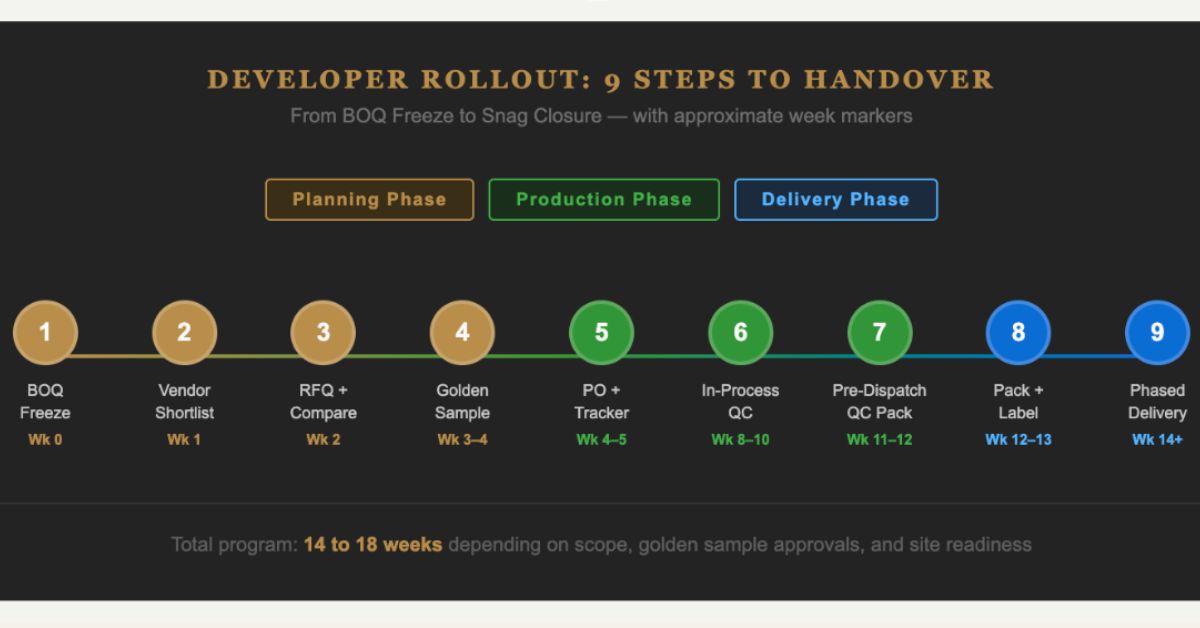
- BOQ Freeze + Budget Bands + Handover Plan: Confirm quantities, finish grades, and delivery phasing before any sourcing begins.
- Vendor Shortlist + Alternates: Identify primary and backup manufacturers per category based on lead time, capacity, and finish capability.
- RFQs + Apples-to-Apples Comparison: Issue RFQs with identical spec sheets so quotes are actually comparable, not just on paper.
- Golden Sample + Mockups: Approve physical samples for finish, hardware, and dimensions before bulk production starts.
- PO + Production Milestone Tracker: Place orders with tracked milestones: material cut, assembly, finishing, QC, and dispatch readiness.
- In-Process QC Checkpoints: Inspect at the production stage to catch tolerance or finish issues before they multiply across 200 units.
- Pre-Dispatch QC + Evidence Pack: Final inspection with documented photo or video evidence. Issues resolved before goods leave.
- Packaging + Labeling by Tower/Floor/Unit: Export-grade packaging with corner guards, edge protection, and moisture barriers. Cartons labeled for direct site routing.
- Phased Deliveries + Install Coordination + Snag Closure: Deliver only what the site can receive and process. Close snags within an agreed timeline, not open-ended.
Planning phased delivery across towers? Arcedior will map a tower-wise dispatch sequence against your possession calendar.
What Impacts Furniture Cost in Developer Projects
Most bulk apartment furniture suppliers in India avoid the cost conversation until quoting. That makes planning difficult. Here are the actual factors that move the cost in a developer furniture program:
Finish Grade
Pre-laminated board versus post-form versus solid wood veneer can mean a 30 to 60 percent difference in unit cost within the same category. Locking the finish grade at the BOQ stage is not just a design decision; it is a cost control decision.
Volume and Category Mix
A 300-unit project with a standardized BOQ across all units pulls significantly better pricing than a 300-unit project with three different unit types needing three separate BOQs. Standardization at the spec level reduces cost more than volume alone.
Timeline Compression
Requesting delivery 4 weeks earlier than standard lead times usually adds cost through expedited production or priority slots at factories. If your possession date has no buffer, factor this in early rather than absorbing it at the PO stage.
Domestic vs Sourced Components
Some hardware, fabrics, or materials that perform better at scale are sourced internationally. Arcedior has sourcing access across 45 countries. When a domestic equivalent matches spec, domestic sourcing wins on lead time. When it does not, knowing where to source globally saves the project from compromise.
Multi-City Logistics
Freight from manufacturing clusters to Tier 2 cities, or across multiple project sites simultaneously, adds complexity and cost. This is best modeled at the planning stage, not discovered after POs are placed.
Installation Complexity
Projects with limited lift access, staggered possession floors, or restricted site hours need installation coordination built into the program from the start. Sites that do not plan for this absorb the cost through site team overtime and damaged goods.
Lead Time Reality for 2025/2026 Developer Furniture Programs
Most delays do not come from slow manufacturing. They come from late approvals, mid-production BOQ changes, and unclear specs at the RFQ stage.
In 2025 and into 2026, most developer furniture programs in India are running on these timelines with clean inputs:
Category | Typical Lead Time (PO to Dispatch) | Common Delay Trigger |
Modular wardrobes and storage | 6 to 10 weeks | Late golden sample approval |
Upholstered seating and beds | 8 to 14 weeks | Fabric or foam spec change post-PO |
Loose furniture (tables, chairs) | 5 to 8 weeks | Mid-production finish revision |
Imported or global-sourced items | 12 to 20 weeks | Customs documentation gaps |
Full multi-category program (phased) | 8 to 14 weeks (first phase) | Missing BOQ clarity at RFQ stage |
Current market conditions in 2025 show that projects with well-prepared BOQs and locked finish references are hitting the lower end of these ranges consistently. Projects entering sourcing with rough specs or pending design approvals are sitting closer to the upper end.
The most common bottleneck we see right now is golden sample approvals taking longer than planned because design teams and procurement teams are not aligned on the sign-off process before sourcing starts.
QC Checklist Before Dispatch: Developer Version
Pre-dispatch QC is the last point where you can fix problems without site disruption. Here is what should be verified before anything leaves the factory:
- Dimensions and tolerances checked against approved drawings (plus or minus accepted tolerance limits)
- Finish match against the golden sample reference (laminate tone, texture, sheen level)
- Hardware testing: hinges, runners, locks, and handles under load and repeated cycles
- Surface inspection: edge banding, joints, gaps, and scratch-free finish
- Packaging stress check: corner guards, edge protection, moisture barrier integrity
- Carton labeling verified against delivery schedule (tower, floor, unit)
- Photo and video evidence pack shared before dispatch approval
Key Takeaway
Want the full QC checklist used before dispatch on developer projects? It's included in the Developer Pack.
The Developer Pack includes: CAD files, BOQ starter templates, QC checklist, finish control sheet, phased delivery planner, and production milestone tracker. Built for project directors and procurement heads managing multi-unit rollouts.
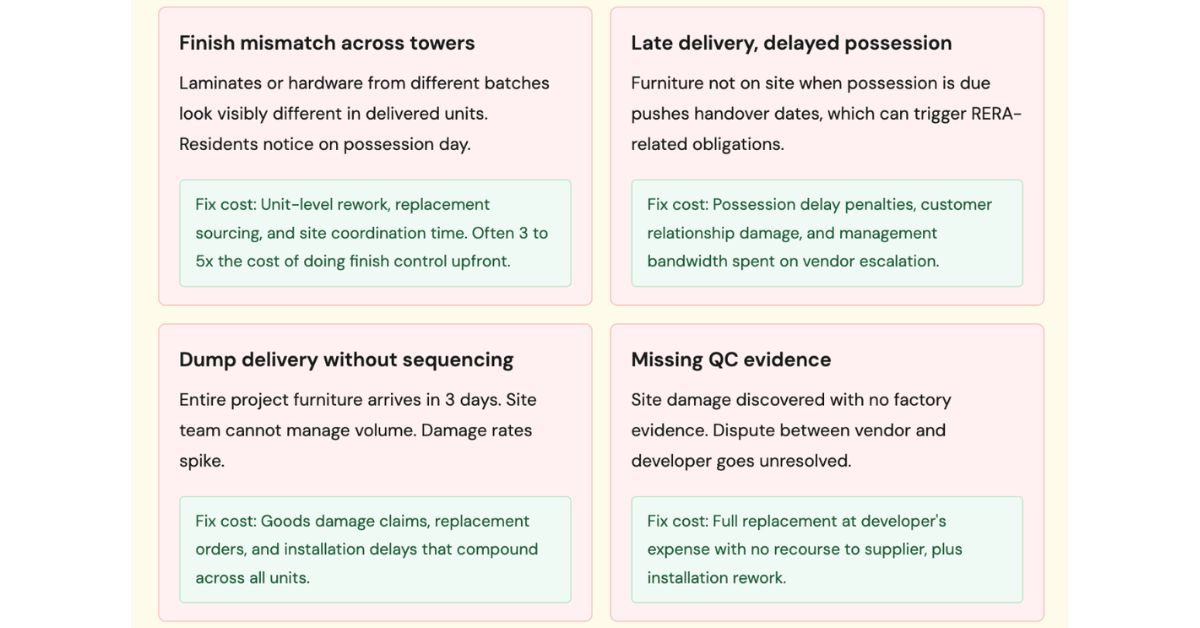
Cost of Mistakes in Developer Furniture Programs
The risks in bulk furniture procurement are not theoretical. Here is what finish and delivery failures actually cost on a residential project:
Logistics and Phased Delivery: How Projects Avoid Site Chaos
Furniture damage and site confusion during delivery are rarely a transport problem. They are a planning problem.
Unit-Wise Kitting and Labeling
Every carton should carry a label that tells the site team exactly where it goes: Tower, Floor, Unit, and Item. This removes guesswork during unloading and prevents furniture meant for the 12th floor from sitting in the basement for a week.
Staging Plan and Site Readiness
Deliveries should only happen when the receiving area is clear, lift access is confirmed, and the site team knows the unloading sequence. Booking lift slots and coordinating with your MEP team before trucks arrive is non-negotiable for large projects.
Damage Prevention and Claims
With export-grade packaging and pre-dispatch QC evidence, damage claims become simple to resolve because you know the condition when the goods left the factory. Without that evidence, every site damage becomes a dispute.
Why Developer Furniture Programs Fail (and the Fix)
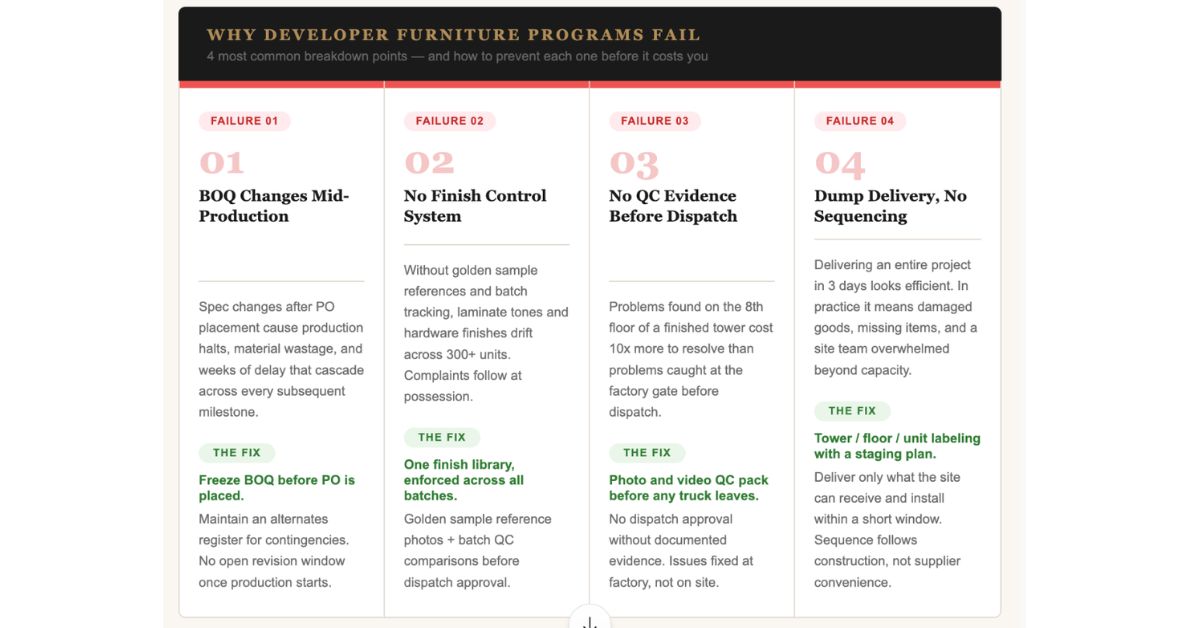
- BOQ changes mid-production: Freeze specs before PO. Changes after PO start are expensive and delay-causing. Use an alternate register, not an open revision process.
- No finish control system: Without a golden sample reference and batch tracking, finish variation across 300 units is almost certain. One finish library, one reference set.
- No QC evidence before dispatch: You cannot fix a finish problem on the 8th floor of a finished tower. You can fix it in the factory before dispatch, but only if QC is actually done.
- Dump delivery without sequencing: Delivering an entire project's furniture in three days sounds efficient. It usually means damaged goods, missing items, and a site team that cannot manage the volume.
Where to Start if Your Project Is Already in Planning
If you are in the planning or shortlisting stage, the fastest move is to get a sourcing route and timeline mapped against your actual handover calendar. Not a catalogue. Not a price list. A plan that tells you when to place POs, when golden samples need approval, and when bulk production needs to start to meet your possession dates.
Arcedior supports developers through sourcing, procurement, contract manufacturing coordination, QC, and delivery. The design intent stays with your team. Arcedior handles the product execution side, across categories, with QC checkpoints and phased deliveries built in from the start. That is not design work, it is the part that makes your design real on site at scale.
Arcedior has completed sourcing and procurement programs for 1,100-plus projects across hospitality, corporate, and residential real estate, drawing on a sourcing network across 45 countries and domestic manufacturing partners across India.
Tell us your unit count, cities, and handover month.
Arcedior will map sourcing routes, QC checkpoints, and a phased delivery timeline for your project scope. If you share your BOQ or scope summary, we can also give you a realistic lead time and a view of which categories need POs placed first.