10 Hot New Building Materials to Use for 2025
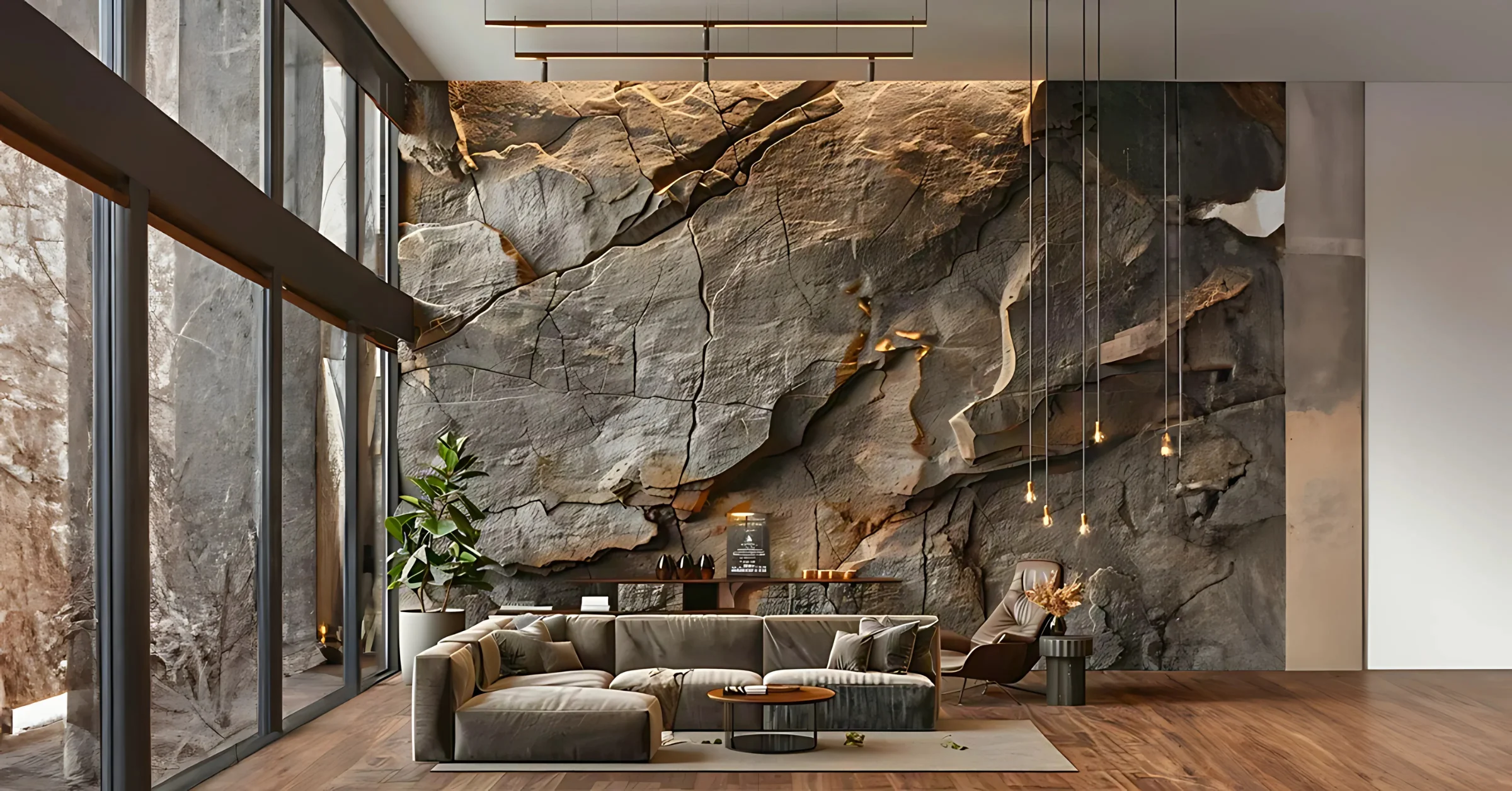
Design is constantly evolving, with each year bringing new ideas, innovations, and building materials that push the boundaries of creativity. As we step into 2025, designers are exploring fresh avenues, combining technology and nature to create new building materials that are not only visually captivating but also sustainable and functional. Whether it’s the sleek elegance of CNC stone panels or translucent aluminum foam, 2025 promises a building materials list filled with innovations that combine beauty, sustainability, and performance.
For designers, architects, and homeowners seeking to stay ahead of the curve, understanding the key building materials driving 2025’s design revolution is essential. At Arcedior, we’re excited to share these hot new building materials with you, giving you the inside scoop on what’s shaping the design world.
CNC Stone Panel

In 2025, CNC stone panels will redefine how we think about building materials used for architectural surfaces. CNC stone panels are crafted from natural stones like marble, granite, or limestone, and shaped using Computer Numerical Control (CNC) technology. This method offers unmatched precision and customization, making them a favorite for designers looking to create intricate patterns and designs on stone surfaces.
By using CNC machining, the stone is cut with millimeter-level precision, ensuring clean lines and complex patterns that were once difficult to achieve from building materials like stone. Designers can transform slabs of natural stone, like marble or granite, into functional art pieces, with detailed engravings and textures that were previously impossible with traditional methods. Expect to see CNC stone panels dominating luxury homes, boutique hotels, and commercial spaces, where opulence and detail are paramount.
Why Choose CNC Stone Panels?
CNC stone panels provide unparalleled versatility. Whether you’re looking to add a modern, geometric feature wall to your living room or a delicate, floral design to a boutique hotel lobby, these panels allow for endless creativity. The precision of CNC machining ensures that each panel is meticulously crafted, offering a flawless finish that draws attention.
Plus, the durability of natural stone means these panels aren’t just about aesthetics—they’re built to last. Whether it’s marble, granite, or limestone, CNC stone panels offer a timeless elegance combined with cutting-edge design.
What We Love About CNC Stone Panels
Flexible Wall Cladding

Imagine a building material that can wrap around curved surfaces, flow effortlessly along walls, and adapt to any shape. Flexible wall cladding offers just that—a seamless, adaptive design solution that brings a soft, fluid quality to any space. Whether you’re designing a sleek, modern restaurant interior or adding a futuristic touch to a luxury home, flexible wall cladding creates a sense of movement and elegance.
Why Choose Flexible Wall Cladding?
The key to flexible wall cladding’s appeal is its ability to conform to unique architectural features. It can wrap around corners and pillars where traditional rigid building materials just won’t do. For designers looking to create soft lines, rounded edges, and organic shapes, flexible cladding provides an ideal canvas. Whether used indoors or outdoors, it offers a lightweight, durable solution that makes installation easy and creates visually stunning effects.
What We Love About Flexible Wall Cladding
Perforated Crystal Brick

Perforated crystal brick is the jewel in the crown of 2025’s building material innovations. These bricks are a fusion of glass and high-performance polymer composites, with their translucent surfaces and delicate holes, bring light and texture into a space in the most elegant way. These building materials used in walls, partitions, or even as decorative elements, add a layer of luxury that plays beautifully with natural light, creating patterns and shadows that shift throughout the day.
Why Choose Perforated Crystal Brick?
Perforated crystal brick offers architects and designers an opportunity to experiment with how light interacts with space. When used in exterior walls or partitions, these bricks can create a luminous, airy effect, making spaces feel larger and more open while maintaining privacy. They are perfect for minimalist designs, where light becomes a key architectural element. The material is especially suited for luxury hotels, museums, or private residences where creating an atmosphere of elegance and serenity is paramount.
What We Love About Perforated Crystal Brick
Fabric Sandwich Glass

Fabric sandwich glass is one of the most exciting building materials emerging in 2025, offering designers the chance to combine the softness of fabric with the sleekness of glass. The fabric is encapsulated between two sheets of tempered glass, creating a transparent panel that adds texture and visual interest to walls, partitions, and even windows. It’s where warmth meets clarity, making it ideal for spaces that need both openness and comfort. The material's ability to diffuse light gently while adding visual interest makes it ideal for spaces like offices, restaurants, and upscale retail stores, where creating an inviting, luxurious atmosphere is key.
Why Choose Fabric Sandwich Glass?
Fabric sandwich glass brings a tactile dimension to glass surfaces. The woven texture of the fabric, combined with the smooth transparency of glass, creates a unique interplay of light and texture. This decorative material can be customized with different fabric styles—whether minimalist and neutral or bold and patterned—making it adaptable to any interior theme. Fabric sandwich glass is ideal for designers looking to combine transparency with texture in their building materials list.
What We Love About Fabric Sandwich Glass
FRP Alluvial Rock

FRP alluvial rock is made by combining fiberglass reinforced plastic (FRP) with resin, which is molded into forms that replicate the appearance of natural stones found in riverbeds. Inspired by the smooth, flowing shapes of river rocks, this material offers an organic, earthy aesthetic that is both strong and versatile. In 2025, this building material will be at the forefront of landscape design and outdoor architecture, offering designers a durable, weather-resistant option for sculptural and structural elements.
Why Choose FRP Alluvial Rock?
FRP alluvial rock is perfect for those who want the look of natural stone without the environmental or installation challenges that come with it. The material is much lighter than actual stone, making it easier to handle and install, yet it retains the strength and durability perfect for both indoor and outdoor projects where decorative materials are needed. Plus, it’s resistant to weathering and UV exposure, ensuring it stays looking beautiful over time.
What We Love About FRP Alluvial Rock
Abyssal Mirror

The abyssal mirror, with its deep, reflective surfaces, is one of the most captivating decorative materials for 2025. Inspired by the deep, dark expanses of the ocean’s abyss, these mirrors create an almost hypnotic sense of infinity. The abyssal mirror is crafted using layered glass that is coated with specialized reflective materials. These coatings create the illusion of infinite depth, making the mirror appear as though it stretches into the void. The glass is often treated with light-reflecting elements, enhancing the sense of mystery and dimensionality, making it more than just a functional mirror—it’s a statement piece.
Why Choose Abyssal Mirrors?
Abyssal mirrors are ideal for those looking to make a bold statement. They’re perfect for spaces that need a touch of drama and sophistication, such as high-end hotel lobbies, modern art galleries, or luxurious home interiors. The mirror’s deep, reflective surface plays with light, making rooms appear larger and more mysterious, creating a mesmerizing effect that draws viewers in.
What We Love About Abyssal Mirrors
Textured Paper

Paper is no longer just for writing. In 2025, textured paper is taking on new forms, becoming a dynamic decorative material that adds depth, warmth, and tactile interest to walls, furniture, and decorative elements. These papers are crafted from sustainable plant fibers or recycled paper, making it an eco-friendly option. The paper is embossed or printed with patterns that mimic natural textures such as wood grain, stone, or woven fabric, offering an affordable and environmentally conscious alternative to traditional building materials.
Why Choose Textured Paper?
Textured paper is an eco-friendly option for designers who want to incorporate natural beauty into their projects while minimizing their environmental footprint. It’s lightweight, easy to install, and available in a wide variety of patterns and finishes. Whether you’re looking for a subtle, organic texture to soften a room or a bold pattern to make a statement, textured paper can adapt to any design vision. Its versatility also means it can be used in unexpected ways. Beyond wallpaper, textured paper can be applied to furniture, cabinetry, and even ceilings, adding a layer of sophistication without overwhelming the space.
What We Love About Textured Paper
Moss Material

As biophilic design continues to grow in popularity, moss material is emerging as a standout choice for 2025. This living material brings the outdoors inside, creating a natural, soothing environment that enhances well-being and connects people with nature. Moss material is made from real, preserved moss, which is treated to maintain its soft texture and vibrant green color without the need for water, soil, or sunlight. The preservation process ensures that the moss remains lush and beautiful while being a sustainable, low-maintenance option for indoor use. This decorative material is often used in vertical gardens, wall panels, and decorative accents, and its soft, organic texture makes it a unique and calming design element.
Why Choose Moss Material?
Moss material is perfect for designers who want to embrace sustainable, biophilic design principles. Not only is moss a renewable resource, but it also requires minimal maintenance—it thrives without soil, sunlight, or water once preserved. Its natural insulating properties also make it an energy-efficient choice, helping to regulate indoor temperatures and absorb sound.
Incorporating moss material into a space creates a serene, natural ambiance that’s particularly suited for wellness-focused environments like spas, offices, or homes that prioritize relaxation and mental clarity.
What We Love About Moss Material
Resin Bamboo Woven Board

Bamboo has long been prized for its strength and sustainability, but in 2025, it’s being elevated to new heights with the introduction of resin bamboo woven boards. These boards are created by weaving bamboo strands and encasing them in clear or tinted resin, resulting in a new building material that is both visually striking and incredibly durable. The natural beauty of the bamboo is preserved, while the resin adds a glossy finish and additional structural integrity.
Why Choose Resin Bamboo Woven Boards?
Resin bamboo woven boards combine the traditional craftsmanship of bamboo weaving with the modern strength of resin, making them an ideal choice for flooring, wall panels, and furniture. The resin coating not only enhances the material’s durability but also makes it resistant to moisture and wear, ensuring that it stands the test of time in both residential and commercial spaces.
This decorative building material is also a celebration of bamboo’s sustainable qualities. Bamboo is one of the fastest-growing plants on Earth, making it an eco-friendly alternative to traditional hardwoods. By combining it with resin, designers can create stunning pieces that are as strong as they are beautiful.
What We Love About Resin Bamboo Woven Boards
Translucent Aluminum Foam

For those looking to push the boundaries of contemporary design, translucent aluminum foam is a must-have material in 2025. This lightweight, metallic material offers a unique blend of strength, transparency, and texture, making it a favorite for architects and designers looking to create futuristic, industrial-inspired spaces. Aluminum foam is created by injecting air into molten aluminum, which forms a honeycomb-like structure that is both lightweight and strong.
Why Choose Translucent Aluminum Foam?
Translucent aluminum foam is prized for its strength-to-weight ratio and its futuristic aesthetic. Its semi-transparent quality allows light to pass through, making it ideal for decorative panels, room dividers, or even exterior façades. This material is perfect for industrial-style interiors or cutting-edge commercial spaces where both durability and design innovation are important.
The foam structure also provides excellent acoustic properties, making it a functional choice for soundproofing spaces like offices or studios. Its metallic sheen adds a high-tech, modern feel that can elevate the look of any room.
What We Love About Translucent Aluminum Foam
The Future of Building Materials: 2025 and Beyond
2025 promises a landscape where sustainability, technology, and artistry converge, creating building materials that not only meet the aesthetic demands of modern design but also address environmental concerns. Each of these decorative materials—whether it’s the elegant perforated crystal brick or the futuristic translucent aluminum foam—brings something unique to the table.
For architects, designers, and homeowners, these materials represent a new era of possibilities—one where design innovation and eco-consciousness go hand in hand. Arcedior, at the forefront of these trends, is committed to helping designers navigate this new landscape, ensuring that the spaces we inhabit are not only beautiful but also cutting-edge and responsible. Whether you’re designing a luxury hotel, a modern home, or a commercial space, these hot new building materials offer endless possibilities for creating environments that inspire and endure.
Want to explore more interior materials for 2025?