Coordinating with Designers During Procurement
Why Great Projects Don’t Just Need Great Designs – They Need Great Sync
Design and procurement aren’t two separate stages. They’re two sides of the same coin. Especially in commercial projects or high-end residential builds, interior designers and procurement teams must operate like a well-oiled machine. When these two worlds don’t align, the entire project is at risk. Ever heard of a luxury hotel lobby delayed because the custom chandeliers arrived in the wrong finish? Or a beautifully planned office space scrapped last minute because of budget overshoots?
These aren’t rare occurrences.
They’re symptoms of poor procurement coordination between design teams. And that’s exactly what this article is about: how to coordinate with interior designers and procurement teams to deliver flawless results every time, without friction, rework, or frustration.
Why Designers and Procurement Specialists Must Work in Sync
Interior designers dream. Procurement teams execute. If they’re not on the same page, here’s what usually happens:
- Wasted money: Ordering items that get scrapped later.
- Project delays: Waiting for reorders, chasing mismatched samples.
- Scope creep: When teams go back and forth making "small" changes that lead to massive delays.
- Vendor confusion: Imagine being a vendor getting specs from both design and procurement teams, who do you follow?
The fix? A system of strong collaboration. No more "he said, she said." Because each side speaks a different language. Procurement specialists talk specs, timelines, and negotiations. Designers talk about textures, vision, and aesthetics. Without a designer and procurement coordination process, you’re creating blind spots that will cost you, literally.
Your Blueprint for Brilliant Interior Design and Procurement Collaboration
At Arcedior, a global procurement company for interior solutions, we’ve seen how successful outcomes are born from clear project coordination and solid partnerships. Here are the most impactful strategies that have helped our clients, and can help your team too:

1. Set Up Weekly Design-Procurement Coordination Meetings
Regular, dedicated meetings between designers and procurement teams aren't just about sharing updates; they're about anticipating issues, clarifying details, and building a shared understanding. This isn't just another meeting to add to your calendar; it's a vital preventative measure; an active procurement coordination session. Use these meetings to:
- Confirm product availability and lead times.
- Sample status and approvals
- Flag pricing fluctuations or supply risks.
- Finalize substitutions or alternatives collaboratively.
- Review open action items with clear deadlines.
Make these meetings sacred. They don’t need to be long, 30 minutes is enough if you come prepared. Over time, this habit builds trust, accountability, a proactive problem-solving rhythm, and speeds up the procurement process from end to end.
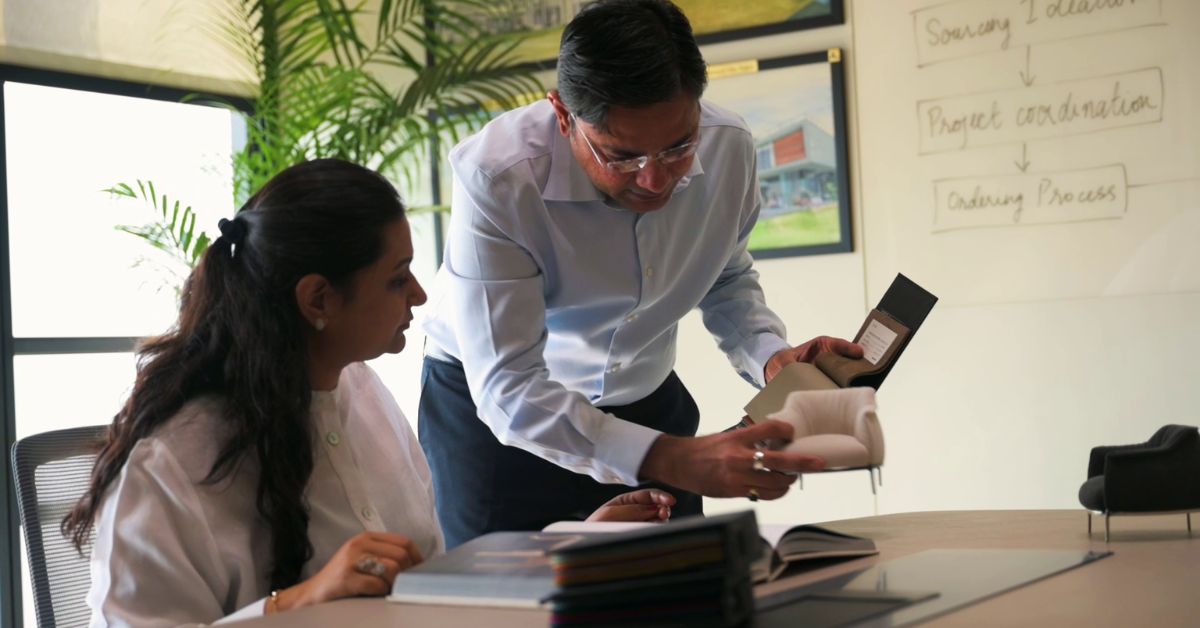
2. Approving Samples Jointly: See It, Touch It, Approve It Together
There’s a world of difference between a picture and a physical sample. Designers want to feel the texture, see the true shade. Procurement teams want to know it's spec-accurate and available on time. Don't leave sample approvals to one team alone. When interior designers and procurement partners review and approve samples together, you ensure that what's being ordered perfectly matches the design intent and is also logistically feasible. This collaborative check saves countless hours and avoids costly rejections down the line.
3. Lock Specifications BEFORE Vendor Talks
One of the biggest mistakes in interior design procurement? Before anyone picks up the phone to a supplier, ensure every single specification is fixed. From dimensions and materials to finishes and quantities – leave no room for ambiguity.
Here’s how to lock specs effectively:
- Designers freeze their selections with references, images, and sample approvals.
- Procurement validates the availability, budget, and lead times.
- Final sign-off is documented and shared with vendors.
A locked-down specification sheet is your shared bible, ensuring everyone is on the exact same page when engaging with vendors. Use spec sheets, mood boards, and 3D renders to ensure everyone sees the same picture. This clarity minimizes errors and empowers procurement to negotiate effectively.
A locked spec = a faster, smoother sourcing phase.
4. Do Share Your BOQ with Specifications
© Gemini AI
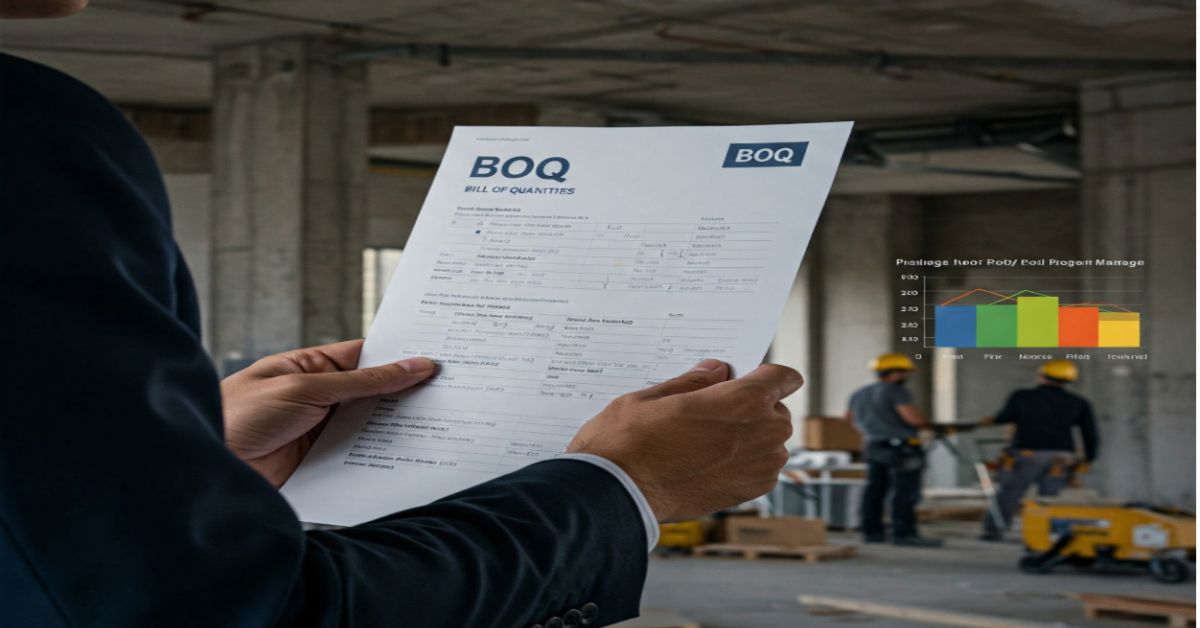
A Bill of Quantities (BOQ) are not just line items with numbers. They’re blueprints for execution. When the procurement team receives a BOQ without specific finishes, dimensions, or brand preferences, it's like being handed a map with no directions. Frustrating? You bet.
What to include in a BOQ:
- Product code or SKU
- Preferred brands or “equivalent to”
- Quantity
- Dimensions and technical drawings
- Finish type
- Installation details (if relevant)
- Alternate options (if pre-approved)
- Budget range for each item
This level of clarity empowers the procurement team. It makes sourcing faster and more aligned. There’s no room for misinterpretation. Plus, it opens the door to smarter vendor negotiations, because the team knows exactly what they’re hunting for.
A well-documented BOQ is the bridge between a designer’s vision and real-world execution. Share it early. Update it regularly. And watch how smoothly things start to flow.
5. Use a Shared Folder System
Setting up a shared folder system(Dropbox, Google Drive, Notion – whatever works), which is meticulously updated with current specifications, product datasheets, high-resolution images, and accurate lead times. This isn't just about storage; it's about accessibility and transparency. Everyone on the team, from designer to procurement specialist, can access the latest information, reducing questions, clarifying doubts, and keeping the project moving forward without a hitch.
Bonus: A shared folder also helps new team members get up to speed fast, keeping continuity intact even if team changes occur mid-project.
Common Mistakes to Avoid in Interior Design Procurement Coordination
Despite the best intentions, teams still fall into familiar traps. Here are the top mistakes we’ve seen:
1. Finalizing vendors before specs are locked
2. Bypass the designer during value engineering
3. Ignoring freight and logistics in planning
4. Assuming verbal approvals are enough
5. Siloed communication
6. Leaving procurement out of the early design phase
Mistakes happen. But when you know what to look for, you can stop them before they derail your project. Coordination isn’t just about being organized, it’s about being proactive.
Arcedior: The Smartest Procurement Partner for Designers Worldwide

When deadlines are tight and expectations sky-high, designers and architects need more than just vendors, they need a reliable procurement partner who speaks the language of design and delivers without compromise. That’s exactly where Arcedior comes in. As a globally trusted procurement platform, Arcedior has helped execute landmark projects by collaborating closely with some of the most respected names in architecture and interior design to streamline the procurement process with clarity, precision, and transparency.
- Tesla Properties, Dubai – Commercial Interiors by Saif Zaidi
- Hotel Verde Zanzibar – Africa’s Greenest Hotel by Jehan-Ara Poonawala
- The Crest by DLF5, Gurgaon – Residence by Marco Fabrizio Corti
Why Designers Choose Arcedior:
- ✅ Design-Aligned Procurement: We speak your language - materials, specs, and timelines
- 🌍 Global Sourcing Power: 7,000+ curated brands from 40+ countries
- 🛠️ Complete End-to-End Solutions: From BOQ to last-mile delivery
- 📊 Transparent Budgeting & Reporting: Real-time tracking, cost control
- ♻️ Sustainability-Centric Sourcing: Choose eco-friendly without losing aesthetics
From corporate offices to luxury villas and hotels, Arcedior is the procurement partner that ensures your vision becomes reality – on time, on budget, and on point.
Conclusion
Interior design is more than just pretty pictures. Procurement is more than just placing orders. Both are part of the same mission, to turn vision into reality. But without strong project coordination, even the best-laid plans fall short, even the best projects falter.
Seamless coordination isn’t just a process. It’s a mindset. One that values communication over assumption, clarity over chaos, and teamwork over territory.
So, whether you’re a designer passionate about protecting your vision or a procurement specialist juggling budgets and vendors, this is your moment to step up, sync up, and deliver like never before.
With the right systems, tools, and mindset, coordination doesn’t have to be complicated. It can be your secret weapon.
If you're serious about design and procurement coordination that works, let Arcedior be your procurement partner from start to finish.
You May Also Like