Hotel FF&E Sourcing Company: What They Do & When to Hire
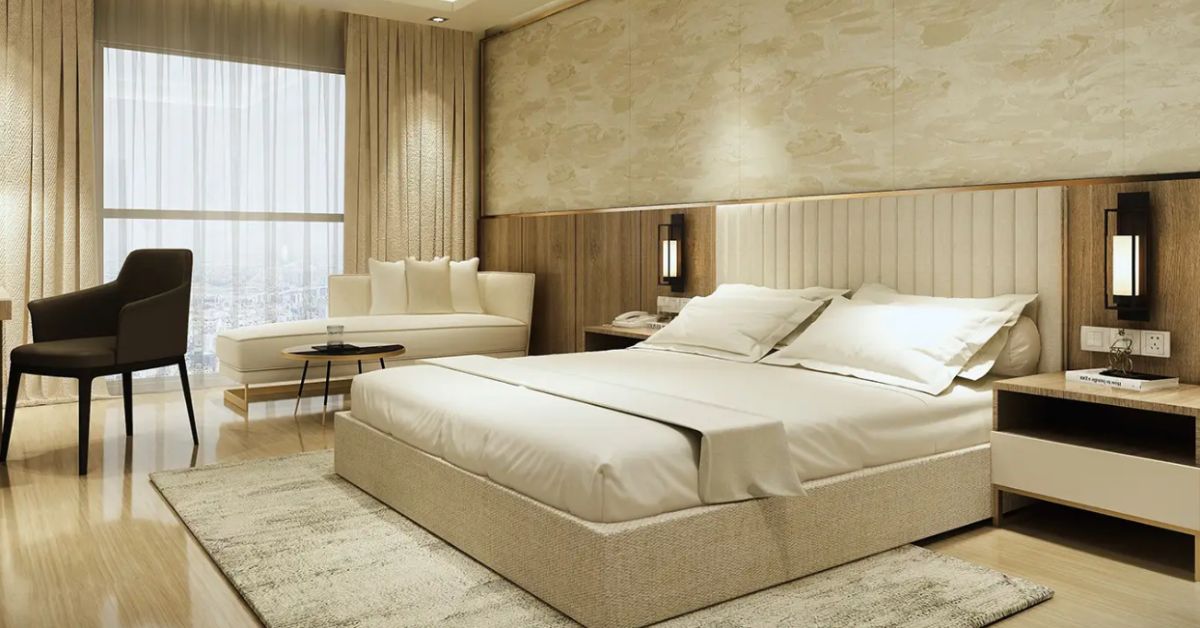
What Does a Hotel FF&E Sourcing Company Do (and When Do You Need One)?
Last updated: January 10, 2026
A hotel FF&E sourcing company helps you plan, buy, and deliver furniture and interior products for a hotel project. They turn your BOQ/specs into a vendor plan, compare quotes, track production, run factory checks, and coordinate consolidation, shipping, and phased site deliveries.
You get:
- Better cost control
- Fewer delays
- Fewer on-site snags
FF&E sourcing is not about shopping for furniture. It is about schedule control, risk reduction, and execution clarity. If you are weighing whether your team can handle procurement in-house or if you need a dedicated procurement partner, this guide will definitely help them.
What is Hotel FF&E (in Simple Terms)?
FF&E stands for Furniture, Fixtures, and Equipment. It includes everything that makes a hotel functional and comfortable, but is not permanently attached to the building structure.
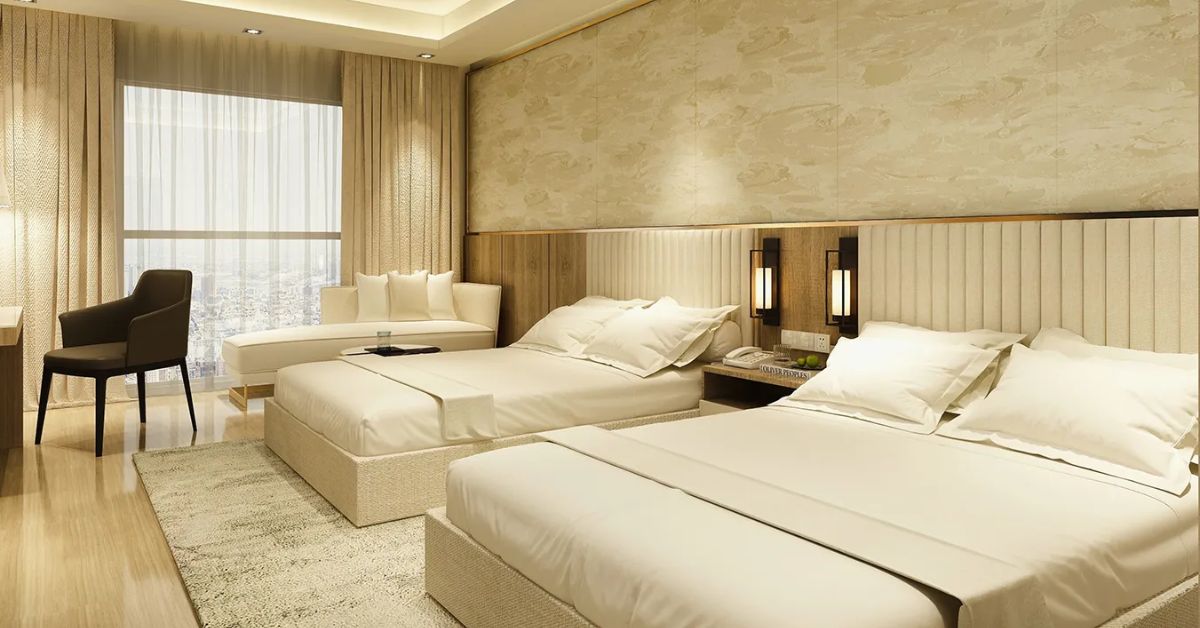
In guestrooms, FF&E includes beds, wardrobes, desks, chairs, nightstands, lamps, mirrors, TV units, and safes. In public areas, it covers lobby seating, reception desks, restaurant furniture, bar counters, artwork, signage, and luggage trolleys.
A common question is the difference between FF&E and OS&E. FF&E is durable and long-term. OS&E, or Operating Supplies and Equipment, includes items that guests touch and use daily, like bed linens, towels, glassware, cutlery, and bathroom amenities. FF&E is the furniture and fixtures that hold or display these items.
FF&E has the highest impact on project budgets and timelines because it involves multiple vendors, long lead times, custom manufacturing, cross-border shipping, and complex coordination between suppliers, freight partners, and site teams. That is why procurement planning matters early.
Need budget clarity first? Read: Decode Hotel FF&E Budget: What Purchase Manager Must Know
What a Hotel FF&E Sourcing and Procurement Company Actually Does
A hotel FF&E procurement company acts as the single coordination layer between the project team and dozens of manufacturers, suppliers, and logistics partners. Below is what they do beyond simply buying furniture.
1. Requirement Breakdown and Planning
A hotel FF&E procurement company starts by converting your approved specifications into a workable sourcing plan. This includes:
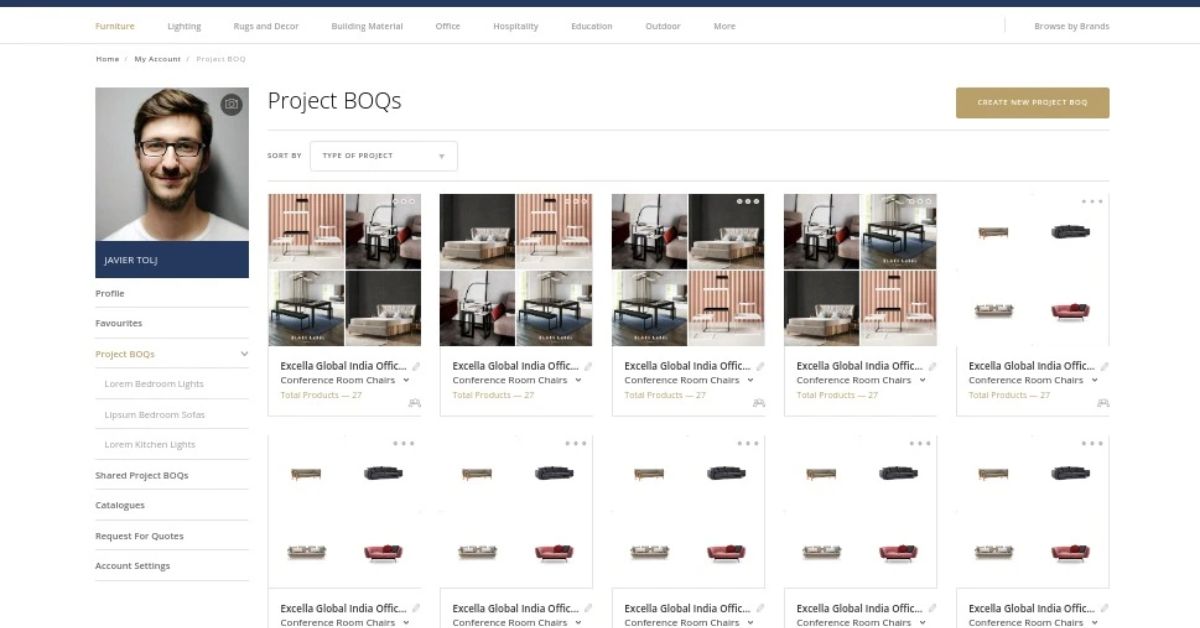
- Creating detailed Bills of Quantities (BOQs) with clear item descriptions, quantities, finishes, and target price ranges
- Aligning product durability and quality levels with your hotel category and expected guest usage patterns
- Setting realistic timelines based on manufacturing lead times, shipping schedules, and site readiness milestones
- Identifying items that need custom manufacturing versus off-the-shelf procurement
- Flagging over-specification early to avoid budget bloat without compromising approved standards
2. Sourcing Strategy (Local and Global)
The sourcing strategy determines where products come from and how alternative options are protected. This involves:
- Matching suppliers to your hotel category, volume requirements, and quality expectations
- Balancing standard catalog items with custom or contract manufacturing for brand-specific or unique designs
- Setting up alternate sourcing plans to protect against factory delays, material shortages, or quality failures
- Evaluating local versus import options based on lead time, cost, and duty implications
- Pre-qualifying vendors on factory capacity, payment terms, export experience, and past performance
3. Vendor Shortlisting and Quote Comparison
Getting quotes is not enough. Fair comparison requires:
- Requesting physical samples and finish matching to approved design references
- Creating apples-to-apples comparison sheets that normalize for specifications, inclusions, and delivery terms
- Explaining cost versus lifecycle trade-offs in plain language so owners can make informed decisions
- Negotiating volume pricing, payment schedules, and warranty coverage
- Documenting which vendors can handle phased deliveries or warehousing if needed
4. Order Management and Production Tracking
Once orders are placed, tracking begins:
- Managing Purchase Orders (POs) across multiple vendors with different timelines
- Monitoring factory production milestones and flagging delays before they cascade
- Coordinating material approvals, finish confirmations, and specification changes during production
- Maintaining a single consolidated tracker so owners and project managers see real-time status without chasing 15 vendors
- Avoiding last-minute surprises by catching issues at the factory stage, not at site delivery
5. Quality Checks and Pre-Dispatch Inspections
Quality control happens before items leave the factory:
- Conducting factory QC checks on finish consistency, construction quality, and compliance with approved samples
- Running pre-shipment inspections to verify quantities, packaging standards, and hardware completeness
- Documenting any defects or mismatches and getting them corrected before dispatch
- Ensuring proper packaging to prevent transit damage, especially for glass, mirrors, upholstery, and stone tops
- Catching defects at factory stage prevents last-minute rework, replacements, and handover delays
What Gets Checked During Factory QC
Here's exactly what we inspect before any item leaves the factory:
- Finish match vs approved sample (shade, sheen, texture)
- Dimensions + tolerances (critical clearances)
- Joinery/structure stability (load checks for key items)
- Upholstery details (stitching, foam density, fabric direction)
- Hardware completeness (hinges/slides/fasteners counted)
- Packaging standard (corner guards, edge protection, moisture wrap)
- Photo report + punch list before dispatch
This systematic approach prevents the "it looked different in the factory" problem and eliminates most site-level rework.
6. Logistics, Consolidation, and Shipping
Moving products from multiple factories to your site involves:
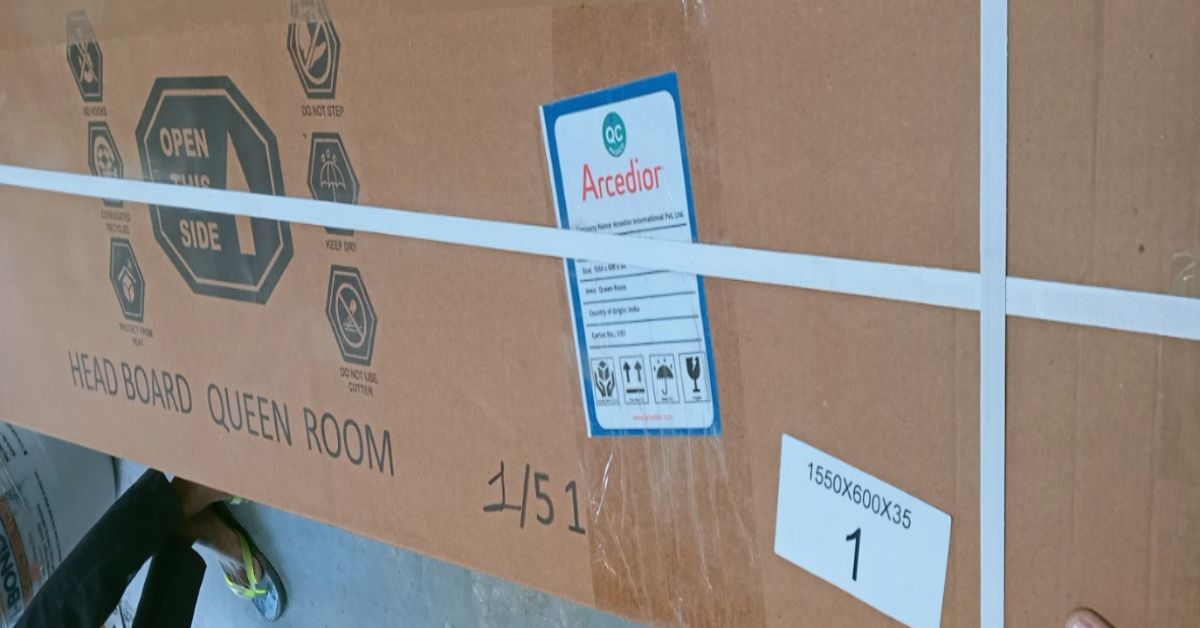
- Consolidating shipments from different vendors into single containers or freight batches to reduce costs and simplify customs clearance
- Managing import/export documentation, duties, and compliance requirements for cross-border shipments
- Arranging warehousing when site readiness is delayed or phased deliveries are required
- Coordinating freight forwarders, clearing agents, and last-mile transporters
- Providing shipment tracking and advance notice so site teams can prepare for receipt
7. Delivery Sequencing and Installation Coordination Support
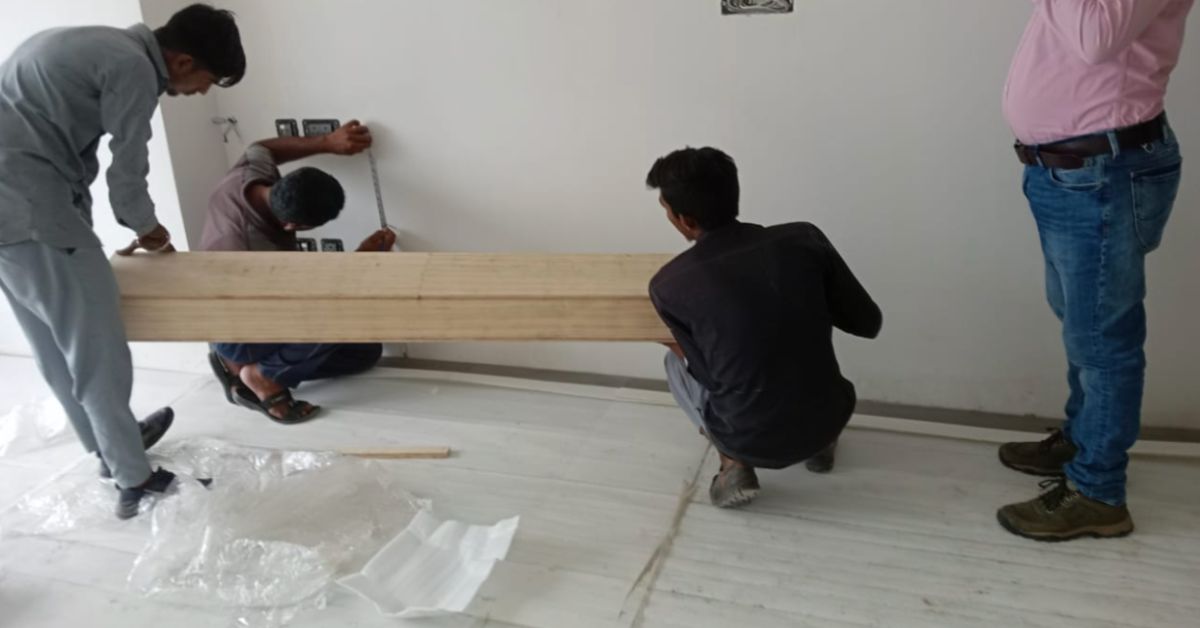
The final stage is getting products installed correctly:
- Sequencing deliveries based on site progress, installation schedules, and storage capacity to avoid congestion
- Coordinating with site contractors and installation teams to ensure smooth handoffs
- Providing installation guides, hardware lists, and product-specific handling instructions
- Supporting damage inspection and claims processing if transit issues occur
- Reducing installation delays caused by missing parts, wrong sequences, or unclear assembly requirements
This is hotel FF&E procurement. It is not shopping. It is schedule control, cost control, and quality control through vendor management, QC, logistics, and coordination.
FF&E Procurement Scope of Work (Owner RFP Checklist)
Use this as your decision tool when evaluating sourcing partners. Any serious procurement company should cover:
- BOQ/spec review + budget bands
- Vendor shortlist + sampling
- Quote normalization (apples-to-apples)
- PO placement + production tracking
- Factory QC + pre-shipment inspection
- Consolidation/warehousing (if needed)
- Shipping + documentation support
- Phased delivery plan + installation coordination support
- Snag/damage checks + claims/warranty tracking
When Do You Need a Hotel FF&E Sourcing Company?
Hire vs In-House Scorecard (Answer These 10 Questions)
Give yourself 1 point for each "Yes" answer:
- Are you working on a new build or major renovation with a hard opening date and delay penalties?
- Does your project involve 20+ vendor categories or multi-country sourcing?
- Do you need custom casegoods, upholstery, or brand-standard rollouts requiring contract manufacturing?
- Does your in-house team have limited procurement bandwidth or no hospitality FF&E experience?
- Does your project involve cross-border sourcing, import compliance, or complex freight consolidation?
- Do you require storage, phased deliveries, or coordination with multiple site contractors?
- Have past projects experienced damage, backorders, finish mismatches, or installation delays?
- Is your design still being finalized while procurement timelines are already tight?
- Are you managing construction, MEP, pre-opening operations, and brand approvals simultaneously?
- Would a single point of contact for all vendors reduce your team's stress significantly?
Your Score:
- 0-3 points: You can likely handle this in-house with a small, local project
- 4-6 points: Consider a procurement partner for high-risk categories (custom items, imports)
- 7-10 points: You definitely need a dedicated FF&E sourcing company
You likely need a hotel FF&E procurement company if:
- You are working on a new build or major renovation with a hard opening date and penalties for delays
- Your project involves 20 or more vendor categories or requires multi-location sourcing from different countries
- You need custom casegoods, upholstery, or brand-standard rollouts that require contract manufacturing and sampling
- Your in-house team has limited procurement bandwidth or no experience managing hospitality FF&E sourcing
- Your project involves cross-border sourcing, import compliance, duties, or complex freight consolidation
- You require storage, phased deliveries, or coordination with multiple site contractors
- Past projects experienced damage, backorders, finish mismatches, or installation delays
You may not need one if:
- You are doing a very small refresh with 5 to 10 items
- Everything is off-the-shelf from a single local supplier
- You have no hard deadline pressure or opening date
- Your team has done this before and has strong vendor relationships in place
FF&E Sourcing Company vs Interior Designer vs Contractor
Confusion often arises about who does what. This table clarifies roles:
Responsibility | Interior Designer | FF&E Sourcing Company | General Contractor |
Owns design concept and specifications | Yes | No | No |
Sources and negotiates with vendors | Sometimes (small projects) | Yes (core role) | No |
Tracks production and manages orders | Rarely | Yes | No |
Manages logistics and shipping | No | Yes | No |
Conducts factory QC checks | No | Yes | No |
Manages installation sequencing | No | Yes (coordination support) | Sometimes |
A hotel FF&E sourcing company owns procurement, not design. Designers create the concept and specifications. Sourcing companies execute the procurement, QC, and logistics. General contractors handle site construction and MEP work.
Sometimes designers handle purchasing on smaller projects. On large-scale hotel projects, most owners and developers hire a dedicated FF&E purchasing agent for hotels or procurement partner to reduce complexity and protect timelines.
Typical Hotel FF&E Sourcing Timeline
Timelines vary by project scope, but these ranges help set realistic expectations:
Small Refresh Projects (50 to 100 rooms, standard finishes):
- Sourcing and vendor finalization: 4 to 6 weeks
- Manufacturing and QC: 8 to 12 weeks
- Shipping and delivery: 4 to 6 weeks
- Total timeline: 16 to 24 weeks
Full Renovation Projects (150 to 300 rooms, mix of standard and custom):
- Sourcing and vendor finalization: 6 to 8 weeks
- Manufacturing and QC: 12 to 16 weeks
- Shipping and delivery: 6 to 8 weeks
- Total timeline: 24 to 32 weeks
New Build Projects (300+ rooms, extensive custom manufacturing):
- Sourcing and vendor finalization: 8 to 12 weeks
- Manufacturing and QC: 16 to 24 weeks
- Shipping and delivery: 8 to 12 weeks
- Total timeline: 32 to 48 weeks
Important: Timelines vary by category and sourcing region; imports typically need extra buffer for consolidation, documentation, and clearance. Projects sourcing from multiple countries (India, China, Turkey, Vietnam, UAE) should add 2-4 weeks to shipping estimates to account for customs processes and consolidation at origin.
Why FF&E should start early: Most delays happen because procurement starts too late. Site construction often progresses faster than anticipated, leaving no buffer for factory delays, shipping disruptions, or rework.
Where delays usually happen:
- Late design approvals and specification changes after orders are placed
- Factory capacity issues or material shortages during peak seasons
- Quality failures that require rework or replacement sourcing
- Customs clearance delays due to incomplete documentation
- Poor delivery sequencing that causes site congestion or storage problems
Hotel FF&E procurement services protect schedules by starting early, maintaining alternate vendor plans, conducting pre-shipment QC, and coordinating logistics to match site readiness.
Common FF&E Risks (and How Sourcing Partners Reduce Them)
Backorders and Discontinuations
Risk: Vendors discontinue finishes or run out of stock mid-project, forcing last-minute substitutions that do not match the design.
How sourcing partners reduce it: By locking in full quantities upfront, maintaining alternate supplier lists, and conducting early sampling to verify availability before final orders.
Specification Mismatches and Finish Errors
Risk: Products arrive in the wrong color, fabric, or finish because of poor communication or sample mismatches.
How sourcing partners reduce it: By documenting approved samples with photos and reference codes, conducting factory visits during production, and running pre-dispatch inspections.
Transit Damage
Risk: Furniture arrives with scratches, broken glass, dented metal, or upholstery tears due to poor packaging or rough handling.
How sourcing partners reduce it: By specifying packaging standards, inspecting packaging quality before dispatch, and coordinating careful handling during loading and unloading.
Missing Hardware and Incomplete Deliveries
Risk: Installation teams discover missing screws, handles, legs, or assembly parts after delivery, delaying final installation.
How sourcing partners reduce it: By verifying hardware completeness during factory QC, maintaining packing lists, and checking quantities at site receipt.
Budget Overruns
Risk: Initial quotes do not include duties, freight, packaging, or installation hardware, causing unexpected cost escalations.
How sourcing partners reduce it: By providing all-inclusive landed cost estimates upfront, negotiating volume discounts, and protecting against currency fluctuations where possible.
Installation Delays Due to Poor Sequencing
Risk: Products arrive too early and clutter the site, or too late and hold up handover schedules.
How sourcing partners reduce it: By phasing deliveries based on site progress, coordinating with contractors, and providing advance delivery schedules.
What to Ask Before Hiring an FF&E Sourcing Company
Before onboarding a hotel FF&E vendor coordination partner, ask these questions:
- Do you conduct factory QC and pre-shipment inspections?
- How do you handle alternates when items are delayed?
- Can you consolidate multi-vendor shipments?
- What does your reporting tracker include?
- How often will updates be shared?
- Who coordinates delivery sequencing with the site team?
- How do you manage customs and import documentation?
- What experience do you have with custom or contract manufacturing?
- How do you manage damage claims?
- What information do you need from us to start?
Clear answers indicate maturity and transparency.
Doing Hotel FF&E Across India + GCC: What Changes
If you're sourcing FF&E for projects in India, UAE, Saudi Arabia, or other GCC countries, the procurement approach requires a few regional adjustments:
Consolidation: Fewer Shipments = Fewer Failure Points
In India and the Middle East, vendors are often spread across multiple manufacturing hubs (Jodhpur, Udaipur, Bangalore, Foshan, Dongguan). A strong consolidation plan reduces freight costs and simplifies customs clearance by bundling shipments into single containers or pallets at origin.
Documentation: Invoice, Packing List, COO, Insurance; Compliance Varies by Category/Market
Cross-border shipments to GCC countries require precise documentation: commercial invoice, packing list, certificate of origin (COO), insurance certificate, and import permits where applicable. For the UAE and Saudi Arabia, some product categories (electrical items, upholstery) may require SASO or ESMA compliance certificates. A procurement partner familiar with regional requirements prevents clearance delays. (This is general information, not legal advice.)
Clearance Buffer: Add Time for Consolidation + Port/Clearance + Last-Mile Sequencing
Indian ports (Mumbai, Mundra) and Middle East ports (Jebel Ali, Dammam) can experience congestion during peak seasons. Budget an extra 1-2 weeks for customs clearance and ground transport to the site. Phased deliveries aligned with soft-opening and hard-opening timelines help manage storage limitations and on-site installation schedules.
Planning an FF&E project in India, UAE, or Saudi Arabia?
Connect with us to discuss your specific location, timelines, and our detailed regional guides.
How Arcedior Supports Hotel FF&E Sourcing
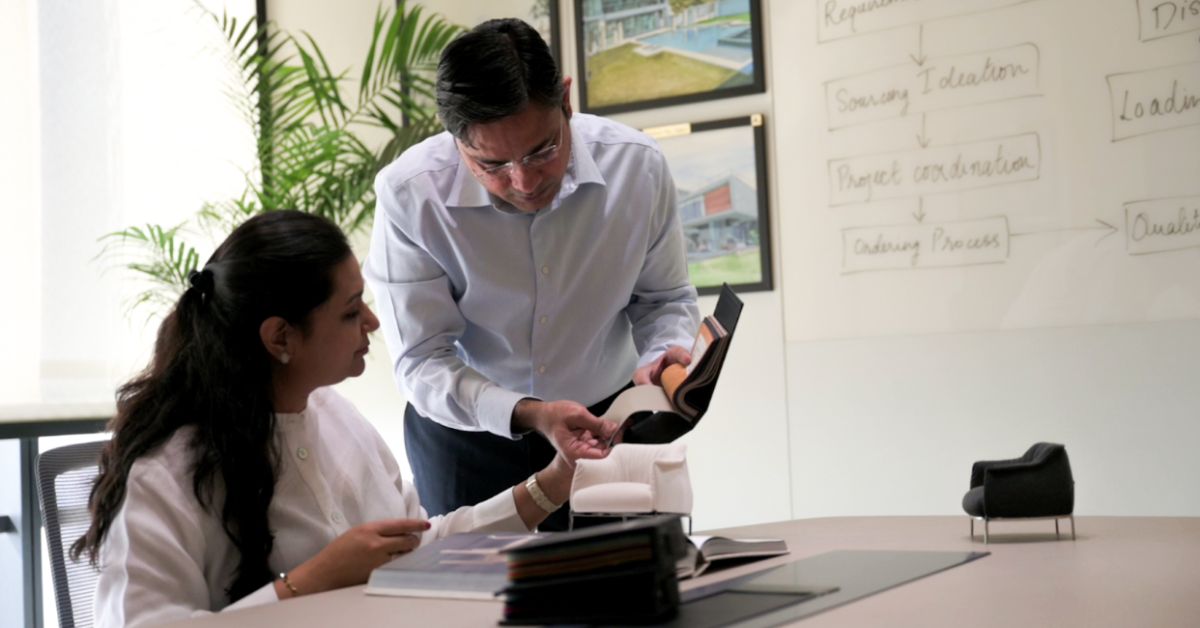
Arcedior works as a single-window sourcing and procurement partner for hotel projects. We do not provide design services or turnkey interiors. We have 18+ years of combined experience managing FF&E procurement for hotels, resorts, and serviced apartments across India, the UAE, Saudi Arabia, the US, and Southeast Asia.
Our focus is on executing your approved designs and specifications through:
- Global sourcing of furniture and interior products across standard and custom categories
- Custom and contract manufacturing for brand-specific casegoods, upholstery, and specialty items
- Factory QC checks and pre-shipment inspections to prevent finish mismatches, quality failures, and incomplete deliveries
- Logistics consolidation, shipping coordination, and import documentation for cross-border projects
- Delivery sequencing and installation coordination support with your site teams and contractors
- Transparent tracking and reporting so you see progress without chasing vendors
We support designers, developers, and hotel operators by managing vendor complexity, protecting timelines, and ensuring products arrive on time and as specified.
See our work on hotel projects here
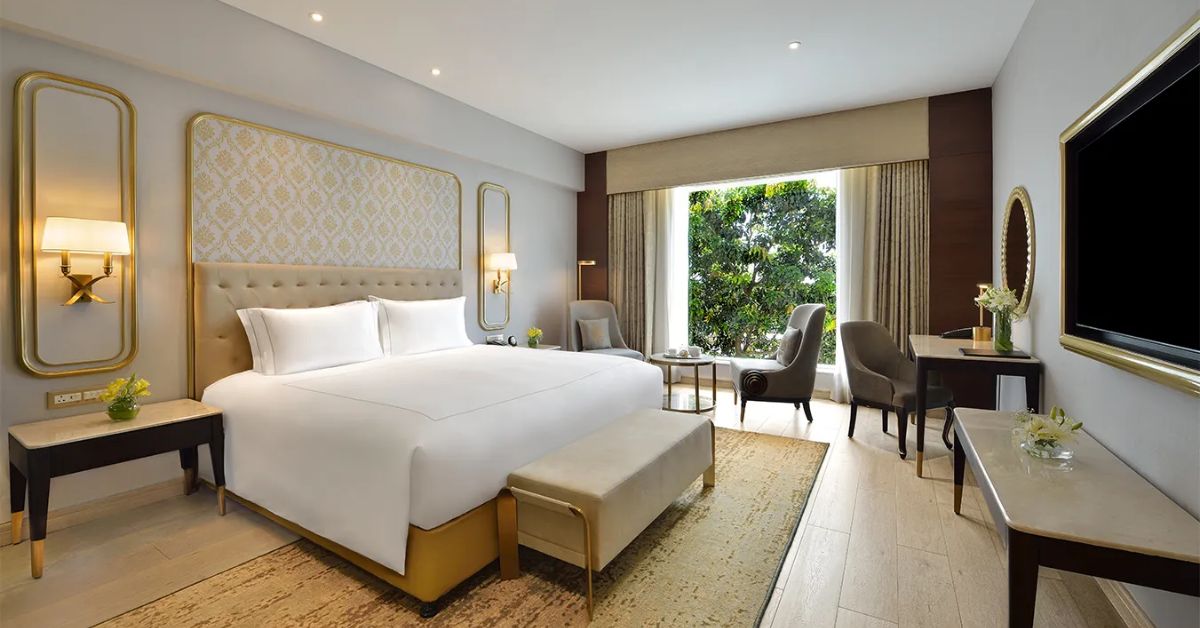
Real Project Example: Taj Gandhinagar – 115-Room Victorian-Style Luxury Resort
The Challenge:
Taj Gandhinagar, a 6-acre luxury resort for Sankalp Group, required complete FF&E sourcing across 115 rooms (including 2 presidential suites) plus entrance lobby, restaurants, spa & wellness, and banquet areas. The complexity? Victorian architecture fused with Gujarat's cultural heritage, demanding extreme customization. The project was a renovation with ongoing construction, requiring floor-by-floor installation while site work continued. We produced 40 samples just to achieve the perfect gold furniture finish the client envisioned.
What Was at Risk:
- Taj's brand standards for quality and approved specifications
- Two-phase opening with pre-booked reservations
- Site congestion from simultaneous renovation and installation
Our Approach:
- Global sourcing as single window – Sourced from Bali (decor), China (lighting), and India (custom furniture) through one consolidated tracker
- Mock-up workflow – Built full guest room mock-ups at the factory, secured approvals before bulk production
- Factory QC + finish consistency – 40+ sampling iterations for gold finish; inspected every batch to maintain quality across 1,000+ pieces
- Phased delivery + installation coordination – Sequenced deliveries floor-by-floor, supervised installation around ongoing construction
Timeline: Phase 1 (74 rooms) - 15 months | Phase 2 (41 rooms) - 5 months
Result:
100% on-time delivery for both phases. Zero finish mismatches or quality rejections. Hotel opened as a landmark wellness resort, recognized for design execution and cultural authenticity.
Download: Hotel FF&E Sourcing 101 (Checklist + Tracker + RFP Template)
Inside this practical guide, you will find:
- A decision checklist to determine if you need a sourcing partner
- A sample timeline planner for new builds, renovations, and refreshes
- RFP template questions to ask potential vendors
- A vendor comparison tracker to evaluate quotes fairly
- Delivery sequencing basics to prevent site congestion
Reach out on WhatsApp to get your copy and discuss your project.
Conclusion
If you are asking whether your team can handle FF&E procurement alone, the real question is not capability. It is bandwidth, risk tolerance, and timeline pressure. FF&E sourcing is where schedules slip quietly, and costs creep unnoticed.
If you want fewer vendors, clearer timelines, and better control, share your BOQ, city, and target date. A short sourcing review can quickly tell you whether a procurement partner makes sense for your project.
Ready to start? Share your BOQ, project city, and target opening date. We will review your scope and provide a sourcing feasibility check within 48 hours.
Contact:
WhatsApp: Message us
Email: [email protected]
Call: +91 6353673040
FAQs
What does an FF&E sourcing company do for hotels?
A hotel FF&E sourcing company manages vendor selection, quote comparison, order placement, production tracking, quality checks, logistics coordination, and delivery sequencing for furniture and interior products. It reduces risk, controls cost, and keeps timelines realistic by owning procurement execution from planning to site delivery.
When should I engage an FF&E procurement company?
Engage a hotel FF&E procurement company as early as possible, ideally before placing any orders. Many firms recommend involvement during the final design and BOQ finalization stage so they can verify availability, suggest alternates for long-lead items, and lock in pricing before specifications are frozen.
Is FF&E procurement only about buying furniture?
No. It also includes production tracking, factory checks, consolidation/shipping, and phased site deliveries so handover doesn't get delayed. Buying is just one part of the process.
Can my designer handle FF&E procurement for my hotel?
Yes, on smaller projects with limited scope, off-the-shelf products, and a single local supplier. Many designers handle purchasing for boutique properties or small refreshes where vendor coordination is straightforward.
For large-scale hotel projects with 20+ vendor categories, custom manufacturing, cross-border sourcing, and tight opening deadlines, most owners hire a dedicated FF&E procurement partner. The complexity of managing multiple factories, shipping schedules, quality checks, and site logistics often exceeds in-house bandwidth.
How long does FF&E procurement take for a hotel project?
Small refresh projects (50-100 rooms) typically take 16-24 weeks. Full renovations (150-300 rooms) need 24-32 weeks. New builds (300+ rooms) require 32-48 weeks. Cross-border projects from India, China, Turkey, or the UAE should add 2-4 weeks for consolidation and customs clearance.
How do procurement companies reduce delays?
They reduce delays by confirming lead times early, identifying alternate suppliers, tracking production milestones, conducting factory inspections, and planning phased deliveries aligned with site readiness. This prevents last-minute substitutions and rushed shipments.
What is the difference between FF&E and OS&E?
FF&E (Furniture, Fixtures, and Equipment) includes items like beds, chairs, desks, lighting, mirrors, artwork, and reception counters. These are durable goods that define the look and functionality of the space but are not permanently fixed to the building.
OS&E (Operating Supplies and Equipment) includes consumables and items guests interact with daily, such as bed linens, towels, glassware, cutlery, bathroom amenities, and cleaning supplies. OS&E is typically procured closer to opening and has faster replacement cycles than FF&E.
What's included in an FF&E procurement fee?
An FF&E procurement fee typically covers vendor management, production tracking, factory QC inspections, pre-shipment checks with photo documentation, logistics consolidation, delivery sequencing, and claims/warranty coordination. Pricing structures vary by scope and project complexity.
How do quality checks work in FF&E sourcing?
Quality checks happen at two stages: during production and before dispatch. During production, sourcing partners visit factories to verify finishes match approved samples, construction quality meets specifications, and materials are correct. Pre-shipment inspections check final products for defects, verify packaging quality, confirm quantities and hardware completeness, and document everything with photos. If issues are found, they are corrected before shipping.
Do I need different planning for FF&E projects in India vs UAE vs Saudi Arabia?
Yes. India projects require consolidation planning across multiple manufacturing hubs (Jodhpur, Udaipur, Bangalore) to reduce freight costs. UAE and Saudi Arabia projects need specific compliance certificates (SASO/ESMA) for electrical and upholstery items. All GCC imports should budget an extra 1-2 weeks for customs clearance at ports like Jebel Ali and Dammam, plus phased delivery coordination based on site readiness.