Local vs Global Sourcing in Hospitality
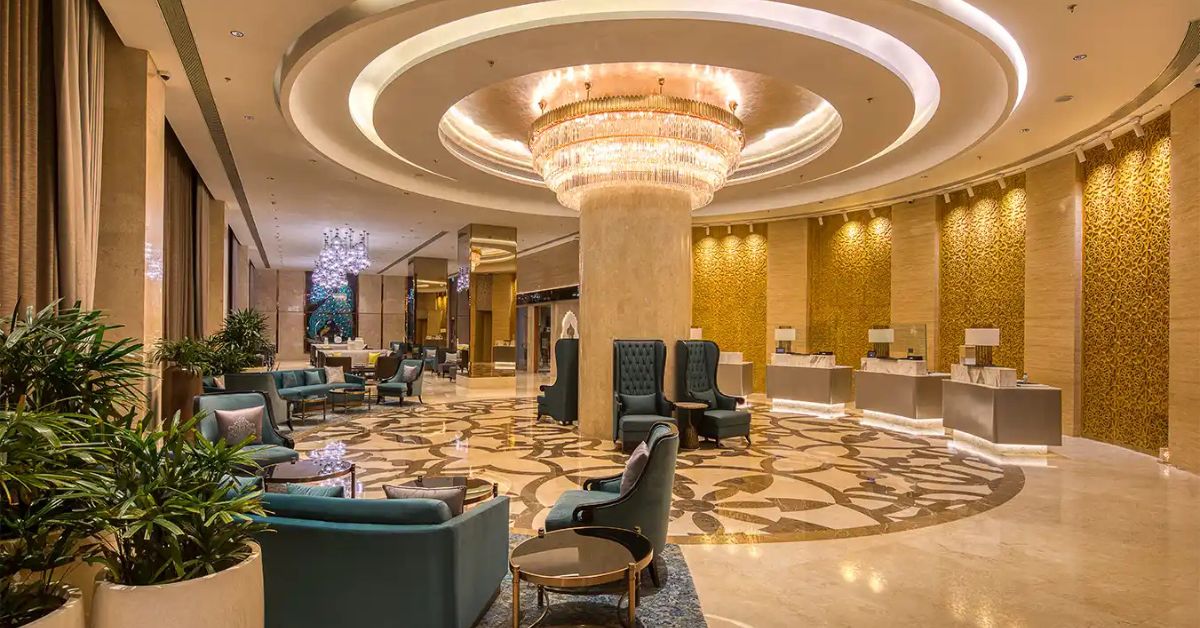
If you’re in the hospitality industry, designing a boutique hotel in Goa, a luxury resort in Dubai, or a smart business hotel in Bangalore, sourcing furniture and décor isn’t just a checkbox in your project. It’s a decision that echoes through your timeline, budget, guest experience, and brand image, whether you’re working with a local craftsman or sourcing international furniture.
You’re not just choosing between a supplier next door and a factory overseas. You’re choosing between global sourcing and local sourcing, two entirely different value chains. And the right decision depends on your project’s size, speed, style, and standards.
As a global sourcing company, Arcedior is here to help you cut through the confusion and build a strategy that fits, not one-size-fits-all, but just right.

Understanding the Basics: What is Local vs Global Sourcing?
Let’s break it down simply.
- Local Sourcing refers to buying materials, furniture, and décor from within your own country or region.
- Global Sourcing involves importing from international manufacturers or suppliers, often sourcing from China, Italy, Turkey, Indonesia, or Eastern Europe, depending on your needs.
Both come with pros and cons. Local can feel more agile, fewer time zones, easier communication, and quick site visits. Global sourcing and procurement often brings in cutting-edge designs, competitive pricing (especially at scale), and access to materials not available domestically.
But this decision isn’t black and white. It’s about fit. The right choice depends on your project goals, budget, timeline, and design vision.
Still wondering what makes global and local sourcing different in the real world? Let’s break it down further – with cost, lead time, flexibility, and more.
Cost Comparison: The Real Price of Local vs Global Procurement

When talking about purchasing furniture online or through a vendor, the first question is usually: “What’s cheaper?”
And while that’s fair, budget matters, the better question is: “What’s the total cost of ownership?”
Here’s what you need to know:
Global Sourcing: Best for Bulk and High-Design Projects
When you’re sourcing at volume – say, furniture for 200+ rooms, global sourcing companies often give volume discounts that local players can’t match. Global manufacturers also have economies of scale, which can bring per-unit costs down significantly.
With global sourcing, you also need to factor in:
- International shipping and freight
- Import duties and taxes
- Warehousing and customs clearance
- Currency exchange risks
In global product sourcing, the base price may look low, but the landed cost can stack up.
Local Sourcing: Higher Unit Cost, Lower Ancillary Fees
Yes, a local supplier might charge more per chair or bedframe. But the savings often come in:
- Shorter transport routes (lower freight)
- No import taxes or customs hassle
- Lower risk of damage during transit
- Faster replacements or modifications
Especially for small or medium-sized projects, this can make a local partner more cost-effective overall.
Lead Time & Logistics: How Timing Can Make or Break Your Project
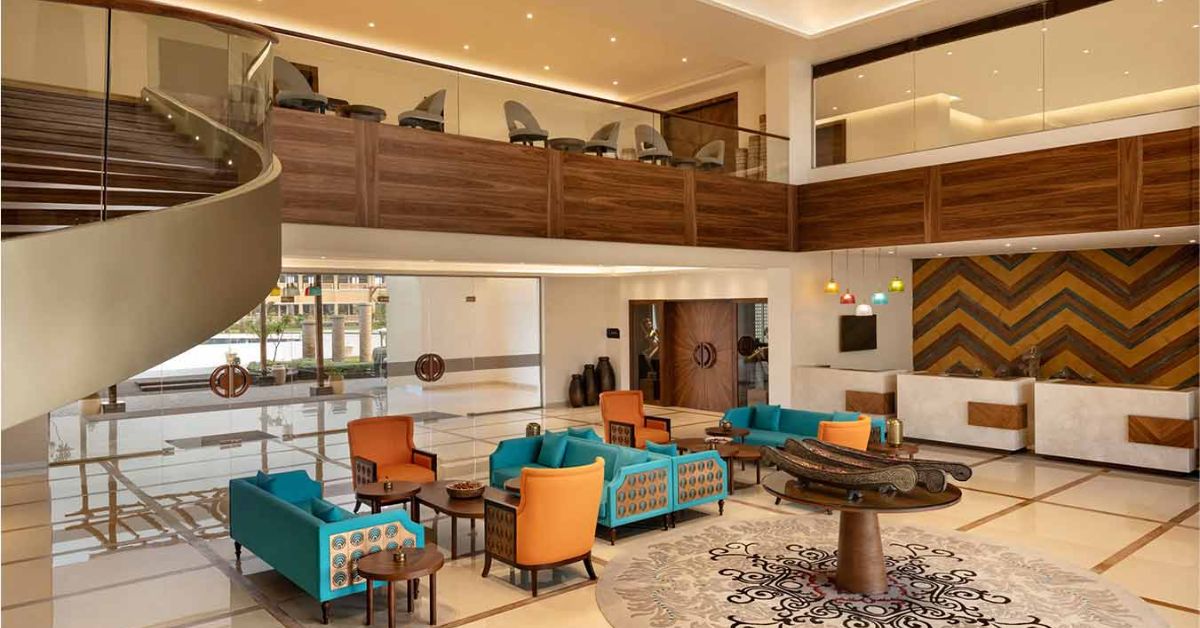
In hospitality interiors, delays are expensive. Let’s compare the two approaches:
Global Product Sourcing: Longer Timelines, More Variables
When sourcing international furniture, you’re working with:
- Manufacturing timelines (typically 8–12 weeks)
- Ocean freight (4–6 weeks)
- Customs clearance and inland delivery (1–2 weeks, if smooth)
Projects with longer lead times and a design focus, global sourcing is absolutely worth it. You get access to high-end craftsmanship, trending styles, and materials not available locally.
Local Sourcing: Faster Turnarounds, Easier Coordination
Need something urgently? Local manufacturers can often turn around orders in 2–4 weeks, especially if it’s a standard design. Even for custom jobs, site visits, real-time coordination, and quicker logistics help reduce the timeline stress.
This makes local sourcing perfect for:
- Quick refurbishments
- Small upgrades
- Projects with tight deadlines
Design Flexibility & Customization: Who Offers More Creative Control?
Designers, this one’s for you.
You know the frustration: You’ve imagined a stunning space. Moodboards are ready. Clients are excited. And then your supplier says: “That finish isn’t available,” or “We can’t do curved wood in that size.”
Sourcing is where creativity often collides with reality. But the right partner can bridge that gap.
Sourcing International Furniture: Endless Possibilities
Sourcing from China, Italy, or Turkey gives access to a world of materials, finishes, and fabrication techniques. Want terrazzo tabletops from Italy? Mid-century modern chairs from Poland? Handblown glass lights from Turkey?
Global sourcing is ideal when your project:
- Needs statement pieces
- Is inspired by global design trends
- Requires specific materials (e.g., European veneer, Italian leather)
Also, global suppliers often provide high-quality 3D renders and detailed documentation, making the design process smoother for teams spread across locations.
Local Sourcing: Easier Prototyping, Faster Modifications
Want to tweak the armrest height or change the upholstery fabric? Local workshops are more likely to accommodate quick, on-site customizations.
You can:
- Visit the factory
- Test a prototype
- Approve physical samples quickly
For designers who need tactile validation and real-time coordination, local works best, especially when collaborating closely with clients.
Compliance & Quality Control: Who Delivers What They Promise?
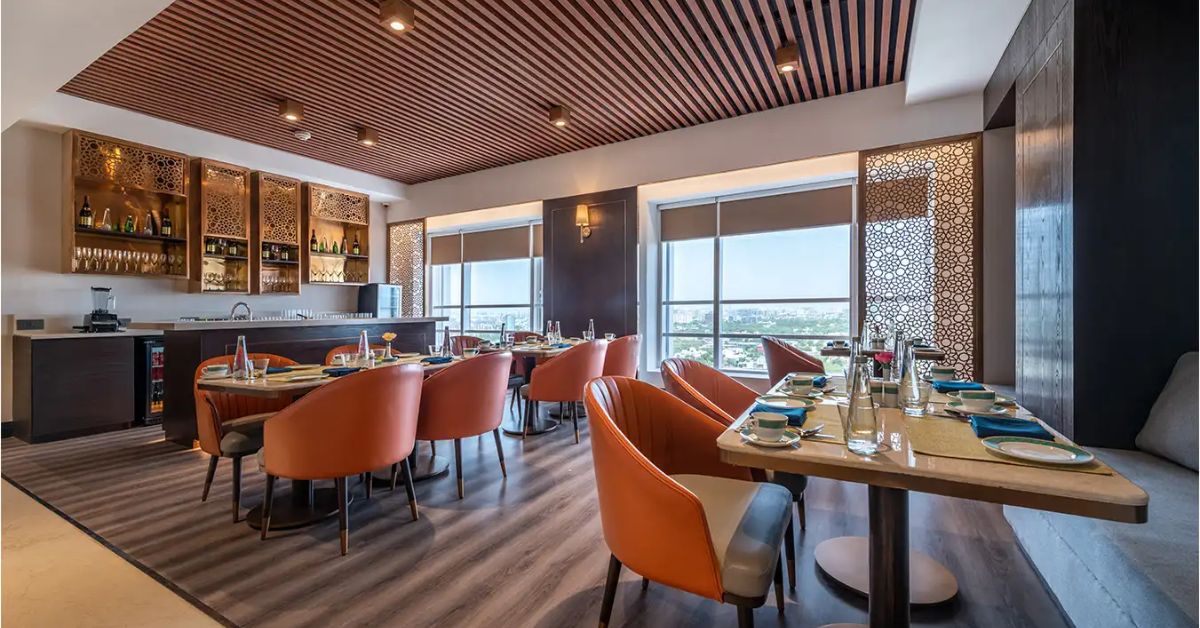
Let’s be honest, a lot can go wrong between the design phase and the final delivery. Maybe the finish isn’t what you expected, or the seating fails quality checks. In hospitality, where furniture must withstand constant use, quality isn’t a luxury, it’s a requirement.
Global Sourcing: Standards and Certifications You Can Rely On
Reputed international suppliers often follow strict compliance protocols, offering certifications for:
- Fire resistance
- Sustainability (FSC, GREENGUARD)
- Durability (ANSI/BIFMA, EN standards)
- Material safety and VOC levels
Plus, when you're sourcing from countries with advanced manufacturing (like Germany, Italy, or the US), you’re often paying for precision and accountability.
But there’s a flip side: managing quality remotely can be challenging. You’re relying on images, sample swatches, and third-party QC reports. That’s why choosing the right global sourcing partner matters more than ever.
Local Sourcing: Hands-On Control, But Varies by Vendor
The benefit of sourcing locally is access and visibility. You can:
- Visit production units in person
- Approve samples physically
- Catch issues early on
But, and it’s a big but, quality can vary widely depending on the vendor. Some workshops might not have documentation or long-term durability data.
This is where platforms like Arcedior come in. We work only with pre-vetted manufacturers and conduct detailed QC checks, bridging that gap between design vision and on-ground execution.
Making the Right Call: Your Sourcing Game Plan
Still not sure which way to go? Here’s a quick checklist:
| Project Factor | Go Global If… | Go Local If… |
|---|---|---|
| Budget | You want volume discounts | You need low upfront cost |
| Timeline | You have at least 12–16 weeks | You have less than 6–8 weeks |
| Design Complexity | You need rare finishes or cutting-edge trends | You need fast changes or basic models |
| Quality Requirements | You need international certifications | You trust your local QC process |
| Sustainability Goals | You want certified green materials | You want to reduce transport emissions |
Still torn? Just reach out to Arcedior. We’ll audit your project requirements and suggest the right mix – saving you time, money, and sleepless nights.
The Hybrid Approach: Why “Either/Or” Doesn’t Always Work
So far, we’ve talked about global sourcing vs. local sourcing. But in the real world, the smartest projects often choose both.
This is what we call the hybrid approach:
- Source high-impact or specialized items globally (like lighting, designer chairs, or unique surfaces)
- Source essentials or bulky basics locally (like beds, tables, or sofas)
This strategy gives you the ultimate flexibility, optimize budget, and shorten delivery timelines.
Real Example: The South India Hotel Project
In one of our recent collaborations, a hospitality chain was redoing a 200-room hotel in Tamil Nadu.
Here’s what Arcedior did:
- Sourced global lighting from Spain, because the design required precision and modern aesthetics
- Got custom wooden beds and casegoods made locally from our factory, saving freight and boosting delivery speed
The result? A 14% cost reduction, and a project delivered 3 weeks ahead of schedule.
That’s the power of smart product sourcing. Think of us as your sourcing command center. We curate, negotiate, inspect, and coordinate, so you get exactly what you envisioned, exactly when you need it.
Conclusion: Source Smart, Not Safe
There’s no one-size-fits-all answer in the local vs global sourcing debate.
What works for a boutique property in Kerala might sink a mega-resort project in Abu Dhabi. And what fits your budget today might not scale tomorrow.
The best sourcing strategy? One that aligns with your project goals, not your assumptions.
As a leading contract furniture manufacturer and global sourcing company, Arcedior bring you:
- A global network of certified manufacturers across Europe, Asia, and beyond
- A local ecosystem of high-quality Indian vendors and craftsmen
- A dedicated project team to manage timelines, QC, and documentation
- End-to-end support from concept to installation
With us, you don’t have to choose between variety and speed, or quality and cost. You get it all, under one roof. So the next time you’re mapping out your procurement plan, don’t just ask “What’s cheaper?” or “What’s closer?”
Ask: “What solves my problem?”
That’s the real sourcing win.
You May Also Like