Space Planning in Hospitality Interiors
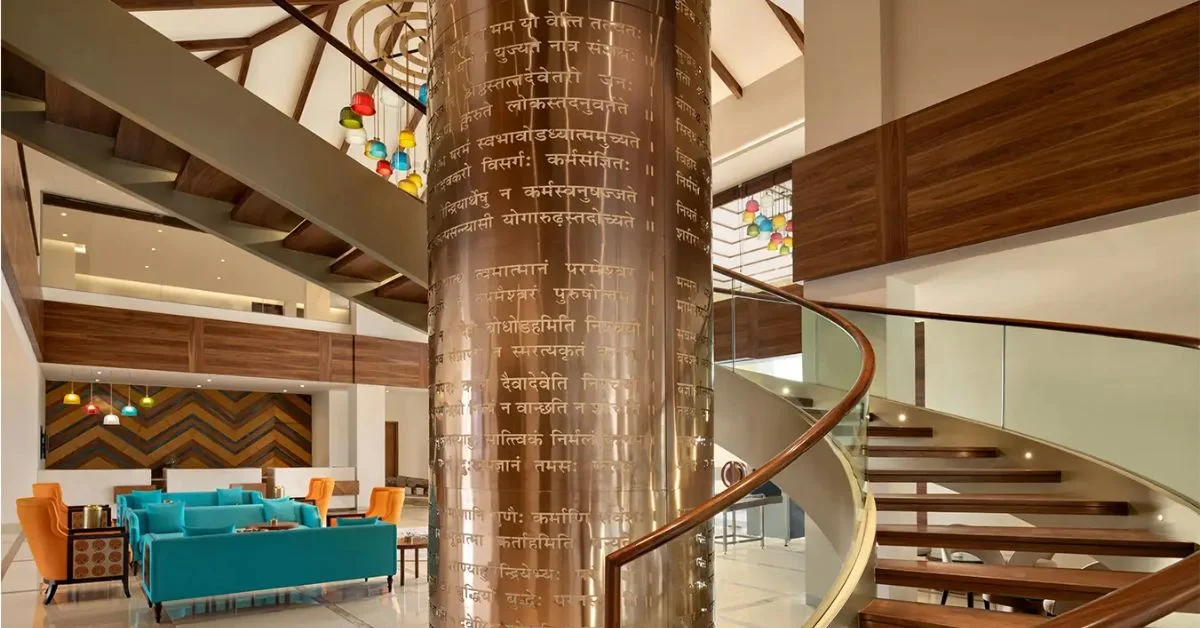
When you walk into a hotel lobby or restaurant, have you ever noticed how the layout and furniture make you feel? In the world of hospitality, creating a welcoming and enjoyable space is all about smart design and furniture choices. Space planning in hospitality interiors is an art—it combines the science of creating comfortable, functional layouts with the beauty of furniture that feels right for the place. Let’s dive into how space planning and furniture selections work together to shape amazing guest experiences in hotels, restaurants, and other hospitality settings.

Understanding Space Planning in Hospitality Design
Space planning in hospitality design is all about creating environments that are both functional and inviting. Hospitality spaces—whether they’re hotels, restaurants, or lounges—have to accommodate a wide range of activities. To keep guests happy, designers focus on thoughtful layouts that encourage ease of movement, social interaction, and comfort. Every piece of furniture, from lounge chairs in the lobby to stools at a bar, plays a part in how guests experience the space.
Good space planning in hospitality goes beyond just placing furniture in a room. It considers the entire guest journey—from the lobby and reception area to the guest rooms and dining spaces. A well-planned layout creates a smooth flow, guiding guests naturally through different areas while ensuring that each space serves its purpose effectively.
Role of Furniture in Hospitality Interiors

Furniture is much more than just decoration in hospitality interiors. It defines how spaces feel and function. Imagine walking into a hotel lobby with oversized, luxurious sofas and plush armchairs; this signals comfort and relaxation. In contrast, sleek, modern furniture in a restaurant suggests elegance and sophistication.
Key Functions of Furniture in Hospitality:
- Defining Spaces: Furniture helps create zones, such as seating areas for dining or relaxing.
- Traffic Flow: Thoughtful arrangements guide guests effortlessly through spaces.
- Comfort and Functionality: Ergonomic pieces ensure comfort for extended stays.
- Brand Identity: Furniture reflects the brand’s unique style, such as luxurious materials for elegance or durable pieces for a nature-focused theme.
Every piece of furniture contributes to the guest’s experience, blending aesthetics with purpose.
Key Elements of Effective Space Planning in Hospitality

To create a memorable space, designers consider several key elements in hospitality space planning. These include:
Flow of Movement
Movement flow is a vital consideration in space planning, ensuring guests move through the space naturally and comfortably. In restaurants, for example, tables are spaced strategically to accommodate easy navigation for both guests and staff. A well-thought-out flow of movement enhances the guest experience and contributes to operational efficiency.
Zoning for Different Activities
In hospitality interiors, zoning is used to distinguish areas for different activities, providing a variety of experiences within a single space. Furniture plays a key role in creating zones, with different seating arrangements marking spaces for relaxation, dining, work, or socializing. For example, a hotel lobby might feature:
- Lounge chairs for informal meetings.
- Communal tables for co-working.
- Couches for relaxation.
Prioritizing Comfort and Accessibility
Guest comfort is paramount in hospitality, and ergonomic furniture choices ensure that comfort is prioritized. Sofas, chairs, and even tables should be chosen with ergonomic principles in mind, particularly in areas where guests spend extended periods, like lounges, lobbies, and dining areas.
Balancing Aesthetics and Functionality
Achieving the right balance between beauty and usability is essential in hospitality design. While stunning aesthetics draw guests in, functionality ensures that the furniture serves its purpose effectively. Designers often select multi-functional pieces, such as ottomans that double as storage or modular furniture that can be reconfigured for different events. This blend of form and function allows the space to maintain its visual appeal while adapting to guests’ practical needs.
These elements work together to make hospitality spaces inviting and enjoyable, helping guests feel right at home while exploring new experiences.
Furniture Selection Considerations

Choosing the right furniture is critical in hospitality interiors. Let’s explore some key factors that designers consider when selecting furniture:
- Durability and Maintenance: In hospitality spaces, furniture faces heavy use every day. Designers choose materials and finishes that are durable and easy to clean.
- Style and Aesthetic: The style of the furniture sets the tone of the space, aligning with the brand’s identity and creating a cohesive look. The furniture’s style helps define the personality of the space and makes it memorable for guests.
- Comfort and Ergonomics: Comfort is essential for a positive guest experience. Comfortable furniture makes guests feel at ease, especially in spaces where they’ll spend more time, like lounges or dining areas.
- Technology Integration: In today’s connected world, furniture often includes technology features like built-in charging ports or workstations.
- Sustainability and Eco-Friendliness: Many hospitality brands prioritize sustainable furniture to align with eco-conscious values.
- Space Optimization: Furniture choices are critical in maximizing the use of available space. Modular and multifunctional furniture is popular because it can adapt to different needs, whether hosting a big event or creating a cozy nook for reading.
Hospitality Space Planning Strategies
Different areas in hospitality settings require unique space planning strategies. Let’s look at some key spaces and how they’re designed for optimal guest experience:
Lobby and Reception Areas

The lobby is often the first impression guests have of a hotel, so it needs to feel welcoming and functional. Comfortable seating, clear pathways, and zones for relaxing or waiting make the lobby a pleasant entry point. Often, lobbies include small social zones or workstations, allowing guests to relax or get work done.
Guest Rooms

In guest rooms, space planning is about comfort, privacy, and convenience. Designers choose furniture that offers maximum comfort without crowding the room. Built-in furniture, such as desks or shelving, helps save space, and thoughtful placement of beds and seating ensures easy access and a comfortable layout.
Restaurants and Bars

Restaurant and bar spaces require seating arrangements that encourage both social interaction and dining efficiency. Designers select furniture that can accommodate various group sizes while maintaining a sense of intimacy and comfort. Bar stools, dining chairs, and booths all play a role in creating a balanced, lively dining experience.
Meeting and Event Spaces

Meeting rooms and event spaces are designed to be flexible, allowing for different setups depending on the event type. Furniture here is often modular and mobile, allowing staff to easily reconfigure seating arrangements. This adaptability ensures that spaces can be used for anything from corporate meetings to weddings and social events.
Outdoor Spaces

Outdoor spaces, such as patios, pool areas, and gardens, require weather-resistant furniture that’s both comfortable and stylish. Designers create inviting outdoor zones by arranging furniture to promote relaxation, socializing, and enjoyment of the environment. Cozy seating, lounge chairs, and tables make outdoor areas versatile and appealing.
Conclusion
Furniture choices play a vital role in shaping hospitality interiors, influencing the guest experience, and reflecting the brand's identity. By applying key principles of space planning, considering furniture selection factors, and incorporating hospitality space planning strategies, designers can create exceptional environments that leave lasting impressions on every guest.
As technology advances, we can also expect to see innovative features like interactive tabletops in dining areas, touch-controlled climate settings, and AI-powered furniture that adapts to guest preferences. These trends align with the hospitality industry’s emphasis on guest convenience and tailored experiences, enhancing both comfort and functionality in modern hospitality spaces.
You May Also Like