Start Hotel FF&E Planning in Dubai | Timeline + Checklist
When Should Hotels Start FF&E Planning for New Builds in Dubai? (Stage-by-Stage Checklist)
You're standing in an empty shell of what will be a luxury hotel. The handover is in 8 months. Your operator is pushing for an opening date. And someone just asked: "When do we start ordering furniture?"
If you're asking this question now, you're already late.
Quick Answer: When Should Dubai Hotel FF&E Planning Start?
This hotel FF&E planning checklist for Dubai new builds shows exactly when to start, what to freeze by stage, and how to plan lead times, QC, shipping, and floor-wise sequencing—so your opening date doesn't get hijacked by last-minute buying.
The 3 Rules for Hotel FF&E Planning in Dubai
1. Start planning at the concept stage
2. Freeze BOQ inputs by design development
3. Lock QC + shipping + floor-wise delivery sequencing before production
The Simple Rule for Dubai New Builds: Start Earlier Than You Think
Here's what most hotel developers get wrong: they treat FF&E as a late-stage procurement exercise that starts after design is "done."
The reality? Hotel furniture procurement planning must begin during concept and feasibility, run parallel to design development, and have procurement execution locked before the construction tender.
Starting early means you control the process. Starting late means the process controls you.
The Top Mistake Costing Hotels Millions
The biggest mistake hotel owners and operators make during hospitality procurement planning in the UAE is underestimating budget requirements by ignoring hidden costs like delivery, storage, import duties, customizations, and compliance documentation.
This isn't a small oversight. It leads to:
- Significant cost overruns, ranges of 20–30% are common on Dubai projects, though this varies by project size, documentation readiness, and procurement lead times
- Rushed value engineering that cuts quality
- Shortened item lifespans in high-traffic areas
- Spiking maintenance and replacement costs within 2-3 years
"A lot of clients who didn't care about what operators and procurement teams flagged realise why they should have listened later on – when they had a maintenance issue or when they had a problem with the material being non-durable."
The fix? Build a full-cost breakdown early. Include freight, taxes, Dubai municipality fees, UAE customs documentation requirements, storage, contingencies (8-12%), and lifecycle maintenance costs in your initial budget. Benchmark against 3 Dubai suppliers for realistic pricing and confirmed lead times before you freeze your procurement freeze gates.
Hotel FF&E Planning Checklist for Dubai New Builds (Stage-by-Stage)
Stage | Timeline | Critical Actions | What to Lock |
Concept & Feasibility | Month 0-2 | Map categories, long-lead risk list | Budget ranges, procurement strategy |
Schematic Design | Month 3-5 | Room types, early BOQ, involve operations | Material palette, budget bands |
Design Development | Month 6-9 | FREEZE GATES - Lock RDS, dimensions, finishes | BOQ, specs, performance criteria |
Tender & Pre-Construction | Month 10-14 | Finalize BOQ, samples, POs, production plan | All specs, supplier contracts |
Construction | Month 15-20 | Track milestones, in-process QC, and schedule PSI | QC checkpoints, shipping plan |
Pre-Opening | Month 21-24 | Floor-wise delivery, install coordination | Delivery schedule, spares |
Hotel FF&E planning checklist Dubai timeline BOQ freeze gates
Here's the roadmap that prevents delays, reduces variations, and keeps your opening on track.
Stage 1: Concept and Feasibility (Month 0-2)
What to do now:
- Map FF&E categories by room type (guest rooms, suites, F&B, public areas, back-of-house)
- Build preliminary procurement strategy: what's custom vs. catalog, what's imported vs. local
- Create a long-lead risk list (custom case goods, specialty lighting, imported stone/wood finishes)
- Set provisional budget ranges with full cost inclusions
Why it matters: This is where you identify items with 16-20 week lead times that need early ordering. Miss this, and you're expediting shipments at 40% premium costs later.
Stage 2: Schematic Design (Month 3-5)
Planning starts here in earnest.
- Define preliminary room types and quantities (standard rooms, suites, F&B outlets)
- Generate early BOQ ranges based on room data sheets (RDS)
- Lock finish direction: material palette, texture, sheen, color codes
- Set budget bands by category with lifecycle cost considerations
Get Operations Involved Before Specs Are Locked
Stage 3: Design Development (Month 6-9) – Freeze Gates Begin
This is your critical lock-down stage.
- Finalize room data sheets with exact dimensions, finishes, and hardware specs
- Lock performance specifications (flame ratings, durability tests, weight limits)
- Define material and finish codes (shade, sheen, grain direction, tolerance levels)
- Start RFQs for long-lead custom items
- Run sample approvals and mockup sign-offs
What to lock early to prevent delays:
- Room-wise BOQ with item codes
- Finish specifications with tolerance ranges
- Hardware schedule (hinges, sliders, locks, pulls)
- Durability and performance requirements
- Target opening date with a phased handover plan
- Site constraints (access, storage, delivery windows)
Why this matters: Every change after this stage triggers variations. Variations mean revised quotes, new samples, production delays, and rework. One change to a case good finish can push delivery by 6-8 weeks.
Stage 4: Tender and Pre-Construction (Month 10-14) – Procurement Execution
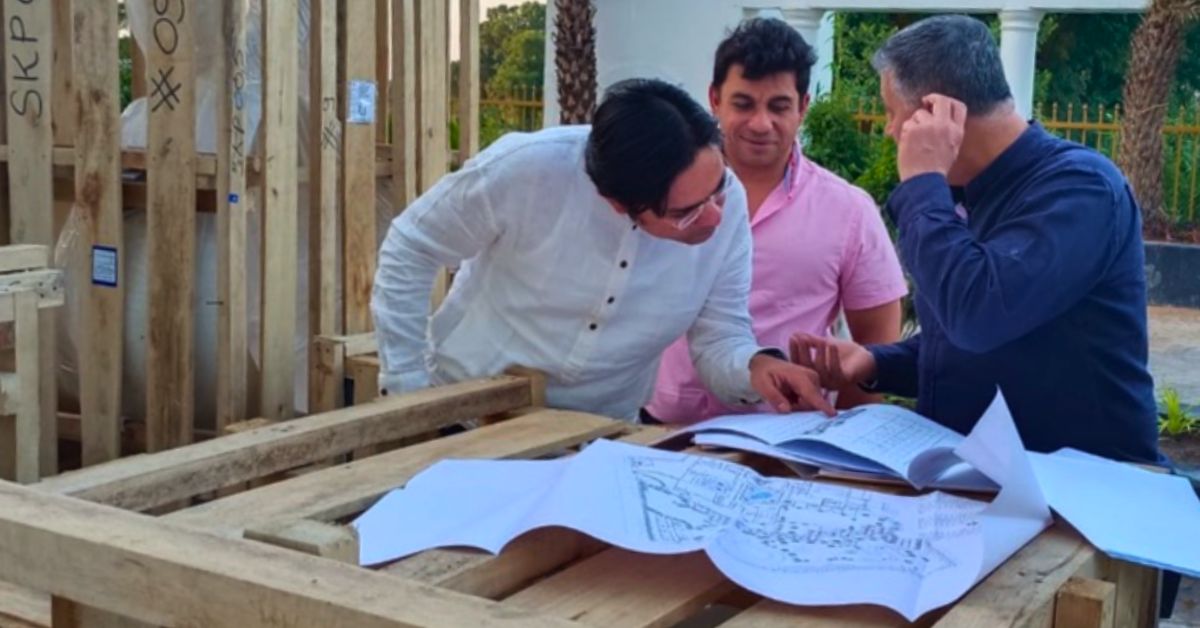
Now you execute.
- Finalize BOQ with locked quantities and specs
- Approve physical samples and full-scale mockups (critical for custom upholstery and case goods)
- Issue purchase orders with production milestone schedules
- Lock manufacturing timeline with weekly progress photo requirements using a production milestone tracker
- Schedule in-process QC checkpoints
Define 'Or Equivalent' Before It Costs You
Solution: Define "or equivalent" with strict criteria:
Stage 5: Construction (Month 15-20) – Track, QC, and Logistics Planning
While construction progresses, you're managing production.
- Track production milestones with weekly updates
- Conduct in-process QC at the factory (check finishes, tolerances, assembly quality)
- Schedule before dispatch and document findings in PSI reports
- Approve export packaging standards with packaging approvals (corner guards, edge protection, moisture barriers for sea freight)
- Plan floor-wise delivery sequencing based on the construction handover schedule
Dubai logistics and compliance reality:
Plan HS code mapping, country-of-origin docs, packing lists, and fire-safety/compliance certificates required by the operator and site. Documentation accuracy is what prevents avoidable clearance delays. At Jebel Ali port, container handling and customs clearance typically take 7–14 days with proper documentation and pre-clearance coordination. This range varies by product type and documentation completeness.
Many Dubai high-rise hotel sites run restricted delivery windows, often morning blocks, and missed slots can push installations back by several days, depending on re-booking availability and site coordination. Confirm the specific window with your site manager early.
Stage 6: Pre-Opening (Month 21-24) – Delivery Sequencing and Installation Coordination
Dubai execution constraints to plan for:
|
- Execute floor-wise delivery sequencing (match construction phasing)
- Coordinate delivery slots and site access – confirm specific windows with your site manager, as these vary by project and building type
- Plan staging areas (most Dubai sites have minimal storage)
- Align installation with MEP, finishes, and other trades
- Track spares strategy (2-5% for critical guest-facing items)
- Manage snag and punch-list closure
Why sequencing and staging planning matter: Without a detailed delivery sequencing plan, you'll face re-handling costs, damage from poor interim storage, installation delays waiting for other trades, and demurrage and storage penalties.
As one industry voice puts it: "If you're going to change your chair after a year, this is going way beyond sustainability. We need to make nice, good quality ideas that are going to last for hundreds of years instead of five years."
Build for longevity with proper planning, not for replacement cycles driven by poor execution.
The "Early Planning Saves Time and Money" Proof Block
Here are the 5 cost leaks from starting FF&E planning late:
1. BOQ Changes Lead to Variations
Late planning means design isn't locked. Every BOQ change after tender triggers variation orders: revised quotes, new approvals, and production restarts.
Cost impact: 8-15% budget overrun.
2. Rushed Sampling Leads to Wrong Finishes
When you're behind schedule, samples get approved via photos instead of physical inspection. Result? Finish mismatches on-site that require rework or replacement.
Cost impact: 5-12% of affected items.
3. Expediting Adds Premium Logistics Costs
Late orders mean air freight instead of sea, express manufacturing instead of standard timelines.
Cost impact: 30-50% premium on freight alone.
4. No Sequencing Plan Means Re-Handling and Storage Fees
Delivering everything at once without floor-wise staging means moving items multiple times and renting off-site storage.
Cost impact: AED 50,000-150,000 for a 200-room hotel.
5. Late QC Means Rework at Site
Skipping pre-shipment inspections to "save time" means discovering defects after installation. Fixing on-site costs 8-10x more than fixing at the factory.
Cost impact: 6-10% of total FF&E value.
The Real Cost of Starting Late
Lead Time Breakdown: What to Expect for Hotel FF&E Procurement Schedule UAE
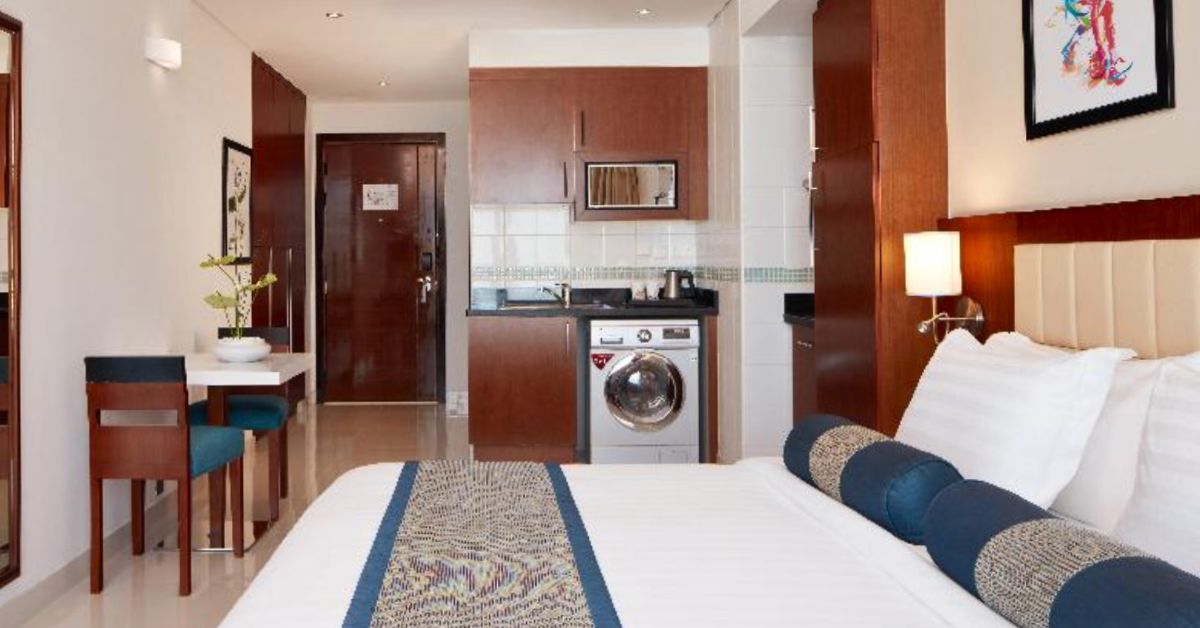
Understanding realistic lead times prevents unrealistic promises to stakeholders.
Sampling and approvals: 3-6 weeks (depends on custom fabric/finishes and international shipping for samples)
Production for custom case goods: 10-16 weeks (solid wood, intricate joinery, custom sizes)
Production for upholstery: 6-10 weeks (performance fabrics, custom frames, hospitality-grade foam)
Production for lighting (custom): 8-14 weeks (especially European manufacturers)
QC and packing: 5-10 days (including pre-shipment inspection, packaging approval, loading)
Shipping to Dubai (sea freight): 4-8 weeks (from Asia), 6-10 weeks (from Europe)
Local customs clearance and delivery: 7–14 days, depending on documentation completeness and delivery slot availability
Site delivery and installation coordination: Dependent on construction readiness and trade alignment (usually 2-4 weeks per floor for phased handovers)
Buffer for contingencies: Always add a 15-20% buffer for unexpected delays (factory issues, shipping delays, site access problems)
Minimum Timeline from BOQ Freeze to Installation
QC Checklist to Schedule Before Dispatch
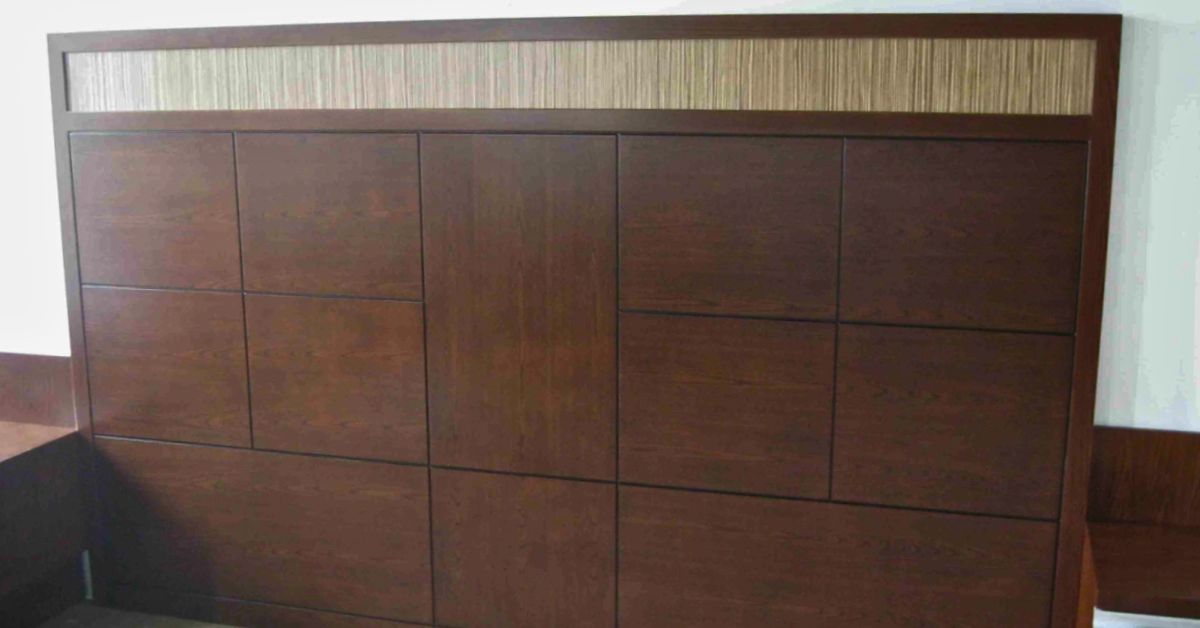
Schedule pre-shipment inspections (PSI) that cover:
- Finish match to approved samples (color, sheen, texture)
- Dimension and tolerance checks (especially for built-in case goods)
- Hardware function testing (drawer slides, door hinges, locks)
- Surface inspection (scratches, dents, finish consistency)
- Packaging adequacy test with photo/video evidence pack
Fix It at the Factory, Not on Site
Critical Hotel FF&E Planning Checklist Items That Get Overlooked (And Cost You Later)
1. Lead Times for Custom and International Items
Why it's overlooked: Teams assume catalog items ship in 2-4 weeks. Custom case goods from European manufacturers? 16-20 weeks, not including shipping.
Fix: Build a long-lead tracker at the concept stage. Flag items over 12 weeks and prioritize their design lock-in.
2. Compliance Standards for Dubai Regulations
Why it's overlooked: Teams focus on aesthetics and cost, assuming suppliers "handle compliance."
Fix: Require Dubai Civil Defense flame rating certificates, accessibility compliance (if applicable), and material VOC certifications upfront. Missing these means fines, rework, or items stuck at customs.
3. Lifecycle Maintenance Costs
Why it's overlooked: BOQs show unit price, not 5-year maintenance, warranty terms, or ease of repair/replacement.
Fix: Add columns to your BOQ for warranty duration, spare parts availability, and maintenance requirements. Choose items with local service support in Dubai.
4. Full Budget Inclusions
Why it's overlooked: Initial budgets show ex-factory pricing, ignoring freight (12-18% of item cost), import duties (5%), storage, handling, and contingencies (8-12%).
Fix: Your budget template must include:
- Ex-factory cost
- Freight and insurance
- Import duties and UAE taxes
- Local delivery and handling
- Storage (if phased delivery)
- Installation coordination support
- Contingency (minimum 10%)
Dubai New-Build Realities You Must Plan For
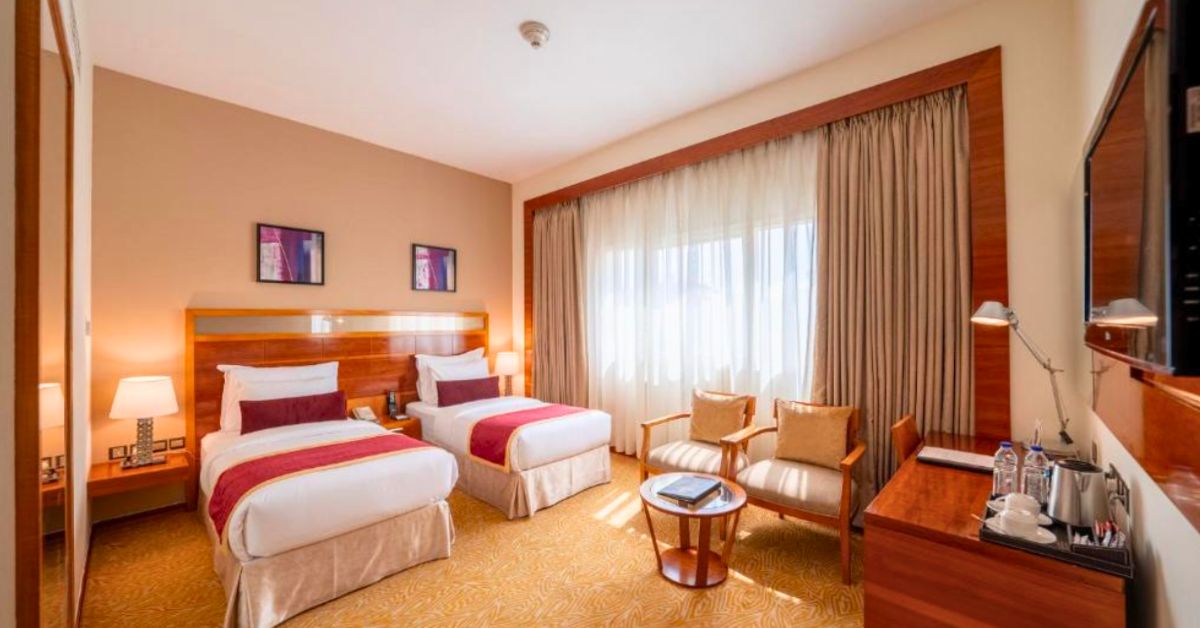
Dubai FF&E planning must account for:
- Phased handovers and floor-wise readiness: Construction rarely hands over all floors at once. Your FF&E delivery must be sequenced by floor/zone to avoid double-handling and storage fees.
- Limited on-site storage: Dubai hotel sites don't have warehouse space. Off-site storage typically runs AED 15–25/sqm/day – costs that accumulate quickly without proper sequencing.
- Delivery slots and access restrictions: Many high-rise sites operate restricted delivery windows – often morning blocks. Missed slots can push your installation by several days, depending on re-booking and site coordination. Confirm exact windows with your site manager before shipping.
- Last-mile coordination complexity: You're coordinating furniture delivery with flooring, gypsum, MEP, AV, and IT contractors. One misalignment can result in items arriving before prerequisite works are complete.
- Import documentation: Plan HS code mapping, country-of-origin docs, packing lists, and fire-safety/compliance certificates upfront. Documentation accuracy prevents avoidable clearance delays.
Prioritising Performance in Dubai's High-Traffic Environment
Dubai's hotel market demands a visual wow-factor for social media. But those stunning lobby chairs and statement headboards face brutal daily use. Spec for performance, durability, and maintenance cycles first – then visual impact.
How to balance both:
- Prioritize performance fabrics with high Martindale ratings (50,000+ rubs for guest rooms, 100,000+ for public areas)
- Specify hardwood frames (not particleboard) for upholstery in high-traffic zones
- Use stainless steel or solid brass hardware (not zinc alloy that corrodes in Dubai's humidity)
- Design modular elements for visual pops that can be easily reconfigured or replaced without full refurbishment
- Test physical samples for real-world wear: coffee spills, sand abrasion, humidity exposure
Involve operators early. Housekeeping and maintenance teams know which fabrics trap sand, which finishes show fingerprints, and which hardware fails under daily use. Their input at schematic design prevents performance failures and unplanned replacement cycles.
Use a tiered budget matrix to allocate wisely:
- 50% budget on luxury guest-facing items: reception, lobby, guest room case goods, and upholstery (high durability, brand impact)
- 30% on mid-range corridors and back-of-house F&B: still durable, slightly less custom
- 20% on economy staff areas and low-touch decor: local sourcing acceptable, focus on function
Always factor lifecycle ROI: A AED 3,000 lobby chair that lasts 10 years beats an AED 1,500 chair that needs replacing in 18 months.
Share BOQ/specs, Dubai location, and target opening month. We'll send you a stage-wise procurement plan with realistic lead times, QC checkpoints, and a delivery sequencing approach within 1–2 business days.
How Arcedior Supports Hotel FF&E Planning
Arcedior doesn't do design or turnkey interiors. We specialise in global sourcing of interior products, custom and contract manufacturing, quality checks, logistics, and installation coordination – as a single-window partner for hotel developers and project managers.
We support hotel developers and project managers with:
- Global sourcing from verified manufacturers
- Custom/contract manufacturing with hospitality specs
- Vendor management across categories under one timeline
- Quality checks and PSI before Dubai dispatch
- Logistics/shipping support, including customs, delivery coordination
- Installation coordination with MEP, flooring, and trades
We execute your approved designs and BOQs without you managing 10–20 vendors individually.
Conclusion
Use this hotel FF&E planning checklist to freeze BOQs early, confirm lead times, schedule QC before dispatch, and deliver floor-wise – so you avoid rework, rushed purchases, and opening delays. Start at the concept stage. Lock procurement freeze gates at design development. Never underestimate hidden costs. And sequence every delivery by floor.
FAQs
At what stage should hotel FF&E procurement begin?
Procurement execution begins at tender/pre-construction (month 10-14), but planning must start earlier at schematic design (month 3-5). Early planning identifies long-lead items, sets budget ranges, and maps procurement strategy before execution.
- Concept stage: Identify custom items with 16-20 week lead times
- Schematic design: Define room types, generate early BOQ ranges
- Design development: Finalize specifications and start RFQs
- Tender stage: Issue purchase orders with production schedules
- Construction stage: Track manufacturing milestones and schedule QC
How early should I freeze the FF&E BOQ for a Dubai hotel?
Freeze BOQ by design development completion (month 9) after locking room data sheets, dimensions, specifications, finishes, and hardware schedules. Changes after this trigger variations, revised quotes, new samples, and 6-8 week delivery delays.
- Room-wise BOQ with unique item codes and quantities
- Finish specifications with tolerance ranges (e.g., +/- 2mm)
- Hardware schedule including hinges, sliders, locks, and pulls
- Durability and performance requirements with test certifications
- Target opening date with phased handover plan and site constraints
What is the typical FF&E planning timeline for a hotel opening?
Minimum 8–9 months from BOQ freeze to installation, realistically 10–11 months with buffers. This includes sampling (3–6 weeks), production (10–16 weeks), shipping (4–10 weeks), customs clearance, and site coordination.
- Sampling and approvals: 3-6 weeks for custom fabrics and finishes
- Production for custom case goods: 10-16 weeks with weekly progress updates
- QC and packing: 5-10 days, including pre-shipment inspection
- Shipping to Dubai: 4-8 weeks (Asia), 6-10 weeks (Europe)
- Customs clearance and delivery: 7-14 days, depending on documentation and site access
- Always add a 15-20% buffer for unexpected delays
What happens if FF&E planning starts late?
Late planning triggers five major cost leaks totaling 20-30% budget overrun plus 2-4 months opening delay. BOQ changes cause variations (8-15% overrun), rushed sampling leads to rework (5-12%), expediting adds freight premiums (30-50%), poor sequencing creates storage fees, and late QC multiplies fix costs by 8-10x.
- BOQ changes after tender: 8-15% budget overrun from variations
- Rushed sampling via photos: 5-12% rework on finish mismatches
- Air freight expediting: 30-50% premium over sea freight
- No sequencing plan: AED 50,000-150,000 storage for a 200-room hotel
- Late QC discoveries: 40-60% fix costs vs. 5% at the factory
How do samples and mockups affect timelines?
Add 3-6 weeks to the timeline, but prevent costly mistakes. Physical samples verify finishes before producing hundreds of units, while full-scale mockups reveal dimension and comfort issues that photos cannot detect. Skipping costs 40-60% to fix on-site versus 5% at the factory.
- Verify color, sheen, and texture against approved finish codes
- Test durability under real-world conditions (spills, sand, humidity)
- Confirm dimensions and tolerances for built-in case goods
- Assess comfort and ergonomics before mass production
- Catch design intent issues when changes cost 5%, not 40-60%
How do I plan lead times for custom hotel furniture?
Custom case goods require 18-28 weeks minimum from sampling to Dubai delivery. Production takes 10-16 weeks, plus 3-6 weeks sampling, 5-10 days QC/packing, 4-10 weeks shipping, and 7-14 days customs. Build a long-lead tracker at the concept stage and flag items over 12 weeks.
- Sampling and approvals: 3-6 weeks for custom finishes
- Production for solid wood case goods: 10-16 weeks with joinery
- In-process QC and pre-shipment inspection: 5-10 days
- Sea freight to Dubai: 4-8 weeks (Asia), 6-10 weeks (Europe)
- Customs clearance and local delivery: 7-14 days with documentation
What QC checks should be planned before shipping to Dubai?
Schedule pre-shipment inspections (PSI) covering finish match to approved samples, dimension checks (±2mm tolerance), hardware function testing, surface inspection for defects, and packaging adequacy verification. Require photo and video evidence packs for documentation.
- Finish match: Color, sheen, texture versus approved samples
- Dimension and tolerance checks: Especially for built-in case goods
- Hardware function testing: Drawer slides, door hinges, locks, pulls
- Surface inspection: Scratches, dents, and finish consistency issues
- Packaging test: Corner guards, edge protection, and moisture barriers verified
- Fixing at the factory costs 5% vs. 40-60% post-installation in Dubai
How should delivery sequencing work for a Dubai hotel's new build?
Align FF&E delivery with phased construction handover on a floor-by-floor basis. Coordinate with MEP, flooring, and finishes. Book delivery slots early, plan minimal on-site storage, and sequence in waves to prevent re-handling and damage.
- Match construction phasing: Deliver per floor/zone as handover occurs
- Coordinate with other trades: MEP, flooring, gypsum, AV, IT alignment
- Book delivery slots early: Dubai high-rises have strict 6 am-2 pm windows
- Plan staging areas: Most sites lack warehouse space
- Avoid storage fees: Sequencing prevents AED 15-25/sqm/day costs and re-handling
What information is needed for an accurate procurement plan?
Share room data sheets with dimensions and finishes, BOQ or preliminary quantities, target opening date, phased handover schedule, site constraints (access, storage, delivery windows), Dubai location and compliance requirements, performance specifications, and budget, including full costs beyond ex-factory pricing.
- Room data sheets: Dimensions, finishes, hardware specifications
- BOQ or preliminary quantities: By room type and category
- Target opening date: With a phased handover schedule if applicable
- Site constraints: Access windows, storage capacity, delivery slots
- Performance specs: Durability ratings, fire certifications, compliance needs
- Budget with full costs: Freight, duties, storage, handling, contingencies (10-12%)