Hotel Furniture Sourcing India to Dubai | Process, Lead Time, QC

Hotel Furniture Sourcing from India to Dubai: Process, Lead Time & QC
Sourcing hotel furniture for a Dubai project is rarely just about finding a good factory. Dubai hotel owners, PMCs, and procurement teams must manage multiple furniture categories, strict opening timelines, finish consistency, export compliance, shipping risks, and last-mile coordination on-site. When sourcing from India, these challenges increase if there is no structured process.
India is one of the strongest global manufacturing hubs for hotel furniture and FF&E, especially for custom and contract requirements. However, success depends on how clearly the sourcing, quality control, logistics, and delivery sequencing are planned.
The outcome: hotel furniture that arrives on time, in spec, with fewer damages and fewer surprises.
This guide walks you through the complete India to Dubai FF&E sourcing process, with clear checkpoints from BOQ to final installation coordination.
Quick Answer: How to Source Hotel Furniture from India to Dubai

What Hotel Furniture Is Commonly Sourced from India for Dubai Projects
Most Dubai hotels source guestroom casegoods, loose furniture, and custom packages from India for controlled specs, finishes, and export-ready production.
India has developed strong contract furniture manufacturing capabilities, especially for hospitality projects across the UAE. Understanding what works best from the India to Dubai FF&E sourcing corridor helps you plan effectively.
What Gets Made in India
- Guestroom casegoods: beds, headboards, nightstands, desks, wardrobes, TV units
- Custom hotel furniture manufacturing: bespoke designs, branded finishes, dimension requirements
- Loose furniture: lounge seating, dining chairs, restaurant tables, banquet furniture
- Public area furniture: reception desks, concierge stations, back-of-house storage
- Contract furniture packages: full guestroom packages, restaurant fitouts, conference room setups
What Works Better Locally in Dubai
- Urgent replacements or add-ons close to project handover
- Small-quantity items where the shipping cost exceeds the product value
- Items requiring same-day delivery or rapid turnaround
Why a Hybrid Model Works
Most successful Dubai hotel projects use bulk and custom contract manufacturing from India for the primary FF&E categories, with local suppliers handling last-minute additions. This approach balances cost control, customization capability, and timeline flexibility.
India vs Other FF&E Sourcing Options for Dubai Hotels
India offers custom hotel furniture manufacturing with hospitality finishes, flexible MOQs, and direct English communication at 40-60% lower cost than Europe, with better customization capability than China's standardized scale.
When planning hotel furniture sourcing for Dubai projects, understanding how India compares to other manufacturing hubs helps you make informed decisions.
India vs Europe (Cost/MOQ/Lead Time Flexibility)
European manufacturers offer premium finishes and design heritage but typically require higher MOQs, longer lead times, and significantly higher costs. India provides comparable hospitality-grade quality for custom and contract manufacturing at 40-60% lower cost, with more flexible MOQs and faster turnaround for bespoke requirements.
India vs China (Standardized Scale vs Customization + Hospitality Finishes)
China excels at mass production and standardized items, but India's strength lies in customization capability and hospitality finishes. For Dubai hotel projects requiring bespoke designs, branded finishes, or complex specifications, Indian manufacturers offer better design flexibility, finish matching, and direct communication in English.
Why India Is the Best Fit (Custom Packages + Multi-Category BOQs + Controlled Finishes)
India's established contract furniture manufacturing sector, export experience to the GCC, and proven track record with international hospitality brands make it the optimal choice for Dubai hotel projects requiring custom guestroom packages, public area furniture, and branded finishes with controlled lead times.
The India to Dubai FF&E Sourcing Corridor
Understanding the complete flow from requirement to site delivery helps you plan lead times and identify coordination points.
- Requirement Capture in Dubai: BOQ, specifications, finish codes, target dates shared with sourcing partner
- Manufacturing in India: Factory clusters in Delhi NCR, Jodhpur, Bangalore produce furniture per approved specs
- Export Packing and Dispatch: Edge guards, corner protection, moisture barriers, crating, container loading
- Shipping to UAE: Sea freight via Nhava Sheva or Mundra to Jebel Ali Port, Dubai. For Dubai projects, ensure packaging and documentation align with UAE customs requirements and site delivery regulations.
- Dubai Receiving and Last Mile: Customs clearance, delivery sequencing by floor or zone, installation coordination support
Who This Is For
This India to Dubai FF&E sourcing approach is best suited for:
- Dubai hotels with 50+ keys requiring full guestroom packages and public area furniture
- Projects with phased handovers needing delivery sequencing by floor or zone
- International hotel owners and developers are sourcing offshore for cost efficiency and customization
- Project teams managing tight opening timelines require reliable production tracking and QC evidence
Step-by-Step Workflow: From BOQ to Dubai Site Delivery
This 8-step process gives you control and visibility across the entire hotel furniture sourcing from India to Dubai timeline.
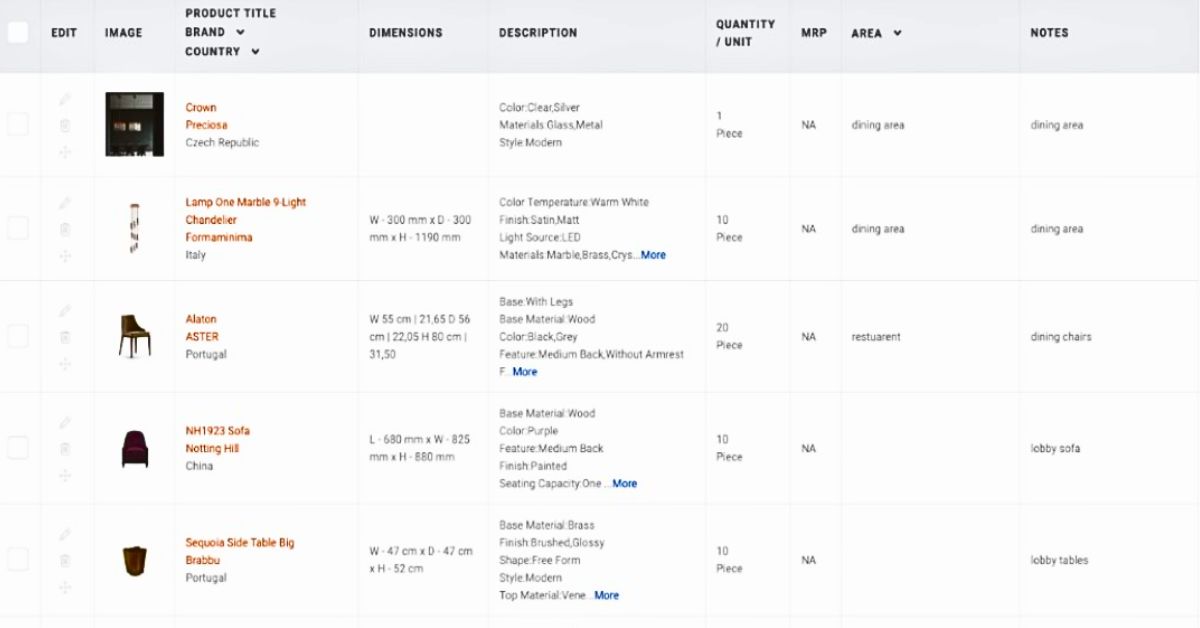
Step 1: Kickoff - Share BOQ, Specs, and Target Date
The quality of your initial information determines timeline accuracy. Share a detailed BOQ with item codes, quantities, dimensions, finish specifications, and the Dubai site delivery target date. Include durability requirements like hospitality-grade construction, fire-retardant needs if applicable, and any compliance standards.
What to include: Item descriptions, quantities, dimensions, finish codes or samples, budget bands per category, target completion date, and site constraints like delivery hours or storage limitations.
Step 2: Factory Shortlist and Feasibility Check
Not every factory can handle every specification or timeline. A good sourcing and custom manufacturing partner evaluates factory capability against your BOQ, checking production capacity, finish expertise, export experience, and lead time fit.
Evaluation criteria: Past hospitality projects, finish matching capability, production capacity vs your quantities, export packaging standards, and quality control systems in place.
Step 3: RFQs and Quote Comparison
Request for quotations should follow an identical scope across factories to enable apples-to-apples comparison. Each quote should break down unit cost, packaging cost, and factory-to-port logistics separately. This transparency helps you understand where cost differences come from.
Compare on: Unit pricing, packaging quality standards, lead time reliability, QC process, payment terms, and past project references.
Step 4: Sampling, Mockups, and Approvals
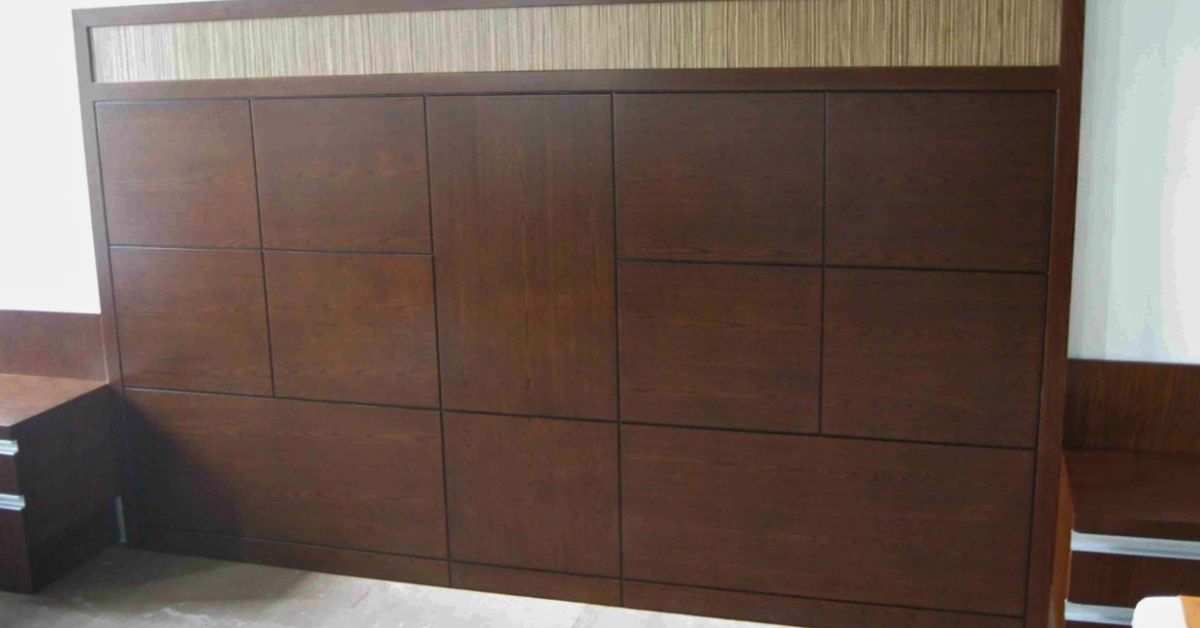
Never skip physical samples. Finish matching, hardware quality, and dimensional accuracy must be verified before production. For guestroom furniture, request a full mockup room if possible. Check finish under different lighting, test drawer sliders and door hinges, and verify dimensions against approved drawings.
Approval checklist: Finish matches approved sample, dimensions per BOQ with acceptable tolerances, hardware operates smoothly, joinery quality meets hospitality standards, and no surface defects.
Step 5: PO Placement and Production Milestones Plan
Purchase order placement triggers production, but a milestone plan keeps the timeline visible. Break production into checkpoints like material procurement complete, fabrication 50% done, finishing started, and QC inspection scheduled. Weekly updates against these milestones prevent surprises.
Milestone tracking: Material procurement, fabrication progress, finishing application, pre-QC review, final inspection, and packing start.
Step 6: Production Tracking with Weekly Updates
Visibility prevents delays. Weekly production tracking reports should include progress photos, milestone completion status, any issues identified, and a revised timeline if needed. This early warning system lets you adjust Dubai site plans if production shifts.
Update format: Current milestone status, progress percentage, visual evidence, issues if any, next week plan, timeline confidence level.
Step 7: QC Checkpoints, Pre-Shipment Inspection, Evidence Pack
This step protects you from expensive site-level rework. Pre-shipment inspection should be thorough and documented. Third-party QC inspection adds another validation layer for high-value projects.
A complete QC evidence pack includes finish verification against the approved sample, dimensional checks with tolerance documentation, hardware testing for all moving parts, surface inspection for defects, packaging quality review, and photo or video documentation of the inspection process.
Step 8: Export Packaging, Shipping, Delivery Sequencing, Installation Coordination
Export-grade packaging reduces damage risk during hotel furniture shipping from India to Dubai. Edge guards, corner protection, moisture barriers, and proper crating matter. Container loading should follow a plan that considers the Dubai site unloading sequence. Delivery to the site should be sequenced by floor, zone, or room type to match the installation workflow. A sourcing partner provides installation coordination support, syncing deliveries with your site team's schedule.
Planning a Dubai hotel opening?
Share your BOQ + target date. We'll map sourcing options, lead times, and QC checkpoints.Lead Time for Hotel Furniture Shipping India to Dubai: Realistic Expectations
Plan lead time as a sequence of approvals → production → QC/packing → shipping → Dubai site sequencing, with buffers for approvals and site readiness.
Lead time depends on product complexity, order size, factory workload, and shipping mode. Here is a realistic range for planning purposes. These are indicative timelines, not guarantees.
Stage | Planning Range (Indicative) | Variables |
Sampling & Approvals | 2-4 weeks | Complexity, revisions, client approval speed |
Production | 6-10 weeks | Order size, finish complexity, factory capacity |
QC & Packing | 1-2 weeks | QC depth, packaging standards, container availability |
Shipping (Sea Freight) | 2-3 weeks | Port congestion, customs clearance, shipping schedule |
Dubai Delivery & Coordination | 1-2 weeks | Site readiness, phased delivery plan, installation schedule |
Total End-to-End | 12-21 weeks | Plan for longer if custom finishes or tight site windows |
Important Planning Notes:
- Ranges vary by MOQ, finishes, material availability, factory loading, and shipping schedule.
- For opening-critical projects, plan buffers and freeze finishes early.
Key insight: Starting early matters. A compressed timeline often forces compromises on sampling quality or QC depth. Plan your India to Dubai FF&E procurement timeline with a buffer.
Pre-Shipment Inspection for Hotel Furniture Exports: QC Checklist
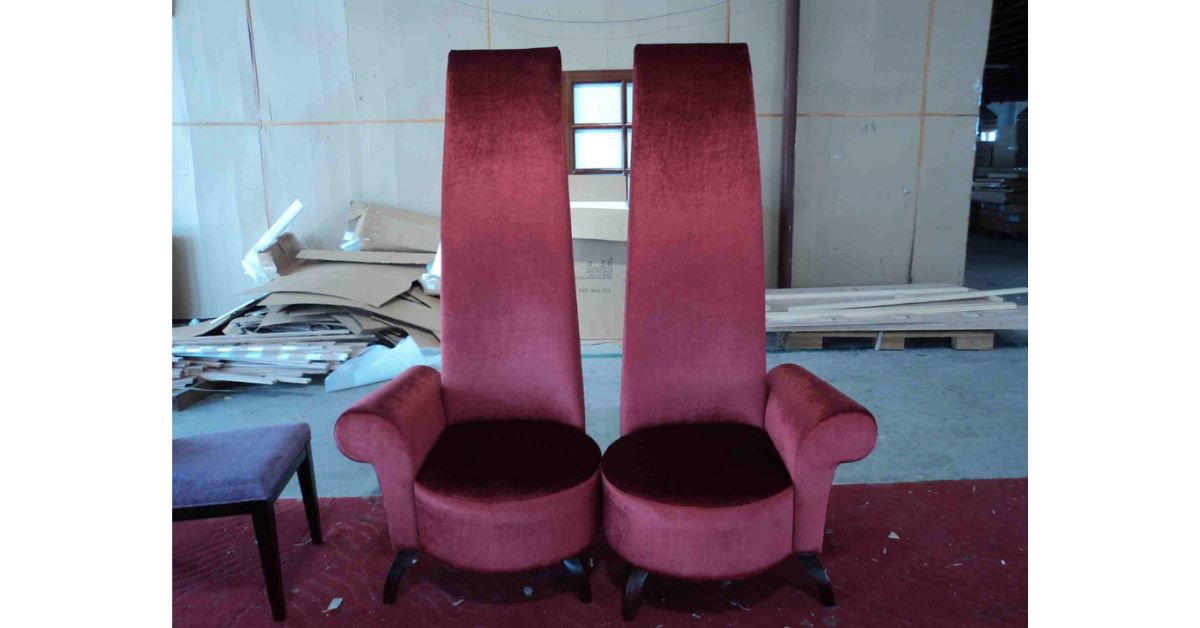
The safest approach is in-process checks plus a documented pre-shipment inspection with finish, dimensions, hardware testing, packaging verification, and evidence.
Quality control before dispatch saves you from expensive site-level rework. A thorough pre-shipment inspection checklist covers these areas:
- Finish Match Verification: Compare the actual finish against the approved sample under different lighting conditions. Check for color consistency across the batch.
- Dimensional Accuracy: Measure against BOQ specifications. Document tolerances. Verify drawer depths, door clearances, and overall dimensions.
- Hardware Testing: Test all hinges, drawer runners, sliders, and locks. Check smooth operation and durability for hospitality-grade use.
- Surface Inspection: Check for scratches, dents, finish defects, and uneven surfaces. Inspect joinery quality and edge banding.
- Structural Integrity: Test stability, load-bearing capacity where relevant, check for wobbling or weak joints.
- Packaging Review: Confirm export-grade packaging with edge guards, corner protection, and moisture barriers. Check labeling accuracy.
- Evidence Documentation: Photo and video records of the QC process, defect logs if any, approval sign-off, and batch identification.
Third-party QC option: For high-value hotel projects, consider an independent third-party inspection. This adds validation and reduces dispute risk.
Export Packaging Standards for Hotel Furniture Shipping: Damage Prevention
Furniture damage during shipping is preventable with proper export packaging. The journey from the Indian factory to the Dubai site involves multiple handling points, sea freight moisture exposure, and container movement. Export-grade packaging protects your investment.
Essential Packaging Elements
- Edge Guards and Corner Protection: Protect vulnerable edges and corners from impact. Use foam, cardboard, or plastic corner guards.
- Moisture Barrier: Wrap items in moisture-resistant material. Sea freight exposes cargo to humidity. Prevent warping and finish damage.
- Crating and Palletization: Use wooden crates for fragile items. Palletize for efficient handling. Secure items to prevent movement inside crates.
- Clear Labeling: Mark each package with item code, destination room or zone, and handling instructions. This speeds up the Dubai site unloading.
- Container Loading Plan: Load heavy items first, fragile items last. Consider the unloading sequence at the Dubai site. Secure items to prevent shifting.
Room-wise packing benefit: When packaging is organized by room type or floor, your installation team works faster. Labeling like 'Floor 3 Guestroom Package A' helps site coordination.
Dubai Receiving Reality: Last-Mile Awareness
Dubai site delivery requires Jebel Ali clearance coordination, delivery window compliance, lift/access planning, room-wise labeling, and immediate damage documentation.
Understanding Dubai's receiving realities prevents last-mile delays and ensures smooth installation handover.
Jebel Ali Receiving + Site Receiving Checklist
- Confirm customs clearance timeline and documentation requirements
- Coordinate with freight forwarder for port-to-site logistics
- Verify site delivery permits and access authorizations
Delivery Windows / Access Restrictions / Lift Constraints
- Most Dubai sites have strict delivery hours (typically 7 AM - 5 PM)
- Check lift capacity, dimensions, and availability schedules
- Identify stairwell access for items exceeding lift dimensions
- Plan for site congestion during peak construction phases
Room-Wise Labeling for Installation Speed
- Label packages with floor number, wing, and room type
- Use color coding for different furniture categories
- Include installation sequence numbers on boxes
- Provide site team with detailed packing list cross-referenced to labels
Damage Reporting Window + Evidence Process
- Inspect deliveries immediately upon arrival
- Document any damage with photos before unloading
- Report issues to sourcing partner within 24-48 hours
- Maintain delivery receipts with condition notes
Pro Tip
Delivery Sequencing in Dubai: Last-Mile Coordination
Delivery sequencing aligns furniture arrival with the installation workflow. A phased delivery plan prevents site congestion, reduces storage needs, and keeps installation teams productive.
Staged Delivery by Floor, Zone, or Room Type
Instead of delivering everything at once, break deliveries into stages. For example, deliver ground-floor public area furniture first, then guestroom packages floor by floor. This approach matches the construction completion schedule and reduces on-site damage risk.
Site Readiness Checklist
Before delivery, confirm:
- Site access arrangements, including delivery hours and vehicle restrictions
- Lift availability and weight capacity for furniture movement
- Protected storage area, if needed, between delivery and installation
- Floor protection to prevent damage during furniture placement
- Installation team schedule synchronized with delivery dates
Handover and Snag Management
Document handover with delivery receipts, damage reports if any, and missing item logs. Have a snag and replacement handling process ready. Your sourcing partner should provide installation coordination support, helping your site team manage timing and any issues that arise.
What to Share for Accurate Pricing and Lead Time Estimates
The more detail you provide upfront, the more accurate your quote and timeline. Here is what a sourcing and procurement partner needs:
Information Type | What to Include |
✓Item codes, descriptions, quantities, dimensions, ✓Finish specifications, or sample references | |
Budget Bands | ✓Budget range per category to focus on appropriate factory tiers |
Target Date | ✓Dubai site delivery completion date ✓Phasing if applicable |
Durability Needs | ✓Hospitality-grade construction standards ✓Fire-retardant requirements if needed ✓Any compliance certifications |
Site Constraints | ✓Delivery hours and vehicle access ✓Lift dimensions and weight limits ✓Storage limitations ✓Installation schedule |
With this information, a sourcing partner can provide realistic quotes and lead time plans, reducing back-and-forth and timeline delays.
When to Use a Sourcing and Procurement Partner for India to Dubai Projects
Managing hotel FF&E procurement across multiple factories in India while coordinating Dubai site delivery requires bandwidth and expertise. A sourcing and custom manufacturing partner makes sense when:
- Multi-category BOQs: Your project includes guestroom furniture, public area pieces, restaurant seating, and custom items requiring different factory capabilities.
- Multiple factories needed: No single factory can handle all categories efficiently. You need coordination across 3 to 5 manufacturers.
- Tight opening deadlines: Limited timeline means you cannot afford production delays or shipping mistakes. You need reliable tracking.
- QC evidence requirement: You want documented quality verification before shipment, not surprises on site.
- Packaging and damage control: Previous projects had shipping damage. You want export-grade packaging standards enforced.
- Limited internal bandwidth: Your team is busy with design, construction, and operations. You need one owner for the procurement timeline.
- Installation coordination needed: You want delivery sequencing matched to your site schedule, not random container arrivals.
A global sourcing and procurement partner handles vendor management, production tracking, QC checkpoints, export packaging, shipping coordination, and installation support as a single-window service. This frees your team to focus on project delivery while maintaining visibility and control.
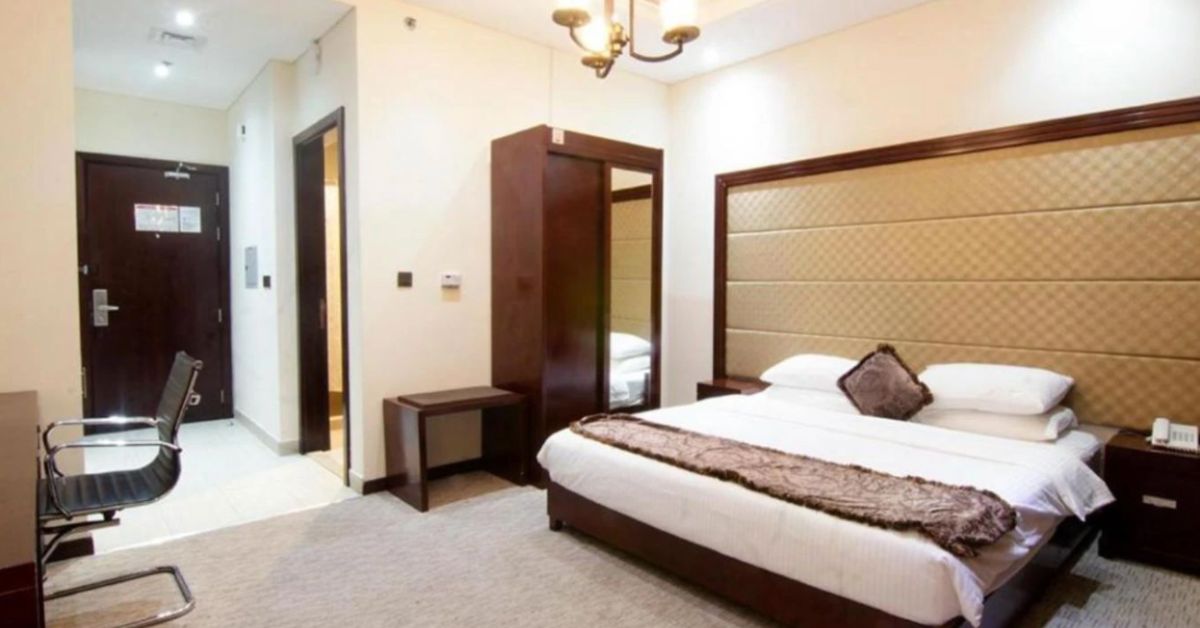
We coordinate multi-factory hospitality packages with QC evidence, export packaging control, and phased site delivery sequencing across GCC timelines.
Examples:
Common Mistakes in Hotel FF&E Procurement from India (and How to Avoid Them)
Mistake 1: Approving Without Physical Samples or Mockups
The risk: Finish mismatches, dimension errors, and hardware quality issues discovered too late.
How to avoid: Always insist on physical samples. For guestroom packages, request a mockup room. Approve under actual lighting conditions. Test hardware operation.
Mistake 2: Comparing Quotes with Mismatched Scope
The risk: Choosing the cheapest option without realizing it excludes packaging, hardware upgrades, or QC steps.
How to avoid: Create an identical RFQ template for all factories. Break down unit cost, packaging, and logistics separately. Compare apples to apples.
Mistake 3: Missing Hardware and Tolerances in BOQ
The risk: Factories use cheaper hardware or interpret tolerances loosely, causing functional problems on site.
How to avoid: Specify hardware brands and quality tiers in BOQ. Define acceptable dimensional tolerances. Include these in the sample approval criteria.
Mistake 4: Skipping QC Evidence Before Dispatch
The risk: Discovering defects only when furniture arrives in Dubai. Expensive rework, timeline delays, disputes.
How to avoid: Require pre-shipment inspection with photo and video evidence. Use third-party QC for high-value projects. Do not release payment until evidence is reviewed.
Mistake 5: Weak Packaging and No Delivery Sequencing Plan
The risk: Shipping damage, site congestion, installation delays, and random unloading create workflow chaos.
How to avoid: Enforce export-grade packaging standards with edge guards, moisture protection, and crating. Plan delivery sequencing by floor or zone before shipping. Coordinate with the site team on the receiving schedule.
Planning a Dubai hotel opening? Don’t let FF&E be the bottleneck.
Arcedior works as a single-window sourcing and procurement partner for hotel projects. We handle global sourcing of interior products and furniture, custom and contract manufacturing, vendor management, quality checks, logistics coordination, and installation support.
We do not provide interior design or turnkey services. Our role begins after your design and the BOQ are ready. We take over the product-side execution, coordinating factories, tracking production, enforcing QC standards, managing export packaging and shipping, and sequencing Dubai site deliveries to match your installation schedule.
Planning a Dubai hotel opening?
Share your BOQ, specifications, Dubai site details, and target completion date. We will respond with sourcing options, lead time plan, QC checkpoints, and delivery sequencing approach.FAQs
How do hotels source furniture from India to Dubai?
Hotels typically work with a global sourcing partner who coordinates factories in India, manages sampling and approvals, tracks production, arranges pre-shipment QC, handles export packaging and shipping, and coordinates Dubai site delivery. The process includes BOQ preparation, factory shortlisting, sampling, production tracking, quality inspection, packaging, shipping, customs clearance, and phased delivery to the site.
How long does it take to manufacture and ship hotel furniture from India to Dubai?
The typical end-to-end timeline ranges from 12 to 21 weeks. This includes 2 to 4 weeks for sampling and approvals, 6 to 10 weeks for production, 1 to 2 weeks for QC and packing, 2 to 3 weeks for sea freight shipping, and 1 to 2 weeks for Dubai delivery and installation coordination. Actual timelines depend on order complexity, factory workload, and site readiness.
What should I share first to get accurate pricing and timeline?
Share a detailed BOQ with item descriptions, quantities, dimensions, and finish specifications. Include budget bands per category, target delivery date, durability requirements like hospitality-grade standards, and site constraints such as delivery hours or storage limitations. The more complete your information, the more accurate the quote and lead time estimate.
Is sourcing hotel furniture from India to Dubai risky?
Risk comes from unmanaged processes, not the corridor itself. When sourcing lacks structured QC checkpoints, export-grade packaging standards, and delivery sequencing, projects face finish mismatches, shipping damage, and installation delays. Risk is reduced significantly through pre-shipment inspection with documented evidence, export packaging with edge guards and moisture barriers, and phased delivery sequencing aligned with your site installation workflow. A sourcing partner coordinates these controls across all vendors.
How do I ensure a finish match to the approved sample?
Insist on physical samples approved under actual lighting conditions before production starts. During pre-shipment inspection, compare finished products directly against the approved sample. Request photo evidence of finish verification. If working with multiple factories for the same finish, ensure all receive identical sample references. Third-party QC inspection adds another validation layer for finish consistency.
What QC checks should happen before dispatch?
Pre-shipment inspection should verify finish match against the approved sample, dimensional accuracy with tolerance checks, hardware functionality for all moving parts, surface quality with no defects, structural integrity and stability, and packaging standards. Request comprehensive photo and video documentation. For high-value projects, consider an independent third-party inspection for added validation.
What export packaging is best for hotel furniture?
Export-grade packaging includes edge guards and corner protection to prevent impact damage, moisture barriers to protect against sea freight humidity, proper crating for fragile items, palletization for efficient handling, and clear labeling with item codes and destination zones. Container loading should follow a plan that considers the Dubai site unloading sequence and prevents cargo shifting during transport.
How do I reduce damage during shipping to Dubai?
Use export-grade packaging with comprehensive edge and corner protection. Apply moisture barriers for sea freight. Ensure proper crating and secure items to prevent movement. Plan container loading to minimize shifting. Label packages clearly for careful handling. Work with experienced logistics partners familiar with India to Dubai furniture shipping. Inspect packaging quality during pre-shipment QC.
Can one partner manage multiple factories under one timeline?
Yes. A sourcing and procurement partner coordinates multiple factories simultaneously, managing different production timelines for various furniture categories. They handle vendor management, track production milestones across factories, consolidate QC inspections, coordinate shipping to combine containers when possible, and provide single-point accountability for the overall timeline. This approach works well for hotel projects requiring diverse furniture types.
How should delivery sequencing work for a Dubai hotel site?
Plan phased delivery aligned with construction completion and installation schedule. Typical sequencing delivers public area furniture first, then guestroom packages floor by floor or wing by wing. Coordinate delivery timing with site access hours, lift availability, and storage capacity. Label packages by destination floor or zone to speed unloading. Your sourcing partner should provide installation coordination support, syncing deliveries with your site team.
Can you coordinate installation timing with my site team?
A sourcing partner provides installation coordination support. This includes aligning delivery schedules with your site installation plan, sequencing arrivals by floor or zone to match workflow, coordinating with your installation team on timing and access, managing handover documentation, and having a process for handling snags or replacements. The goal is smooth integration between furniture delivery and your overall project timeline.