Interior Product Sourcing Tips for Architects
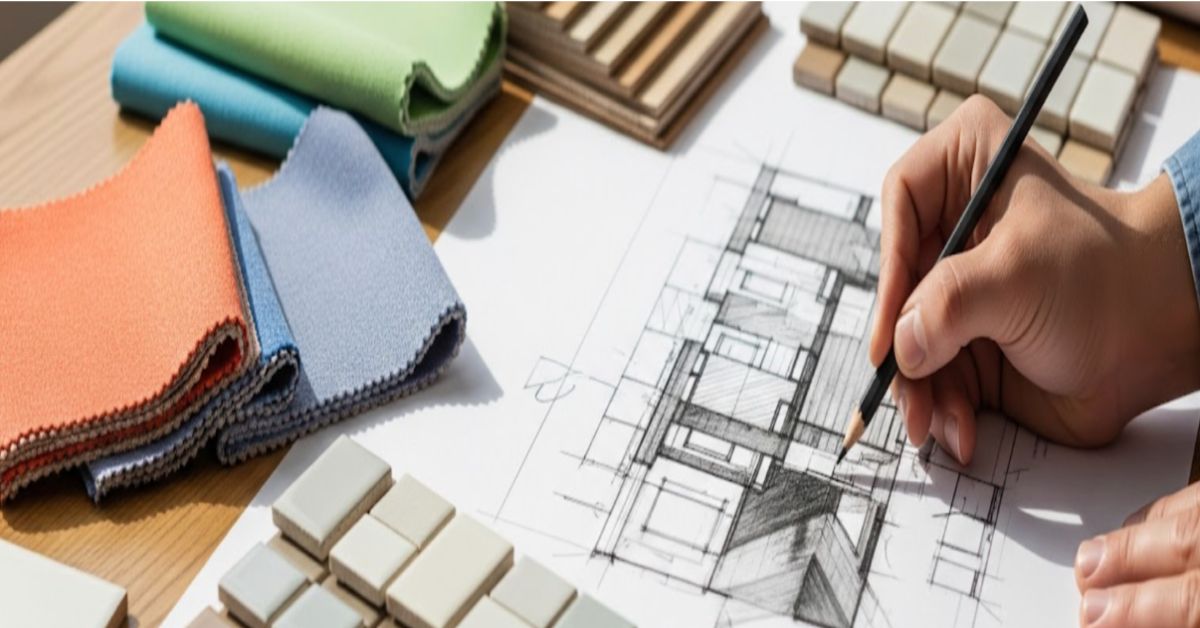
Designing a stunning interior is an art, but making it come alive? That’s all about smart product sourcing.
Architects are dreamers, and that’s a beautiful thing. You've imagined textures, finishes, ambiance, and then reality hits: product delays, unavailable finishes, or the dreaded "That’s out of stock."
Sound familiar?
Here’s the thing: the best architects don’t just design spaces, they design strategies. No matter how great your design is, if the right products don’t support it. That’s where smart interior design sourcing and procurement steps in. And not just “finding furniture online”, we’re talking about a real global product sourcing approach that respects your timeline, and enhances your design story.
So, let’s decode the must-know product sourcing tips every interior architect should master. Whether you're working on boutique hotels, modern offices, or luxury homes, these sourcing strategies will help you source furniture, lighting or other products smartly and execute with confidence.

© Gemini AI
Smart Interior Design Sourcing Tips for Architects
Here’s a guide specifically tailored for you, the interior architect, to make sourcing not just easier, but a powerful tool in your design arsenal:
1. Align Sourcing Early With the Design Concept
Raise your hand if you’ve ever completed a beautiful concept layout only to realize later that half the proposed products aren’t actually available. Yep, that’s the sourcing mismatch nightmare that too many architects face. Why does this happen? Because product sourcing is often treated as a post-design step, not a concurrent one.
What if you flipped that script?
Start involving your sourcing partners, especially procurement specialists, right from the conceptual phase. When sourcing aligns early, your vendor list, product selection, and budget start shaping your concept in real-time. You’re not just designing in a vacuum and hoping the products match, you’re designing with confidence, knowing your ideas are feasible and ready to be realized. Want that Italian marble in the lobby? Or a custom-made bed frame for the master suite? These take time. Planning early ensures you can source international furniture and materials without derailing your project.
Early sourcing = proactive design execution. That’s how you win in today’s fast-moving, globally connected design world.
2. Choose Vendors Who Offer Customization
Your architectural vision is unique, and frankly, off-the-shelf often just won't cut it. You need specific sizing, a precise finish, or a unique material combination. Partner with vendors who understand this need for flexibility and can deliver bespoke solutions. This is where your design truly shines, and where the magic of custom pieces elevates a space from good to absolutely extraordinary. Especially in hospitality, commercial, and high-end residential projects, the “wow” factor often comes from those personalized details. But not every vendor is built for this level of adaptability.
At Arcedior, a global sourcing company, customization isn’t a maybe, it’s a standard offering. From custom sofas to built-to-order casegoods, we help bridge the gap between imagination and implementation, so you’re not boxed into cookie-cutter options.
3. Always, Always, Always Request Samples Before Approval

Here’s a hard truth: what you see online is not always what you get. Product catalogs are great, but they’re not a substitute for reality. The color you loved on-screen might look completely different under actual lighting conditions. That velvet that looked plush could feel synthetic and flat in person.
One of the most important product sourcing tips is this: never skip physical samples.
Swatches, material boards, finish chips, upholstery samples, they help you evaluate the look and feel before committing. This tiny step saves massive regret later.
4. Think in Zones, Not Projects
Facing a sprawling project with endless product choices can be overwhelming. Break it down! Segment your sourcing into logical zones – guest rooms, public areas, lobby, workstations, etc. Sourcing by zone makes your decision-making more focused and functional. Instead of applying one aesthetic across the board, you allocate the right products, materials, and sourcing strategies to each area. That makes your project smarter, more efficient, and easier to manage logistically.
5. Bring in a Procurement Specialist (Trust Us)

Let’s be real, you’re an architect, not a full-time procurement manager. Your time is already full. Between client meetings, design development, site visits, and revisions, who has time to chase vendors, track shipments, and negotiate quotes?
That’s where procurement specialists come in.
They’re not just “middlemen”, they’re logistical lifesavers. They handle sourcing, vetting suppliers, price negotiation, quality checks, shipping, and timeline coordination. Basically, they let you focus on designing, while they turn your specs into real-world products.
The solution?
Work with a global sourcing and procurement partner like Arcedior. You’re on the design stage, they’re behind the curtain ensuring every spotlight hits the mark.
With Arcedior, you get access to a global vendor network, seamless logistics, customization services, and quality control, all under one roof. Whether you're sourcing a single statement piece or fitting out a 200-room hotel, their team helps you source furniture, lighting, surfaces, and decor from top brands around the world, seamlessly.
That’s the difference between working with a generic supplier and a specialized global sourcing company like Arcedior.

© Gemini AI
Common Sourcing Mistakes Architects Must Avoid
We've all learned from experience, right? These are typical mistakes that can throw your design process off track:
1. Over-Specifying Non-Available Finishes
Dreaming big is great, but ensure those dream finishes actually exist and are attainable within your project scope. Work closely with your interior design product sourcing team. Choose finishes and materials that are either in stock or have a realistic lead time. Better yet, identify two to three approved alternates so you're never cornered into a last-minute switch.
Platforms like Arcedior help mitigate this risk by keeping their inventory data synced and giving you immediate access to what's available, and what’s not. That’s the level of transparency you need when designing in the real world and streamline your interior design sourcing and procurement process.
2. Ignoring Lead Times and Supply Chain Hiccups
This is a big one! A beautiful product is useless if it arrives months after the installation date. Sourcing isn’t just about picking products. It’s about timing. And if you're not factoring in real-world logistics, shipping delays, customs clearances, production buffers, your entire project schedule could go sideways. Always confirm lead times early in the process.
Let’s say you source lighting fixtures from Italy. Great design, great craftsmanship. But the production time is 4 weeks, shipping takes another 6, and customs can tack on another 1-2 weeks depending on the season. That's a 12-week timeline if everything goes right.
What Can You Do?
- Always buffer your schedule.
- Order long-lead items first.
- Choose local or regional alternatives when possible.
- Ask vendors directly for estimated delivery timelines before placing an order.
- And yes, work with a global sourcing company like Arcedior that handles all these logistics so you don’t have to lose sleep over shipment tracking numbers.
When you respect the supply chain, it respects your project timeline back.
Conclusion
You’ve spent weeks, maybe months, perfecting every detail of your interior architecture project, on paper. But paper doesn’t live in the real world, spaces do. And that’s why interior design product sourcing isn’t just a postscript to design, it’s the backbone of execution.
So what’s the takeaway here?
Start early. Collaborate deeply. Think in zones. Vet vendors. Request samples. And most importantly, don’t do it alone.
With a dedicated global sourcing partner like Arcedior, you don’t just avoid costly mistakes, you gain a strategic advantage. You save time, preserve design integrity, and deliver projects that feel as good as they look.
In the end, clients don’t just remember the layout, they remember how the space made them feel. And the right products, placed with precision, create those lasting impressions.
You May Also Like